What a Guide Idler Bracket Does
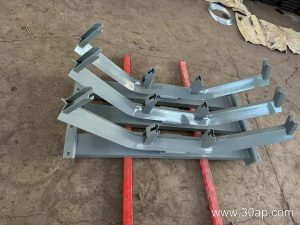
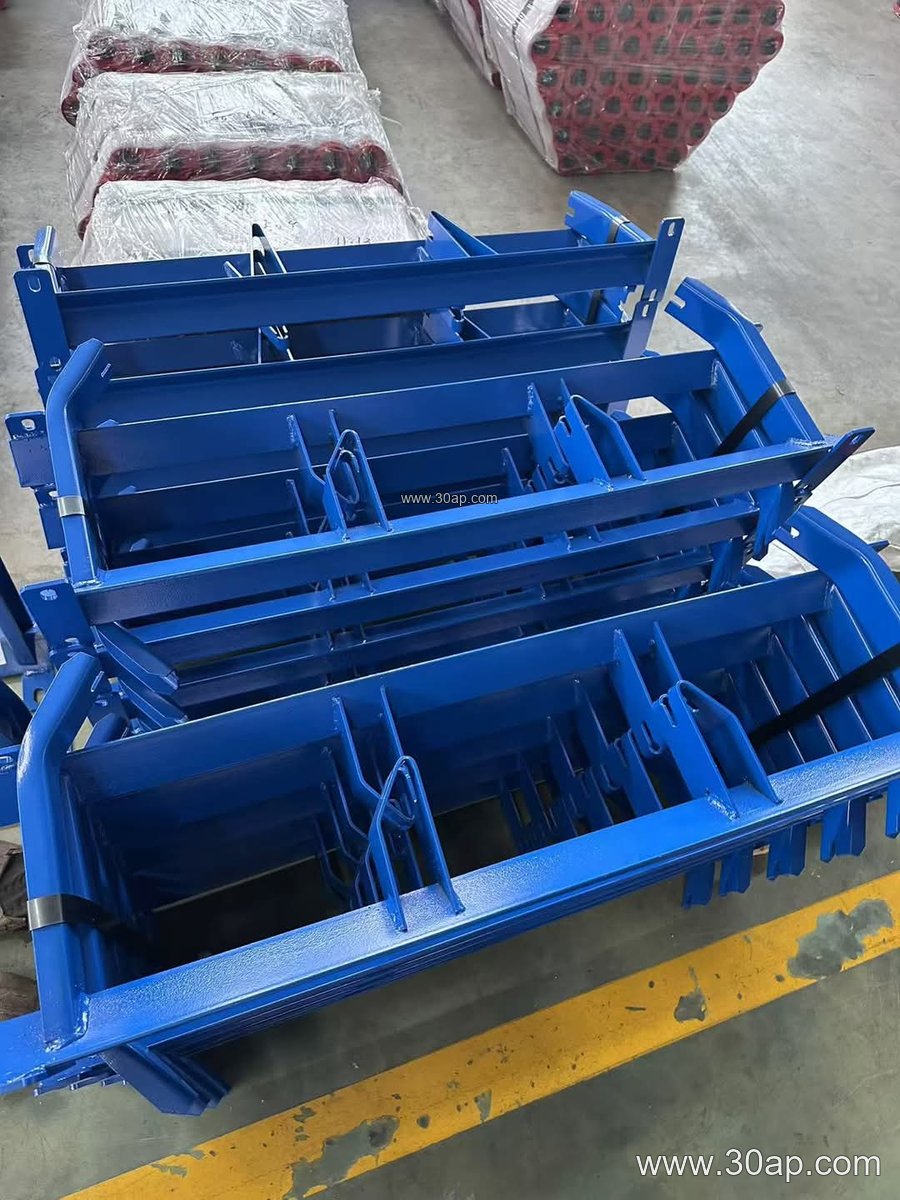
A guide idler bracket is a specialized mounting component used to hold guide idlers in position along a conveyor system. Its primary function is to keep the conveyor belt centered on the pulley and idler rollers, preventing misalignment that can lead to edge damage, material spillage, and premature wear. Unlike standard troughing or return brackets, this bracket is designed to support vertical or angled guide rollers that contact the belt edge, gently steering it back on track. In quarry and aggregate operations, where belt wander is a common issue, the guide idler bracket helps maintain steady production.
Construction and Mounting
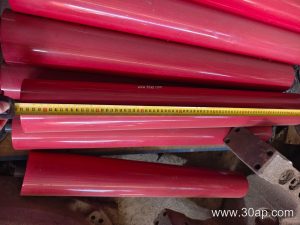
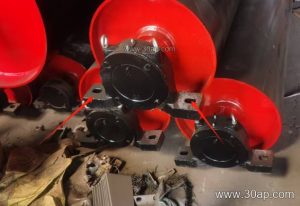
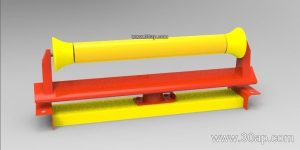
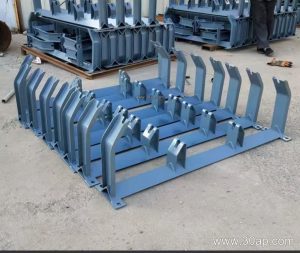
Most guide idler brackets are fabricated from angle steel, channel steel, or bent steel plate, chosen for rigidity and resistance to vibration. The bracket typically includes a base plate for bolting to the conveyor frame, an adjustable arm or slot to set the guide roller position, and a spindle or shaft mount for the idler. Depending on the design, the bracket may allow horizontal and vertical adjustment to accommodate different belt widths and guide roller diameters. Common belt widths include B500, B650, B800, B1000, B1200, B1400, and B1600, and the bracket’s mounting hole spacing and crossbeam length are determined by the belt width and trough angle—not fixed values. The guide roller itself often uses a diameter of Ø89, Ø108, or Ø133 mm, but selection depends on the application and belt speed.
Where It Fits in the Conveying System
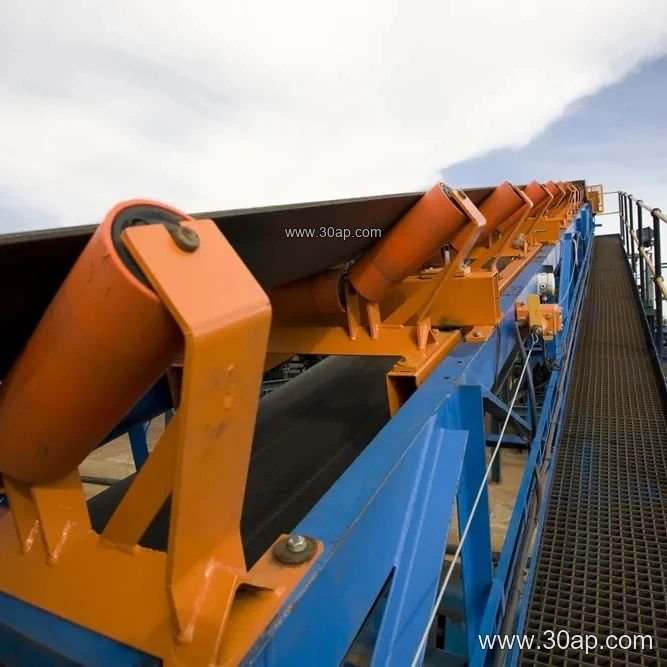
Guide idler brackets are installed at points where the belt is prone to drift, such as before the head pulley, after the tail pulley, or along long straight sections. They are common in cement plants, coal handling systems, and power plant fuel lines, where reliable belt tracking is critical. In a typical arrangement, the bracket holds a vertical guide roller that presses against the belt edge. The roller spins freely, reducing friction while correcting lateral movement. This is different from a self-aligning idler bracket, which uses angled rollers to center the belt; the guide bracket works at the edge, often in combination with training idlers. For heavy-duty mining conveyor belts, including abrasion resistant or flame retardant types, proper tracking reduces the risk of belt edge fraying and extends splice life.
Selection and Adjustment Tips
When choosing a guide idler bracket, consider the belt width, the guide roller diameter, and the available mounting space. Adjustable designs are preferred where belt tension or load conditions vary, as they allow fine-tuning without replacing the bracket. Fixed brackets are simpler and more rigid but offer less flexibility. The bracket should be sized to match the conveyor frame’s channel or angle, and the guide roller should be positioned so it contacts the belt edge without excessive force. Over-tightening can cause belt edge wear, while too little contact fails to correct misalignment. In dusty environments like a limestone quarry or a fertilizer plant, periodic inspection of the bracket’s bolts and pivot points is recommended to prevent loosening from vibration. Lubrication requirements depend on the roller bearing type; sealed bearings often need no routine greasing.
Compatibility with Conveyor Components
A guide idler bracket works alongside conveyor pulleys, idler rollers, and the conveyor belt itself. It is not a substitute for a drive pulley, tail pulley, or bend pulley, nor does it replace troughing or impact idler brackets. Instead, it complements them by addressing a specific tracking problem. For operations using EP conveyor belts or steel cord conveyor belts, proper belt guidance helps maintain uniform tension across the width, which is especially important on long overland conveyors. In coal mining, where flame retardant conveyor belts are mandatory, guide brackets should be installed with attention to clearance, as the belt’s stiffness can affect how it responds to edge guidance. Similarly, in a port ship loading facility, where wide belts such as 1800 mm or 2000 mm are used, heavy-duty guide brackets with robust adjustment mechanisms are often necessary to handle high capacities and wind loads.
Maintenance and Troubleshooting
Regular inspection of guide idler brackets includes checking for bent or cracked arms, worn roller shafts, and loose mounting bolts. A misaligned bracket can cause the guide roller to skew, leading to uneven belt wear. If the belt continues to drift despite correct bracket adjustment, the cause may lie elsewhere, such as an off-center pulley, uneven loading, or a seized idler roller. In such cases, reviewing the entire conveyor alignment—including pulleys, idlers, and structure—is more effective than adjusting the guide bracket alone. Keeping the bracket components clean and free of material buildup also helps maintain reliable belt tracking in harsh environments like a cement plant or a crushing circuit.