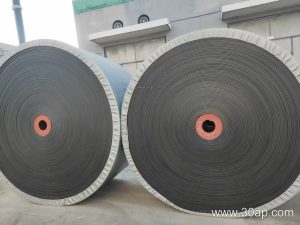
What a Chevron Conveyor Belt Is
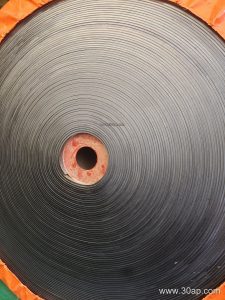
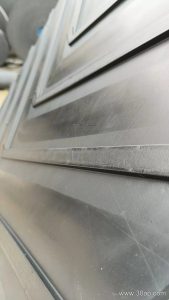
A Chevron Conveyor Belt is a rubber conveyor belt with raised cleat patterns vulcanized onto the top cover. The pattern usually takes the form of V-shaped ribs or a similar angled profile, which helps grip bulk material on inclines and reduces rollback. In many plants the same product is called a patterned conveyor belt or a chevron cleated belt. It is not a replacement for a corrugated sidewall belt or a skirted belt; those solve edge spillage with different structures, while the chevron belt focuses on traction between the belt surface and the load.
Construction and Material Options
The base belt can be built on different carcasses to suit the duty. Common choices include an EP conveyor belt, an NN conveyor belt, or a multi-ply fabric core belt for general service. For long lifts and high tension, a steel cord conveyor belt may be selected. The chevron ribs are normally made from abrasion resistant rubber compounds, and the cover grade can be matched to the cargo: heat resistant, oil resistant, flame retardant, anti-static, or cold resistant grades are all produced. A food grade cover is available for hygienic duties, though the rib profile is usually kept simple in those cases.
Rib height, pitch, and pattern angle are design choices rather than fixed values. A buyer should confirm the rib height against the lump size and the belt width, because a very tall rib on a narrow belt can interfere with transition idlers and the conveyor pulley.
Typical Specifications
Chevron belts are commonly ordered by carcass type, strength, width, and cover thickness. The table below shows reference ranges that appear in general product literature; actual values depend on the manufacturer and the conveyor design.
- Strength grades: EP200, EP315, EP400, EP500, EP630, EP800, EP1000, EP1250, EP1600
- Widths: B500, B650, B800, B1000, B1200, B1400, B1600, B1800
- Cover thickness examples: 3+1.5 mm, 4+2 mm, 5+2 mm, 6+2 mm, 8+3 mm
- Carcass plies: 2 to 6 layers for fabric core designs
These figures are reference data. A 1000mm wide chevron belt, for example, may be paired with different pulley diameters depending on the tension and the transition distance. Belt width alone does not fix the pulley size, and no single shaft diameter should be assumed from the belt width.
Where It Works Best
The main application is inclined conveying of loose bulk material. In a quarry conveyor belt line, a chevron pattern helps keep crushed stone from sliding back on a slope. In a coal mining conveyor belt system, flame retardant grades are often specified for underground use. Cement plants use chevron belts on clinker and raw meal inclines, while power plants apply them to limestone and biomass handling. Sand making plants and aggregate yards also use them on stockpile feed conveyors.
Because the rib profile traps material, chevron belts are less suitable for sticky clay or very wet sludge that can pack into the valleys. In those cases a smooth belt with a separate skirt may be cleaner. The chevron belt also needs more careful cleaning; a standard conveyor belt scraper may not clear the patterned surface fully.
Selection and Maintenance Notes
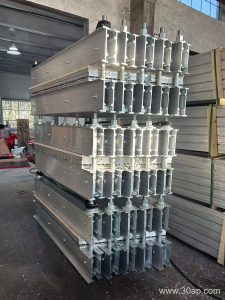
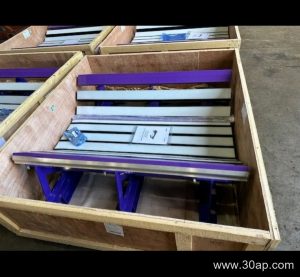
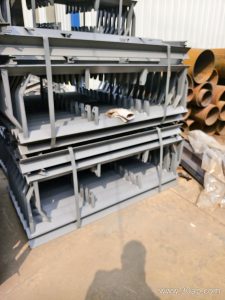
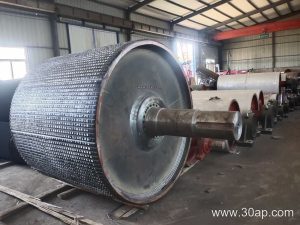
When specifying a Chevron Conveyor Belt, match the rib pattern to the incline angle and the material size. Confirm that the conveyor pulley, idler roller, and conveyor bracket layout allow the ribbed surface to pass without contact. The tail pulley and bend pulleys should be checked for clearance, and the transition idlers should be spaced so the ribs do not fold over. A conveyor pulley with a plain surface is common on the drive, but the belt path must be reviewed as a whole.
For high abrasion duties, a high abrasion resistant cover extends service life. For hot material such as cement clinker, a heat resistant grade is needed. In cold climates, a cold resistant compound keeps the ribs flexible. Anti-static and flame retardant grades are typical for underground coal mining conveyor belts.
Inspection should focus on rib wear, rib tear at the edges, and cover gouging. Splicing a chevron belt requires careful alignment of the pattern so the ribs run true through the conveyor. Buyers should ask for the rib height, pitch, and cover thickness in writing, and should not assume that a given belt width automatically matches a particular pulley diameter.
For more information on related components such as the idler roller, conveyor pulley, and conveyor bracket, consult the conveyor system designer. The chevron belt is one part of a complete bulk material conveyor belt train, and its performance depends on the whole installation.