What the EP1250 Conveyor Belt Is
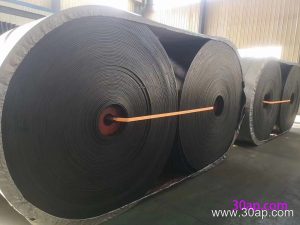
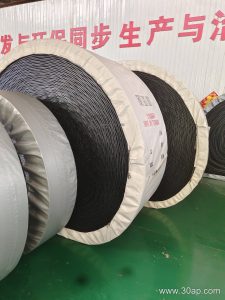
The EP1250 Conveyor Belt is a fabric-core rubber belt built around polyester-polyamide (EP) carcass plies. The number 1250 refers to the nominal tensile strength of the carcass, usually expressed in N/mm, so this is a high-strength grade within the EP family. It sits near the upper end of common EP ratings and is chosen when a conveyor must carry heavy loads over long distances without switching to a steel cord construction.
In everyday plant language, the same product may be called an EP1250 rubber conveyor belt, an EP fabric core conveyor belt, or simply a 1250 EP belt. These are all accurate names for the same item. It should not be confused with a steel cord belt or an NN belt, which use different carcass materials.
Construction and Build
The carcass is made from multiple EP fabric plies, typically two to six layers depending on the required strength and the manufacturer’s design. EP fabric combines low elongation with good fatigue resistance, which helps the belt track well and absorb starting loads. Top and bottom rubber covers protect the carcass from abrasion, impact, moisture and in some cases heat or oil.
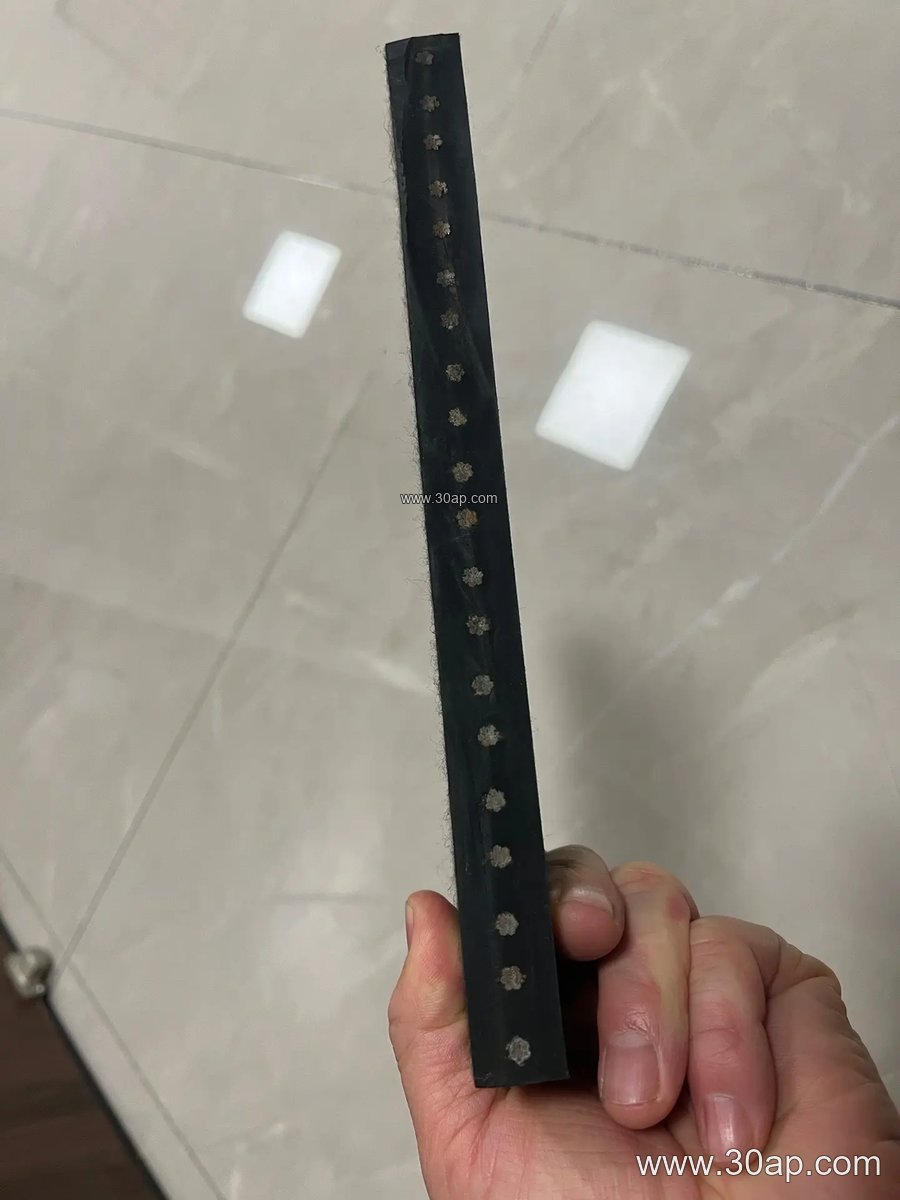
Cover thickness is stated as a pair, such as 4+2 mm, 5+2 mm, 6+2 mm or 8+3 mm. The first figure is the carrying-side cover; the second is the pulley side. A heavier top cover suits sharp, coarse material, while the bottom cover protects against pulley wear. Edge construction and skim coats between plies are also part of the build quality.
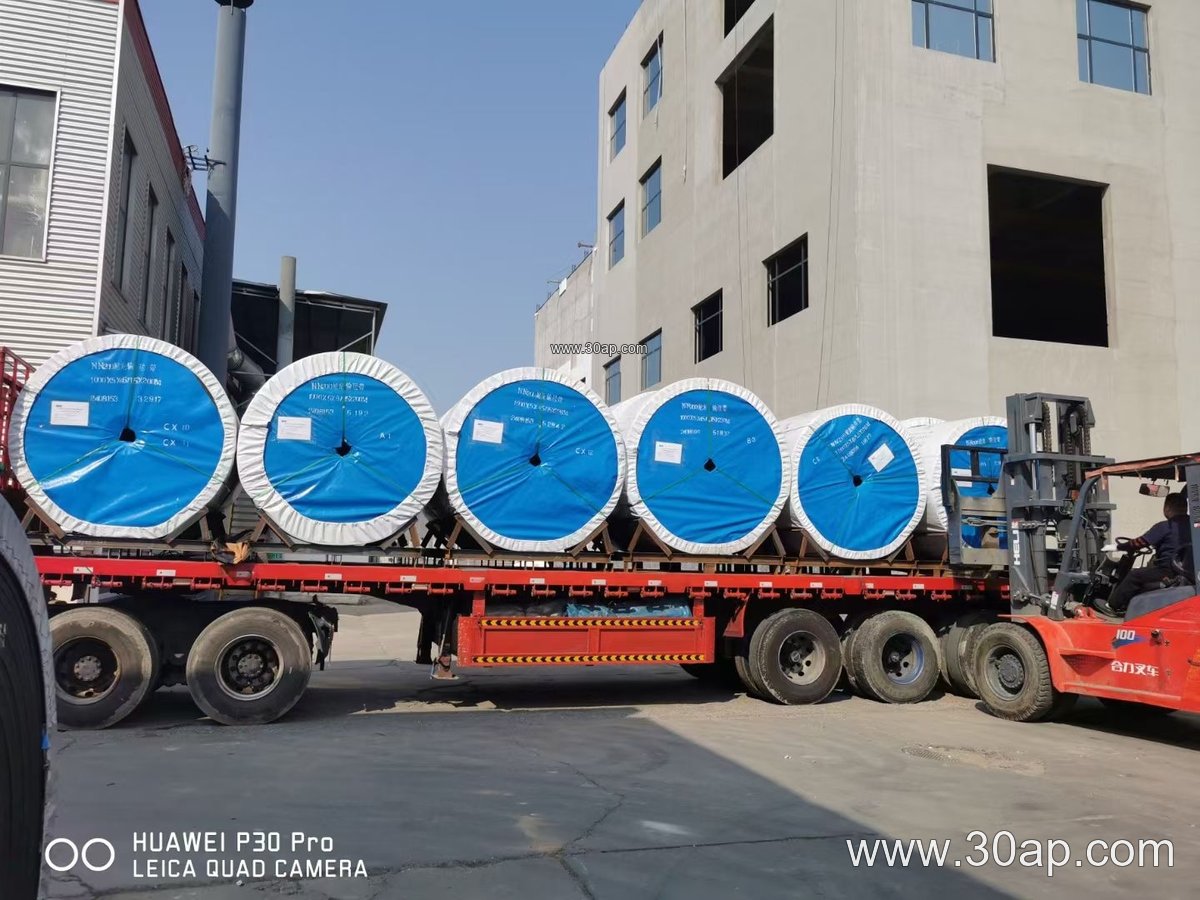
Belt width is a separate decision from strength class. Common widths include B800, B1000, B1200, B1400, B1600 and B1800, and wider belts are available for large tonnage systems. A 1250-class belt can be supplied in several widths, and the correct width is set by the conveyor design rather than by the strength grade alone.
Where It Fits in the Plant
This grade is at home in mines, quarries, cement works, power stations, steel plants, ports and sand and gravel operations. It handles bulk material such as ore, coal, crushed stone, clinker and aggregate. On a long overland conveyor or a high-capacity main haul, the higher strength reduces the number of plies needed and keeps the belt weight reasonable.
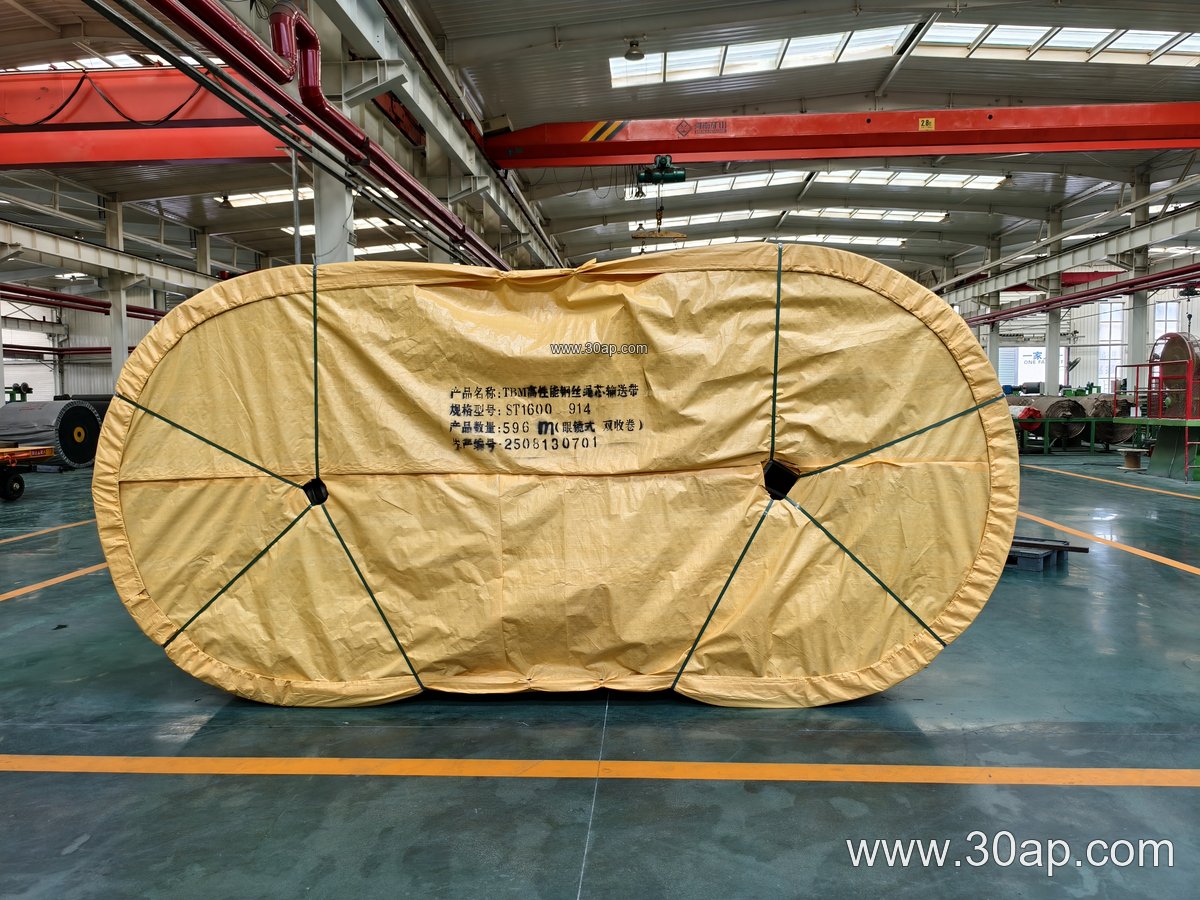
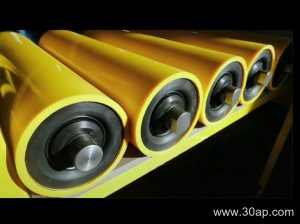
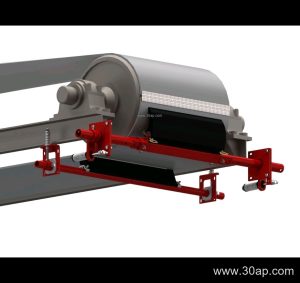
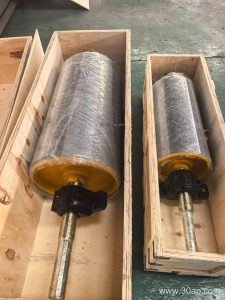
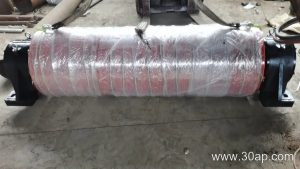
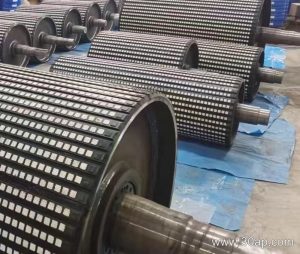
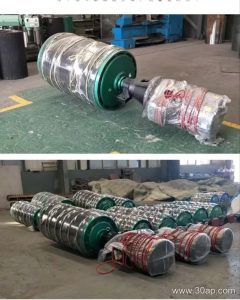
The belt runs over conveyor pulleys and is supported by idler rollers mounted on conveyor brackets. Drive, tail and bend pulleys each do a different job, and the belt must be specified to suit all of them. In dusty or wet conditions, a rubber conveyor belt with well-bonded edges and good cover quality makes a practical difference to service life.
Comparing Carcass Options
Below is a general comparison to help position the EP1250 grade. Values are typical ranges, not fixed supply commitments.
- EP fabric core: good strength-to-weight ratio, moderate elongation, widely used for long and heavily loaded conveyors.
- NN nylon fabric core: high elasticity and impact absorption, often used where shock loading is the main concern.
- Steel cord: very high strength for the longest and most demanding routes, but heavier and requiring larger pulleys.
A multi-ply fabric core conveyor belt in EP1250 class is often the middle path: more capacity than lighter EP grades such as EP630 or EP800, without the handling weight of a steel cord belt.
Cover Grades and Special Duties
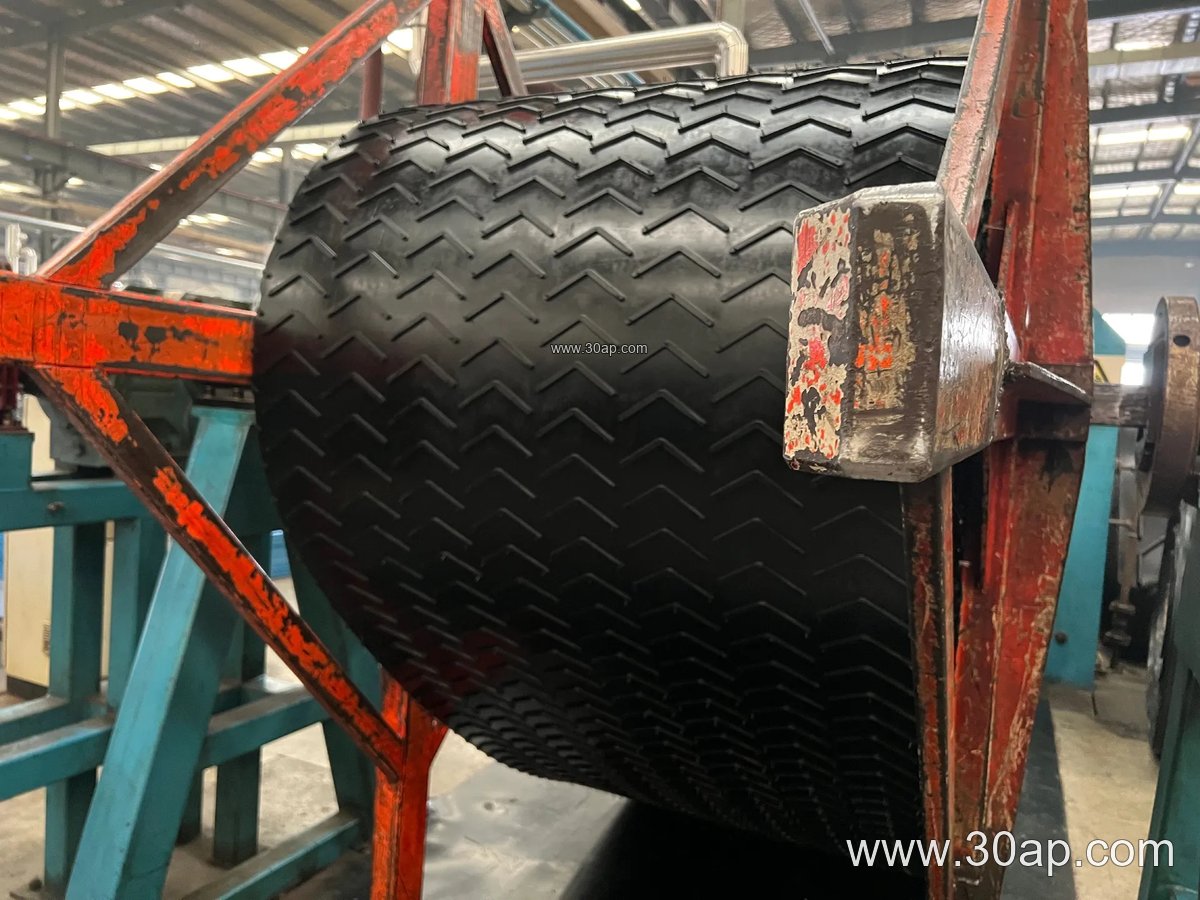
The carcass grade does not decide the cover compound. Buyers can request covers matched to the duty: abrasion resistant for stone and ore, flame retardant for coal mining and underground coal mining, heat resistant for clinker and sinter, oil resistant for recycled material, and anti-static where dust ignition is a risk. Chevron or corrugated sidewall versions are separate designs used on steep inclines, not replacements for the flat EP1250 belt.
Selection and Maintenance Notes
To specify correctly, provide the material type, lump size, tonnage per hour, conveyor length, incline, pulley diameters and ambient conditions. Belt width, ply count and cover thickness are then matched to the calculated tension. Do not assume a given belt width fixes a particular pulley diameter; those values come from the conveyor design.
On site, check belt tracking, keep idler rollers turning freely, and inspect splices and edges for damage. Store spare rolls flat and dry. A correctly matched EP1250 conveyor belt, with suitable covers and good splice work, gives reliable service in heavy-duty mining and bulk material handling.