What a Conveyor Bracket Really Does
In any belt conveyor line, the conveyor bracket is the quiet workhorse that holds the idler roller in position and keeps the belt profile stable. Procurement of this component is less about buying steel and more about matching geometry, load path and site conditions. A bracket that fits a B800 station will not automatically suit a B1200 frame, and the trough angle, roller diameter and mounting hole spacing all interact. Buyers who treat the bracket as a commodity often end up with alignment problems, premature roller wear or belt edge damage.
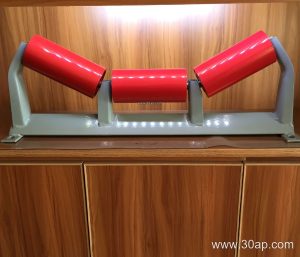
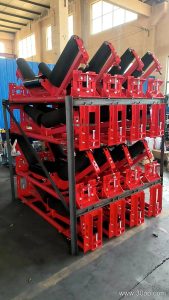
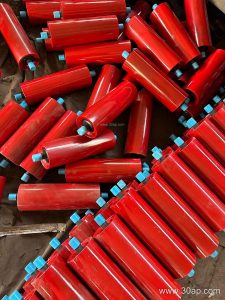
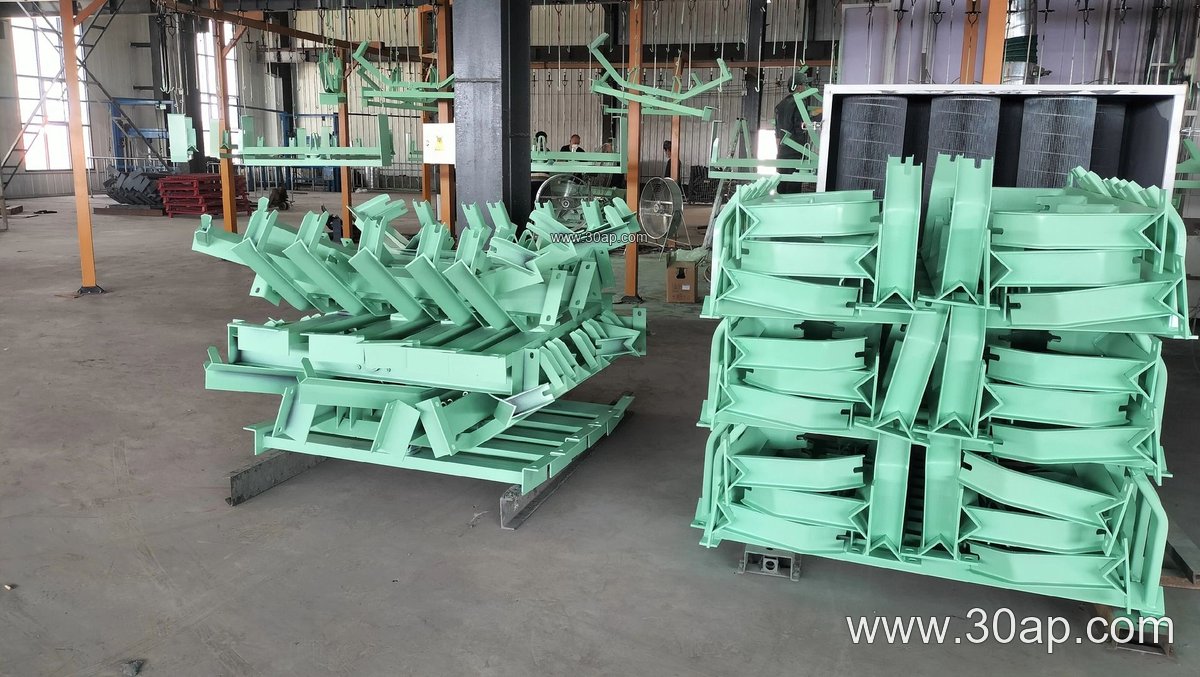
The bracket is usually fabricated from angle steel, channel steel or folded steel plate. It carries the idler roller, transfers the belt load into the conveyor frame, and in some designs allows adjustment of trough angle or belt tracking. On a typical bulk handling line, the bracket works together with the conveyor belt, the conveyor pulley at the drive and tail positions, and the idler roller set.
Common Bracket Types and Where They Sit
Bracket families follow the station they serve. Troughing brackets support the carrying side, return brackets support the empty side, and transition or impact brackets handle specific zones. The table below lists common forms and their typical positions.
| Bracket Type | Typical Position | Notes |
|---|---|---|
| Troughing bracket (upper) | Carrying side, main run | Sets the trough angle, usually 20, 30, 35 or 45 degrees |
| Transition bracket | Near head and tail pulleys | Guides the belt from flat to troughed profile |
| Return bracket (flat) | Return side, straight sections | Supports the empty belt |
| V-return bracket | Return side, training zones | Helps center the belt |
| Impact bracket | Below loading point | Absorbs material impact together with cushion rollers |
| Self-aligning bracket | Where belt drift is a concern | Pivots to correct tracking |
| Adjustable bracket | Variable trough angle stations | Can be set between common trough angles |
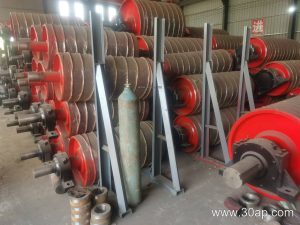
Forward-leaning brackets, often set at about 1.5 to 2 degrees, are a separate design choice and should not be confused with self-aligning types. Drive, tail and bend pulleys are different components from brackets and from each other; a bracket procurement spec should never substitute one pulley subtype for another.
Matching Bracket to Belt Width and Roller Diameter
Belt width and roller diameter are reference points, not a fixed pairing. Common combinations include B650 with a 30 degree trough and Ø89 rollers, B800 with 35 degrees and Ø108, or B1200 with 45 degrees and Ø133. Wider stations such as B1400, B1600 or B1800 usually call for heavier channel or folded plate and larger roller diameters, but the final match is set by design load, belt speed and material characteristics. Mounting hole spacing and crossbeam length change with belt width and trough angle, so they should be confirmed on the drawing rather than assumed.
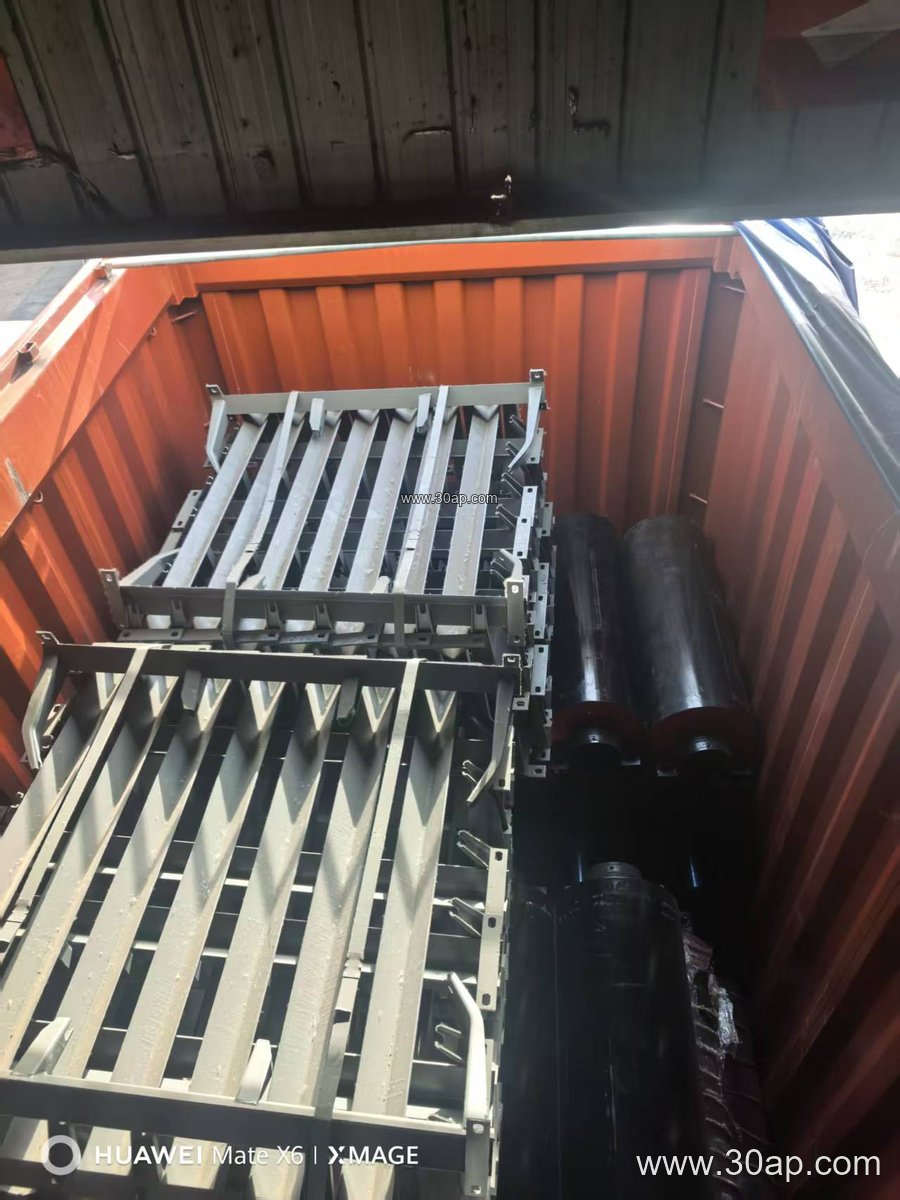
For abrasive duties in a quarry or iron ore plant, brackets are often paired with an abrasion resistant conveyor belt and heavy-duty idler rollers. In a coal preparation plant or underground coal mining conveyor, flame retardant conveyor belt and anti-static properties matter alongside bracket strength. Cement plants and power plant coal handling systems tend to favor robust troughing brackets with easy roller replacement.
Procurement Checklist
- Confirm the station type: troughing, return, transition, impact or self-aligning.
- State belt width, trough angle and roller diameter as a set, not as isolated numbers.
- Ask for the mounting hole pattern and crossbeam length on the drawing.
- Specify material and finish: angle steel, channel steel or folded plate, with the required coating.
- Check compatibility with the conveyor pulley layout and the idler roller series already in use.
- For adjustable brackets, confirm the range of trough angles and the locking method.
- Request dimensional drawings for approval before production.
Installation and Maintenance Notes
Correct installation keeps the bracket square to the frame and preserves the intended trough profile. Bolts should be tightened to the specified torque, and brackets should be checked after the first weeks of operation as the belt settles. Spare parts planning should cover the highest-wear stations, such as impact and transition zones, rather than treating every bracket as identical. A consistent bracket standard across a plant simplifies roller replacement and reduces downtime during shutdowns.
For buyers sourcing through a conveyor components supplier, clear drawings and a defined station list are more valuable than a long catalogue. Whether the line handles limestone in a quarry, clinker in a cement plant or coal in a power station, the right conveyor bracket procurement decision starts with the station, the belt and the roller working as one system.