What a Galvanized Conveyor Bracket Does on a Belt Conveyor
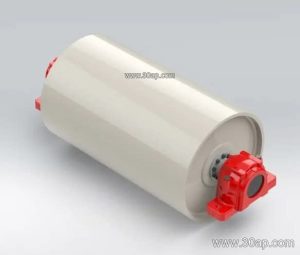
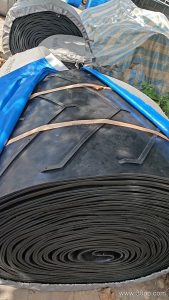
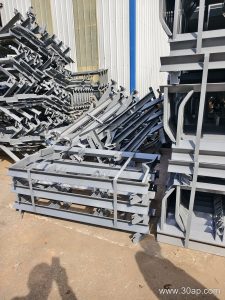
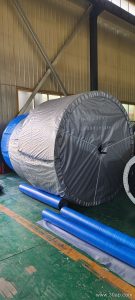
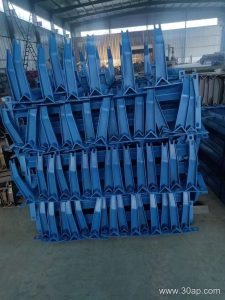
A galvanized conveyor bracket is the support frame that holds idler rollers in position along a conveyor. It carries the weight of the belt and the material, keeps the idlers at the correct trough angle, and maintains alignment so the belt tracks smoothly. Hot-dip galvanizing gives the bracket a zinc coating that resists rust in damp tunnels, dusty quarries, and outdoor stockyards. In a stone crushing line or a cement plant, this coating can extend service life compared with untreated carbon steel frames. The bracket works together with the conveyor belt, the idler roller, and the conveyor pulley to form a reliable conveying system.
Construction and Common Materials
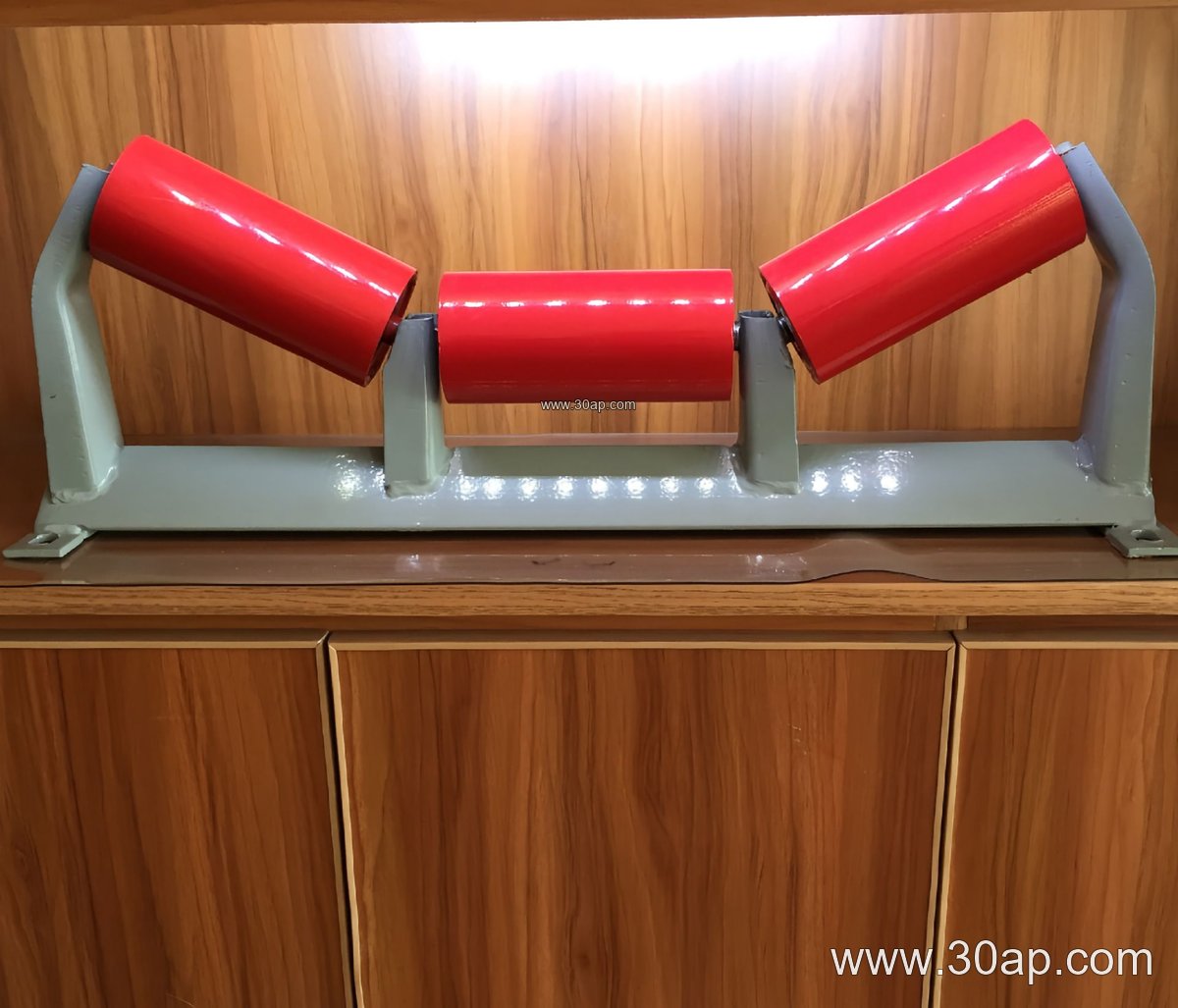
Most brackets are fabricated from angle steel, channel steel, or folded steel plate. The galvanizing process typically involves cleaning, pickling, and dipping in molten zinc, which creates a metallurgical bond on all surfaces, including edges and bolt holes. A well-galvanized bracket resists white rust and red rust in humid conditions. The frame usually includes mounting slots or holes for the idler shaft, cross beams sized to the belt width, and connection points for the conveyor stringer. Because installation hole spacing and beam length change with belt width and trough angle, these dimensions are determined by design rather than fixed numbers.
Where Galvanized Conveyor Brackets Are Used
These brackets appear in a wide range of bulk handling operations. In a quarry or aggregate plant, they support troughing idlers under a high-abrasion conveyor belt that carries crushed rock. In a coal preparation plant or power station coal yard, galvanized frames help resist corrosive washdown and humidity. Cement plants use them on clinker and raw meal conveyors, while fertilizer and grain silo facilities value the zinc coating for outdoor installation. Port terminals and ship loading systems also rely on galvanized brackets where salt air accelerates corrosion. The bracket itself does not carry the product, but it keeps the idlers and belt in correct alignment, which reduces spillage and belt edge wear.
Types and Configurations
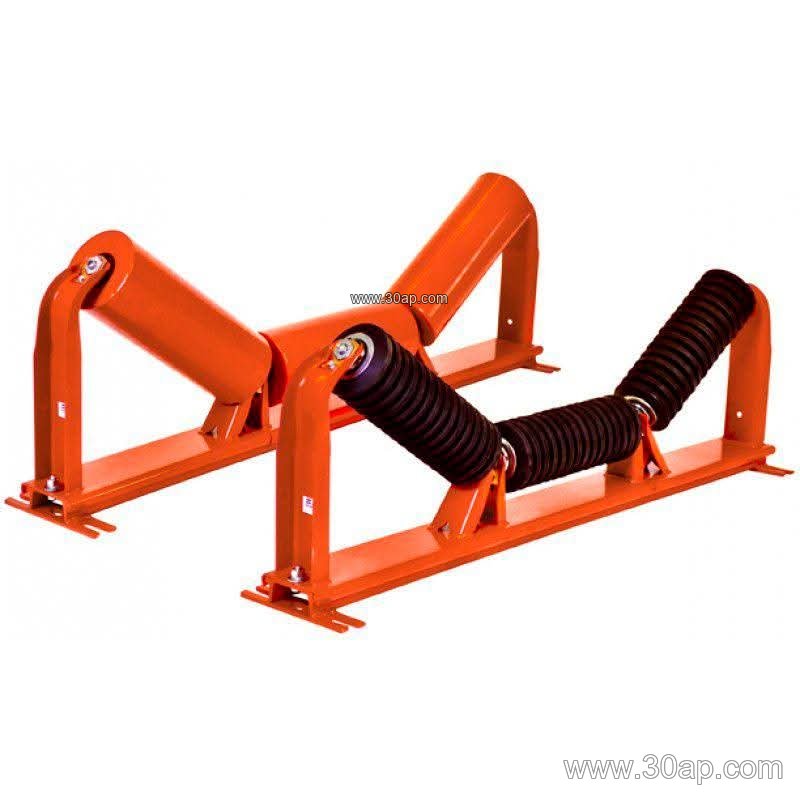
Brackets are selected to match the idler arrangement and the load profile. Common forms include troughing brackets for the carrying side, return brackets for the empty side, impact brackets under loading points, and self-aligning brackets for belt training. A transition bracket may be used near pulleys to guide the belt from flat to troughed shape. Adjustable brackets allow the trough angle to be set between common values such as 20, 30, 35, or 45 degrees, which helps when a conveyor handles different materials. Fixed brackets are simpler and often chosen where the trough angle is set once and does not change.
Matching Brackets to Belt Width and Idler Diameter
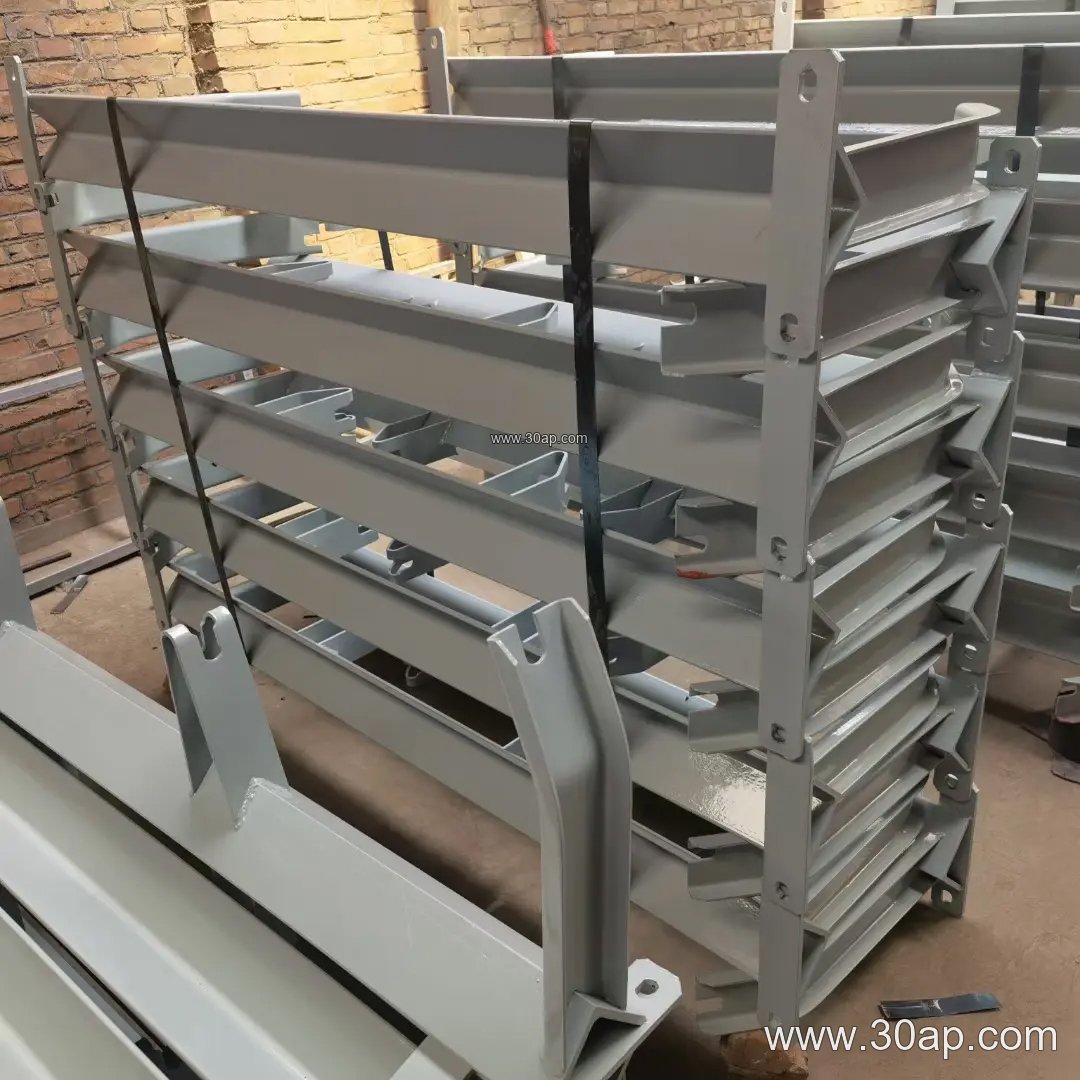
Belt width and idler diameter are key selection inputs, but they do not lock a single bracket size. A bracket for a B800 belt may be supplied with different idler diameters and trough angles depending on the load and belt speed. Typical idler diameters include Ø89, Ø108, Ø133, Ø159, and Ø194 mm. The table below shows common reference combinations; actual dimensions follow the conveyor design and the bracket manufacturer’s drawing.
| Belt Width (B) | Common Trough Angle | Typical Idler Diameter | Bracket Type |
|---|---|---|---|
| B500 | 20°–30° | Ø89 | Troughing, return |
| B650 | 30°–35° | Ø89, Ø108 | Troughing, impact |
| B800 | 30°–35° | Ø108, Ø133 | Troughing, self-aligning |
| B1000 | 35°–45° | Ø108, Ø133, Ø159 | Troughing, transition |
| B1200 | 35°–45° | Ø133, Ø159 | Troughing, return |
| B1400 | 35°–45° | Ø159, Ø194 | Troughing, impact |
| B1600–B2200 | 35°–45° | Ø159, Ø194 | Heavy-duty troughing |
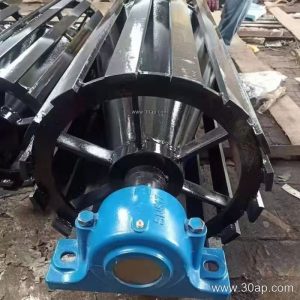
For a heavy-duty mining conveyor belt or a high-abrasion conveyor belt, the bracket and idler frame should be sized for the load. A steel cord conveyor belt may require larger idler diameters and stronger brackets than a lighter fabric core belt. The bracket must also fit the conveyor pulley and stringer arrangement; tail pulleys and bend pulleys are not interchangeable, so bracket location near each pulley should be confirmed on the layout drawing.
Buyer Checklist for Galvanized Conveyor Brackets
- Confirm the belt width and the required trough angle range, especially if an adjustable bracket is needed.
- Check the idler diameter and shaft end size that the bracket must accept.
- Ask for the zinc coating thickness or weight per unit area if corrosion resistance is critical.
- Verify mounting hole spacing and cross beam length against the conveyor stringer drawing.
- Consider the environment: washdown, salt air, or abrasive dust may call for a heavier galvanized coating.
- For impact zones, specify a bracket that matches the impact idler and the loading height.
- Ensure the bracket design matches the belt training needs, particularly on long conveyors with a conveyor pulley at each end.
A galvanized conveyor bracket is a small but important part of the conveyor structure. When it is correctly matched to the belt width, idler diameter, and trough angle, it helps the idler roller and belt work together with less wear and fewer tracking problems. Buyers should treat dimensions as design-specific and request drawings before ordering.