What a Construction Industry Conveyor Belt Does on Site
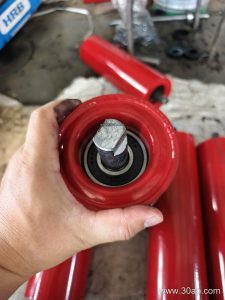
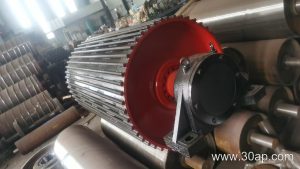
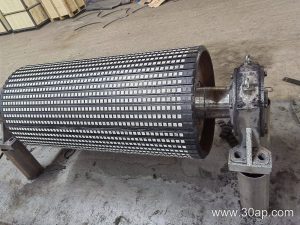
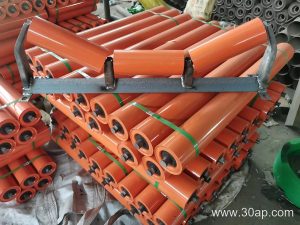
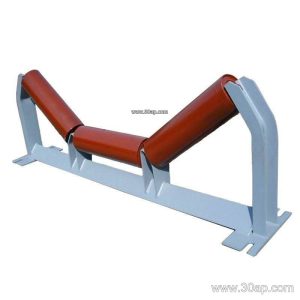
A Construction Industry Conveyor Belt is the load-carrying element of a continuous handling system used to move stone, sand, gravel, cement, crushed aggregate and other bulk materials between processing stages. On a crushing line, a batching plant or a tunnel project, the belt runs over a frame fitted with idler rollers, a head or drive pulley, a tail pulley and bend pulleys, all held in place by conveyor brackets. The belt itself is the wear part that contacts the material, so its construction decides how long the line keeps running between stoppages.
The product is not a single item. It is a family of rubber and fabric constructions chosen to suit the duty: abrasive rock, hot clinker, oily scrap, fine dust or steep inclines. Buyers who treat the belt as a generic consumable often end up replacing it too soon.
How the Belt Is Built
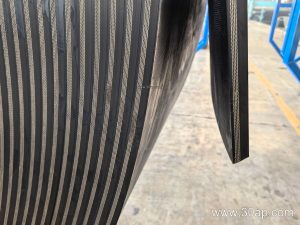
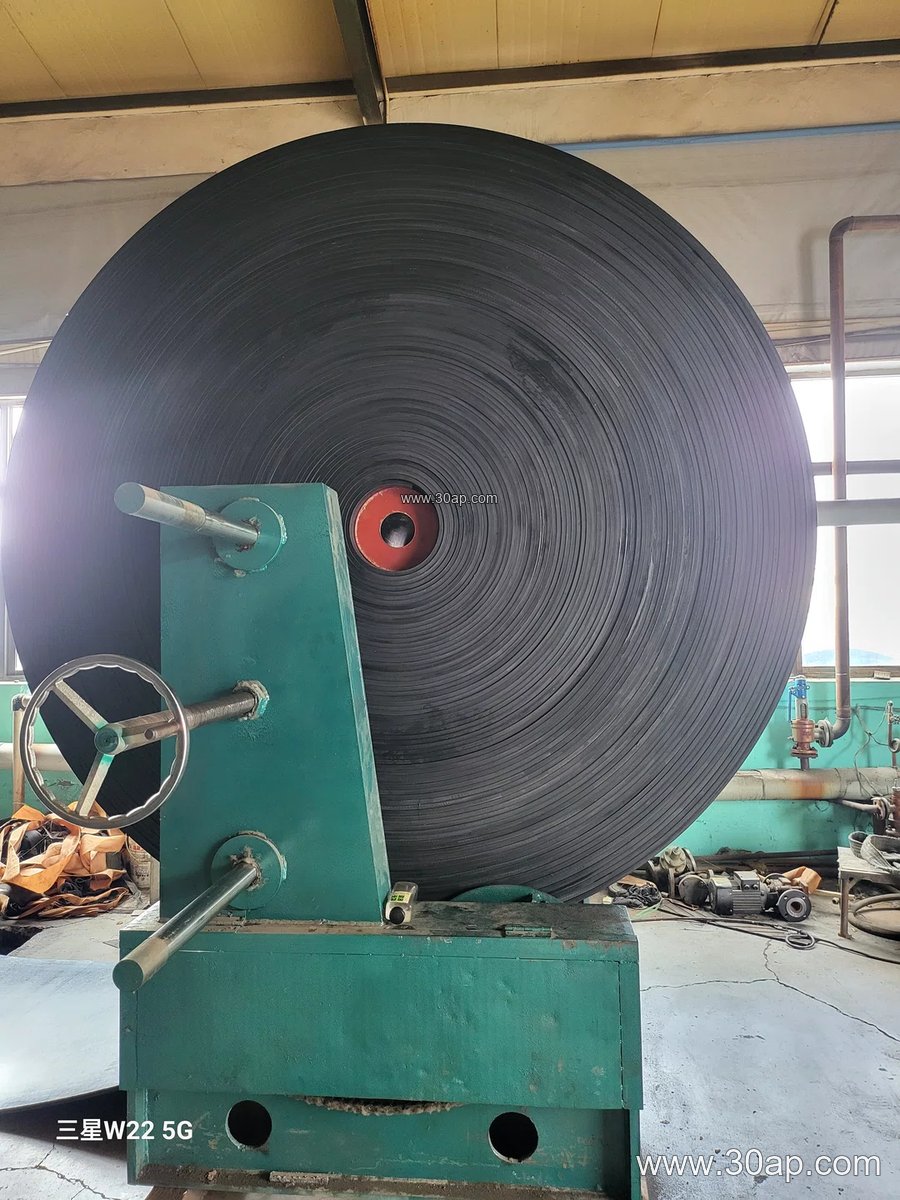
Most belts for construction duty combine a carcass and rubber covers. The carcass carries tension and impact; the covers protect the carcass from cutting, abrasion and heat. Common carcass options include an EP Conveyor Belt with polyester-nylon fabric plies, an NN Conveyor Belt with nylon-nylon plies, and a Steel Cord Conveyor Belt in which brass-plated wires replace fabric as the strength member. A Multi-Ply Fabric Core Conveyor Belt with two to six plies is common in aggregate plants, while heavy primary crushers may call for steel cord construction.
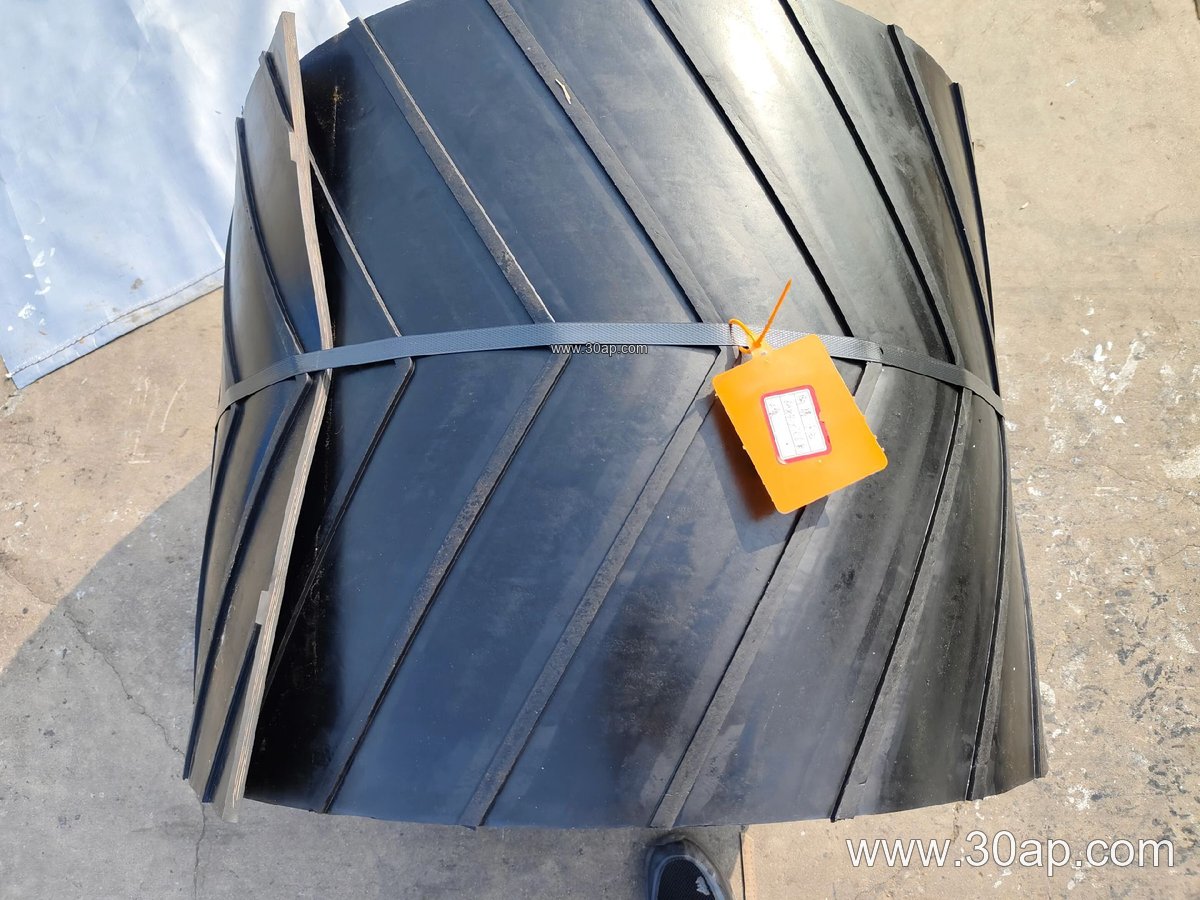
Cover rubber is usually specified as top and bottom thickness, for example 4+2 mm or 6+2 mm, with thicker covers on high-abrasion duty such as a quarry conveyor belt handling sharp crushed rock. Surface forms range from plain to Chevron Conveyor Belt profiles for inclined runs, and Skirted Conveyor Belt or Corrugated Sidewall Conveyor Belt designs for material containment on steep or space-limited routes.
Typical Construction Site Applications
- Quarry and aggregate plants – feeding crushers, screening decks and stockpiles; an Abrasion Resistant Conveyor Belt is usually the baseline choice.
- Cement plants – limestone, clinker and cement handling, where a Heat Resistant Conveyor Belt may be needed close to hot kiln discharge.
- Sand and gravel yards – short transfer conveyors, often with a Chevron Conveyor Belt on inclined sections.
- Tunnels and underground works – a Flame Retardant Conveyor Belt and Anti-Static Conveyor Belt are commonly requested where fire risk and dust are present.
- Ports and batching plants – wide belts for high tonnage, sometimes with a Pipe Conveyor Belt for dust control on curved routes.
The same belt may serve a stone crushing line in the morning and a recycling conveyor in the afternoon, but the cover compound should match the harshest duty on that route.
Common Reference Specifications
The values below are typical reference ranges, not a fixed catalogue. Actual belt construction is confirmed by design for each conveyor.
| Parameter | Common reference values |
|---|---|
| Fabric carcass grade | EP200, EP315, EP400, EP500, EP630, EP800, EP1000, EP1250, EP1600 |
| Nylon carcass grade | NN100, NN200, NN300, NN400 |
| Steel cord grade | ST1000, ST1250, ST1600, ST2000, ST2500 |
| Belt width | B500, B650, B800, B1000, B1200, B1400, B1600, B1800, B2000 |
| Cover thickness | 3+1.5, 4+2, 5+2, 6+2, 8+3 mm |
| Ply count | 2 to 6 plies typical |
Width and carcass grade are selected together with the pulley diameters, the drive power and the idler roller spacing. A wide belt does not automatically imply a specific pulley size, and shaft dimensions are calculated from the actual conveyor design rather than from belt width alone.
What to Check Before Ordering
Start with the material: size, shape, moisture, temperature and chemical content. Sharp, heavy rock favours a thick Abrasion Resistant Conveyor Belt; hot material favours Heat Resistant Conveyor Belt compounds; oily scrap or recycled material may need an Oil Resistant Conveyor Belt. For cold outdoor sites, a Cold Resistant Conveyor Belt keeps flexibility at low temperature.
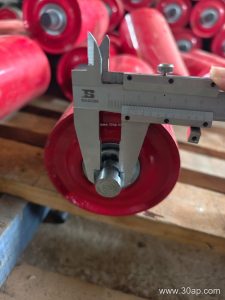
Next, confirm the conveyor geometry. Incline angle decides whether a smooth belt, a Chevron Conveyor Belt or a sidewall design is appropriate. Transition distances and pulley diameters affect the minimum ply count, so share the conveyor drawing with the belt supplier. The condition of the idler rollers, drive pulley lagging and conveyor brackets also matters, because a worn frame shortens belt life regardless of compound quality.
Finally, plan the splice. An Endless Conveyor Belt made to the exact centre distance reduces joint fatigue on long runs, while field-vulcanised joints are common on site-assembled lines. Ask for the cover grade, ply construction and width in writing, and keep a spare length matched to the same specification so a replacement does not force a change of pulley or frame layout.
For construction sites, the practical rule is simple: match the belt to the material and the route, then check the whole conveyor, from idler roller to tail pulley, as one system.