What a Conveyor Belt Tracking Idler Does
A conveyor belt tracking idler is a specialized roller assembly designed to keep the belt centered on its path. Unlike standard carrying or return idlers, this component actively corrects misalignment. It is often referred to as a self-aligning idler or training idler, and it plays a critical role in preventing belt edge damage, material spillage, and premature wear on the conveyor pulley and frame. In industries such as mining, coal preparation, cement plants, and aggregate yards, proper belt tracking reduces downtime and extends the service life of the entire conveyor system.
How It Is Built
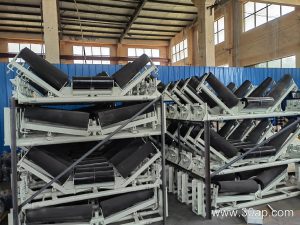
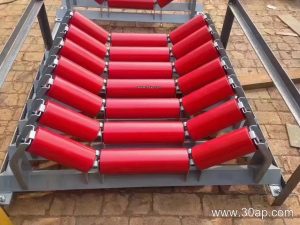
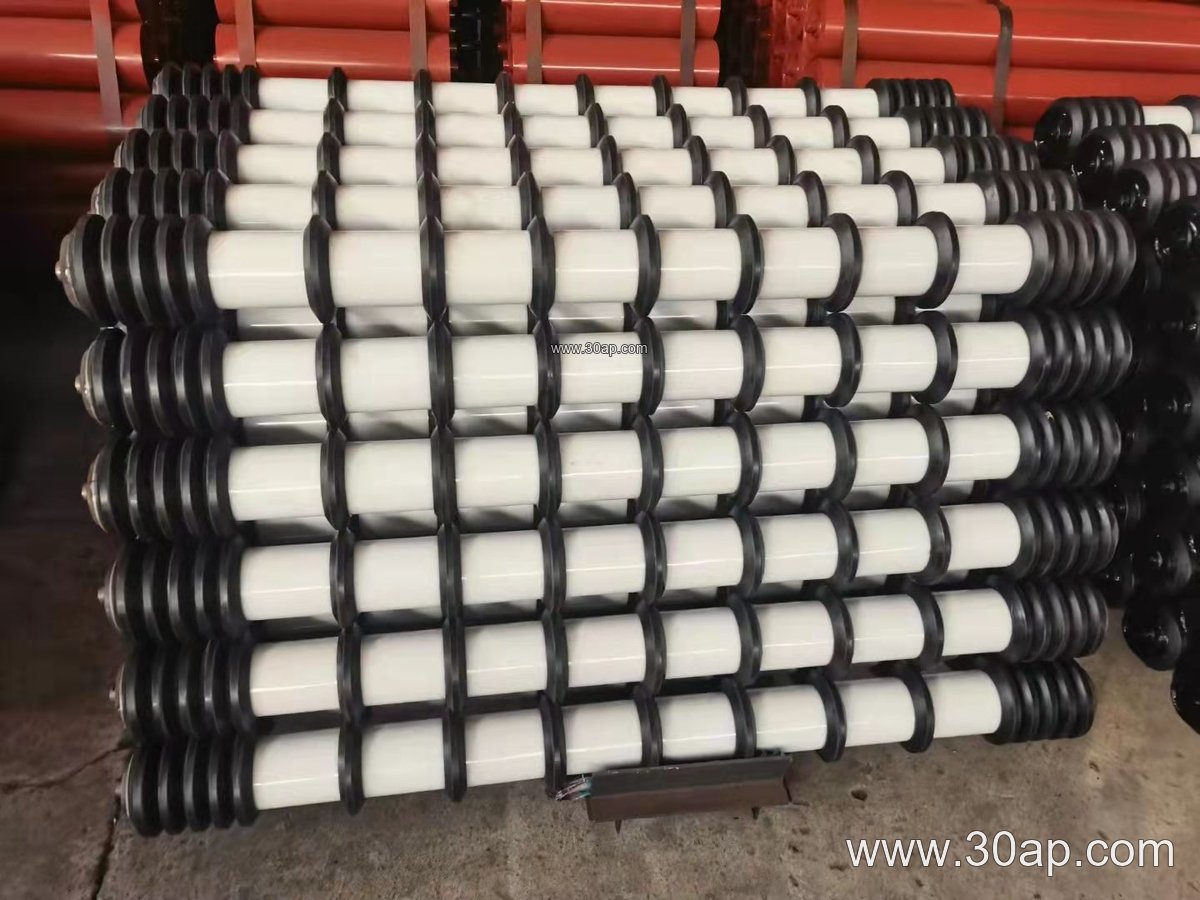
Most tracking idlers use a vertical pivot axis that allows the roller frame to rotate slightly when the belt drifts. The idler frame typically carries two or three rolls arranged in a trough or flat configuration. Key construction details include:
- Roller surface: Common options are steel, rubber lagged, or polyurethane. Rubber lagged rolls offer higher friction to grip the belt during correction.
- Bearing housing: Sealed bearings such as 6204, 6205, or 6305 are typical, with labyrinth seals to keep out dust and water.
- Pivot mechanism: A sturdy central shaft or bracket allows the assembly to swivel. The frame must be robust enough to handle the belt tension and material load.
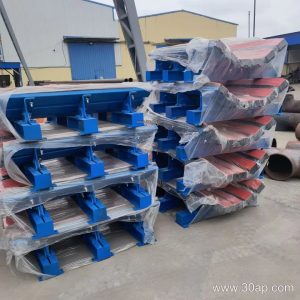
- Mounting bracket: A conveyor bracket attaches the tracking idler to the conveyor stringer. The bracket design must allow free rotation without binding.
Some designs include a tapered roller profile that creates a differential speed across the belt width, gently steering the belt back to center. Others use a friction-driven mechanism that senses belt drift and applies corrective force.
Where It Is Used
Tracking idlers are found in nearly every bulk material handling operation. In a quarry or sand and gravel plant, they keep the belt aligned after the load point, where material impact often causes the belt to shift. In a coal mining conveyor, they are installed on the return side to prevent the belt from rubbing against the structure. Cement plants use them on long overland conveyors where thermal expansion and heavy loads challenge belt stability. Power plant coal handling systems rely on tracking idlers to maintain alignment through transfer towers and curves. The device is equally valuable in underground mining, port loading facilities, and steel plant sinter lines.
Key Selection Factors
Choosing the right tracking idler requires attention to belt width, roller diameter, and the specific misalignment problem. The table below lists common reference values—these are examples, not fixed rules.
| Parameter | Common Range | Notes |
|---|---|---|
| Belt width (B) | B500 to B2400 | Match idler length to belt width and trough angle. |
| Roller diameter | Ø63 to Ø219 mm | Larger diameters suit higher loads and speeds. |
| Trough angle | 20°, 30°, 35°, 45° | Affects material cross-section and belt support. |
| Roller surface | Steel, rubber, ceramic | Rubber lagging improves tracking grip. |
| Bearing size | 6204, 6205, 6305, 6306, 6308, 6310 | Sealed for dusty environments. |
For example, a 1200mm wide conveyor might use a tracking idler with Ø133 mm rolls and a 35° trough angle. A 650mm belt in a coal yard could use Ø89 mm rolls. Always confirm the idler roll length with the conveyor designer; three-roll troughing sets commonly use roll lengths around 200 mm for B500, 380 mm for B1000, and 600 mm for B1600, but side and center rolls may differ.
Installation and Maintenance Tips
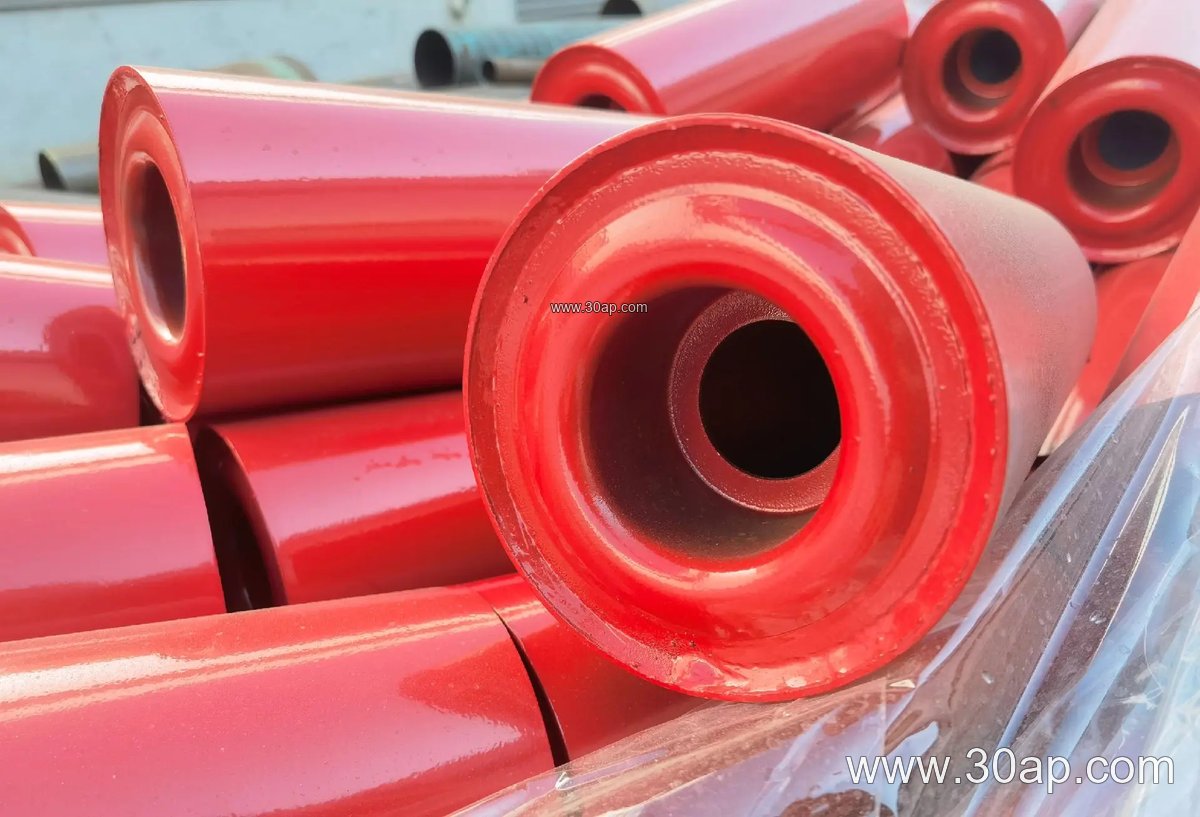
Mount tracking idlers squarely to the belt centerline. Even a small misalignment of the bracket can cause the idler to fight the belt. Install them after the belt has been tensioned and run for a few cycles to observe natural drift points. Keep the pivot free of material buildup; in dusty operations such as a limestone quarry or cement mill, clean the pivot area weekly. Inspect roller surfaces for flat spots or worn lagging. Replace any idler with a damaged bearing immediately—a seized bearing can cause the belt to mistrack and damage the conveyor pulley. Lubricate pivot points according to the manufacturer’s schedule, but avoid over-lubrication that attracts dust.
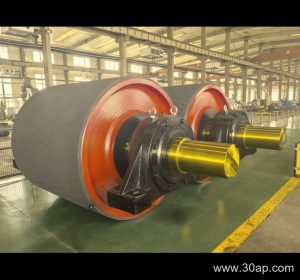
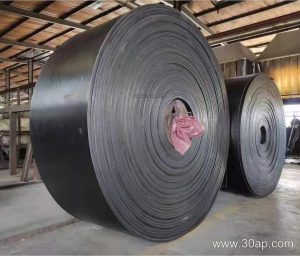
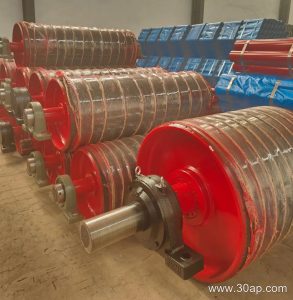
Related equipment such as the conveyor belt itself, idler roller frames, and conveyor bracket assemblies must be compatible. For high-abrasion environments, consider pairing tracking idlers with an Abrasion Resistant Conveyor Belt and robust conveyor pulley lagging. In coal mining, a Flame Retardant Conveyor Belt combined with well-maintained tracking idlers reduces fire risk from belt rubbing.
Buyer Checklist
- Confirm belt width and trough angle before ordering.
- Specify roller diameter based on load and speed, not on belt width alone.
- Choose lagging or surface material to suit material buildup and moisture.
- Verify the mounting bracket matches the conveyor stringer profile.
- Ask for bearing type and seal class for the site conditions.
- Request installation instructions and recommended inspection intervals.
A well-chosen conveyor belt tracking idler is an inexpensive insurance policy against belt edge damage and production stoppages. Whether in a gold mining operation, a fertilizer plant, or a tunnel boring muck removal system, keeping the belt centered pays off in longer component life and cleaner operation.