What a Cement Plant Conveyor Belt Has to Handle
A cement plant conveyor belt moves limestone, crushed clinker, gypsum, raw meal, coal and cement fines through a chain of crushers, silos, mills and packing lines. The duty is rarely gentle. Material is abrasive, often hot after the kiln, and dust settles on every frame and idler roller. A belt that works well in a sand and gravel pit may wear quickly here, so buyers usually look for a combination of abrasion resistance, heat tolerance and reliable splice strength.
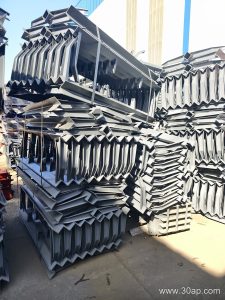
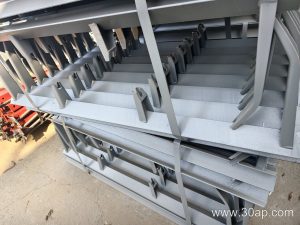
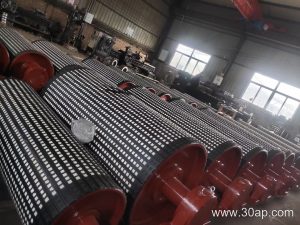
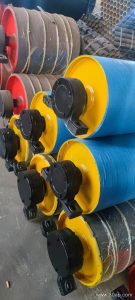
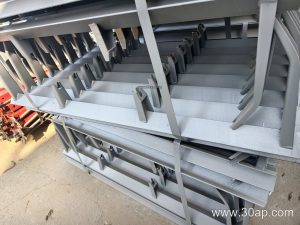
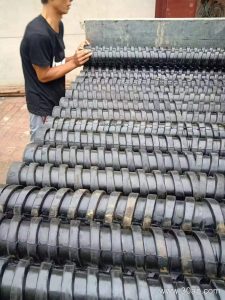
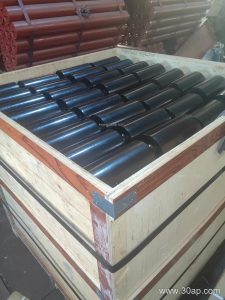
The belt is only one part of the line. It runs over conveyor pulleys, is supported by idler rollers, and is held by conveyor brackets and frames. Drive, tail and bend pulleys each do a different job and are not interchangeable. If a belt tracks poorly, the cause may sit in the pulley alignment or idler condition rather than in the belt itself.
Construction and Common Belt Types
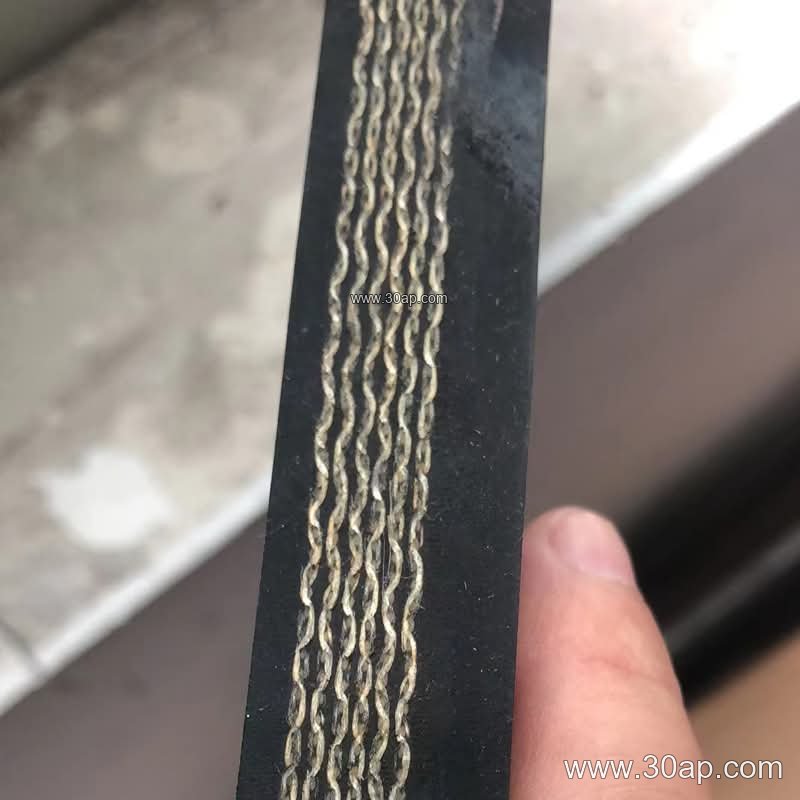
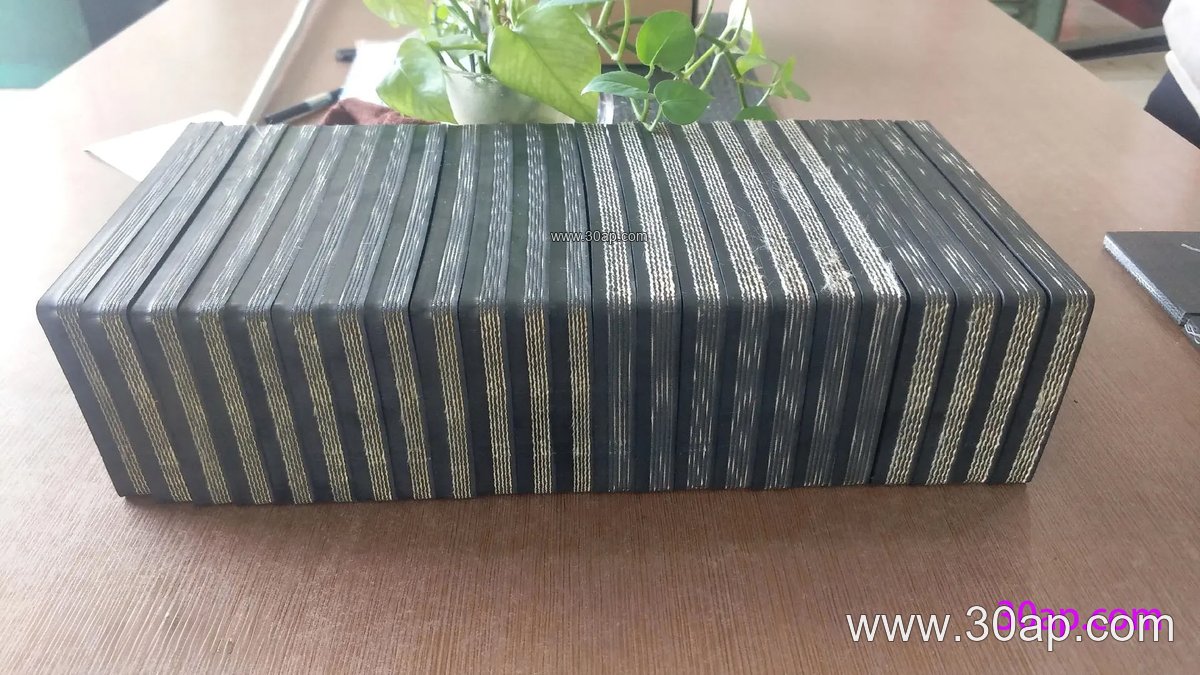
Most belts used in cement handling are fabric core or steel cord constructions. In a fabric core belt, layers of EP or NN fabric carry the tension, and rubber covers protect the carcass from abrasion, heat and moisture. Steel cord belts use parallel steel wires for very long runs and high tension. Cover compound and carcass design matter more than a single headline number.
Typical constructions and reference values include:
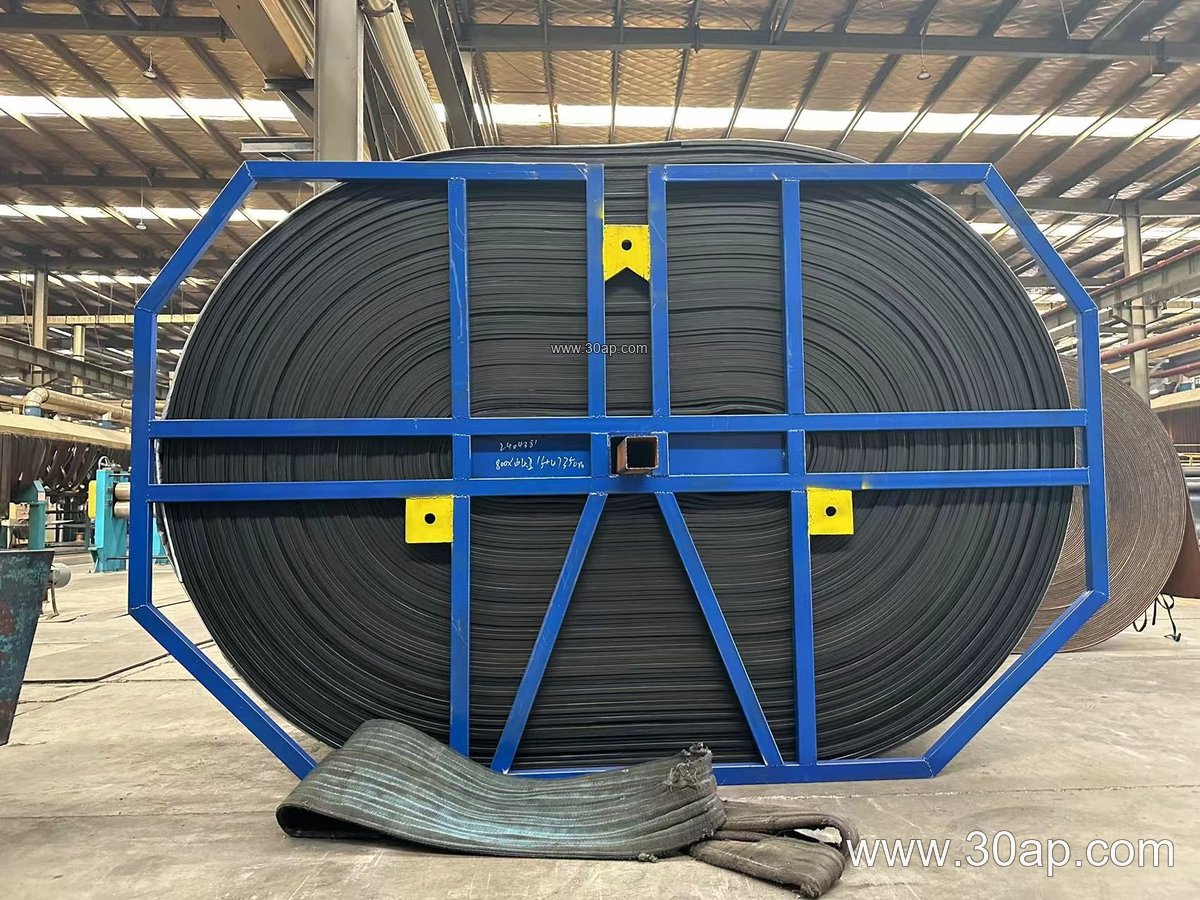
- EP (polyester-nylon) fabric core: EP200, EP315, EP400, EP500, EP630, EP800, EP1000, EP1250, EP1600 and EP2000 are common strength grades.
- NN (nylon-nylon) fabric core: often chosen where high flexibility and impact absorption are useful.
- Steel cord: ST1000 up to ST3150 and beyond for long overland or high-lift conveying.
- PVC and PVG: solid-woven or rubber-covered belts used in some underground and coal handling duties.
- Special covers: heat resistant, abrasion resistant, oil resistant, flame retardant and anti-static grades.
Belt width is selected from the material size, capacity and conveyor design, not from habit. Common widths in cement plants are B500, B650, B800, B1000, B1200, B1400, B1600, B1800 and B2000. A 1000mm or 1200mm belt is common on main clinker lines, while 650mm or 800mm may suit smaller transfer points. Cover thickness is often written as top plus bottom, for example 4+2 mm, 5+2 mm or 6+2 mm, with 8+3 mm used in harsh impact zones. Carcass layers usually range from two to six plies.
Where the Belt Fits in the Process
From the quarry to the raw mill, belts handle crushed limestone that can be sharp and heavy. Clinker conveyors face hot, abrasive material, so a heat resistant conveyor belt with a suitable cover grade is often specified. Coal handling may call for a flame retardant conveyor belt and anti-static properties, particularly in enclosed or underground sections. Additive and gypsum lines usually need a belt that resists fines and keeps a stable tracking path.
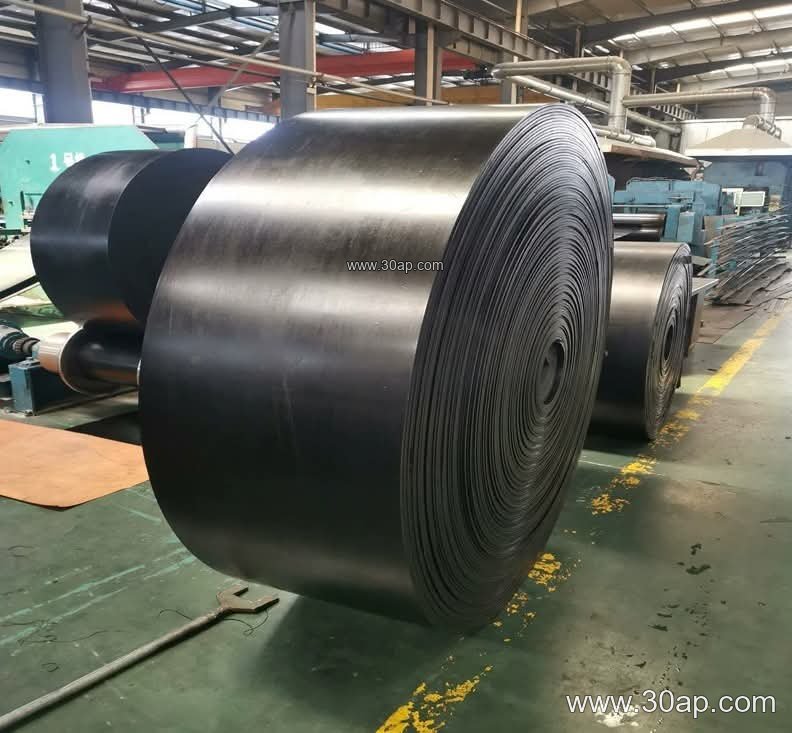
In a cement plant, a rubber conveyor belt with good abrasion resistance is a practical default for general material transfer. Where the route climbs steeply or material spills easily, a chevron conveyor belt or a corrugated sidewall belt can help contain the load. Enclosed routes may use a pipe conveyor belt to control dust. These are alternatives for specific layouts, not replacements for the main belt on a normal troughed line.
Specification Checklist for Buyers
Before ordering, confirm the material, lump size, temperature, moisture and any oil or chemical exposure. Then check the belt width, strength grade, cover thickness and carcass type against the conveyor design. A short table helps keep the discussion clear:
- Belt type: EP fabric core, NN fabric core, steel cord, heat resistant, flame retardant
- Strength grade: EP400, EP630, EP1000, ST1250, ST1600 (as required)
- Width: B800, B1000, B1200, B1400, B1600
- Cover: 4+2 mm, 5+2 mm, 6+2 mm, 8+3 mm
- Special property: abrasion resistant, heat resistant, oil resistant, anti-static
Ask how the belt will be joined. An endless conveyor belt made at the factory reduces splice risk on critical lines, while field splicing is common for long or difficult installations. Confirm pulley diameters and idler spacing with the conveyor designer; belt width alone does not fix shaft or pulley size.
Maintenance and Selection Notes
Inspect covers for cuts and exposed carcass, check idler rollers for seizure, and watch for material buildup on return rollers and pulleys. Misalignment, overload and heat damage are easier to correct early. Keep spare belt sections and splice materials on hand for the busiest lines.
For cement plant operators, the right belt is a balance of abrasion resistance, heat performance, tracking stability and splice reliability. Matching the belt to the actual duty, rather than to a single strength number, keeps the whole conveying system running with fewer stoppages.