What an ST1600 Conveyor Belt Is
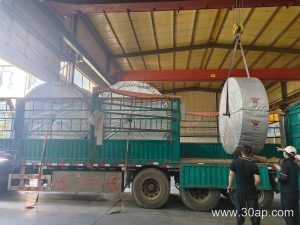
An ST1600 Conveyor Belt is a steel cord conveyor belt rated for a nominal breaking strength of 1600 N/mm per unit width. The “ST” designation marks a steel cord construction, and the number reflects the belt’s tensile class rather than a fixed working load. In practice, this class sits in the upper-middle range of steel cord belts, above ST1250 and below ST2000, so it suits long, heavily loaded conveying lines where fabric belts would need too many plies or become too stretchy.
Because the tension members are steel cords rather than woven fabric, the belt behaves differently from an EP Conveyor Belt or an NN Conveyor Belt. It offers low elongation under load, good longitudinal stiffness, and reliable tracking on long centre distances. That makes it a common choice in mining, cement, power generation, ports, and large quarry or aggregate operations.
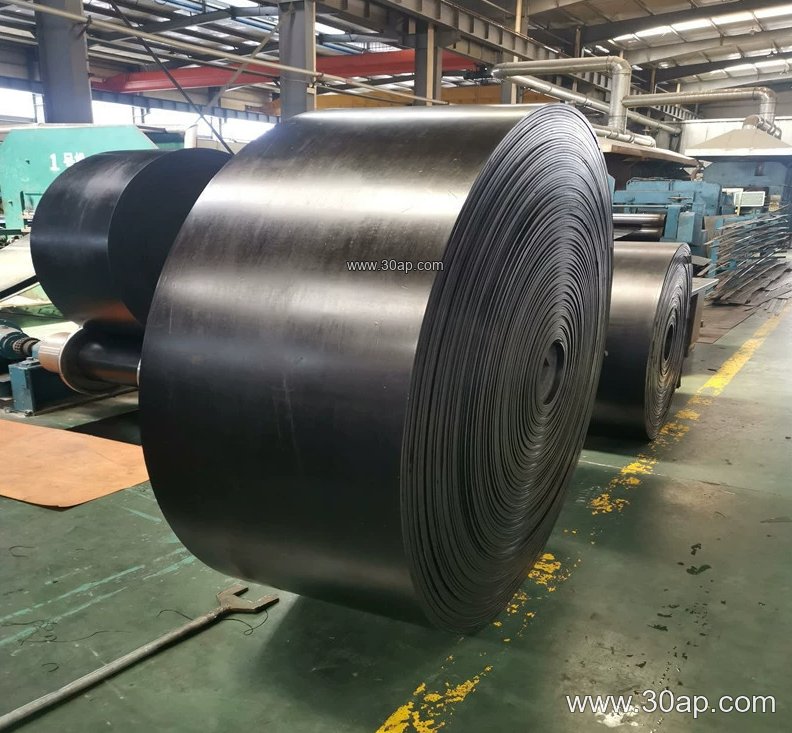
Construction and Internal Layout
The core of a steel cord belt is a single layer of parallel brass-plated steel cords, spaced evenly across the width and embedded in a bond rubber compound. Top and bottom cover rubber protect the cords from abrasion, impact, moisture, and chemical attack. The cover grade is selected for the duty: abrasion resistant for ore and rock, heat resistant for clinker or sinter, flame retardant for coal mining and underground work, and oil resistant where lubricants or oily feedstock are present.
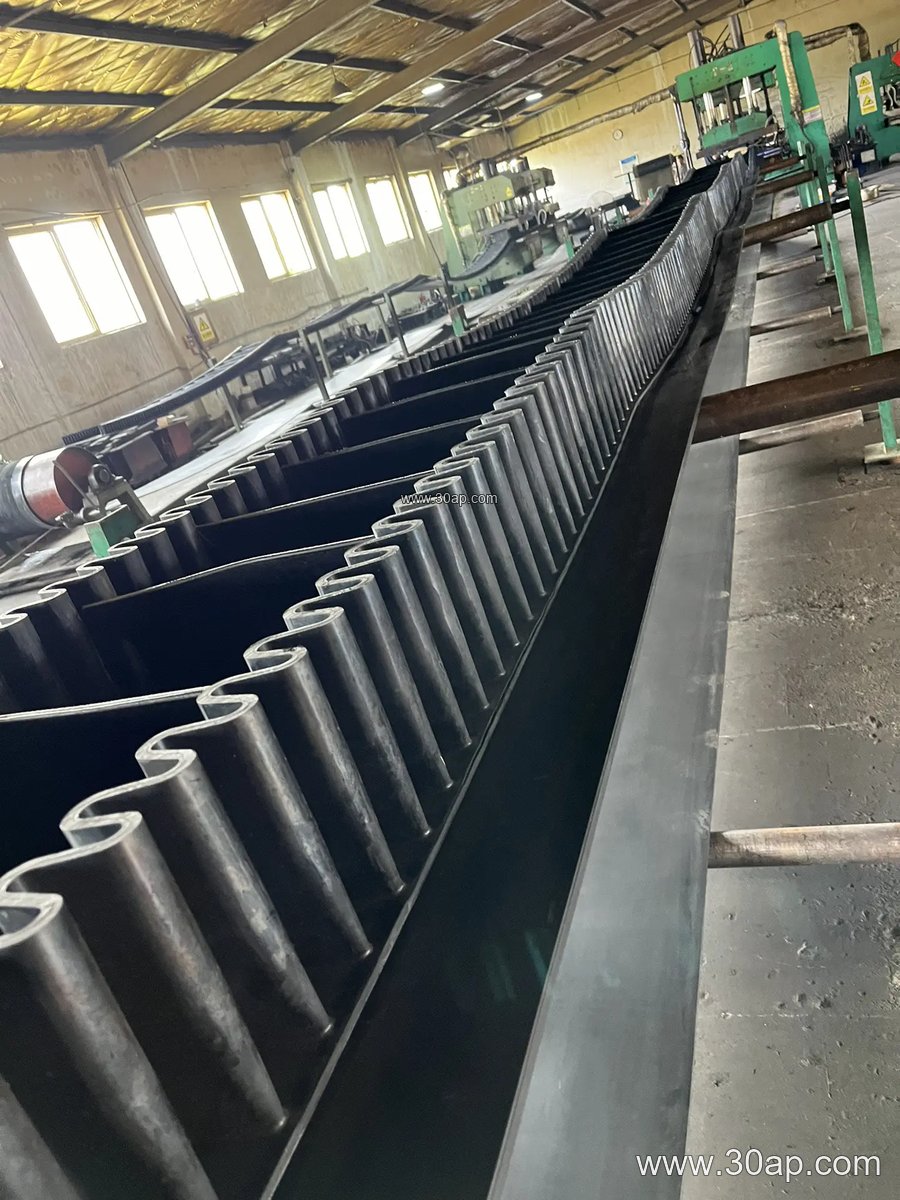
Typical cover thicknesses for this belt class include 5+2 mm, 6+2 mm, and 8+3 mm, with the first figure being the top cover and the second the bottom cover. Cord pitch, cord diameter, and total belt thickness are set by the manufacturer according to the strength class and the pulley and take-up conditions. Buyers should treat these as design values confirmed on the datasheet, not as universal numbers.
Where It Fits in a Conveyor System
An ST1600 belt is usually found on main haulage lines rather than short transfer points. In a coal mining conveyor or underground coal mining conveyor, it may run alongside a flame retardant conveyor belt specification and anti-static cover. In a cement plant, it can carry limestone, clinker, or raw meal over long inclines. In a power plant, it feeds coal stockyards and boiler bunkers. In a quarry or sand making plant, it links the crusher conveyor discharge to screening and stockpile conveyors.
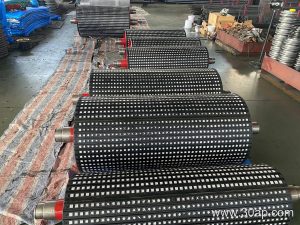
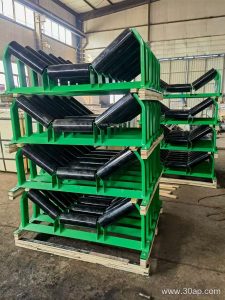
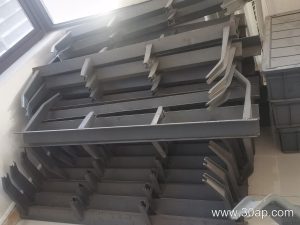
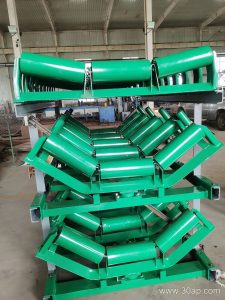
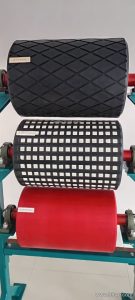
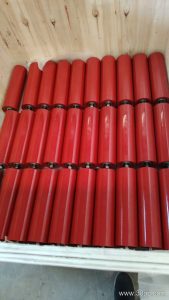
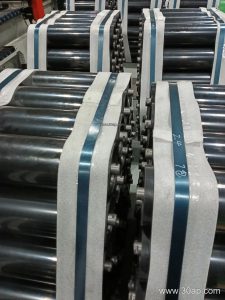
Supporting hardware matters as much as the belt. A conveyor pulley at the drive and tail ends, idler roller sets along the carry and return sides, and conveyor bracket assemblies all influence belt life. Misaligned idlers or worn pulleys can damage the cord layer long before the cover wears out. Matching the belt class to the drive power and take-up travel is part of the design, not an afterthought.
Common Specifications and Reference Values
The table below gives typical reference ranges for steel cord belts in this class. Actual values depend on the manufacturer, the cover compound, and the conveyor design.
| Parameter | Typical Reference |
|---|---|
| Strength class | ST1600 (1600 N/mm) |
| Related classes | ST1000, ST1250, ST2000, ST2500 |
| Belt width | B800, B1000, B1200, B1400, B1600, B1800, B2000 |
| Cover thickness | 5+2 mm, 6+2 mm, 8+3 mm |
| Cover grades | Abrasion resistant, heat resistant, flame retardant, oil resistant, cold resistant |
| Typical industries | Mining, coal, cement, power, port, quarry, steel plant |
Width choice is not tied to one pulley diameter. A 1200 mm wide belt and a 1600 mm wide belt can both run on different pulley sizes depending on the drive layout and cord construction. Shaft diameter should come from the pulley manufacturer’s calculation, never from belt width alone.
Selection and Maintenance Notes
When specifying an ST1600 Conveyor Belt, confirm the maximum operating tension, the safety factor required by the application, the pulley diameters, and the take-up stroke. Long overland lines may need a higher strength class or a different cord pitch; short, steep feeders may be better served by a chevron conveyor belt or a corrugated sidewall conveyor belt if material must be contained on an incline. Those are different belt types and should not be substituted for a steel cord belt without a fresh design check.
On the maintenance side, inspect the belt surface for cord exposure, edge damage, and splice wear. Keep idler rollers turning freely and check pulley lagging for wear. Store spare belts on a dry, flat surface away from sunlight and ozone sources. For coal mining and underground applications, verify the flame retardant and anti-static properties against the site’s requirements before installation.