What Is a Corrugated Sidewall Conveyor Belt
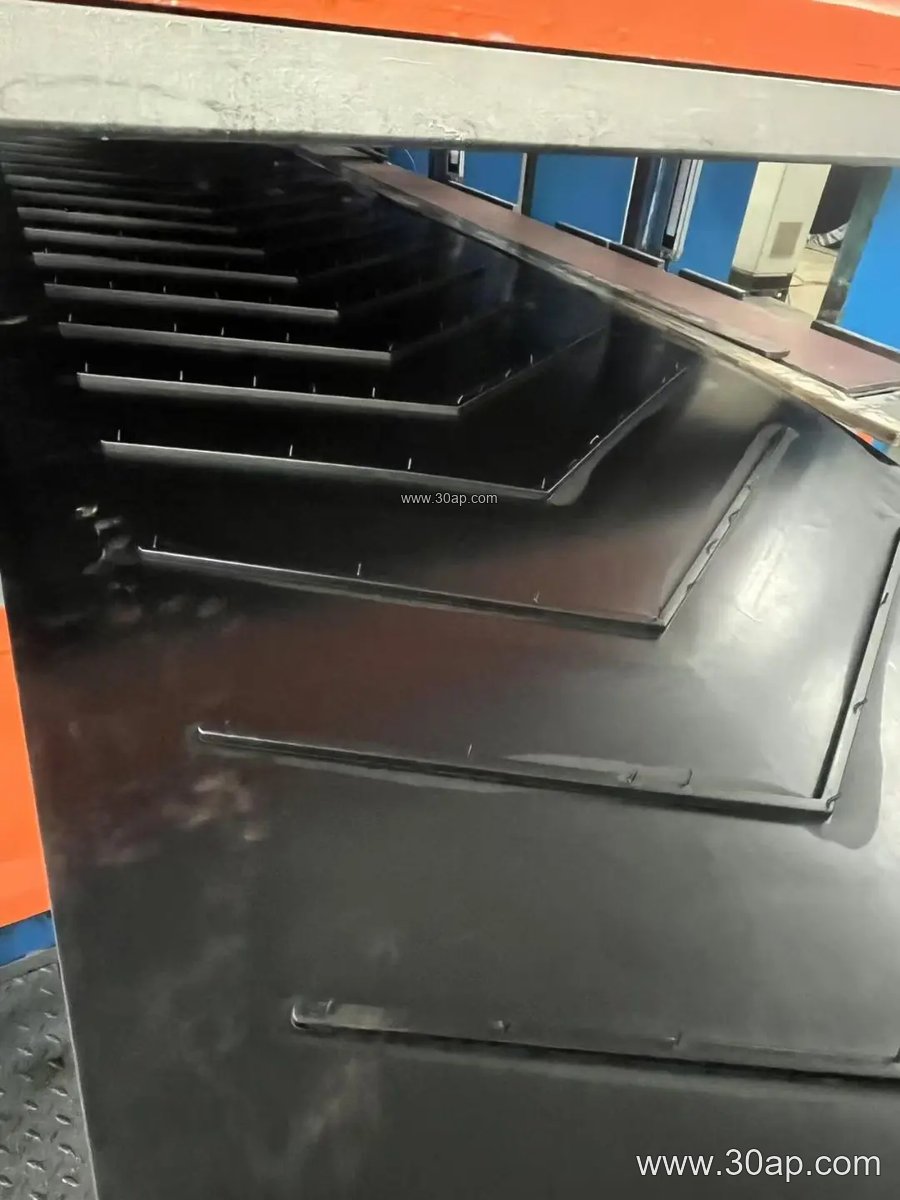
A corrugated sidewall conveyor belt is a specialized bulk material conveyor belt with raised, wave-shaped edges and horizontal cleats that allow it to carry material up steep inclines without spillage. Unlike a standard flat conveyor belt, this design keeps the load contained between the sidewalls, making it suitable for vertical lifts and space-limited routes in mining, cement, power plants, and quarry operations. The belt is often referred to as a skirted conveyor belt or sidewall belt, but the corrugated sidewall type is distinguished by its flexible, folded sidewall profile that can run over small-diameter pulleys.
Construction and Key Components
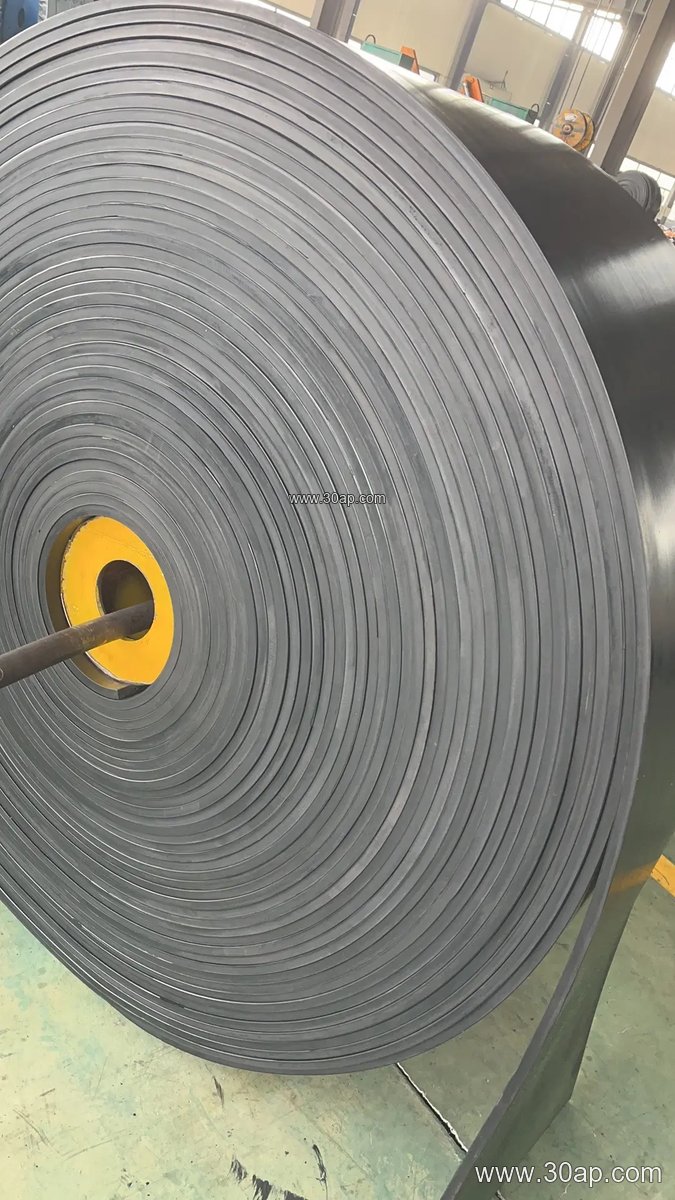
The belt body is typically a fabric core conveyor belt or steel cord conveyor belt base, with transverse cleats and corrugated sidewalls vulcanized onto the top surface. Common base types include EP conveyor belt (EP200, EP315, EP400, EP500, EP630, EP800, EP1000) and NN conveyor belt (NN100, NN200, NN300, NN400), selected according to tension and load. The sidewall height and cleat pattern are designed to match the material angle of repose and the required capacity.
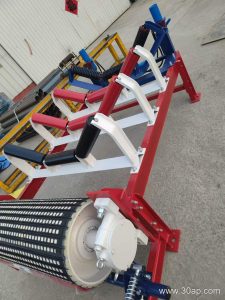
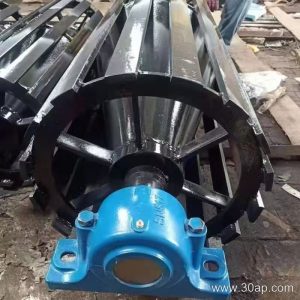
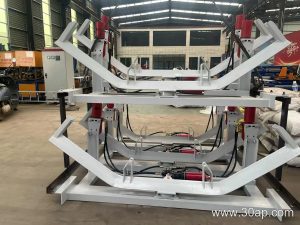
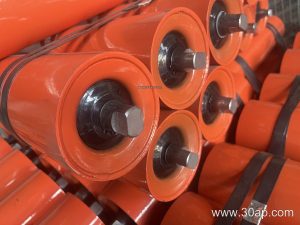
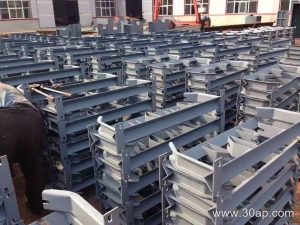
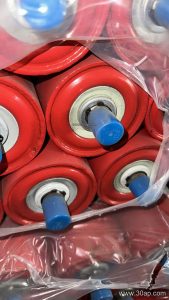
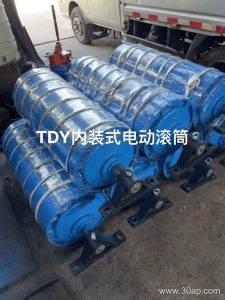
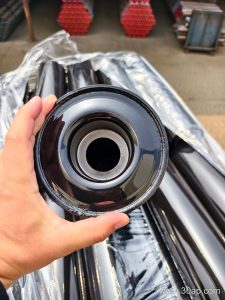
Supporting components such as conveyor pulleys, idler rollers, and conveyor brackets must be sized to guide the belt and maintain sidewall stability. The drive pulley, tail pulley, and bend pulleys are not interchangeable; each has a specific role in keeping the belt tracking and tensioned. In steep-incline systems, bend pulleys are often arranged to create the transition between horizontal and inclined sections.
Typical Applications
- Mining and coal mining conveyor belt systems for ore, coal, and waste rock
- Cement plants and power plants handling clinker, limestone, and ash
- Quarries and aggregate plants moving crushed stone and sand
- Ports and ship loading facilities with limited footprint
- Steel plants and recycling plants for bulk material transfer
In these industries, a corrugated sidewall conveyor belt can replace multiple flat belts and transfer points, reducing dust and material degradation. It is also used where a pipe conveyor belt or chevron conveyor belt may not fit the layout or where a totally enclosed route is not required.
Specifications and Selection Guide
Buyers should define the material properties, capacity, incline angle, and available space before choosing a belt. The table below shows common reference values; actual specifications are determined by design and may vary between manufacturers.
| Parameter | Common Reference Range |
|---|---|
| Belt width | B500, B650, B800, B1000, B1200, B1400, B1600, B1800, B2000 |
| Fabric core strength | EP200, EP315, EP400, EP500, EP630, EP800, EP1000; NN100 to NN400 |
| Sidewall height | Typically 40 mm to 300 mm, depending on capacity |
| Cleat height | Matched to sidewall height and material |
| Cover rubber thickness | 3+1.5 mm, 4+2 mm, 5+2 mm, 6+2 mm, 8+3 mm |
| Ply count | 2 to 6 layers for fabric core |
For abrasive materials such as iron ore or copper ore, an abrasion resistant conveyor belt cover is often recommended. In coal mining or underground mining conveyor belt applications, flame retardant conveyor belt and anti-static properties may be required. Heat resistant conveyor belt grades are available for clinker and sinter, while oil resistant conveyor belt covers suit oily scrap or certain mineral ores.
Installation and Maintenance Notes
Correct alignment of the conveyor pulley and idler roller set is critical to prevent sidewall wear. The belt should be tensioned according to the manufacturer’s instructions, and bend pulleys should be checked for buildup that can damage the corrugated profile. Regular inspection of cleat and sidewall joints helps avoid unexpected downtime. When replacing a belt, confirm that the new corrugated sidewall conveyor belt matches the original cleat pitch and sidewall height to maintain capacity and fit.
For harsh environments, consider a heavy-duty conveyor belt construction with reinforced edges. In cold climates, a cold resistant conveyor belt compound may be needed, while food grade or acid resistant grades are available for specialized industries. Always consult the belt supplier with the actual duty conditions rather than relying on a single parameter such as belt width.
Buyer Checklist
- Material type, lump size, and bulk density
- Conveying angle and required capacity
- Belt width and sidewall height compatibility with existing conveyor brackets
- Cover rubber grade: abrasion resistant, heat resistant, oil resistant, or flame retardant
- Core type: EP conveyor belt, NN conveyor belt, or steel cord conveyor belt
- Availability of matching pulleys, idler rollers, and conveyor brackets
Whether the project is a quarry conveyor belt line, a cement plant upgrade, or an underground coal mining conveyor belt system, the corrugated sidewall conveyor belt offers a compact solution for steep-angle transport. For related conveyor belt, pulley, and roller specifications, visit our product pages.