What an 1800mm Conveyor Belt Is
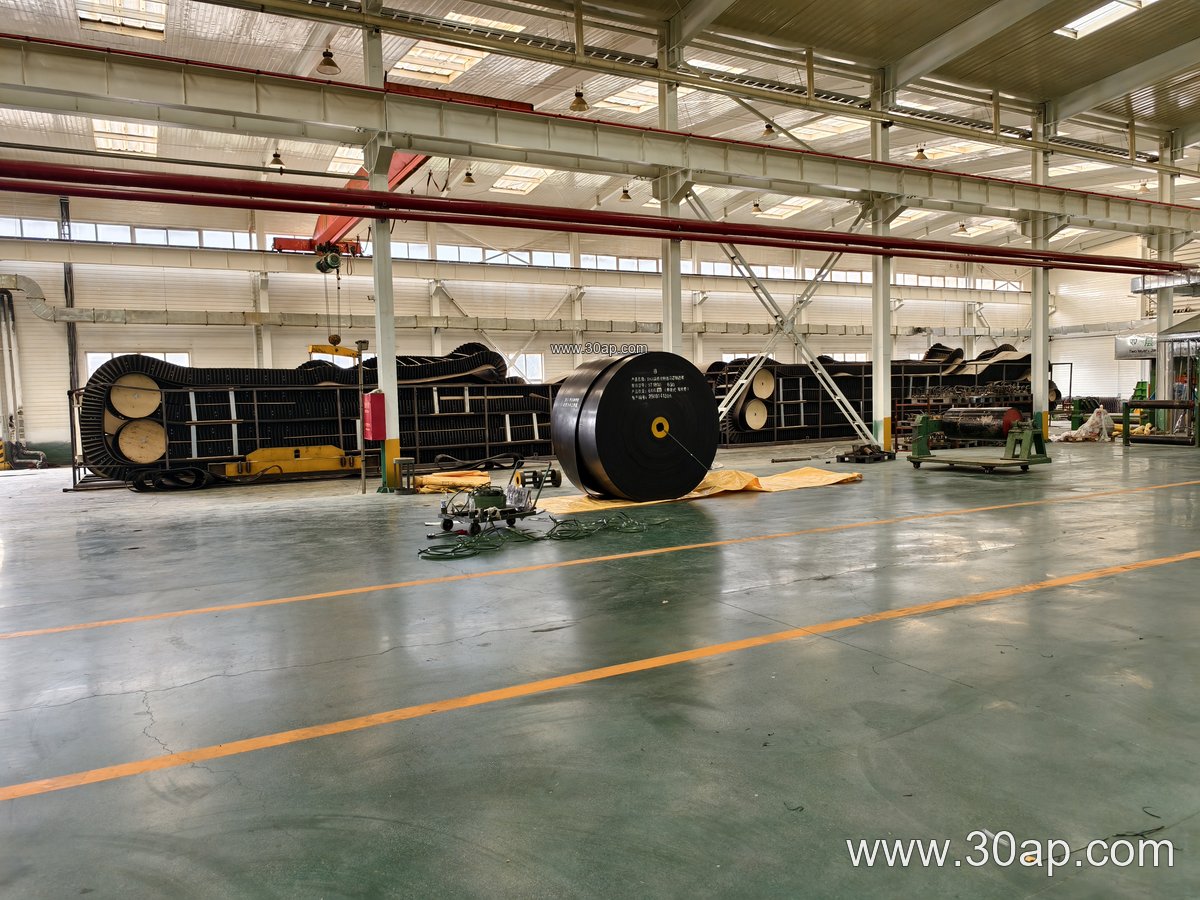
A 1800mm conveyor belt is a wide-profile rubber or fabric belt designed for conveying lines that need high throughput and stable material support. In practice, this is an 1800mm wide conveyor belt, and the two descriptions refer to the same product. It is often specified for main haulage lines in mining, coal preparation, cement plants, power stations, port terminals, and large sand and aggregate operations where narrower belts would demand higher belt speed or multiple parallel lines.
Width alone does not define the belt. A buyer should also confirm the carcass type, tensile strength, cover thickness, and surface form, because a 1800mm wide belt may be built as an EP conveyor belt, an NN conveyor belt, a steel cord conveyor belt, or a special-purpose design.
Construction and Common Configurations
The belt body usually combines a fabric or steel cord carcass with rubber covers on both faces. Fabric carcasses are commonly 2 to 6 plies, while steel cord belts use longitudinal cords for very high tension duty. Cover compounds are selected for abrasion, heat, oil, flame resistance, cold, or anti-static requirements.
The table below shows typical reference ranges, not fixed supply promises. Final values depend on the conveyor design and the manufacturer.
| Item | Common Reference | Notes |
|---|---|---|
| Belt width | 1800 mm (B1800) | Wide belt for high-capacity lines |
| Carcass type | EP, NN, steel cord | Selected by tension and impact |
| Fabric plies | 2 to 6 | Usually confirmed by belt designer |
| Strength grades | EP200 to EP2000; ST1000 to ST3150 | Reference grades only |
| Cover thickness | 4+2, 5+2, 6+2, 8+3 mm | Top and bottom cover |
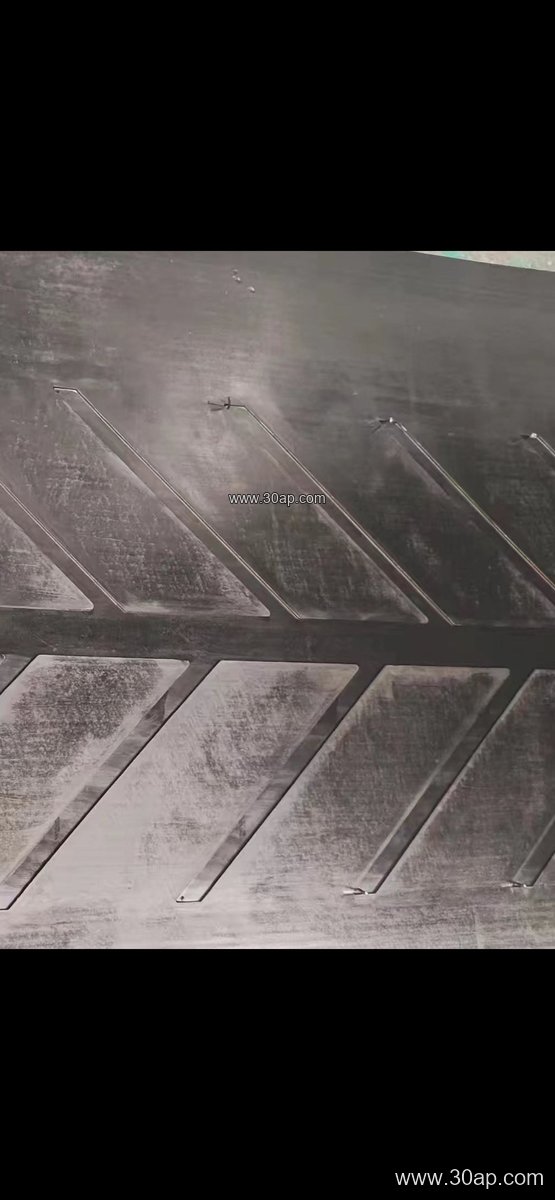
| Surface forms | Smooth, chevron, corrugated sidewall, skirted | Chosen for slope and containment |
For a demanding primary line, an EP1250 1800mm conveyor belt or a high-strength steel cord belt may be considered. A chevron conveyor belt or corrugated sidewall conveyor belt can help on inclined sections, but these are different surface forms for specific duties, not replacements for a standard flat belt.
Where This Width Fits
Wide belts are common in bulk material conveyor systems that move large tonnages with fewer transfer points. Typical duty includes:
- Mining conveyor belt lines in iron ore, copper ore, and gold mining operations
- Coal mining conveyor belt and underground coal mining conveyor belt systems
- Cement plant conveyor belt and quarry conveyor belt circuits
- Crusher conveyor belt and aggregate conveyor belt discharge lines
- Power plant conveyor belt and port conveyor belt loading systems
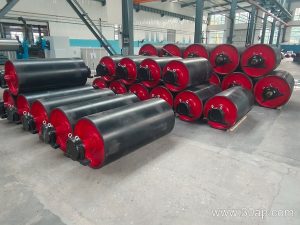
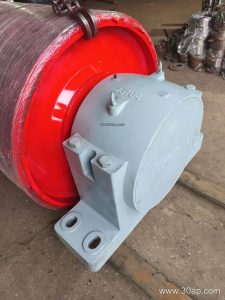
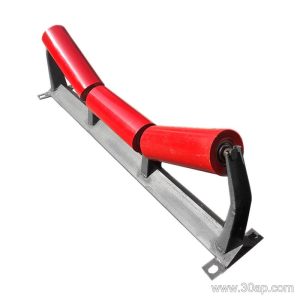
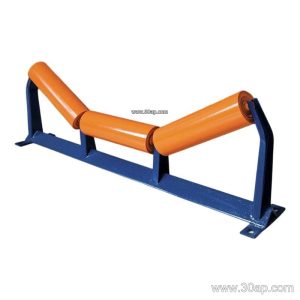
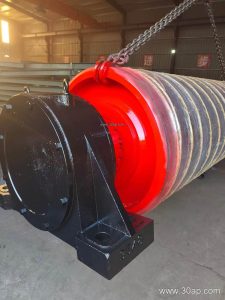
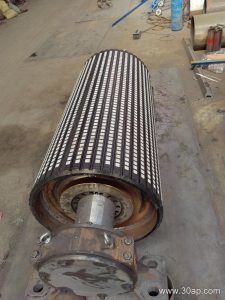
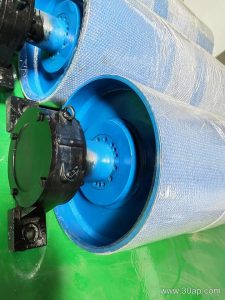
In these plants, the belt works together with idler rollers, conveyor pulleys, and conveyor brackets. Drive pulleys, tail pulleys, and bend pulleys each perform a distinct role and should be specified separately. The belt width does not by itself determine pulley diameter or shaft size; those values come from the conveyor design.
Selection Points for Buyers
Start with the material: lump size, density, moisture, temperature, and abrasion level. Then confirm the required tensile strength and safety factor with the conveyor designer. For hot clinker or sinter, a heat resistant conveyor belt may be needed. For oily scrap or oil-treated material, an oil resistant conveyor belt is more suitable. Underground coal work often calls for a flame retardant conveyor belt with anti-static properties, while a cold climate may require a cold resistant conveyor belt.
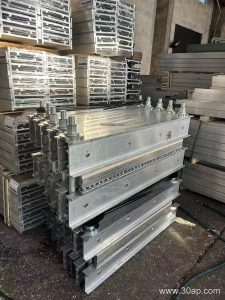
Also check the loading impact zone. A high abrasion resistant conveyor belt with adequate cover thickness can reduce wear at transfer chutes. For heavy-duty mining conveyor belt duty, impact resistant and high strength constructions are worth reviewing. The belt splice method, roll length, and edge condition should be agreed before ordering.
Installation and Maintenance Notes
Wide belts need careful alignment during installation. Check that idler rollers are square to the belt centerline and that conveyor brackets are securely mounted. Inspect conveyor pulleys for lagging wear and buildup. Keep the belt tracking straight, maintain correct tension, and repair edge damage early. A 1800mm conveyor belt is a major component, so planned inspection of covers, splices, and carcass condition helps avoid unplanned stoppages.