What the NN100 Conveyor Belt Is
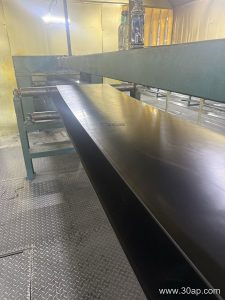
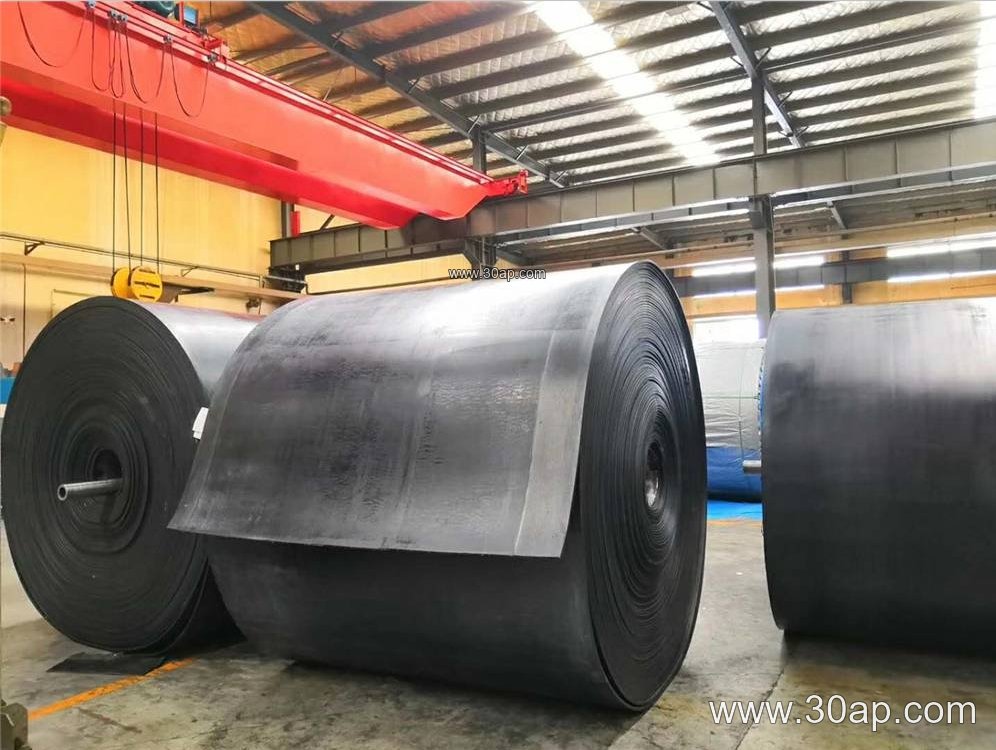
The NN100 Conveyor Belt is a fabric core conveyor belt built with nylon (NN) canvas as its tension-bearing skeleton. The “100” refers to the nominal breaking strength of the fabric layer, typically expressed in newtons per millimeter of belt width. This makes it a moderate-strength general-purpose belt, well suited to continuous conveying of bulk materials in industries such as mining, cement, power generation, quarries, and sand and gravel plants. In many plants it is simply called an NN conveyor belt, and it sits alongside the EP conveyor belt family as a common fabric core option.
Construction and Build
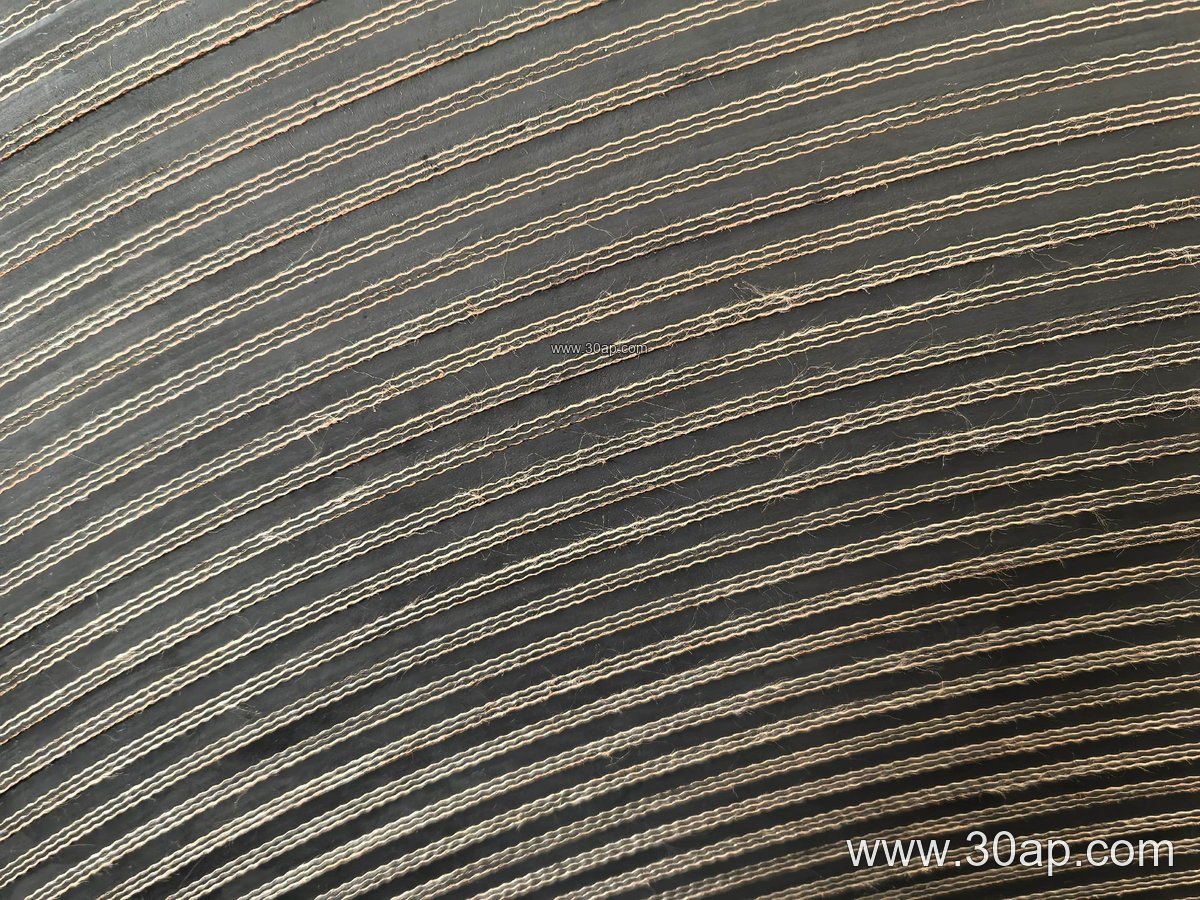
An NN100 belt usually consists of two to six plies of nylon fabric, bonded with skim rubber and covered on both faces with abrasion-resistant rubber. The nylon carcass provides high tensile strength, good flexibility, and excellent resistance to fatigue, which helps the belt run smoothly around pulleys and idler rollers. Cover rubber thickness is commonly specified in combinations such as 3+1.5 mm, 4+2 mm, 5+2 mm, 6+2 mm, or 8+3 mm, depending on the material being carried and the wear conditions. Buyers should confirm the exact ply count and cover gauge with the supplier, since these are design choices rather than fixed values.
Typical Sizes and Configurations
NN100 belts are produced in a range of widths to match different conveyor systems. The table below shows common reference sizes; actual availability depends on the manufacturer.
| Parameter | Common reference values |
|---|---|
| Belt width | 500, 650, 800, 1000, 1200, 1400, 1600, 1800, 2000 mm |
| Fabric plies | 2 to 6 plies |
| Cover thickness | 3+1.5, 4+2, 5+2, 6+2, 8+3 mm |
| Strength designation | NN100 (nominal fabric strength) |
When a project needs higher tensile strength, NN200, NN300, or NN400 may be considered, but these are different grades and should not be substituted without a proper conveyor design check. For heavy-duty or long-distance systems, a steel cord conveyor belt is often a better fit.
Where It Fits in the Plant
The NN100 conveyor belt is widely used on troughed belt conveyors in cement plants, coal handling systems, power plants, and aggregate operations. It performs well on primary and secondary crusher discharge lines, screening plants, and stockyard conveyors. In dusty or abrasive environments, an abrasion resistant conveyor belt grade with thicker covers can extend service life. For underground coal mining, flame retardant and anti-static properties are often required, and those features should be specified separately.
Matching Components and Selection Tips
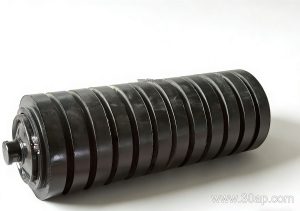
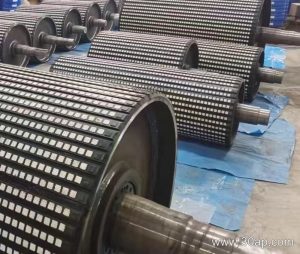
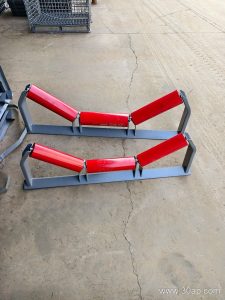
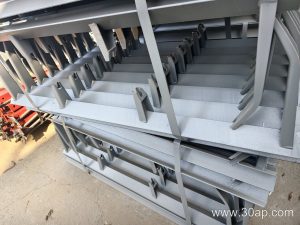
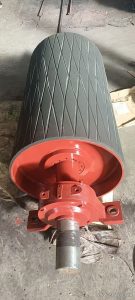
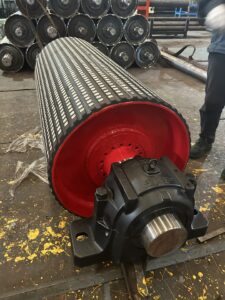
A belt is only one part of the conveyor. The drive pulley, tail pulley, and bend pulleys each have a distinct role and are not interchangeable. Idler rollers support the belt along the carrying and return sides, while conveyor brackets hold the idlers and pulleys in alignment. When selecting an NN100 belt, confirm the belt width, ply rating, cover thickness, and splice method with the conveyor designer. Also check the minimum pulley diameters recommended for the fabric construction, and avoid assuming that a given belt width matches one fixed pulley or shaft size. Proper take-up tension and good belt tracking reduce edge damage and extend belt life.
For more information on fabric core belts, idler rollers, and conveyor pulleys, visit our product pages. Whether you are specifying an NN conveyor belt for a quarry, a cement line, or a coal handling plant, matching the belt grade to the actual load and environment is the key to reliable operation.