What a Cement Plant Conveyor Belt Has to Handle
A cement plant conveyor belt works in one of the harshest material-handling environments in heavy industry. Limestone, clinker, gypsum, raw meal, and cement dust are abrasive, often hot, and frequently carried at high tonnage around the clock. The belt links the quarry crushing station, the raw mill, the kiln area, the clinker cooler, and the packing plant, so downtime on one run can interrupt the whole line. This article explains how cement plant belts are built, which types suit which duty, and what buyers should check before ordering.
Construction of the Belt
Most belts used in cement works are fabric-core or steel-cord constructions. A typical fabric design uses multiple plies of EP or NN canvas, a top cover and a bottom cover, with skim rubber between plies. Steel cord belts use parallel brass-plated cords for very long, high-tension runs. Cover compounds are chosen for abrasion, heat, oil, or flame resistance depending on the position in the process.
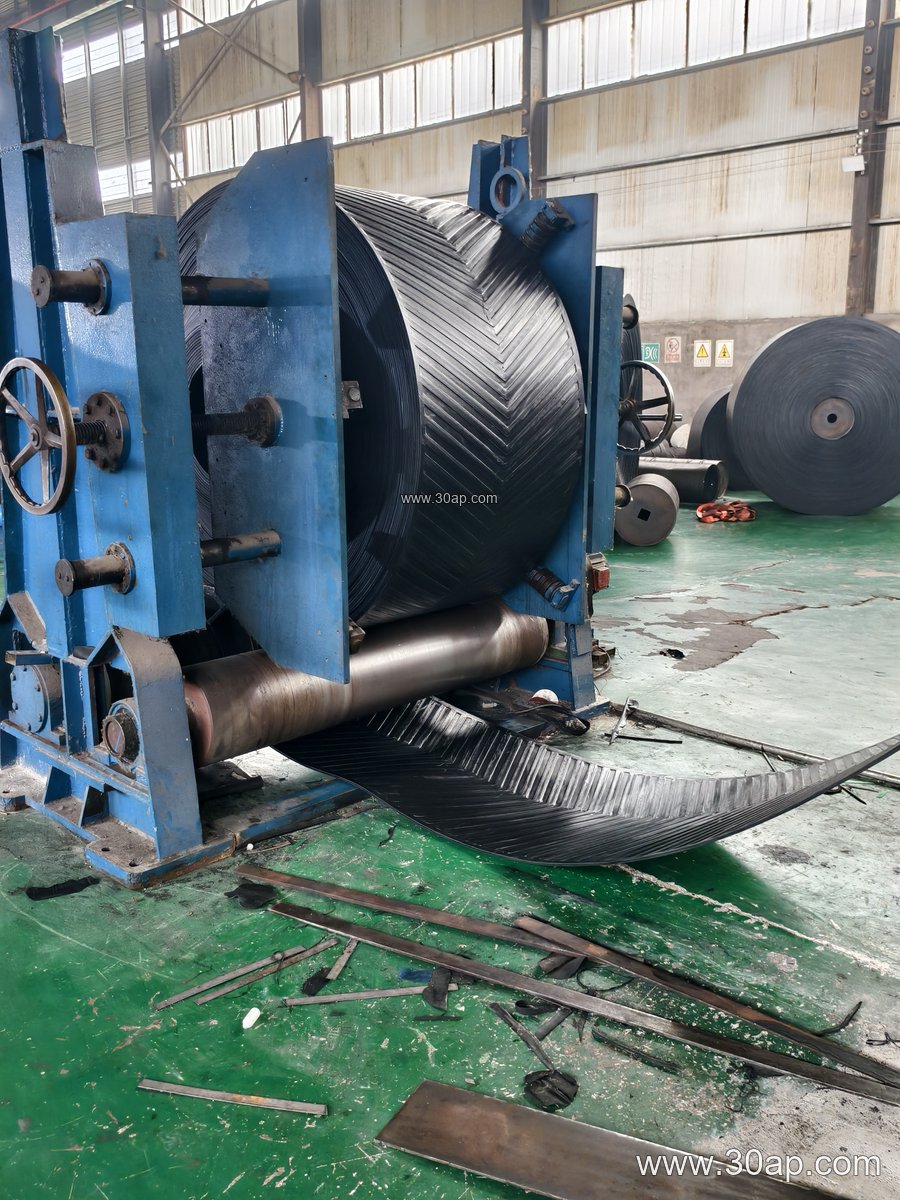
Common fabric grades include EP200, EP315, EP400, EP630, EP1000, and EP1250, while steel cord grades such as ST1000, ST1600, and ST2000 appear on main trunk lines. Belt widths in cement plants usually run from B500 to B2000, with B800, B1000, B1200, and B1400 being frequent choices for clinker and raw material transport. Cover thickness is often 4+2 mm, 5+2 mm, or 6+2 mm, and 8+3 mm for impact zones under crushers.
Matching the Belt to Each Section of the Plant
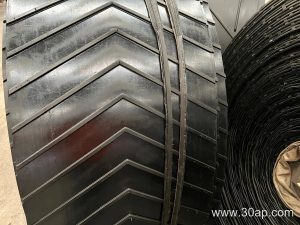
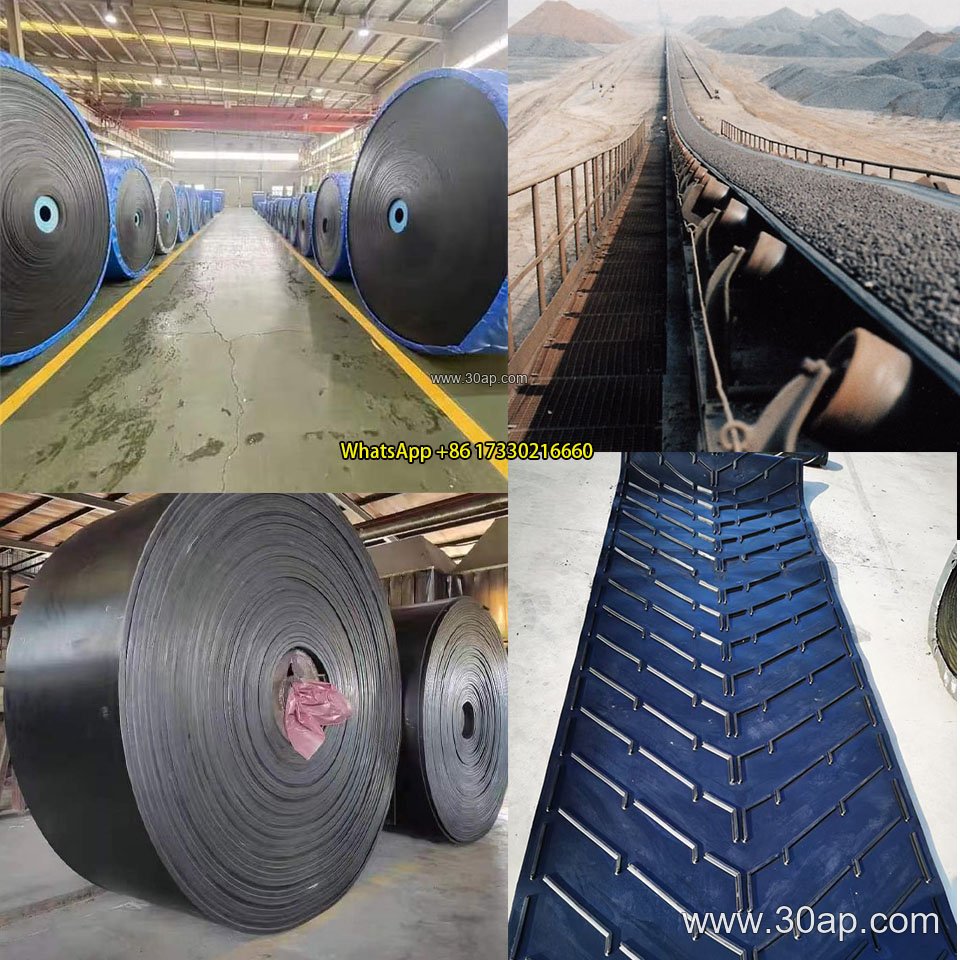
Crushed limestone from the quarry is sharp and heavy, so a high abrasion resistant conveyor belt with thick covers and impact-resistant carcass is usual. Clinker leaving the cooler is hot and lumpy; a heat resistant conveyor belt rated for the measured surface temperature should be specified, not guessed. Coal and petcoke handling in the kiln fuel system calls for a flame retardant conveyor belt, and underground or enclosed galleries may need anti-static properties as well. Where a run climbs steeply, a chevron conveyor belt or corrugated sidewall belt can replace multiple transfer points. Fine cement and raw meal are often moved in an enclosed pipe conveyor belt to control dust.
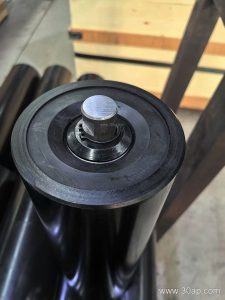
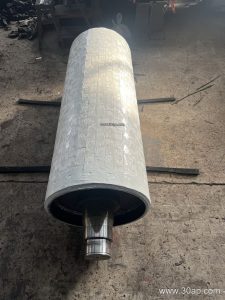
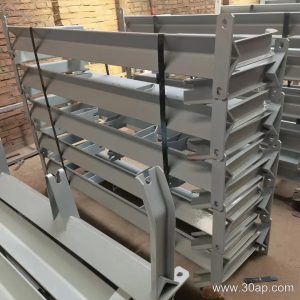
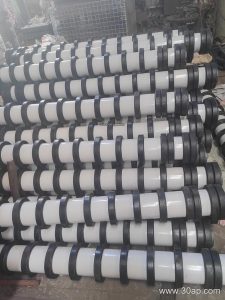
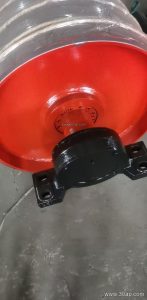
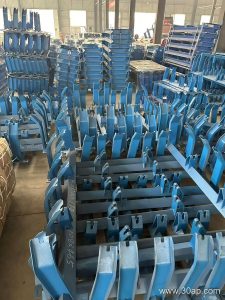
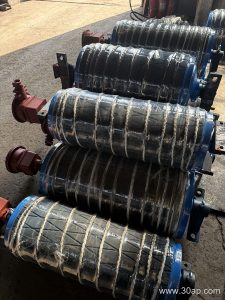
The belt does not work alone. A well-aligned conveyor pulley at the drive and tail, properly spaced idler rollers, and rigid conveyor brackets all affect belt life. A misaligned bend pulley or a seized idler roller can destroy an edge within days, so the mechanical components deserve the same attention as the belt itself.
Typical Specification Reference
The values below are common reference ranges, not fixed combinations. Final selection depends on tension, load, temperature, and pulley diameters given by the conveyor designer.
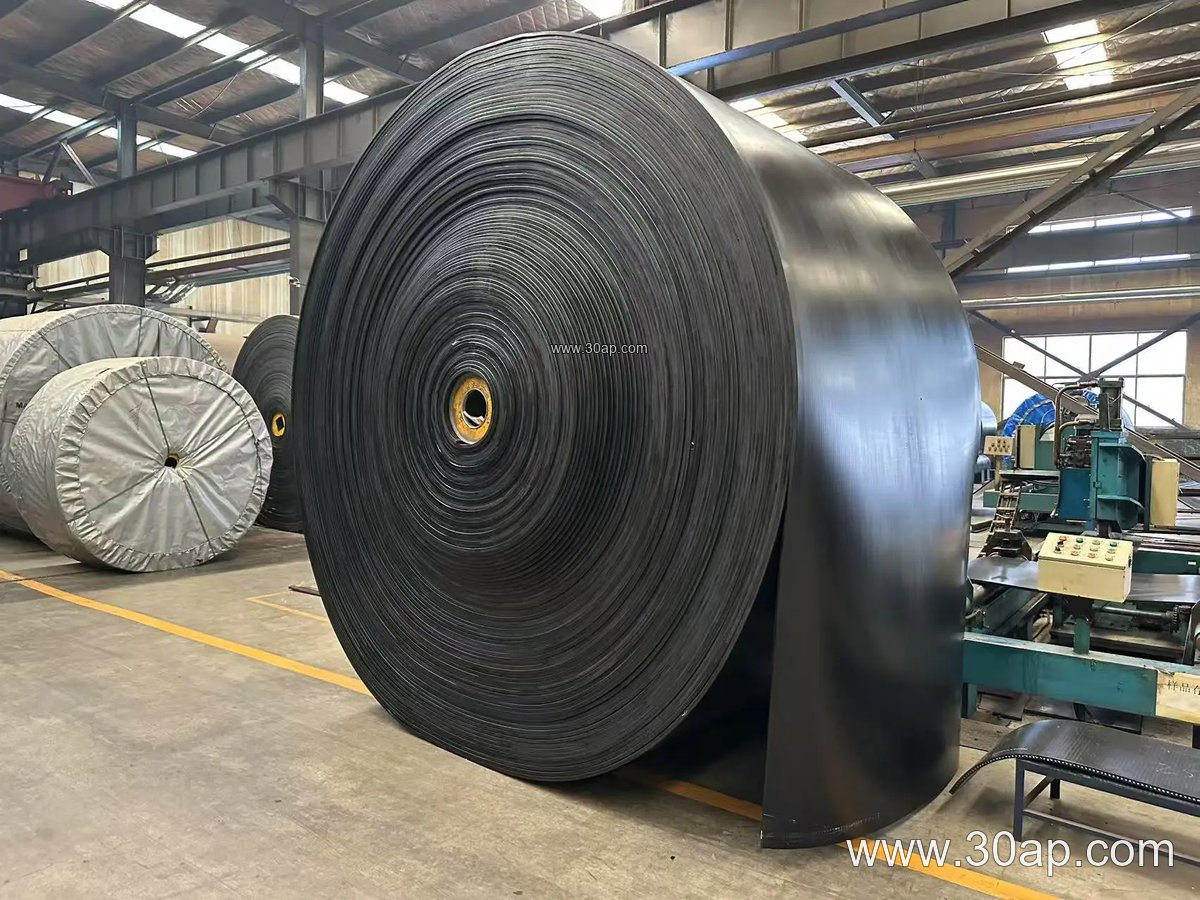
- Fabric types: EP conveyor belt, NN conveyor belt, multi-ply fabric core
- Steel cord types: ST1000 to ST3150
- Widths: B500, B650, B800, B1000, B1200, B1400, B1600, B1800
- Cover thickness: 3+1.5, 4+2, 5+2, 6+2, 8+3 mm
- Ply count: 2 to 6 plies for fabric belts
- Special grades: abrasion resistant, heat resistant, oil resistant, flame retardant, cold resistant
Buying Checklist
Confirm the material, lump size, temperature, and whether the surface is wet or oily. State the belt width, ply or cord grade, cover thickness, and required fire or antistatic behaviour. Ask for the recommended minimum pulley diameter for the carcass so the drive and tail pulleys are not undersized. For replacement belts, check splice type and whether an endless conveyor belt is preferred to reduce joint failures. Buyers comparing offers should request cover compound data and carcass tension ratings rather than price alone. For more technical notes on cement plant conveyor belt selection, visit www.example.com/cement-plant-conveyor-belt and review the roller and pulley references at www.example.com/conveyor-pulley.
Maintenance Points That Extend Service Life
Keep skirt rubber and chute liners from rubbing the cover. Inspect idler rollers for flat spots and build-up, since a stuck roller scuffs the bottom cover. Check pulley lagging and alignment at each shutdown. Store spare belts away from sunlight, ozone sources, and sharp edges, and never drag a new belt over concrete during installation.