What the Ø159 Conveyor Idler Is
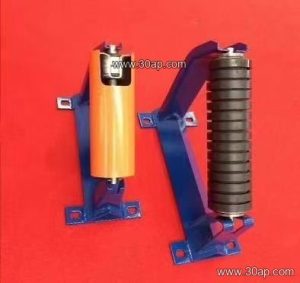
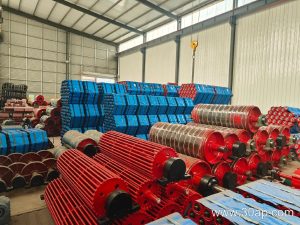
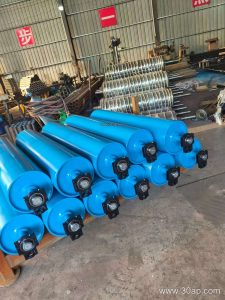
The Ø159 conveyor idler is a heavy-series carrying roller with a nominal outside diameter of 159 mm. It is the idler roller size that many bulk handling conveyors reach for when belt widths climb into the 1200–2000 mm range and the material load per metre becomes substantial. In a quarry, a coal preparation plant or a power station coal yard, this roller often sits under the main carrying run, supporting a loaded conveyor belt day after day. The same roller can also be built as a return idler, depending on the frame and the duty.
Because the diameter is generous, the roller turns more slowly for a given belt speed, which usually means less rotational stress on the bearing and a longer service window between inspections. That is the practical reason engineers specify a Ø159 idler rather than a smaller Ø127 or Ø133 unit on wide, heavily loaded belts.
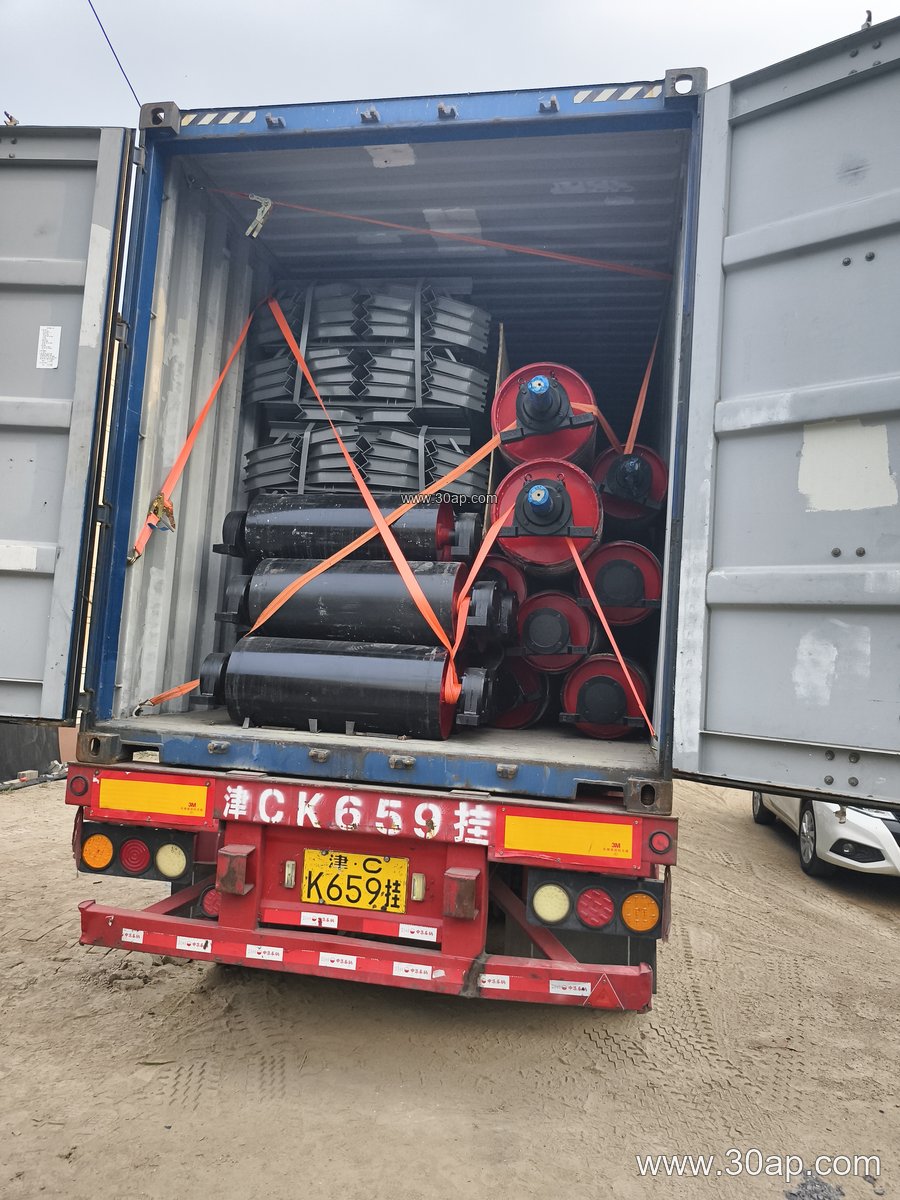
Construction Details
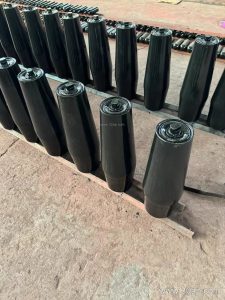
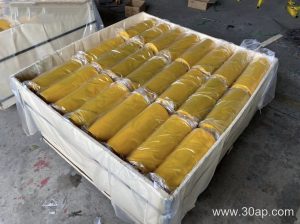
A typical Ø159 conveyor idler uses a steel tube shell, welded end discs, a through shaft, and sealed ball bearings. Common bearing sizes for this class include 6308 and 6310, though the final choice depends on load, speed and seal design rather than on the roller diameter alone. The shell may be plain steel, or it may carry a rubber ring, nylon or ceramic surface when the application calls for extra grip, noise reduction or wear protection.
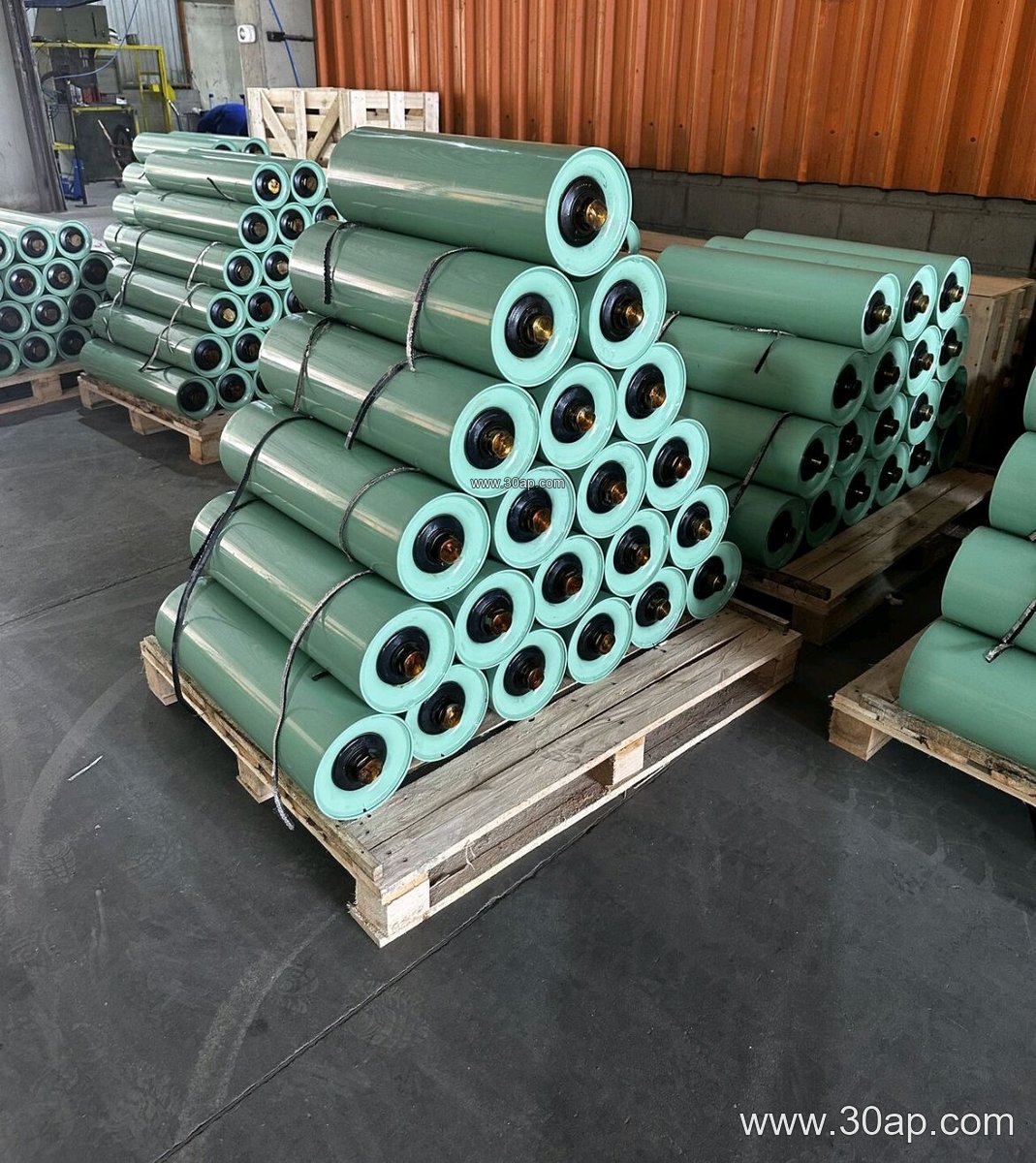
Sealing is the detail that often separates a long-life idler from a short-life one. Dust, fine grit and moisture are the usual enemies in a stone crushing line or a cement plant, so a well-designed labyrinth seal and quality grease fill matter as much as the tube thickness. Buyers should ask about the seal arrangement and the bearing brand rather than looking only at the diameter.
Common reference dimensions
The figures below are typical examples, not fixed rules. Roller length changes with belt width, trough angle and idler group form, and the side rollers of a three-roll set can differ from the centre roller.
| Belt width | Typical roller length for a three-roll troughing set | Common trough angles |
|---|---|---|
| B800 | about 315 mm | 20°, 30°, 35° |
| B1000 | about 380 mm | 30°, 35°, 45° |
| B1200 | about 465 mm | 30°, 35°, 45° |
| B1400 | about 530 mm | 30°, 35°, 45° |
| B1600 | about 600 mm | 35°, 45° |
| B1800 | about 670 mm | 35°, 45° |
| B2000 | about 750 mm | 35°, 45° |
These lengths are reference data. A buyer should confirm the actual roller length, shaft diameter and fixing centres against the conveyor bracket drawing before ordering.
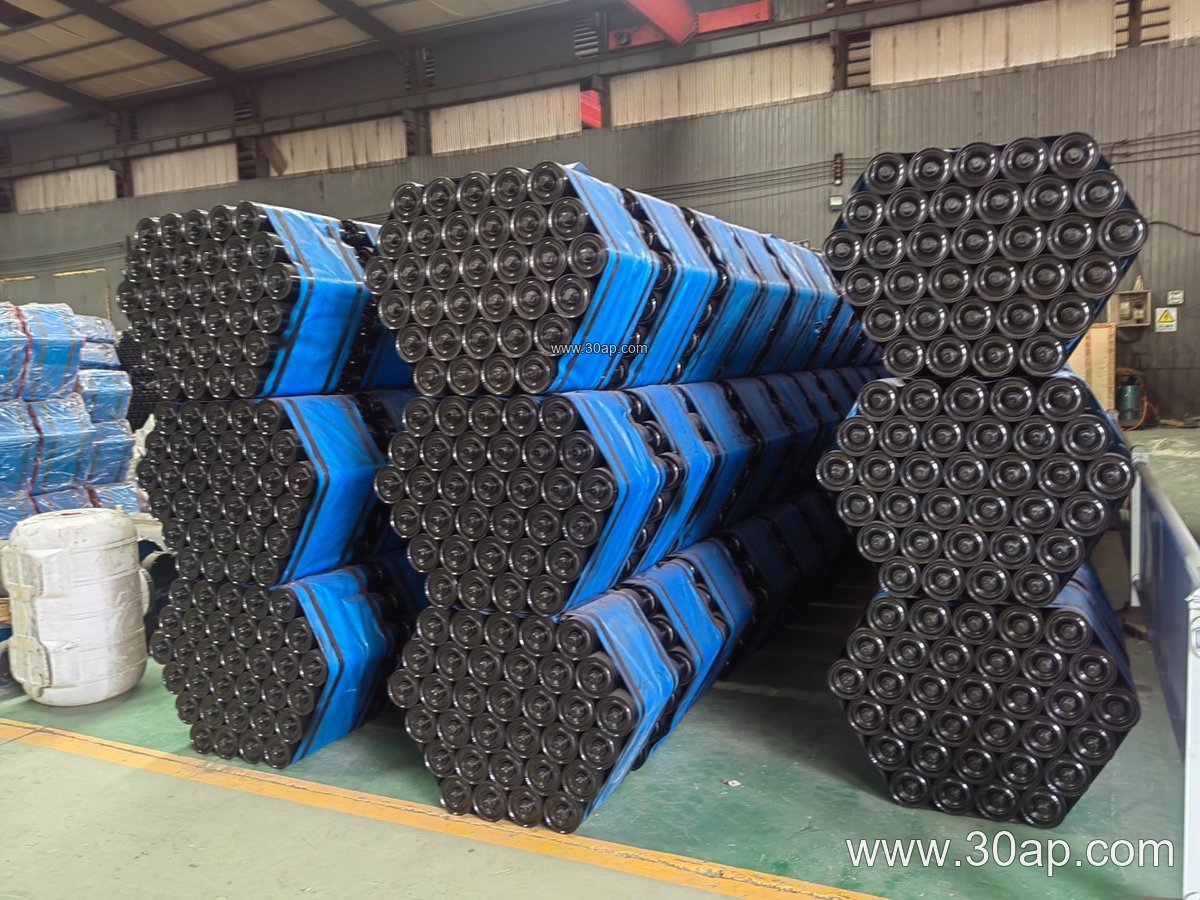
Where It Fits on the Conveyor
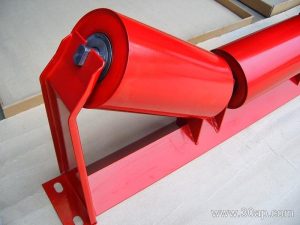
The Ø159 idler is most often used as a troughing idler on the carrying side of a heavy-duty conveyor. A three-roll set with 35° or 45° trough angle gives good material containment on a wide belt, which suits aggregate, ore and coal. On the return side, a flat or V-return idler of the same diameter can support the empty belt.
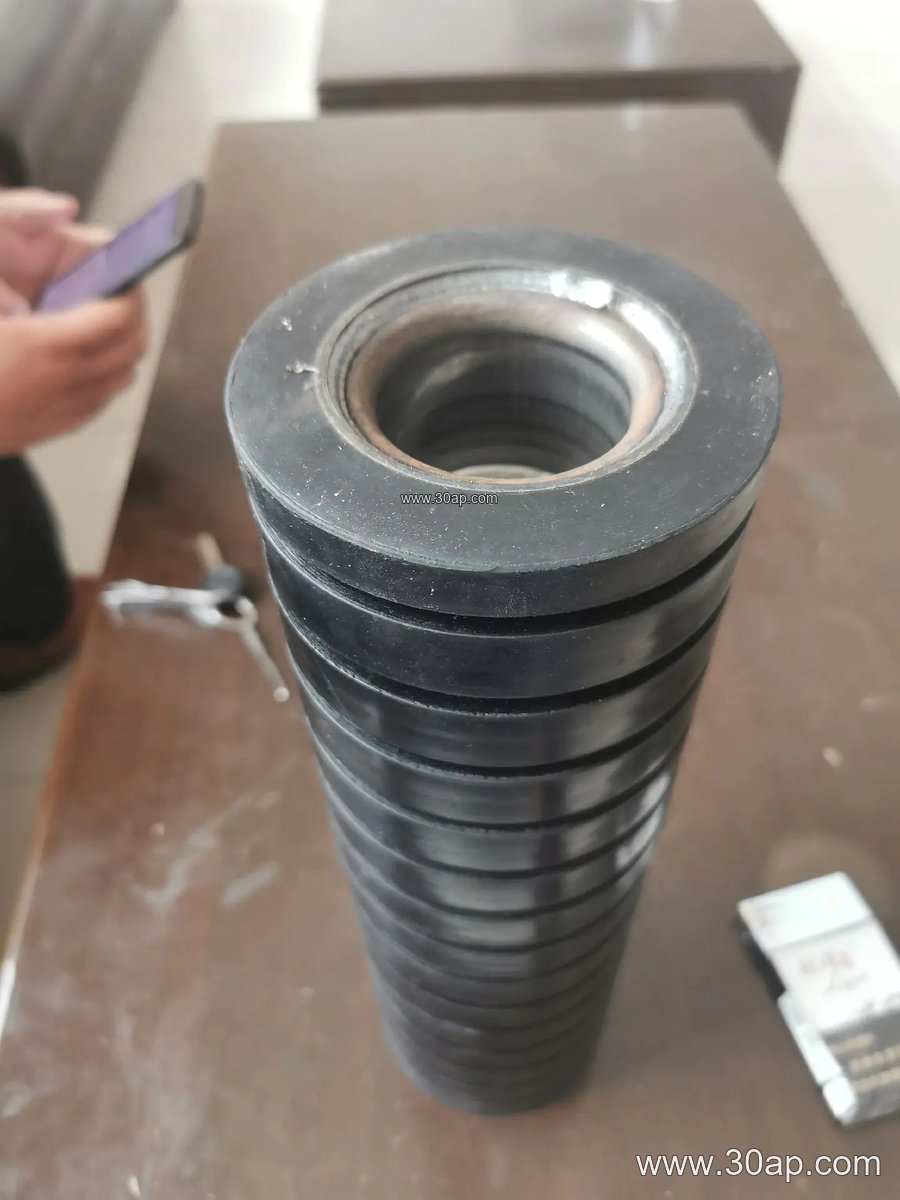
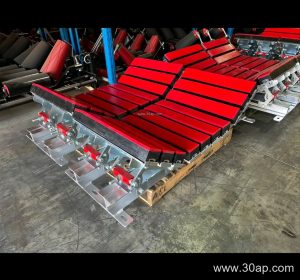
It is also used in transition zones where the belt changes from flat to troughed, and in impact areas where a rubber-ring buffer version absorbs the shock of falling lump material. In a copper ore or iron ore operation, the combination of a heavy belt and sharp, dense rock makes a robust Ø159 roller a sensible choice. The same logic applies in a limestone quarry or a sintering plant.
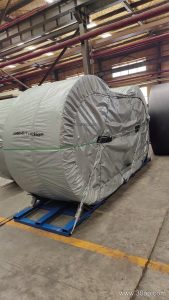
For the conveyor belt itself, the idler is only one part of the system. A matching EP conveyor belt or steel cord conveyor belt, correctly rated for tension and impact, will work better with well-chosen rollers. In coal mining, a flame retardant conveyor belt and anti-static conveyor belt are common companions for the idler set.
Selection and Maintenance Notes
- Check the belt width and trough angle before choosing roller length; do not assume one length fits every frame.
- Confirm shaft diameter and bracket spacing from the drawing, not from the belt width alone.
- Match the bearing and seal to the environment: dusty quarry, wet wash plant or hot cement kiln area each demand different protection.
- For impact zones, consider a rubber-ring buffer idler rather than a plain steel shell.
- Inspect for seized bearings, worn shells and misalignment; a worn idler can damage the conveyor belt edge and increase power draw.
When replacing rollers, keep the same diameter and group form across a section where possible, so the belt runs on a consistent line. Mixing diameters in one troughing set can cause uneven support and premature belt wear. For wide belts in ports, steel plants and coal yards, the Ø159 conveyor idler remains a practical, widely used size, provided the specification is checked against the actual conveyor design.