What a Sand and Gravel Plant Conveyor Pulley Does
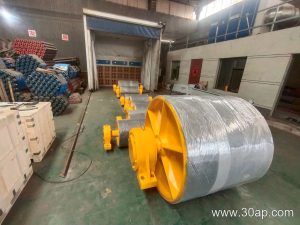
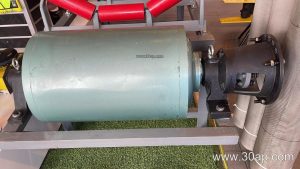
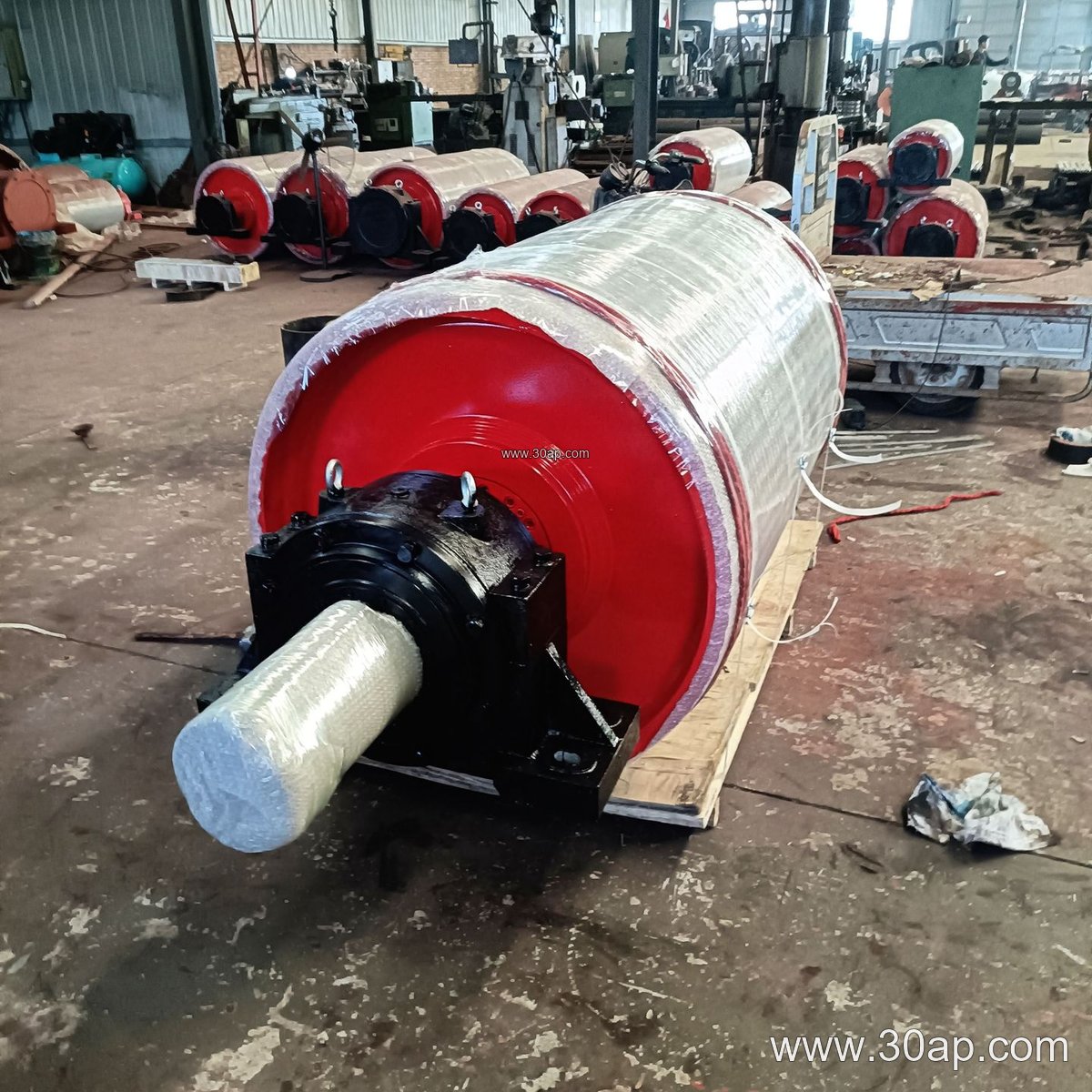
In a sand and gravel operation, conveyor belts move abrasive aggregate through crushing, screening, and stockpiling. The sand and gravel plant conveyor pulley is the cylindrical component that drives, tensions, or redirects the belt. It is not a single part type but a family of pulleys, each with a specific role: drive pulleys transmit power, tail pulleys return the belt, and bend pulleys change its direction. These roles are not interchangeable, and choosing the right one for each location is critical.
Construction and Key Components
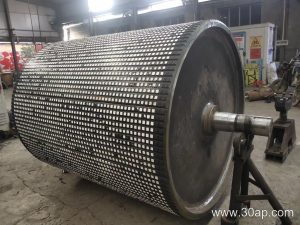
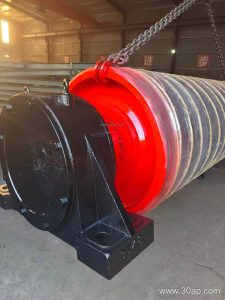
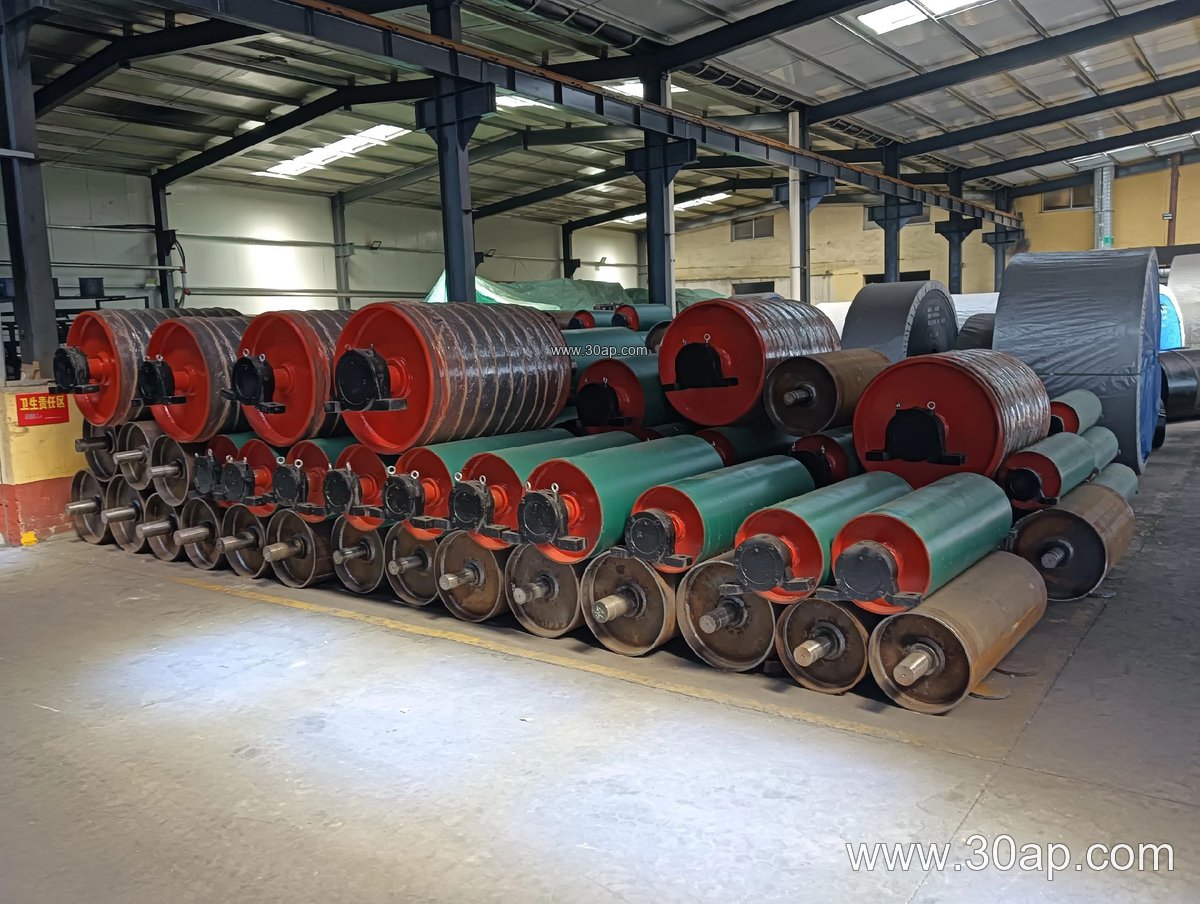
A typical pulley consists of a shell, shaft, hubs, and lagging. The shell is often made from seamless steel tube or fabricated plate. The shaft is sized by torque and load, not by belt width alone. Common shaft diameters include Ø50, Ø60, Ø80, Ø100, Ø120, and Ø160 mm, but final selection depends on the drive calculation. Lagging—the rubber or ceramic layer on the shell—improves grip and protects the shell from abrasive aggregate.
Surface Options
Lagging choice matters in dusty, wet, or high-torque applications. Common surface forms include plain, cast rubber, cold-bonded rubber, hot-vulcanized rubber, diamond groove, herringbone, and ceramic lagging. Thickness often ranges from 8 mm to 20 mm. For a primary drive pulley in a quarry conveyor belt system, diamond or herringbone lagging helps shed water and fines.
Matching Pulley to Belt and Plant Conditions
Pulley dimensions must suit the conveyor belt width and the required traction. The pulley face width is usually wider than the belt. For example, a B800 belt often uses a pulley face around 950 mm, while a B1200 belt may use about 1400 mm. Diameter is selected based on belt speed, tension, and the allowable bend radius of the belt. A B800 × Ø500 pulley is a common combination, but it is not the only option. Do not assume one belt width matches only one diameter. The same B1200 belt might use a Ø1000 drive pulley and a smaller bend pulley elsewhere.
Common Size References
The table below shows typical reference combinations. These are examples, not fixed supply promises.
| Belt Width | Typical Pulley Face Width | Example Diameter |
|---|---|---|
| B500 | 600 mm | Ø315 |
| B650 | 750 mm | Ø400 |
| B800 | 950 mm | Ø500 |
| B1000 | 1150 mm | Ø630 |
| B1200 | 1400 mm | Ø800 or Ø1000 |
| B1400 | 1600 mm | Ø800 |
| B1600 | 1800 mm | Ø1000 |
For high-abrasion aggregate, an abrasion resistant conveyor belt paired with a lagged drive pulley reduces slip. In dusty crushing circuits, a quarry conveyor belt with good edge stability tracks better on crowned pulleys.
Where It Is Used
Sand and gravel plants rely on pulleys at every transfer point. The head or discharge pulley sits at the crusher feed or screen discharge. Tail pulleys at the loading point often use wing pulleys to shed material. Bend and take-up pulleys maintain tension along the run. In a wash plant, water and fines demand well-sealed bearings and rubber lagging. In a dry screening tower, dust control and belt tracking are the main concerns.
Buyer Checklist
- Confirm the pulley role: drive, tail, bend, or take-up. Do not substitute one for another.
- Provide belt width, belt type (such as EP conveyor belt or steel cord conveyor belt), and expected tonnage.
- Specify lagging type and thickness for the environment—wet, dusty, or high-torque.
- Check shaft diameter against the drive calculation, not just belt width.
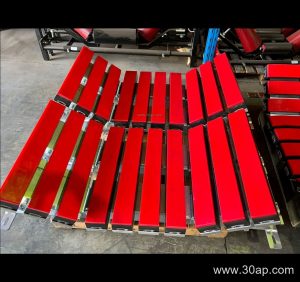
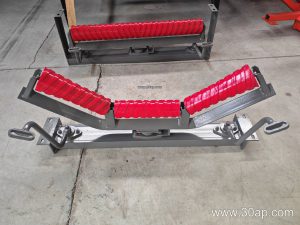
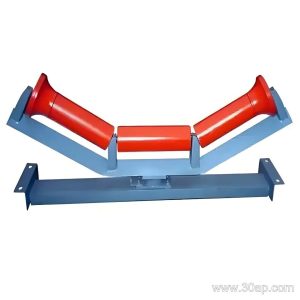
- Ask about bearing housing type and whether a conveyor bracket or take-up frame is included.
- For abrasive stone, consider ceramic lagging on the drive pulley and a heavy-duty conveyor belt.
Regular inspection of lagging wear, shaft key condition, and bearing temperature extends pulley life. Keeping the conveyor belt properly tensioned and the idler roller frames aligned reduces uneven pulley loading. A well-matched sand and gravel plant conveyor pulley keeps the entire aggregate line running smoothly.