What an EP Fabric Core Conveyor Belt Is
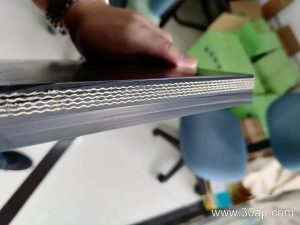
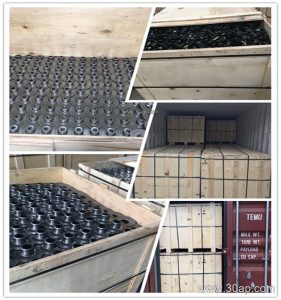
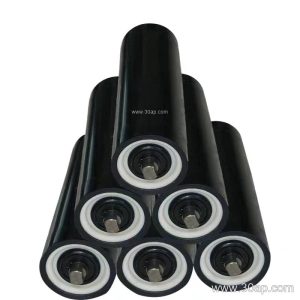
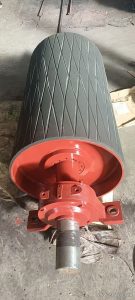
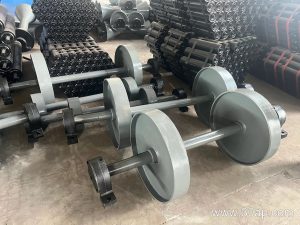
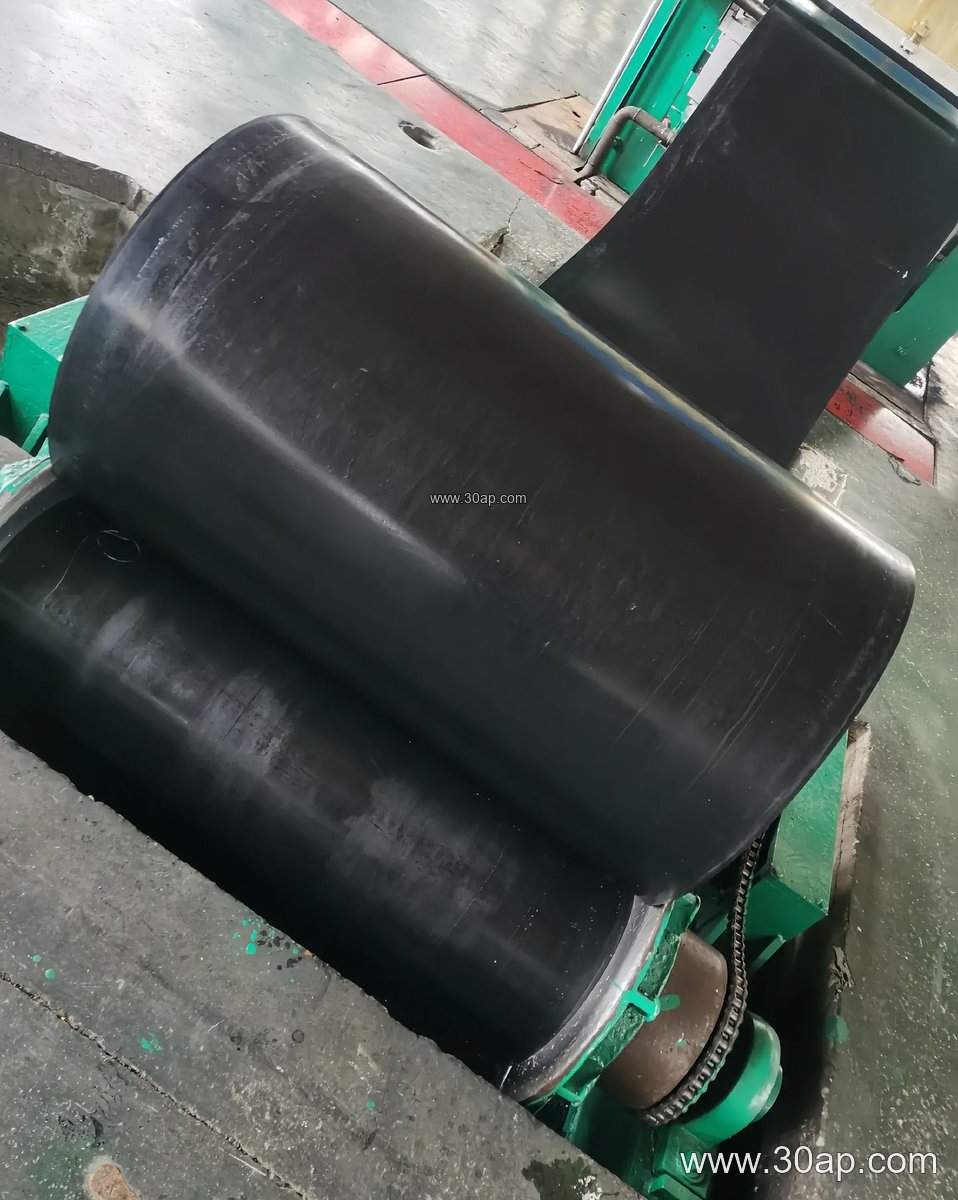
An EP Fabric Core Conveyor Belt is a rubber conveyor belt built around a carcass of polyester and nylon (EP) fabric plies. The warp threads are polyester, which limits stretch, while the weft threads are nylon, which gives the belt flexibility and resistance to impact. This combination makes the belt a common choice for moving bulk materials over long distances in mines, cement plants, power stations, quarries, and port terminals. In many plants, the belt runs on idler rollers and is trained by conveyor pulleys at the head and tail, with conveyor brackets holding the structure together. The same product is often called an EP rubber conveyor belt or simply an EP conveyor belt, and it belongs to the wider family of fabric core conveyor belts.
Construction and Typical Specifications
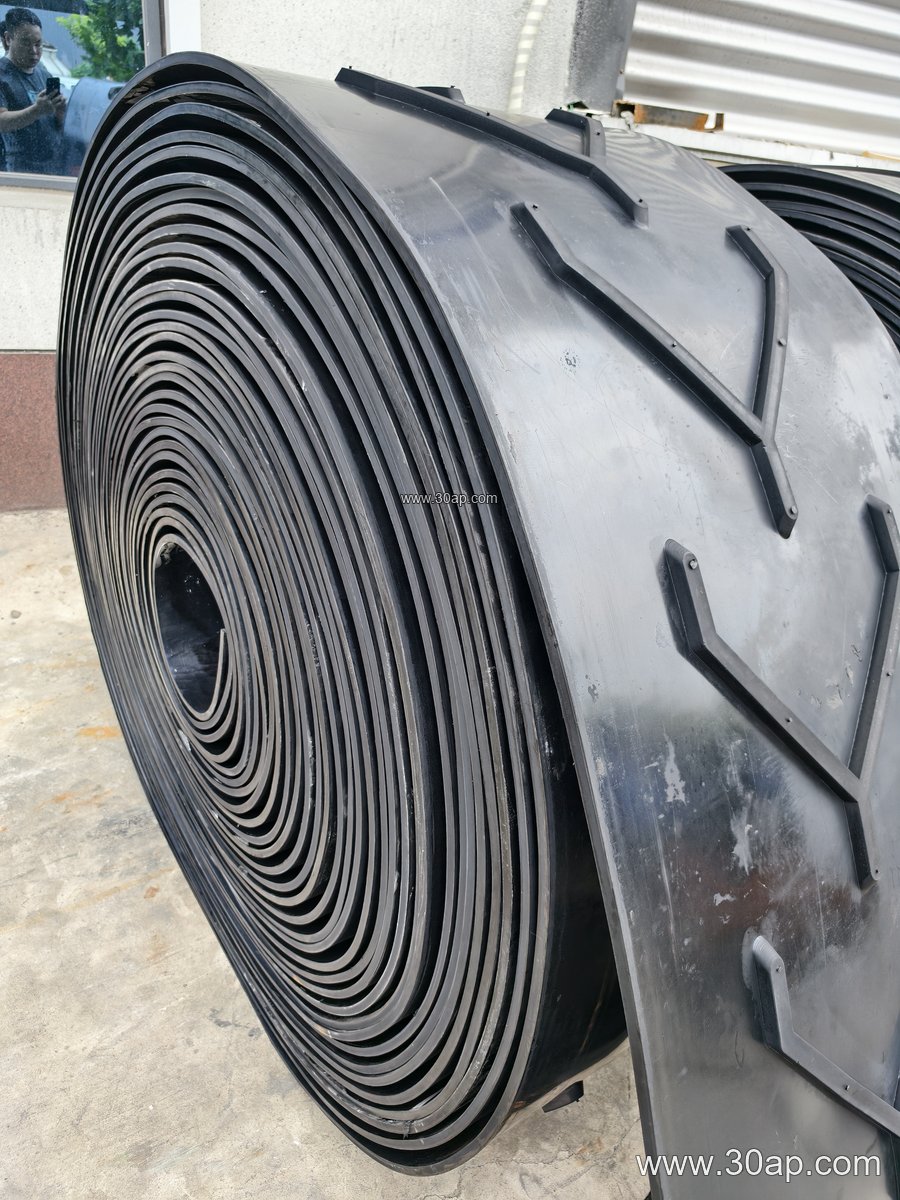
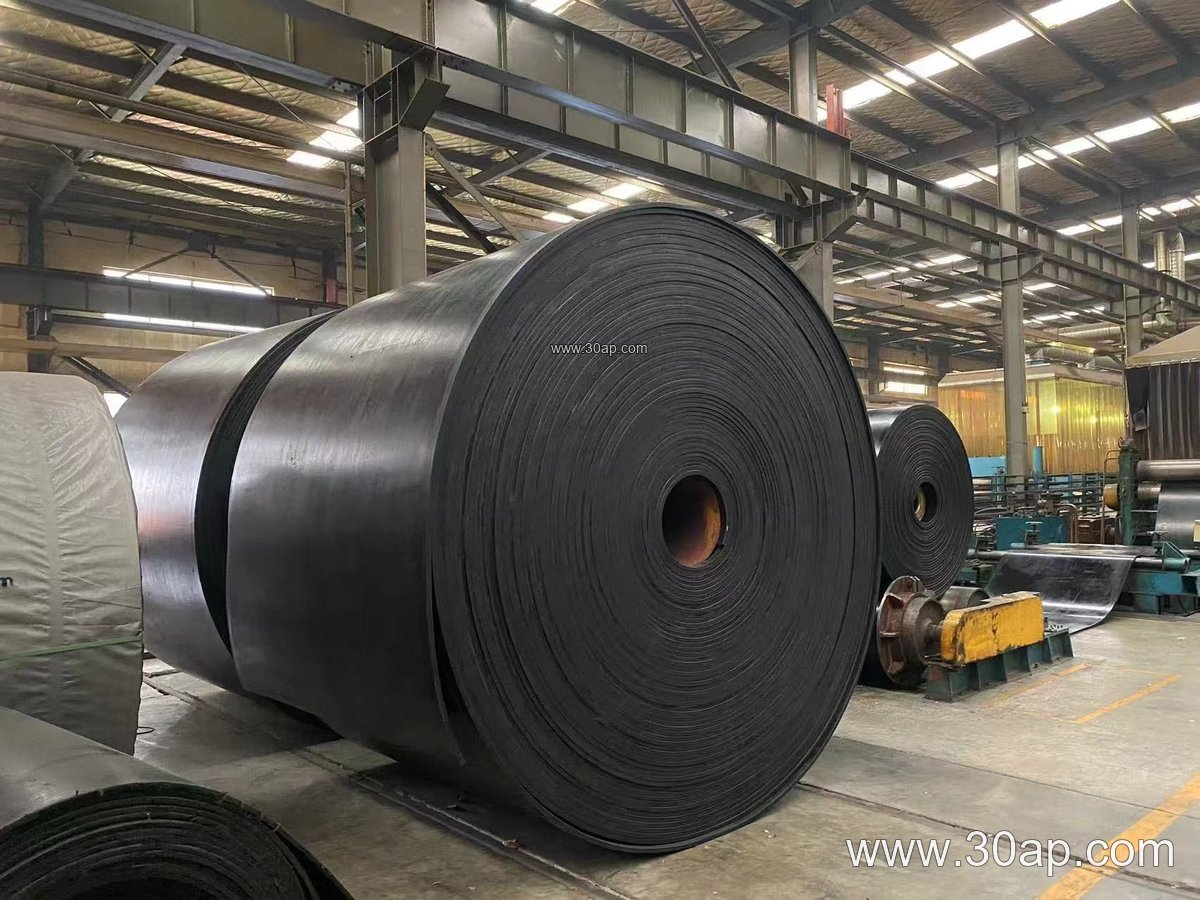
The carcass usually consists of two to six plies of EP fabric, bonded with rubber skim between the layers. Top and bottom cover rubber protect the carcass from abrasion, moisture, and material impact. Common cover thickness combinations include 3+1.5 mm, 4+2 mm, 5+2 mm, 6+2 mm, and 8+3 mm. Belt width is normally selected to match the conveyor frame and the load, with common widths such as B500, B650, B800, B1000, B1200, B1400, B1600, B1800, and B2000. Strength grades are expressed as EP followed by a number, for example EP200, EP400, EP630, EP1000, EP1250, or EP1600. These values are reference data, and actual belt construction should be confirmed with the manufacturer for each application.
| Property | Common Reference |
|---|---|
| Strength grade | EP200, EP315, EP400, EP500, EP630, EP800, EP1000, EP1250, EP1600, EP2000 |
| Belt width | B500, B650, B800, B1000, B1200, B1400, B1600, B1800, B2000 |
| Cover thickness | 3+1.5 mm, 4+2 mm, 5+2 mm, 6+2 mm, 8+3 mm |
| Carcass plies | 2 to 6 plies, depending on design |
Where It Fits in the Conveyor System
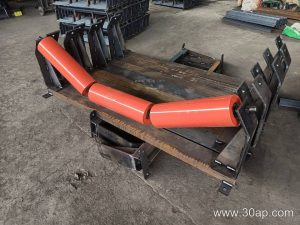
An EP fabric core belt is often used as the main haulage belt in a conveyor line. The belt wraps around the drive pulley and tail pulley, and bend pulleys may be used to route the return strand. Idler rollers support the belt and the material load, while conveyor brackets hold the idlers and pulleys in alignment. In a crushing circuit, an EP belt may feed a crusher conveyor belt or discharge onto a screen. In a cement plant, it can carry clinker or raw meal; in a coal mining conveyor belt system, flame retardant grades are often specified. The belt is also found in sand making plants, aggregate conveyor belts, and ship loading conveyors.
Choosing the Right Grade for the Duty
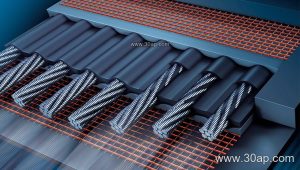
Selection starts with the material being carried, the lump size, the tonnage per hour, and the conveyor geometry. For abrasive rock or ore, an abrasion resistant conveyor belt grade helps extend cover life. Where hot material is handled, a heat resistant conveyor belt may be needed. In coal mines, a flame retardant conveyor belt or fire resistant conveyor belt is commonly required for underground mining conveyor belts. Oil resistant, cold resistant, and anti-static grades are available for specific conditions. For long overland conveyors or very high tensions, a steel cord conveyor belt may be a better fit, but for many medium-duty and heavy-duty mining conveyor belt duties, the EP fabric core construction offers a practical balance of strength and flexibility. The belt width should be matched to the pulley face and the load, not chosen from a fixed rule.
Buyer Checklist and Maintenance Notes
- Confirm the required strength grade and number of plies with the belt supplier.
- Check that the cover thickness suits the material abrasion and impact.
- Review the pulley diameters and idler roller spacing to avoid excessive belt stress.
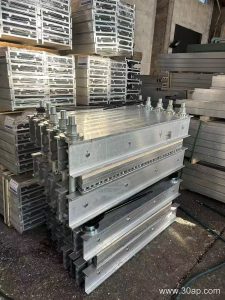
- Ensure the belt edges are straight and the splice method suits the application.
- Inspect the belt regularly for cover wear, edge damage, and splice condition.
- Keep idlers turning freely and check conveyor pulley alignment to prevent mistracking.
For more information on EP conveyor belts and related components, visit our site at www.example.com/conveyor-belt and www.example.com/ep-conveyor-belt. A correctly specified EP Fabric Core Conveyor Belt can deliver long service life in demanding bulk material handling environments.