What a Mining Conveyor Idler Does on the Line
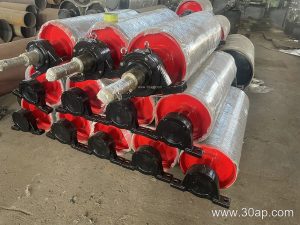
A mining conveyor idler is the rotating support that carries the belt and the material load along a conveyor structure. In a quarry, a coal preparation plant, or an iron ore transfer house, these rollers are the parts that keep the belt tracking smoothly while absorbing dust, impact, and constant abrasion. The idler roller is not a drive component, so it does not pull the belt; it simply supports the belt between the head and tail ends. That distinction matters when a buyer compares an idler with a conveyor pulley, because a drive pulley, tail pulley, and bend pulley each have their own role and are never interchangeable with a carrying roller.
How the Roller Is Built
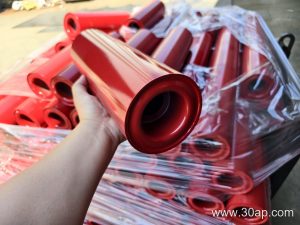
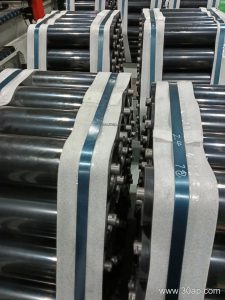
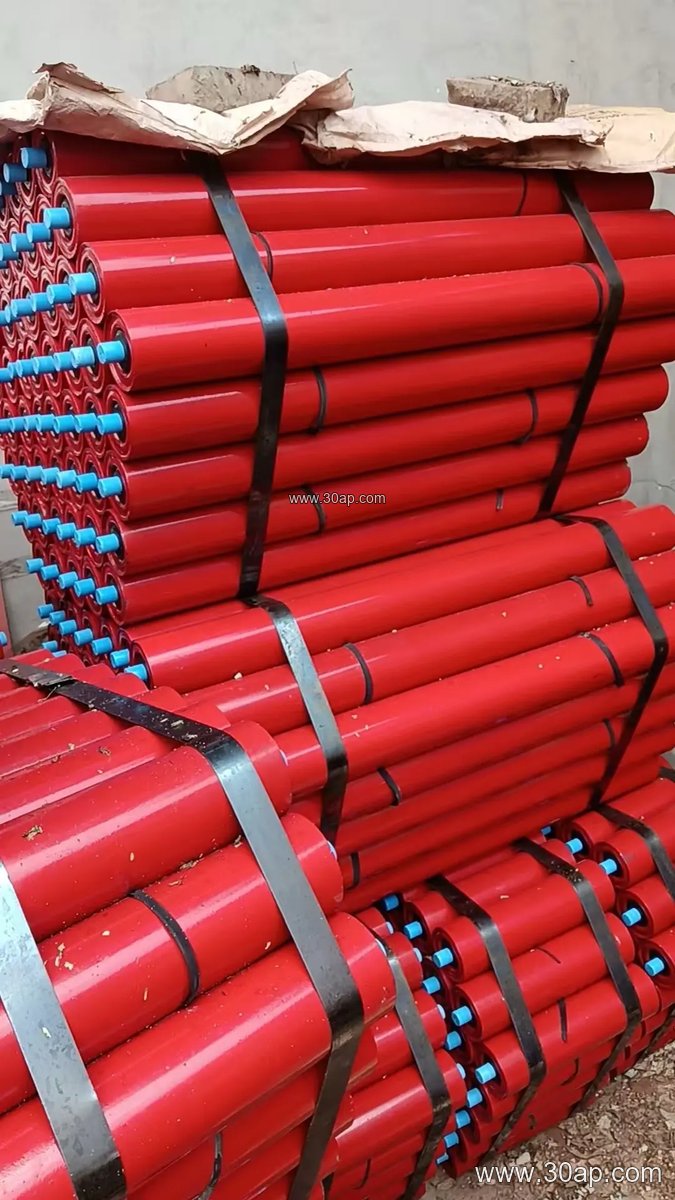
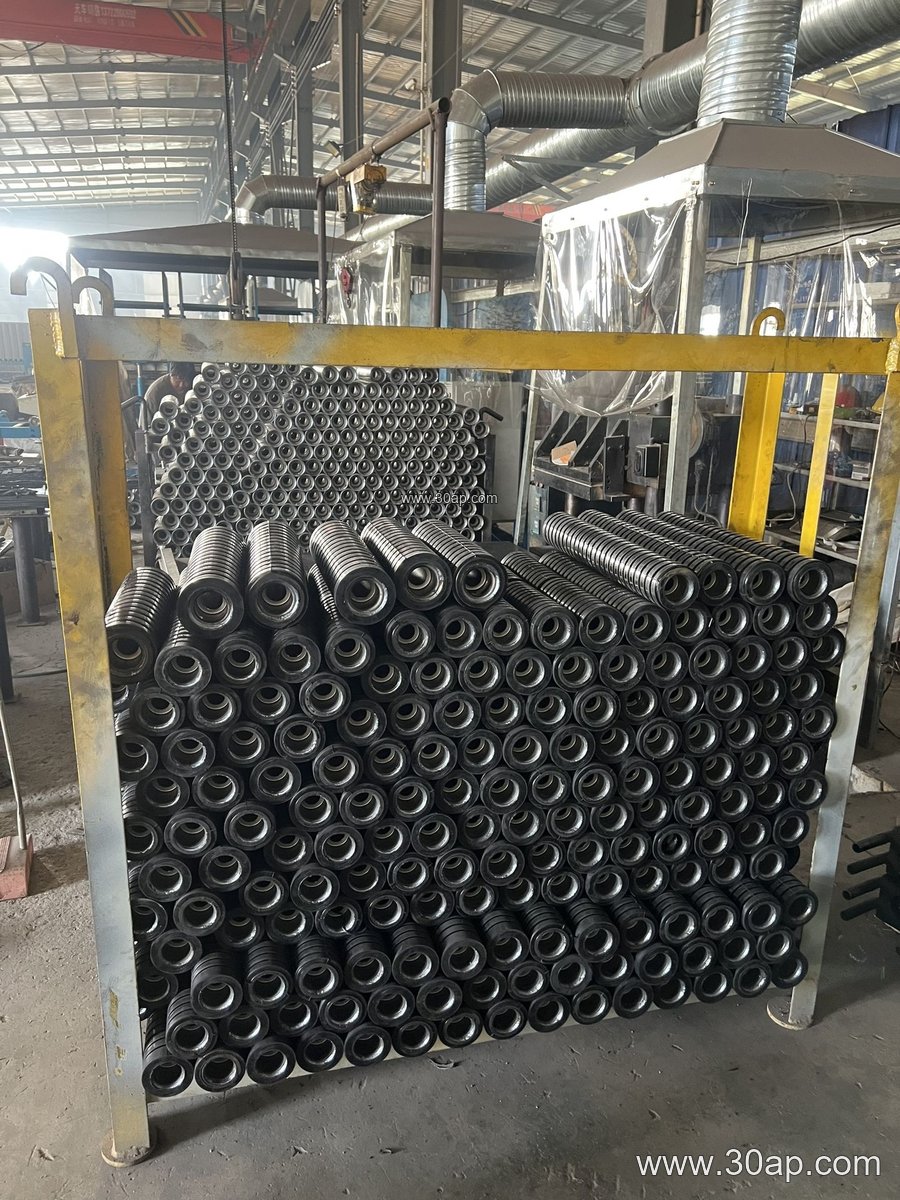
Most units combine a steel tube shell, a shaft, bearing housings, and a sealing arrangement. The shell can be plain steel, nylon coated, ceramic lined, or fitted with rubber rings for impact zones. Bearing choices commonly include 6204, 6205, 6305, 6306, 6308, and 6310, but the bearing size should always follow the shaft and load design rather than a single rule. Sealing quality is often the deciding factor in dusty stone crushing or sinter plants, where fine particles attack the bearing cavity. A well-sealed idler roller can run longer between inspections, while a poor seal turns a cheap roller into a frequent maintenance item.
Common Types and Where They Sit
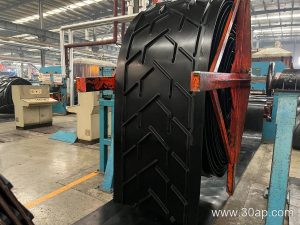
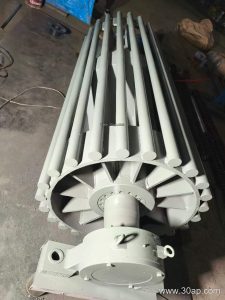
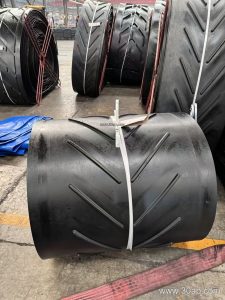
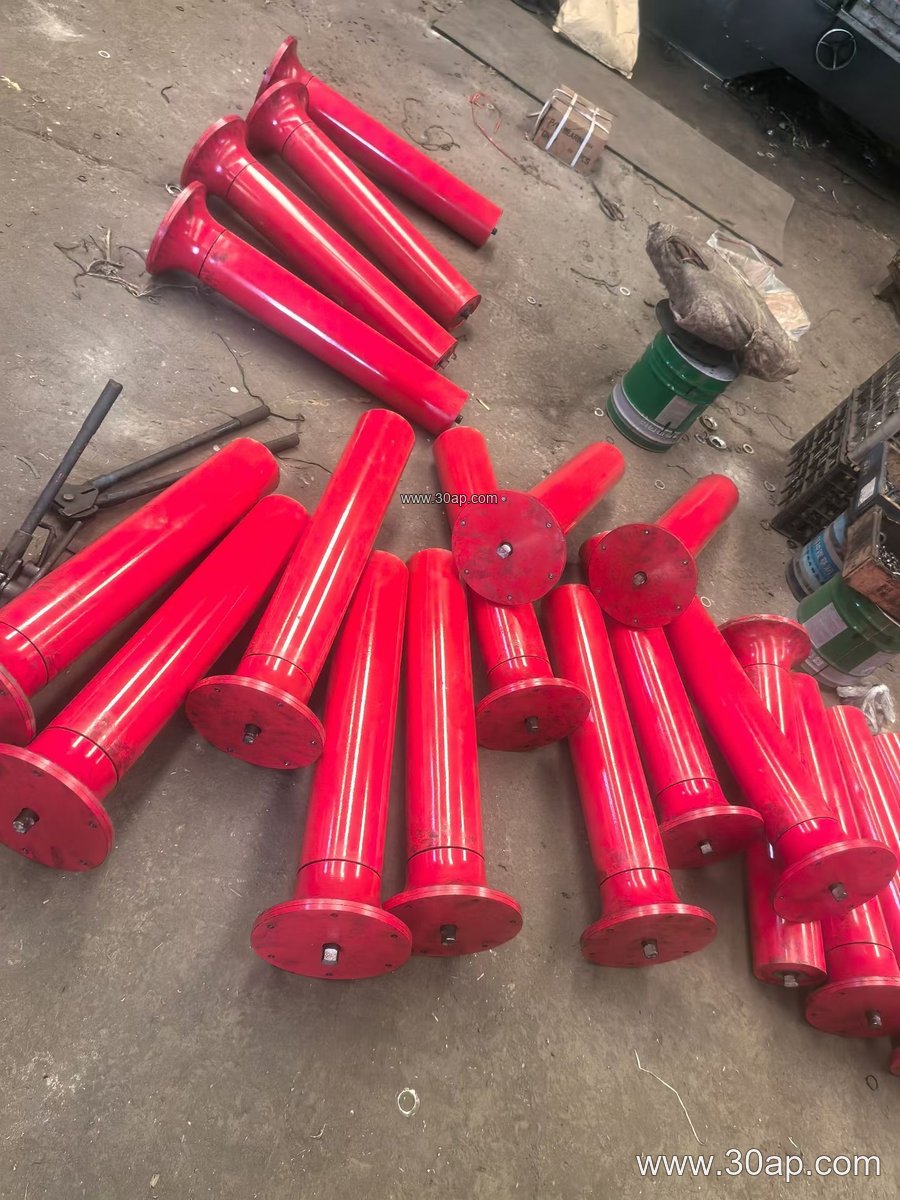
The carrying side usually uses a three-roll troughing set, while the return side may use a flat return roller or a V-shaped return roller. Transition idlers help the belt change angle near a conveyor pulley, and self-aligning types correct minor belt drift. Impact idlers with rubber rings are placed under loading points, such as a crusher discharge or a transfer chute, where a heavy-duty mining conveyor belt receives lumpy rock. Spiral rollers can help shed sticky material in a cement plant or a wet coal handling circuit. These are different subtypes, and each is selected for its position and duty rather than as a substitute for another.
Trough Angle and Belt Width
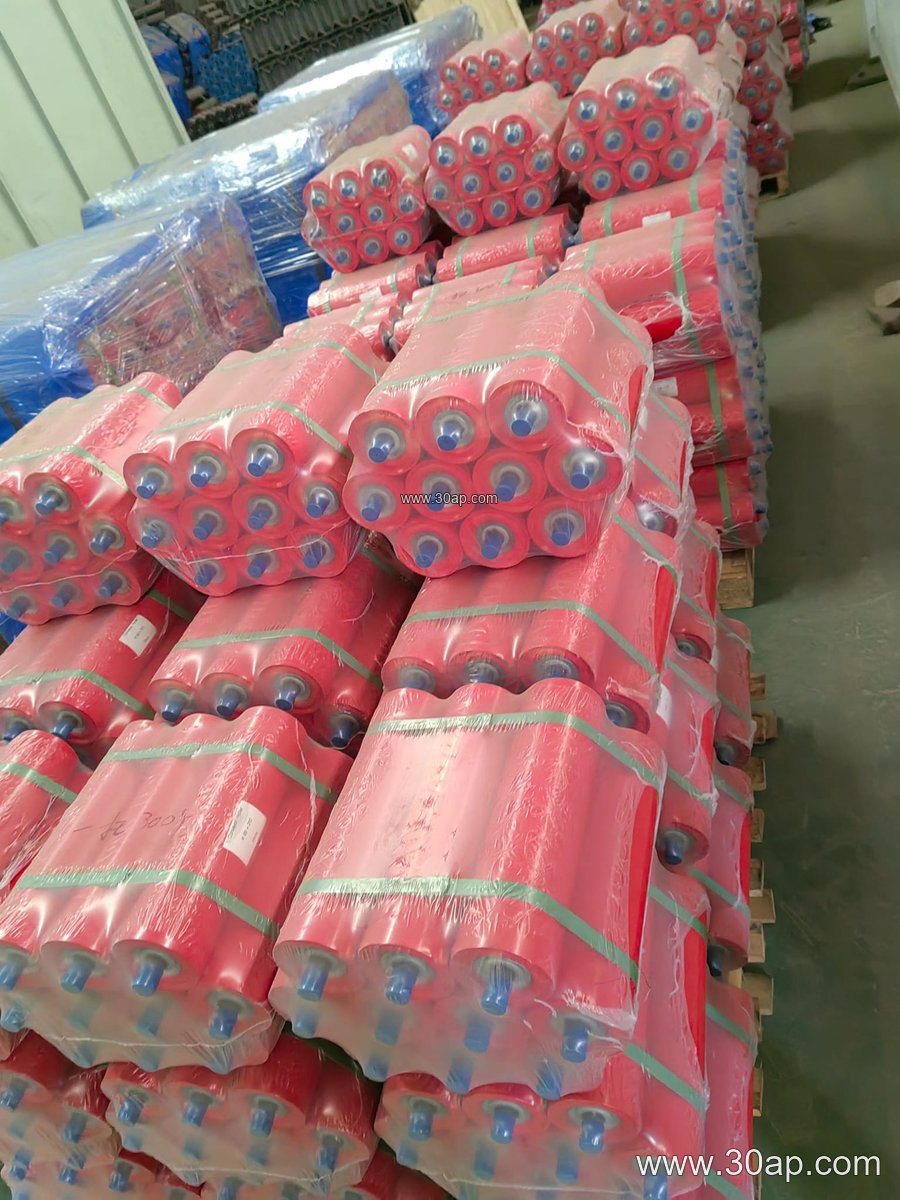
Trough angles of 20, 30, 35, and 45 degrees are common. A deeper trough generally holds the load more securely, but it also affects belt flexing and the required roll length. Belt widths from B400 up to B2400 appear across bulk handling lines, and the idler set must match the belt and structure. Do not assume that one belt width can only match one pulley diameter, or that a belt width alone fixes a shaft diameter. Roll length changes with belt width, trough angle, and roll arrangement; for example, a three-roll troughing set may use roughly 200 mm rolls around B500, 315 mm around B800, 465 mm around B1200, and 600 mm around B1600. Side rolls and center rolls can differ, so these are reference examples, not fixed pairings.
Application Notes Across Industries
In a limestone quarry or an aggregate line, abrasion resistance is usually the main concern, and a high abrasion resistant conveyor belt works together with durable rollers to reduce downtime. In a power plant coal yard or an underground coal mining conveyor belt system, flame retardant conveyor belt grades and anti-static properties often matter, and the idler seal must cope with fine coal dust. A copper ore or gold mining conveyor belt may run over long distances, where low rolling resistance and reliable bearings save energy. In a cement plant, heat resistant conveyor belt sections near clinker handling need rollers that can tolerate warm surroundings without losing lubricant.
What a Buyer Should Check
- Confirm the belt width, trough angle, and roll arrangement before ordering a set.
- Match the roller duty to the load point: impact rings under a crusher, standard troughing on the carrying run.
- Review bearing size, shaft size, and sealing method as a system, not as isolated numbers.
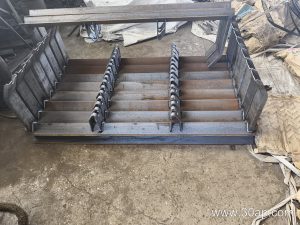
- Check that the conveyor bracket and frame dimensions suit the chosen idler group.
- For abrasive or wet material, consider shell material and coating options rather than price alone.
Related equipment such as the conveyor belt, conveyor pulley, and conveyor bracket should be reviewed together with the roller selection, because a mismatch at the structure or the loading point often causes premature failure. A practical spare-parts plan usually keeps a small stock of the most wearing positions, such as impact and return rollers, instead of ordering one universal size for the whole line.