What a Parallel Idler Bracket Does on a Conveyor
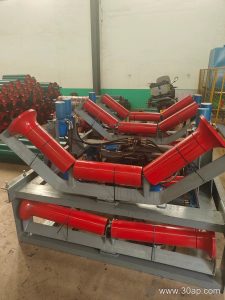
A parallel idler bracket is the support component that holds idler rollers in a level or slightly angled position relative to the conveyor frame. In many carrying and return sections, the bracket keeps the roller shaft parallel to the belt surface or to the frame crossmember, so the belt runs on a stable, predictable line. The parallel idler bracket is also called a parallel roller bracket or, in some workshops, a flat idler support bracket. It is a bracket, not a pulley, and it should never be confused with a drive pulley, tail pulley or bend pulley, which transmit motion or change belt direction.
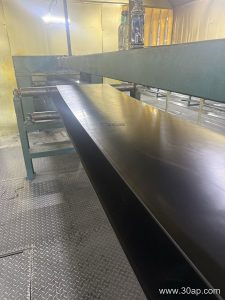
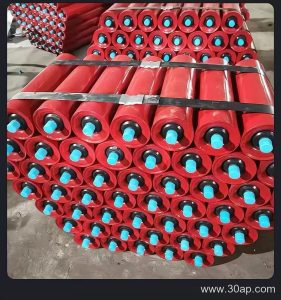
The bracket works together with the conveyor belt, idler roller and conveyor pulley. When the rollers sit squarely in the bracket, belt tracking improves and edge wear drops. On a quarry conveyor belt or an aggregate conveyor belt, small alignment errors become visible quickly, so the bracket position matters.
Construction and Common Forms
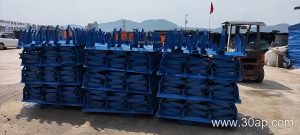
Most parallel idler brackets are fabricated from angle steel, channel steel or folded steel plate. The frame may be a single crossmember with welded mounting ears, or a bolted assembly that attaches to the stringer. Slotted holes are common so maintenance crews can adjust the roller position. Surface treatment usually follows the plant environment, with painted or galvanized options for damp tunnels and wash-down areas.
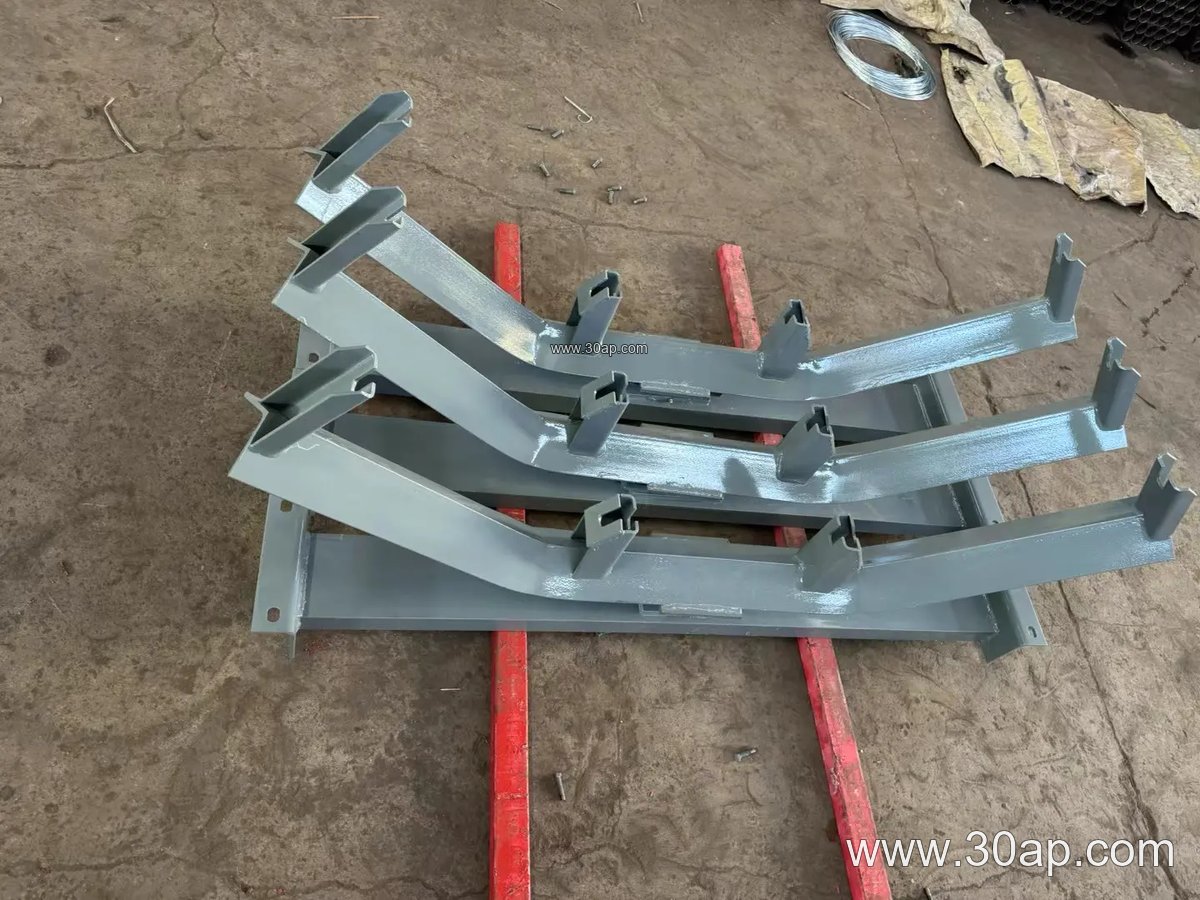
Typical reference sizes are shown below. These are common workshop references, not fixed universal specifications, and final dimensions follow the conveyor design.
| Reference | Belt width | Roller diameter | Typical use |
|---|---|---|---|
| PB-500 | B500 | Ø89 | Light return runs |
| PB-650 | B650 | Ø89 / Ø108 | Aggregate lines |
| PB-800 | B800 | Ø108 / Ø133 | General carrying sections |
| PB-1000 | B1000 | Ø108 / Ø133 | Cement and power plants |
| PB-1200 | B1200 | Ø133 / Ø159 | Heavy bulk material |
| PB-1400 | B1400 | Ø133 / Ø159 | Iron ore and coal |
| PB-1600 | B1600 | Ø159 / Ø194 | Mining conveyor belt lines |
| PB-1800 | B1800 | Ø159 / Ø194 | High capacity plants |
Installation hole spacing and crossbeam length change with belt width and bracket type. A B800 bracket and a B1200 bracket are not interchangeable, and one belt width does not lock the design to a single roller diameter.
Where It Fits in the Conveyor Layout
The parallel idler bracket is usually found in the lower return run, where a flat roller supports the empty belt. It also appears in transition zones and in carrying sections where a flat or low-angle profile is required. In a coal mining conveyor belt system, the return bracket helps keep the belt away from the frame and reduces friction. In a cement plant or power plant coal yard, the same bracket supports the return side under dusty conditions.
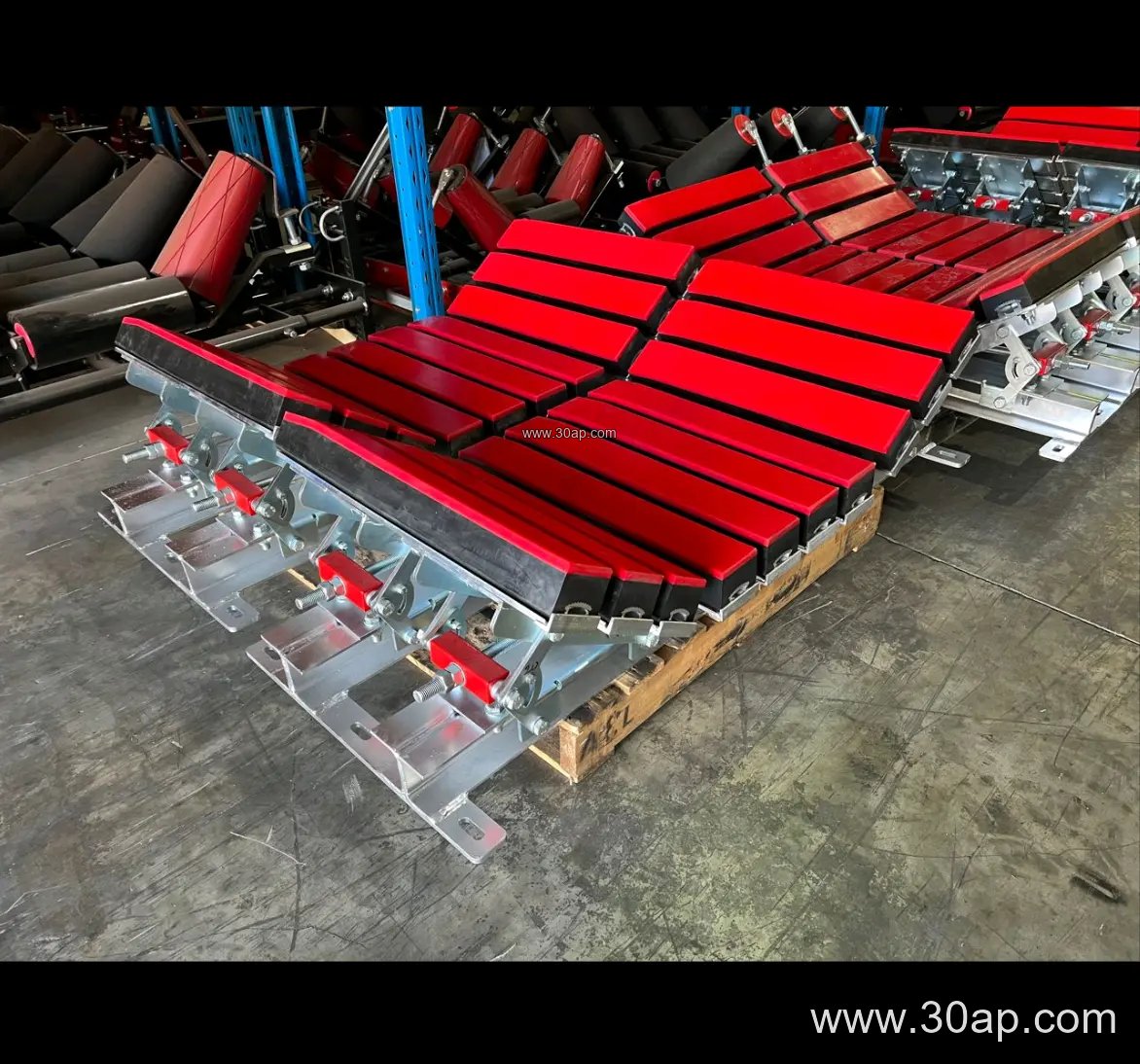
Where the belt must be trained, a self-aligning bracket or a forward-leaning bracket may be used instead. A troughing idler bracket with a 20 degree, 30 degree, 35 degree or 45 degree trough angle serves the carrying side, and it is a different component. Comparing them is useful: the troughing bracket shapes the belt into a trough, while the parallel idler bracket keeps a flat support line. Neither replaces the other, and neither replaces a conveyor pulley.
Buyer Checklist
- Confirm the belt width, such as B650, B1000 or B1400, and the frame hole pattern.
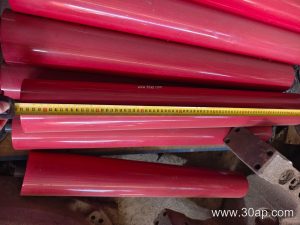
- Match the roller diameter, commonly Ø89, Ø108, Ø133, Ø159 or Ø194, to the idler roller shaft and load.
- State the mounting method, bolted or welded, and the material preference, angle steel, channel steel or folded plate.
- Check the environment: a dusty quarry or an underground coal mining conveyor belt may need extra corrosion protection.
- Ask for the drawing before ordering, because hole spacing and crossbeam length are design-dependent.
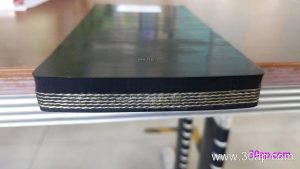
When the conveyor carries an EP conveyor belt or a steel cord conveyor belt, the bracket load and the roller spacing should be reviewed together. A heavy-duty mining conveyor belt running at high tonnage puts more demand on the bracket than a light food grade conveyor belt. On a long overland line with an endless conveyor belt, spare brackets and rollers should be kept for planned maintenance.
For more conveyor components, visit the conveyor bracket and idler roller sections of the site. A correctly selected parallel idler bracket is a small part, but it keeps the belt tracking straight and protects the whole conveyor structure.