What a Galvanized Conveyor Bracket Does
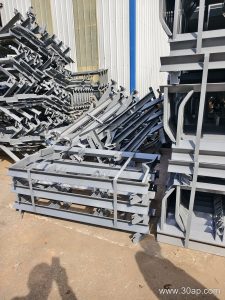
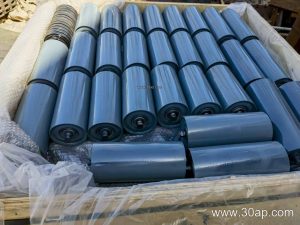
A galvanized conveyor bracket is the structural support that holds idler rollers in position along a conveyor frame. In a quarry, a coal washing plant, or a cement plant, the bracket carries the weight of the belt and the material on it, then transfers that load into the stringers and legs of the conveyor. The galvanized finish is a zinc coating applied to the steel, usually after cutting and forming, so the bracket resists rust in damp tunnels, outdoor stockyards, and wash-down areas. It is a small component, but it decides whether the idler roller stays square to the belt and whether the whole line runs smoothly.
Construction and Common Forms
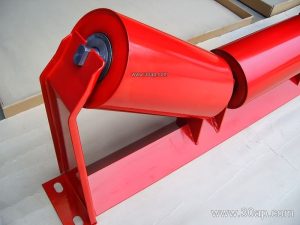
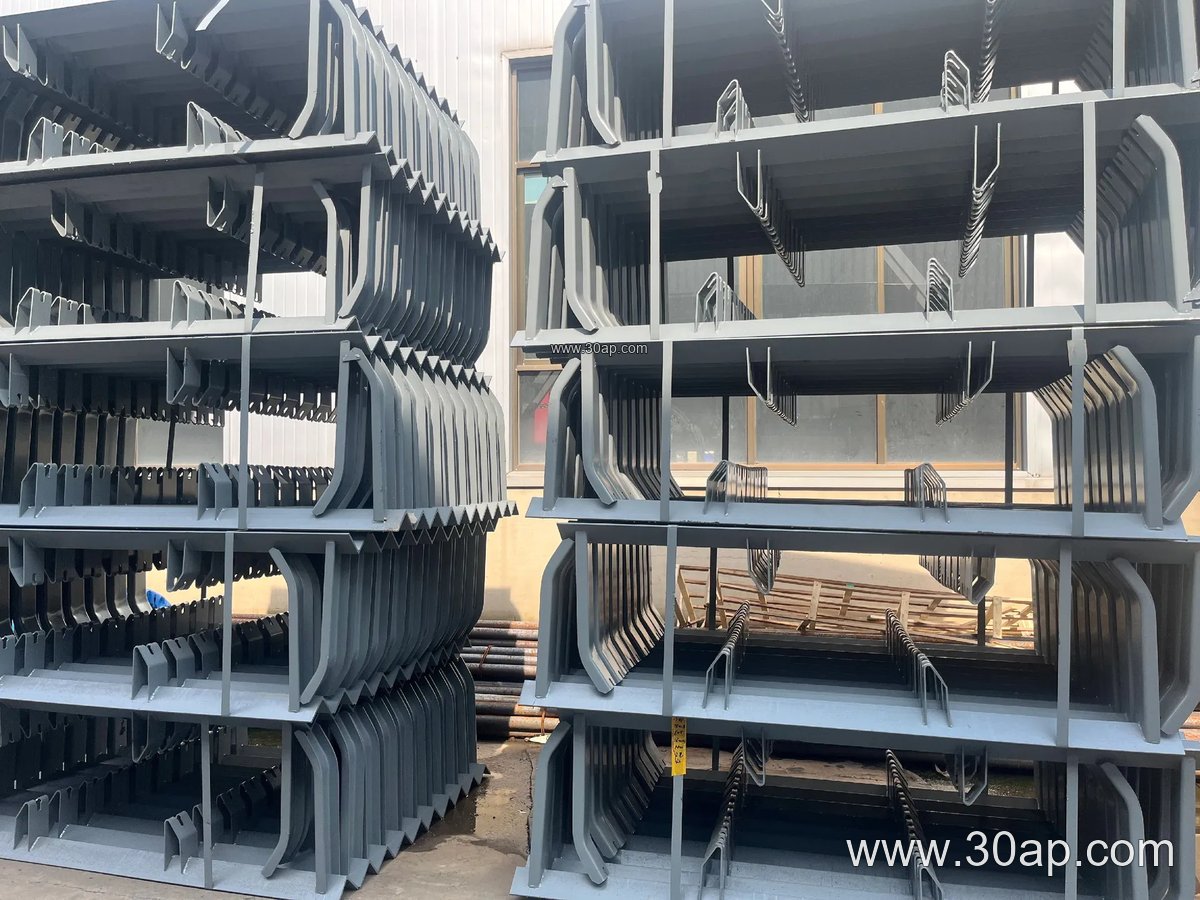
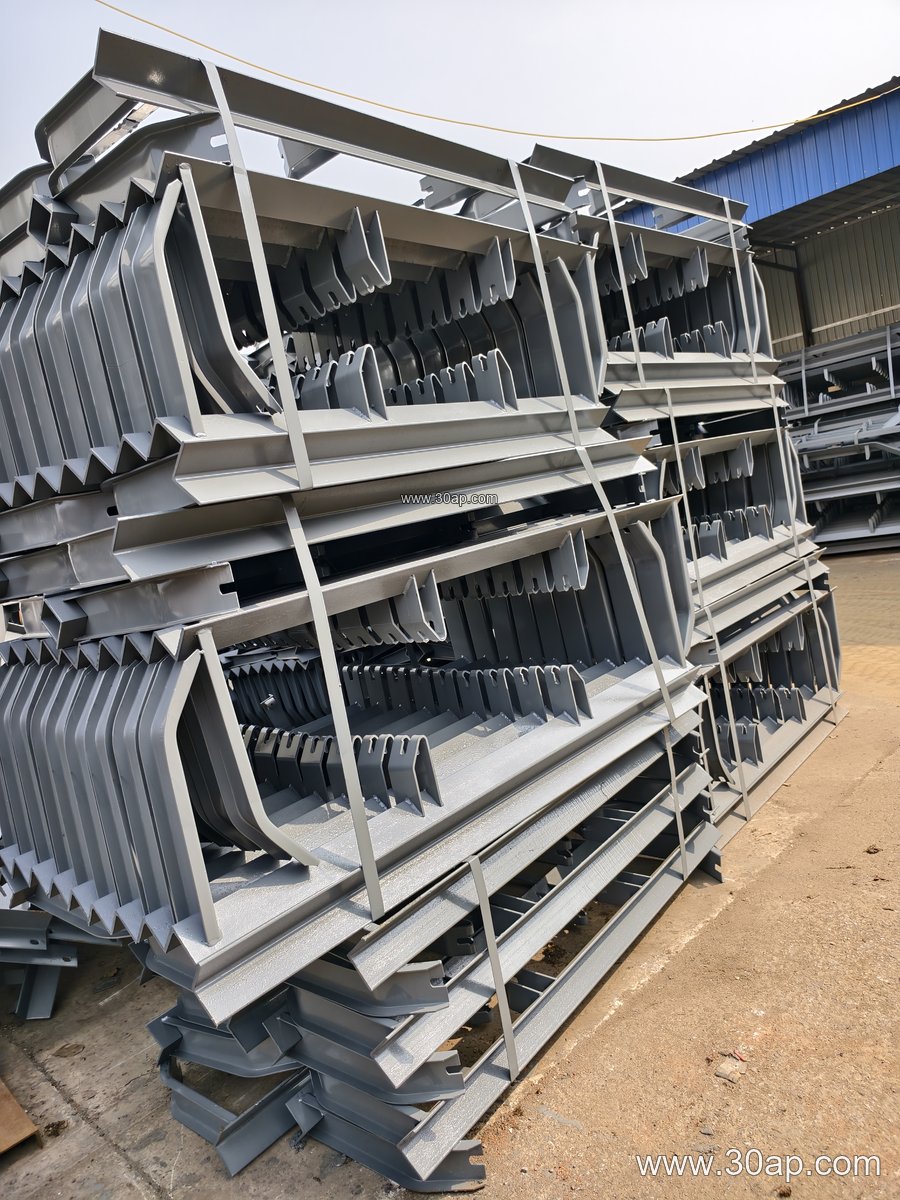
Most galvanized conveyor brackets are fabricated from angle steel, channel steel, or folded steel plate, then hot-dip galvanized or zinc-coated. A troughing bracket carries three idlers at a set trough angle; a return bracket holds the lower idlers flat or in a V shape. Transition brackets sit near the head and tail to guide the belt from flat to troughed. Self-aligning and forward-tilted brackets are used where belt tracking is a concern. Adjustable brackets allow the trough angle to be changed on site, while fixed brackets are welded or bolted to one angle.
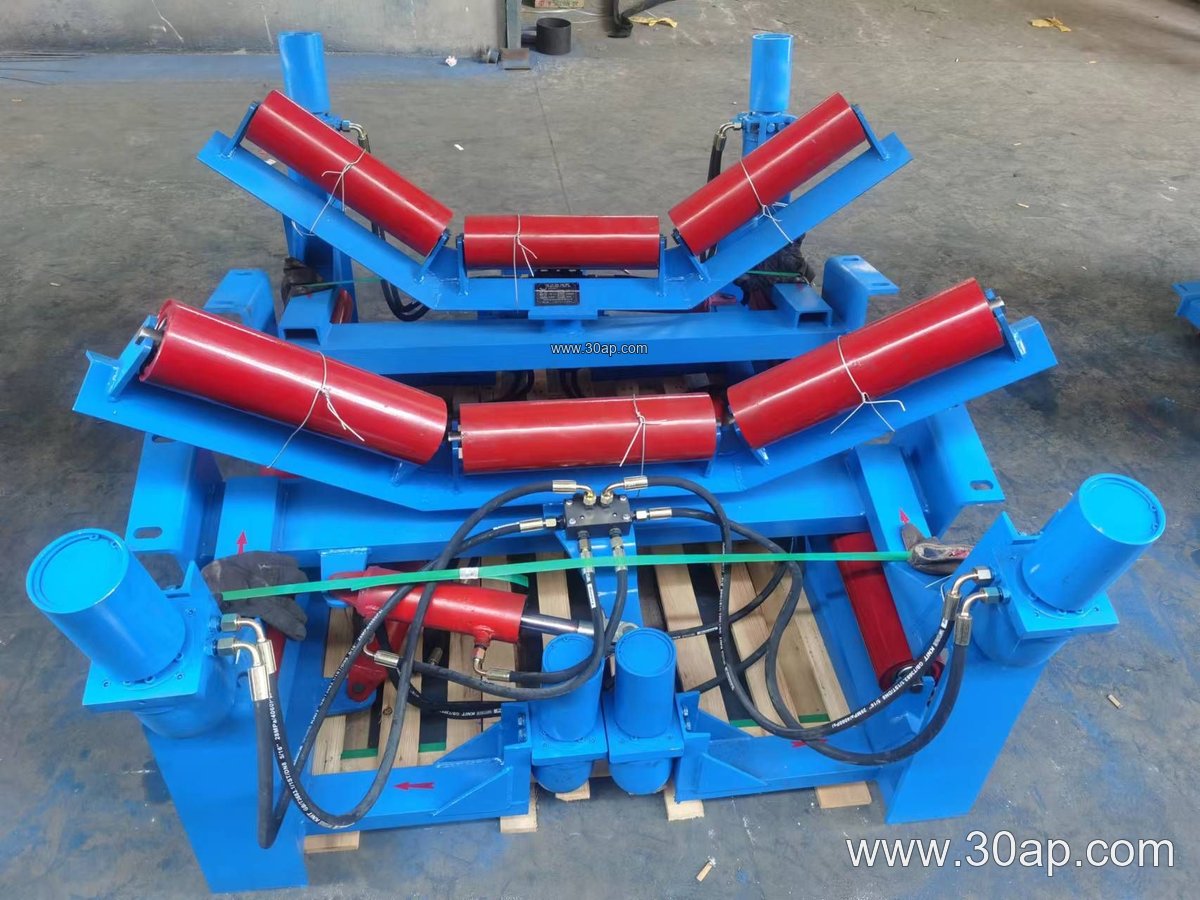
- Troughing bracket — supports the carrying side, often at 20°, 30°, 35°, or 45°
- Return bracket — flat or V-shaped, supports the return strand
- Impact bracket — reinforced under the loading point, paired with impact idlers
- Transition bracket — eases the belt from flat to trough near pulleys
- Adjustable bracket — trough angle set during installation
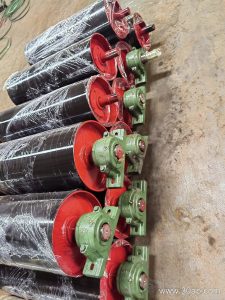
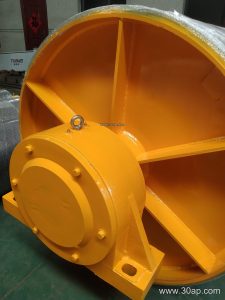
Note that a drive pulley, a tail pulley, and a bend pulley are different components with different duties; a bracket supports idlers, not pulleys. Keeping that distinction clear helps when ordering spare parts.
Typical Sizes and Reference Data
Bracket dimensions follow belt width, trough angle, and idler diameter. The table below shows common reference combinations; actual mounting hole spacing and crossbeam length are determined by the conveyor design.
| Belt width | Trough angle | Idler diameter | Typical use |
|---|---|---|---|
| B500 / B650 | 20° – 30° | Ø89 | Small aggregate and sand lines |
| B800 / B1000 | 30° – 35° | Ø108 / Ø133 | Cement, power plant coal handling |
| B1200 / B1400 | 35° – 45° | Ø133 / Ø159 | Iron ore, heavy bulk material |
| B1600 / B1800 | 35° – 45° | Ø159 / Ø194 | Large quarry and port conveyors |
A bracket for B800 at 35° with Ø108 idlers is a common combination, but it is not the only valid one. Wider belts can run at lower trough angles, and the idler diameter should be checked against belt speed and load rather than assumed from belt width alone.
Where These Brackets Are Used
In a limestone quarry or a stone crushing line, galvanized brackets hold troughing idlers under an abrasion resistant conveyor belt that carries sharp rock. In a coal washing plant, they support idlers beneath a flame retardant conveyor belt on an underground mining conveyor. The zinc coating matters in both settings: wet screening areas and tunnel drainage leave plain steel brackets prone to corrosion. In a power plant coal yard, the same bracket type works with a heavy-duty mining conveyor belt and return idlers to keep the return strand aligned.
Buyer Checklist
- Confirm belt width, trough angle, and idler diameter before ordering.
- Check the galvanizing thickness and whether cut edges are coated.
- Match bracket hole spacing to the idler shaft and frame stringer.
- For loading zones, specify a reinforced impact bracket rather than a standard troughing bracket.
- Ask whether the bracket is fixed or adjustable if belt tracking may need tuning later.
A well-matched galvanized conveyor bracket keeps idlers square, reduces belt edge wear, and extends the service life of the whole conveyor line. Buyers who treat it as a structural part, not an accessory, usually get fewer tracking problems and longer idler life.