What Is an Extra-Wide Conveyor Belt
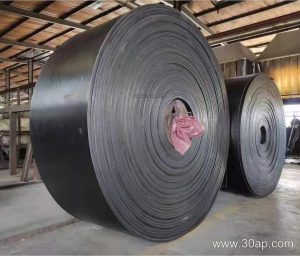
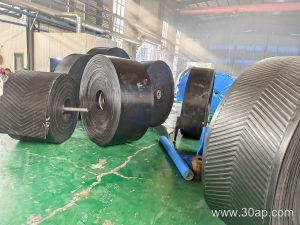
An extra-wide conveyor belt is a heavy-duty conveyor belt engineered with a belt width beyond the common 1200 mm range, typically spanning 1400 mm to 2000 mm or more. These belts are designed for operations that demand high throughput and stable material transport across large distances. In industries such as mining, coal preparation, cement plants, power stations, and aggregate yards, an extra-wide conveyor belt helps reduce transfer points and enhances system efficiency by moving more material per unit of belt width.
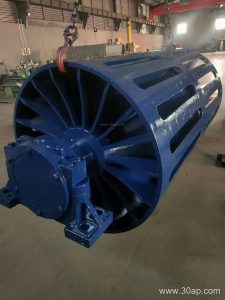
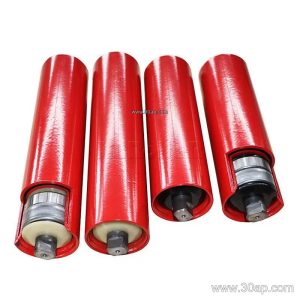
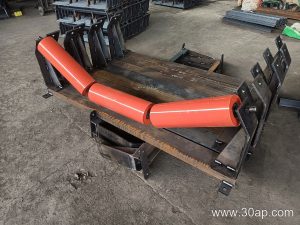
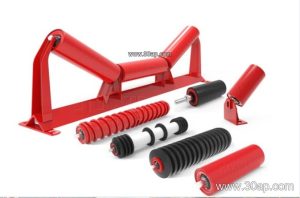
While a standard 1200mm wide conveyor belt suits many medium-capacity lines, extra-wide variants are preferred when the conveyor must handle large lumps, high volume, or poor material flow. The design must consider not only the belt itself but also the compatibility with idler rollers, conveyor pulleys, and conveyor brackets to ensure proper support and alignment.
Construction and Material Options
The construction of an extra-wide conveyor belt follows the same principles as narrower belts but with stricter requirements for transverse rigidity and tracking. Common carcass types include EP conveyor belt (polyester-nylon), NN conveyor belt (nylon-nylon), and steel cord conveyor belt for the highest strength demands. Multi-ply fabric core conveyor belt constructions with 2 to 6 plies are typical, while steel cord belts are chosen for long overland conveyors and extreme load conditions.
Cover compounds are selected based on the operating environment. Abrasion resistant conveyor belt grades handle sharp rock and ore, heat resistant conveyor belt grades suit cement clinker and sinter, and flame retardant conveyor belt grades are essential in coal mining and underground mining conveyor belt applications. Oil resistant and cold resistant variants are also available for specific industries. For dusty or explosive atmospheres, anti-static conveyor belt properties can be incorporated.
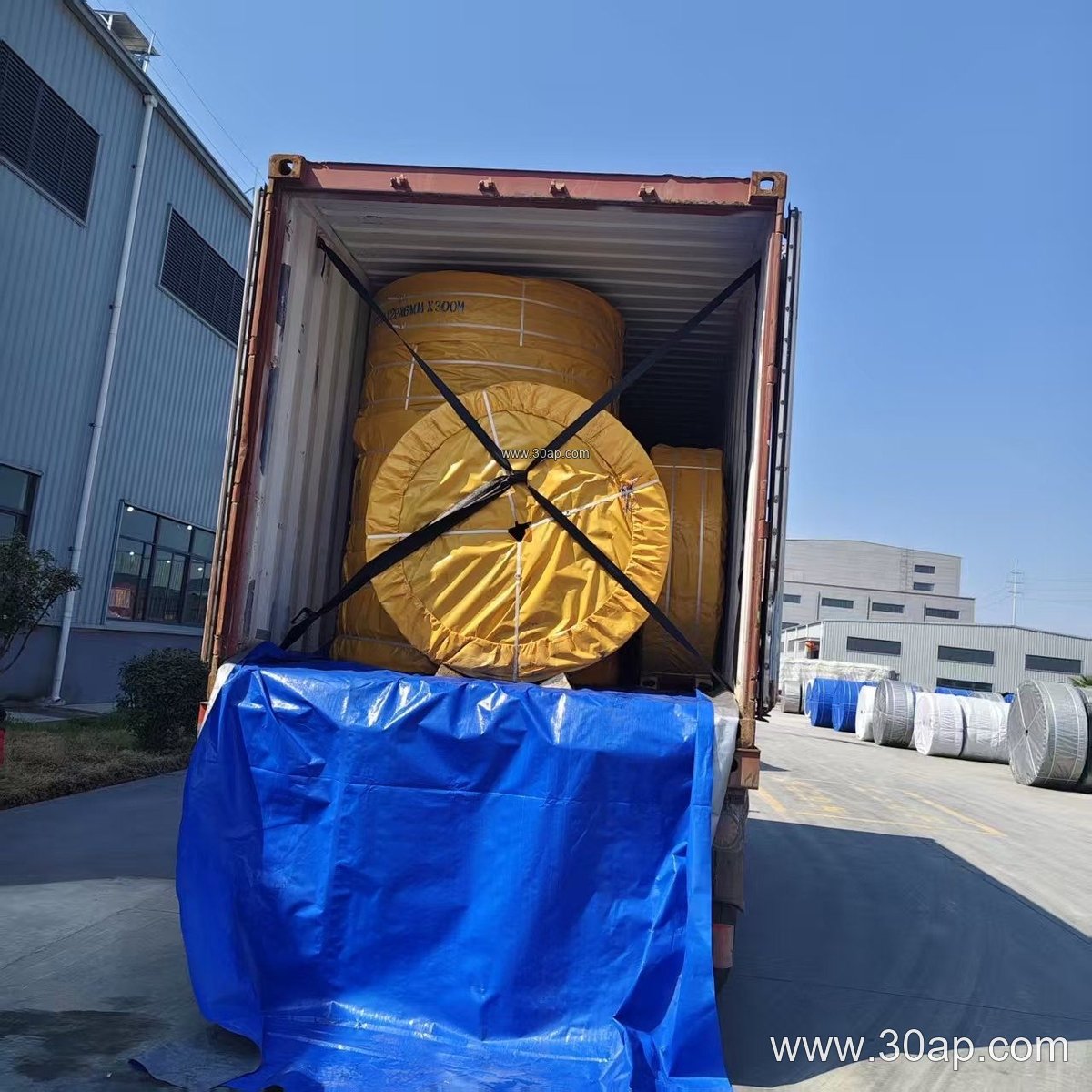
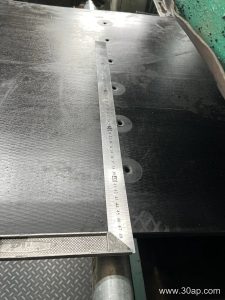
Widths commonly range from 1400 mm to 2000 mm and beyond, with custom widths available. Thickness depends on the carcass and cover grade; for example, an EP conveyor belt, 10mm thick, might be used in moderate-duty service, while heavy-duty mining conveyor belt may require 15 mm or more. The table below lists typical reference data for extra-wide belts; actual specifications should be confirmed with the manufacturer.
| Parameter | Common Range | Remarks |
|---|---|---|
| Belt width | 1400 mm, 1600 mm, 1800 mm, 2000 mm | Custom widths available |
| Carcass type | EP, NN, steel cord | Multi-ply fabric core or steel cord |
| Strength (EP) | EP200 to EP2000 | Higher grades for demanding duty |
| Cover thickness | 4+2 mm, 5+2 mm, 6+2 mm, 8+3 mm | Top + bottom cover |
| Number of plies | 2 to 6 | Fabric core belts |
Where Extra-Wide Belts Are Used
Extra-wide conveyor belts are found in high-capacity bulk material conveyor belt systems. In the mining sector, they transport ore, coal, and waste rock. A typical underground coal mining conveyor belt may require flame retardant and anti-static properties, while a quarry conveyor belt or aggregate conveyor belt handles abrasive stone. Cement plants use extra-wide belts for clinker and raw meal, and power plants rely on them for coal feeding. Ports and ship loading facilities use wide belts to move large volumes quickly.
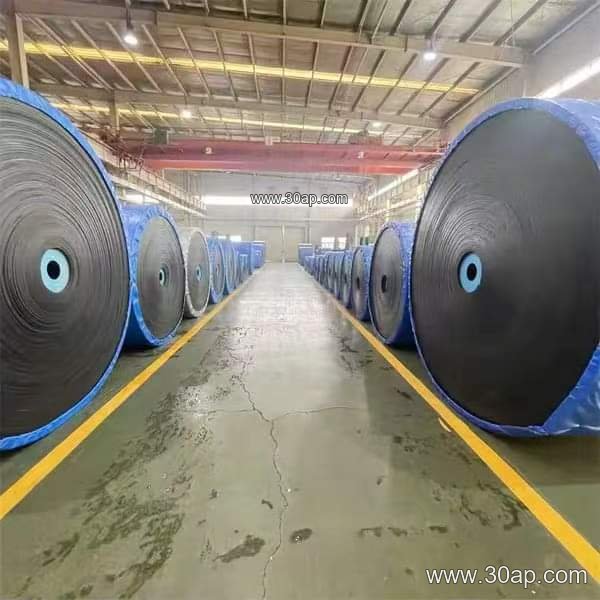
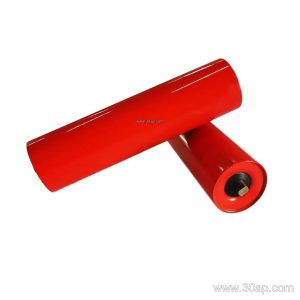
These belts are often paired with heavy-duty idler rollers and robust conveyor pulleys to maintain proper troughing and tension. The conveyor brackets must be designed to accommodate the wider belt and increased load. In crusher conveyor belt circuits, extra-wide belts help manage surge loads and reduce spillage.
Selection and Maintenance Tips
When choosing an extra-wide conveyor belt, consider the material characteristics, tonnage per hour, conveyor length, and pulley diameters. The belt width should be matched to the load and the idler roller spacing. A common mistake is to assume that a wider belt automatically solves capacity issues without verifying the entire system, including drive, tail, and bend pulleys, which are not interchangeable and must be sized correctly.
For high-abrasion applications, specify a high abrasion resistant conveyor belt. In hot material handling, a heat resistant conveyor belt is necessary. For coal mines, insist on flame retardant conveyor belt with anti-static properties. Regular inspection of belt edges, splices, and cover wear is essential, especially on extra-wide belts where edge damage can propagate quickly. Maintaining proper tracking and tension will extend service life and reduce downtime.
For more information on conveyor belt selection, visit our resources on conveyor belt and idler roller compatibility. Our expertise covers EP conveyor belt, steel cord conveyor belt, and flame retardant conveyor belt solutions for mining, cement, and power industries.