What a V-Type Idler Bracket Does on a Conveyor
A V-Type Idler Bracket is the support frame that holds two idler rollers in a V-shaped trough, usually on the return strand of a belt conveyor. The two rollers sit at an angle to each other, forming a shallow V that cradles the returning belt and encourages it to center itself. In a quarry or a crushing and screening line, this small frame does quiet but important work: it keeps the belt edge away from the structure, reduces spillage, and helps the belt run true between the head and tail of the conveyor.
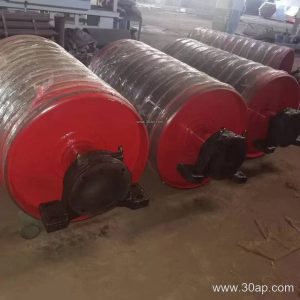
The same product is also called a V-return idler bracket or V-shaped idler support frame. Those names describe the same component; they are not a different bracket type. Drive pulleys, tail pulleys, and bend pulleys are separate parts of the conveyor and are not interchangeable with this bracket.
How the Bracket Is Built
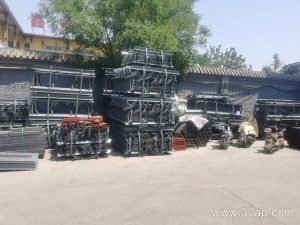
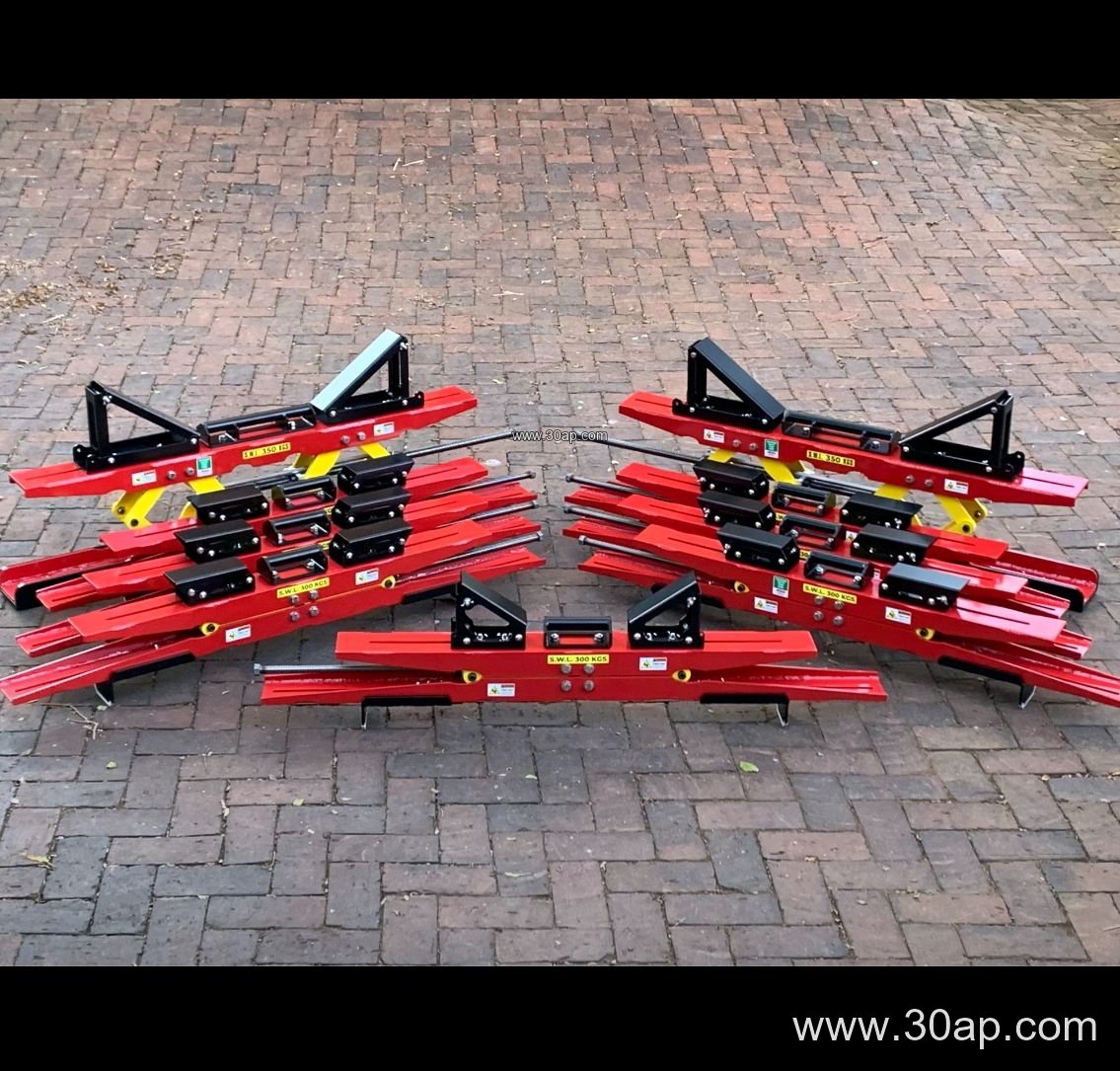
Most V-Type Idler Bracket frames are fabricated from angle steel, channel steel, or folded steel plate. Two inclined arms locate the idler shafts, and a base or cross member bolts to the conveyor stringer. The angle between the arms sets the V profile, and the mounting hole spacing follows the belt width and the idler diameter rather than a single fixed figure.
Because the bracket sits under a moving belt, the finish matters as much as the steel. Edges are usually deburred, and the frame may be painted or galvanized depending on the environment. In a coal handling plant or a power plant coal yard, corrosion and dust are constant, so a clean weld and a protective coating help the bracket last through long service intervals.
Where It Fits in the Conveyor Layout
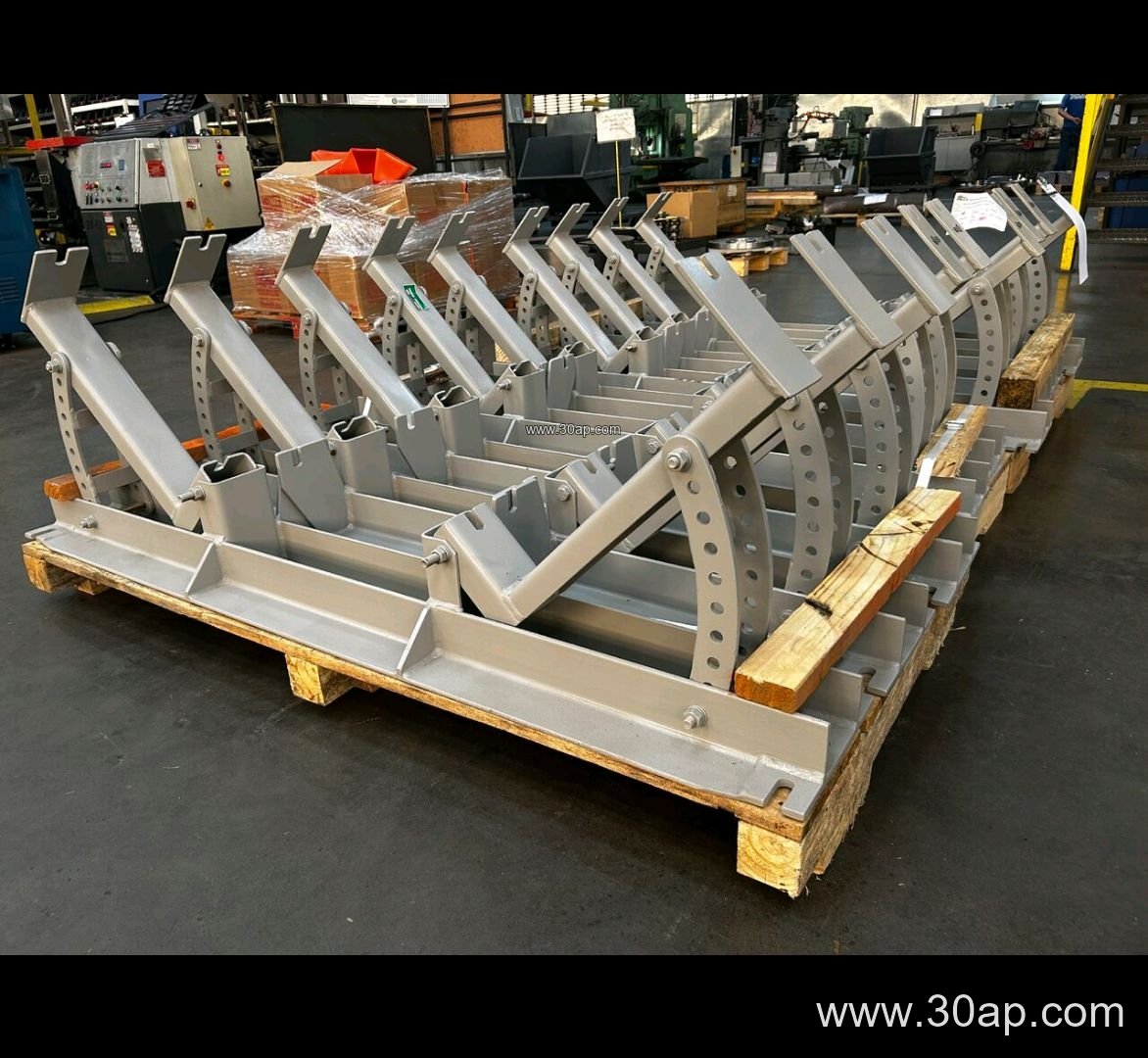
The V-Type Idler Bracket is typically installed on the return run, spaced between the carrying idlers above and the return rollers below. It is common in aggregate plants, cement plants, iron ore operations, and port bulk terminals where a fabric core or steel cord conveyor belt carries heavy material over long distances. A properly aligned V bracket also supports the belt through transition zones and helps control edge wear.
When the conveyor uses a Rubber Conveyor Belt or an EP Conveyor Belt, the return support should match the belt’s stiffness and the load it carries. A heavy-duty mining conveyor belt may call for a sturdier frame and larger rollers, while a lighter food grade or PVC belt may need a smoother, more closely spaced support arrangement.
Common Reference Sizes
The following values are typical references, not universal specifications. Final dimensions depend on the conveyor design, belt width, and roller diameter.
| Item | Common Reference Range |
|---|---|
| Belt width (B) | B500, B650, B800, B1000, B1200, B1400, B1600, B1800, B2000 |
| Roller diameter | Ø89, Ø108, Ø133, Ø159 |
| Frame material | Angle steel, channel steel, folded plate |
| Mounting | Bolted to stringer; hole spacing by design |
A bracket for B800 with Ø108 rollers is a common combination in medium-duty plants, while a B1200 line in a port or steel plant may use Ø133 rollers. These are examples only; a belt width does not dictate a single roller size.
Buyer Checklist Before Ordering
- Confirm belt width and the return roller diameter the frame must accept.
- Check the mounting hole pattern on the existing stringer, since it varies with design.
- State the environment: wet, dusty, corrosive, or high temperature, so the coating and steel grade suit the site.
- Decide whether a fixed or adjustable frame is needed; an adjustable version can correct minor misalignment during installation.
- Match the bracket to the conveyor belt type, whether a Fabric Core Conveyor Belt, Chevron Conveyor Belt, or Steel Cord Conveyor Belt is in use.
For a coal mining conveyor belt or an abrasion resistant conveyor belt hauling sharp rock, also consider roller sealing and frame clearance, because fines can build up around the V and shorten roller life. A well-chosen V-Type Idler Bracket, paired with the right conveyor bracket hardware and idler roller, keeps the return strand stable and the whole conveyor running smoothly.