What a Large Pulley Does on a Conveyor
A large pulley is the main rotating drum at the head, tail, or bend point of a bulk material conveyor. In practice, it is often called a conveyor pulley or drum pulley. Its shell carries the conveyor belt, its shaft transmits torque, and its bearings keep everything turning smoothly. When the pulley diameter is big, the belt bends gently, which reduces stress on the carcass and helps long, high-tension conveyors run reliably. This article focuses on large pulleys used in mines, quarries, cement plants, power stations, and port bulk terminals.
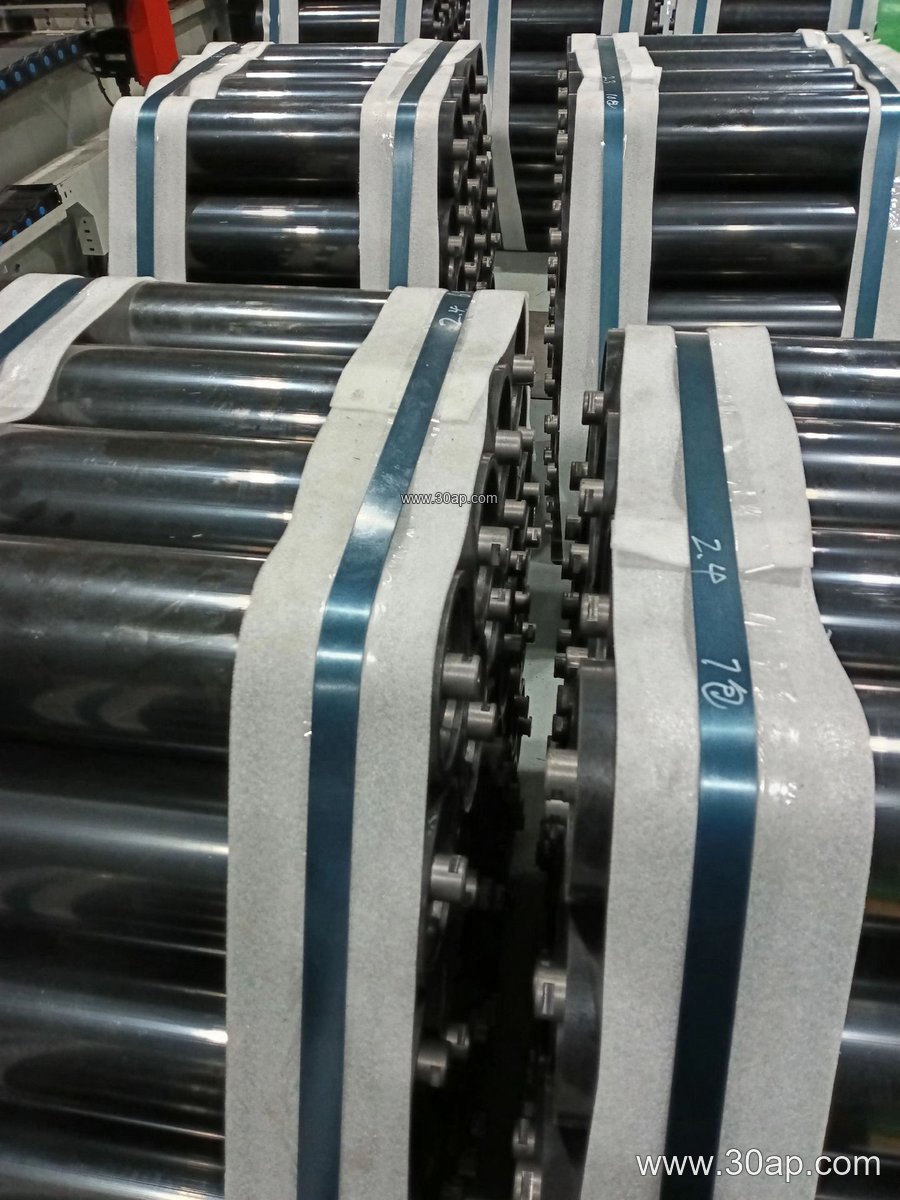
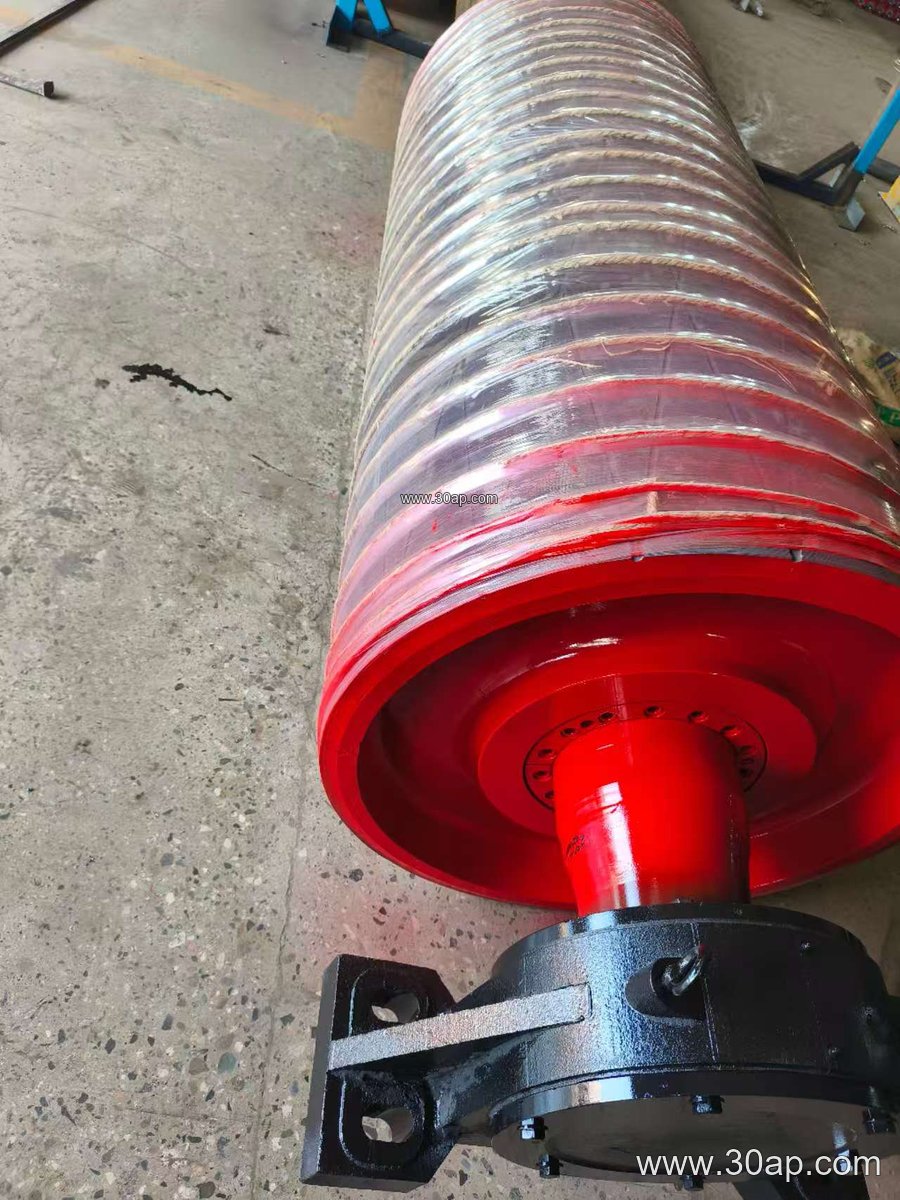
Construction and Key Components
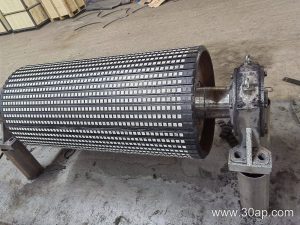
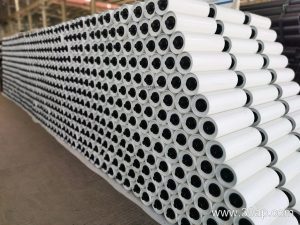
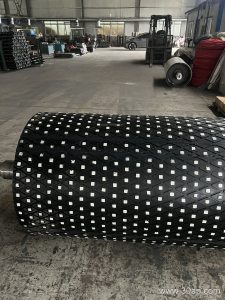
A large pulley is built around a steel shell, usually with welded end discs and a hub. The shaft is sized by torque and load, not by belt width alone. Common shaft diameters include Ø80, Ø100, Ø120, Ø140, Ø160, Ø180, and Ø200 mm, but final choice depends on the drive calculation. The shell surface may be plain, rubber-covered, or ceramic-lagged. Lagging thickness is often 8, 10, 12, 15, or 20 mm. Rubber lagging improves grip, while ceramic lagging suits abrasive, wet conditions. Bearings are mounted in pillow blocks or flanged housings, and the whole assembly sits on a conveyor bracket or frame.
Common Types and Where They Fit
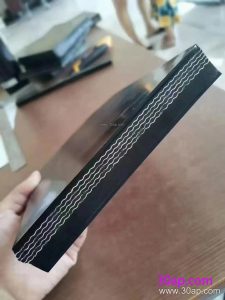
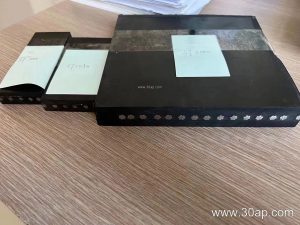
Large pulleys appear as drive pulleys at the head, tail pulleys at the return end, and bend pulleys where the belt changes direction. A drive pulley transmits power from the gearbox; a tail pulley tensions and guides the belt. These roles are not interchangeable, and each position has different load and lagging needs. In a coal mining conveyor or quarry conveyor, a large head pulley often runs with a heavy-duty conveyor belt such as an EP conveyor belt or steel cord conveyor belt. A bend pulley may be smaller but still counts as large when the belt width is big. For comparison, a snub pulley is used to increase wrap angle, but it is a different function from the main drive or tail pulley.
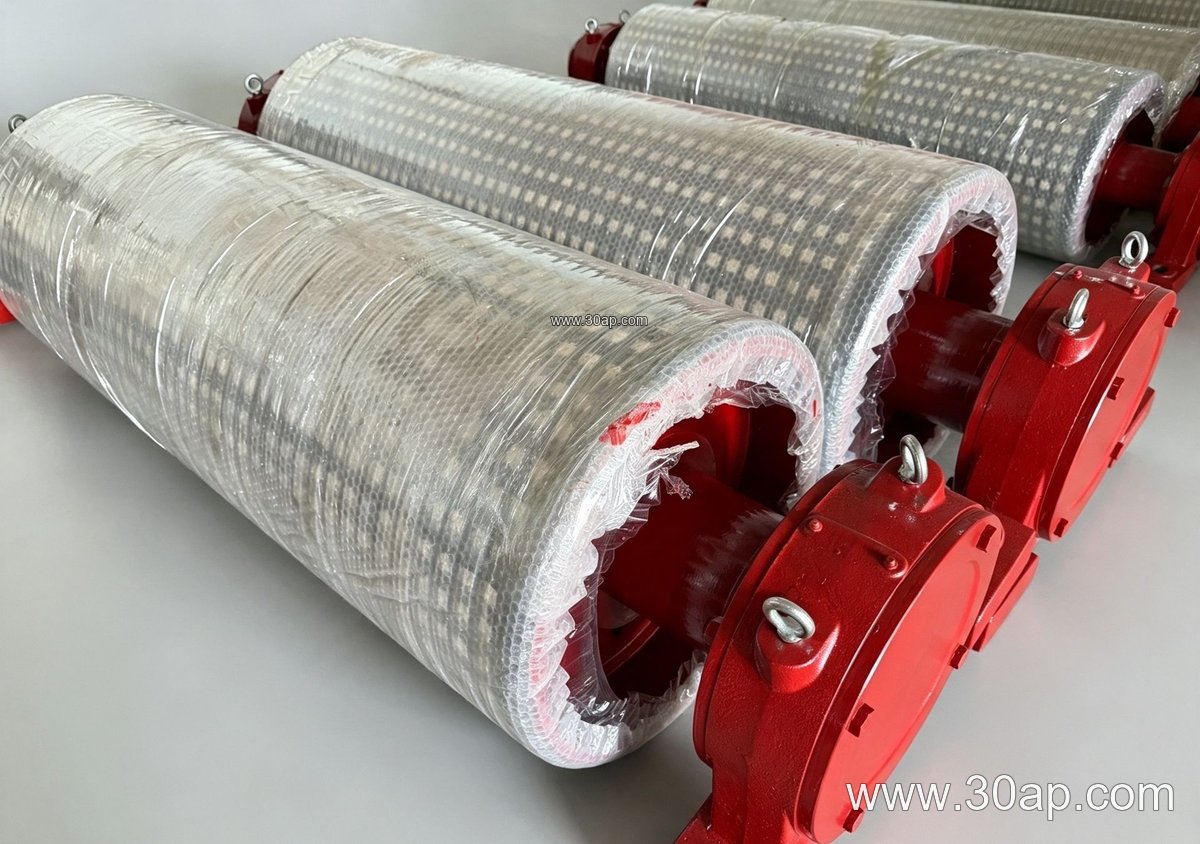
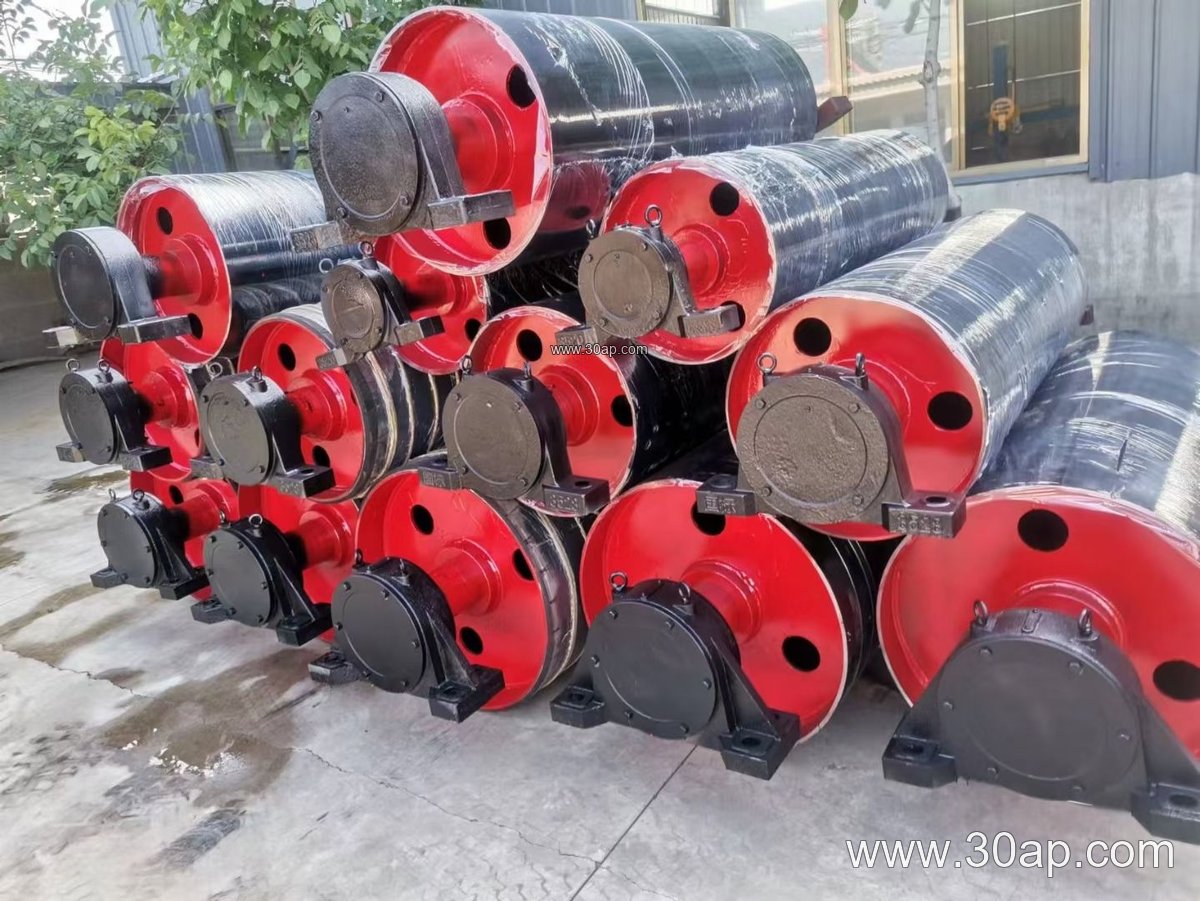
Sizes and Surface Options
Large pulleys are matched to belt width and system tension. Typical belt widths include B800, B1000, B1200, B1400, B1600, B1800, and B2000. The pulley face width is usually a little wider than the belt, for example B1000 with about 1150 mm face, or B1400 with about 1600 mm face. Diameters often range from Ø500 to Ø1800 mm, with Ø630, Ø800, Ø1000, Ø1250, and Ø1400 being common in heavy duty work. A combination such as B1200 × Ø1000 or B1400 × Ø800 is common, but no single belt width is limited to one diameter. Surface forms include plain, cast rubber, cold-bonded rubber, hot vulcanized rubber, diamond lagging, herringbone lagging, and ceramic lagging.
Selection and Maintenance Notes
Buyers should confirm the belt width, belt type, and duty. An abrasion resistant conveyor belt in a stone crushing line may need different lagging than a heat resistant conveyor belt in a cement plant. Check shaft diameter, bearing type, and lagging thickness against the actual load. Keep the pulley aligned, inspect lagging wear, and monitor bearing temperature. A worn large pulley can damage the belt edge, so regular checks matter. When replacing a pulley, match the face width and diameter to the existing frame and belt path, and verify that the conveyor bracket and take-up system can accept the new unit.