What the ST1600 Conveyor Belt Is
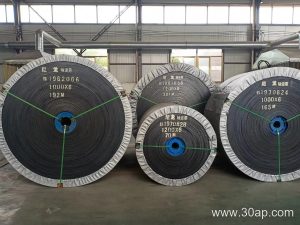
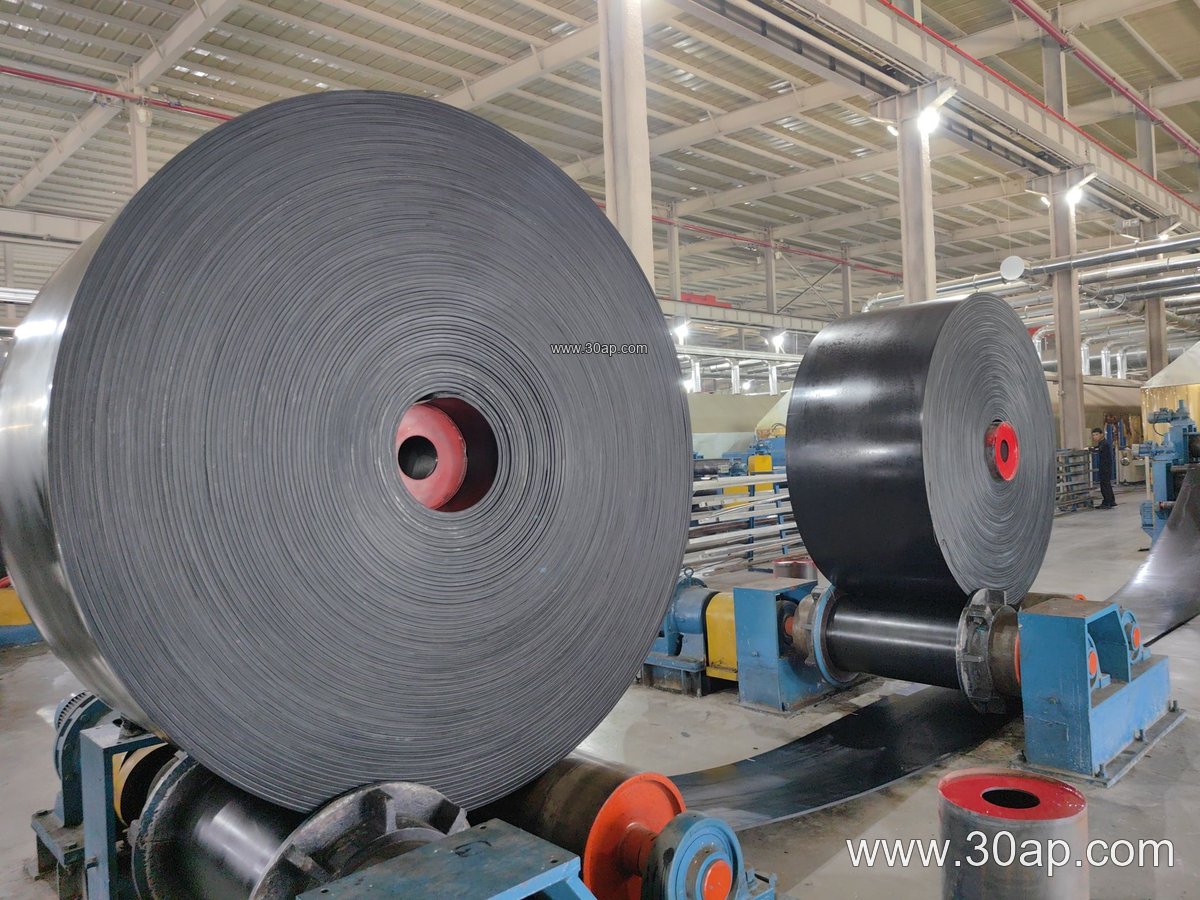
The ST1600 Conveyor Belt is a steel cord conveyor belt with a nominal tensile strength of 1600 N/mm per unit width. It belongs to the steel cord family of heavy-duty belts, where the load-bearing element is a layer of high-tensile steel cords embedded in rubber rather than woven fabric plies. In the naming sequence that runs from ST1000 and ST1250 up to ST2000, ST2500 and ST3150, the ST1600 sits in the upper-middle range: strong enough for long, heavily loaded conveying lines, yet still practical for many main-haul duties in mines, cement works, power stations and port terminals.
Construction and Internal Layout
A typical ST1600 belt is built around a single plane of parallel steel cords, spaced evenly across the width and tensioned during manufacture so that the finished belt shares load uniformly. The cords are bonded to the surrounding rubber through a carefully controlled adhesion layer, and the top and bottom covers protect the carcass from abrasion, impact and moisture.
Cover thickness is specified by the application rather than by the strength rating alone. Common cover combinations include 4+2 mm, 5+2 mm, 6+2 mm and 8+3 mm, with the first figure describing the carrying cover and the second the pulley-side cover. Heavier covers are usual where sharp rock, ore or clinker is loaded at high impact.
Where ST1600 Belts Are Used
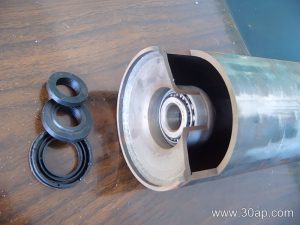
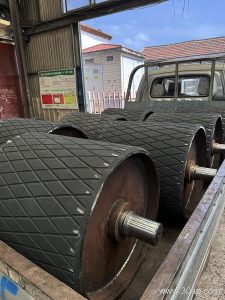
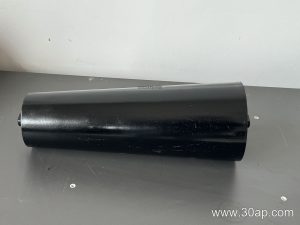
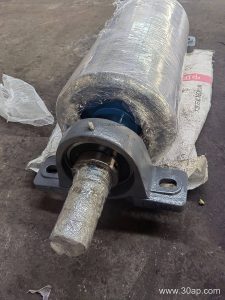
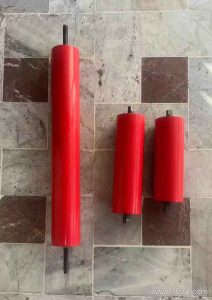
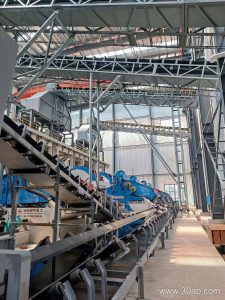
Steel cord belts in this strength class are found on main trunk conveyors in mining and quarrying, on raw-material and clinker lines in cement plants, on coal handling systems at power stations, and on ship-loading and stockyard conveyors at ports. The belt works together with the rest of the conveyor: a drive pulley transmits the tension, tail and bend pulleys route the belt, idler rollers support it along the carry and return sides, and conveyor brackets hold the idlers and pulleys in alignment.
Because ST1600 is a steel cord belt, it is most often compared with high-strength fabric constructions such as an EP1000 or EP1250 belt and with multi-ply fabric core belts. Fabric belts offer good flexibility and easier splicing in some situations, while a steel cord belt such as the ST1600 generally provides lower elongation over long centre distances and better resistance to impact from large lumps.
Cover Grades and Working Conditions
The carcass rating is only part of the specification. Buyers should also define the cover compound that suits the duty:
- Abrasion resistant covers for ore, rock and aggregate with high sliding wear.
- Heat resistant grades for cement clinker, sinter or other hot loads, with the temperature range stated by the supplier.
- Flame retardant and anti-static grades for underground coal mining, where a Mining Flame Retardant Conveyor Belt may be required.
- Oil resistant compounds for oily scrap, certain ores and industrial waste.
- Cold resistant covers for outdoor installations in freezing climates.
These cover options are separate from the ST1600 strength designation and should always be written into the enquiry together with the belt width.
Widths and Related Dimensions
ST1600 belts are produced in a range of widths to match the conveyor design. The table below shows common reference widths; the final choice depends on lump size, required capacity and pulley dimensions.
| Parameter | Common reference values |
|---|---|
| Strength grade | ST1600 (1600 N/mm) |
| Belt width | 800 mm, 1000 mm, 1200 mm, 1400 mm, 1600 mm, 1800 mm, 2000 mm |
| Cover thickness | 4+2 mm, 5+2 mm, 6+2 mm, 8+3 mm |
| Cover grades | Abrasion resistant, heat resistant, flame retardant, oil resistant, cold resistant, anti-static |
Belt width and pulley diameter are matched by the conveyor designer, not by a fixed rule: a wider belt does not automatically mean one particular pulley size, and shaft diameter is calculated from the actual loads. A 1200 mm or 1400 mm ST1600 is common on main haulage, while 1800 mm and 2000 mm widths appear on high-capacity port and mine systems.
Selection and Maintenance Notes
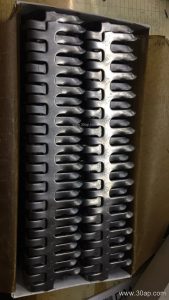
When specifying an ST1600 Conveyor Belt, provide the required tensile strength, belt width, cover thickness and cover grade, the material being carried, lump size, belt speed and the centre distance. Confirm the splice method with the supplier, since steel cord belts are usually joined by vulcanised splicing and the joint strength depends on correct cord alignment.
In service, check idler rollers for seized bearings and worn shells, inspect the drive pulley lagging and bend pulleys for build-up, and keep conveyor brackets tight so the belt trains correctly. Monitor cover wear at the loading point, where impact is highest, and look for cord exposure or edge damage before it spreads. Trimming and repairing small cover defects early is cheaper than replacing a full belt. For a long overland line, matching the ST1600 belt to properly sized pulleys and well-maintained idlers will do more for belt life than any single component upgrade.