What an 800mm Diameter Conveyor Pulley Is
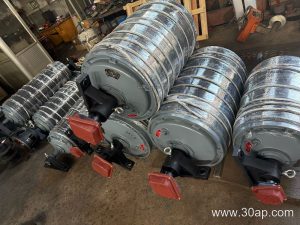
An 800mm diameter conveyor pulley is a large-diameter drum used to drive, tension, or redirect a conveyor belt in demanding bulk material handling circuits. At this size, the pulley often serves as a head or drive pulley on high-capacity systems where belt wrap and torque transmission are critical. Unlike smaller snub or bend pulleys, an 800mm diameter unit provides a generous contact arc, which helps reduce belt stress and improve traction when paired with the right lagging. You will find this size in primary crushing circuits, stockyard conveyors, and main haulage lines where reliability matters more than saving space.
Construction and Key Components
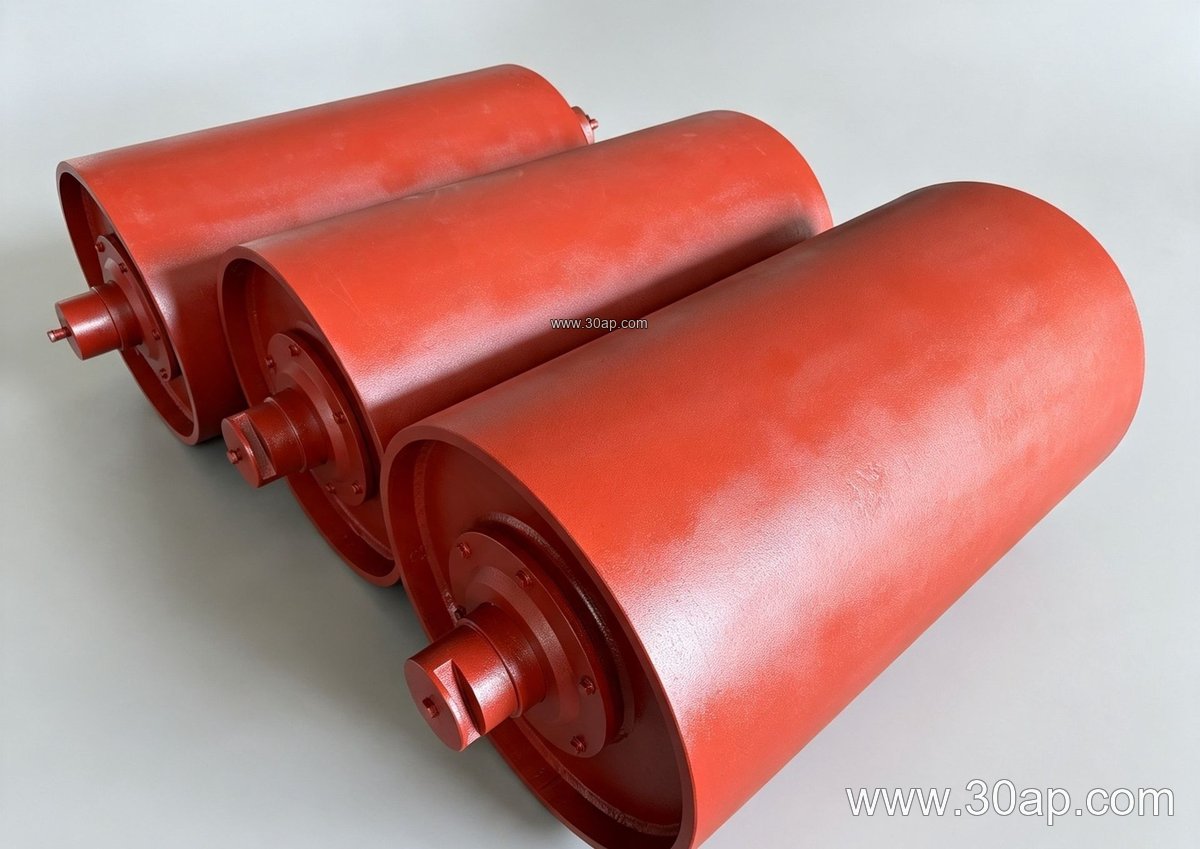
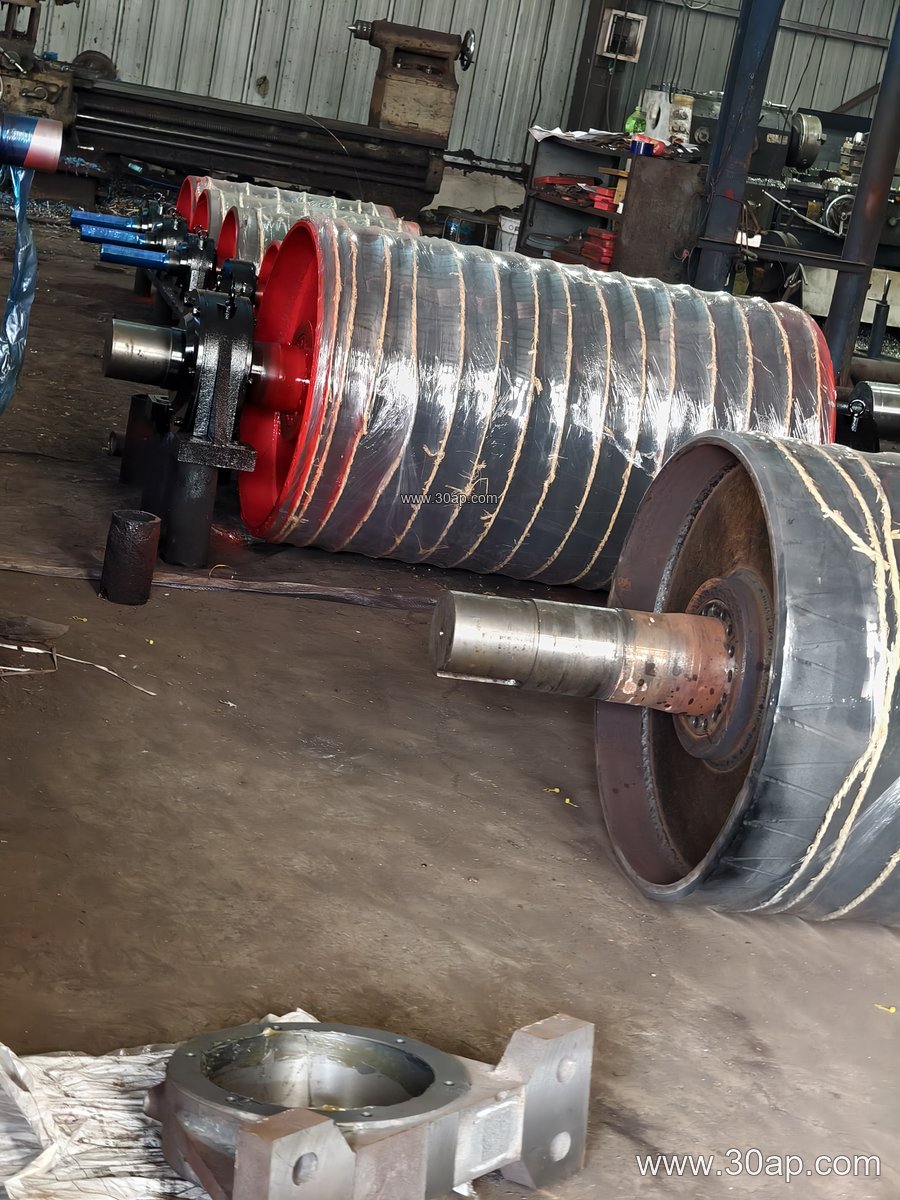
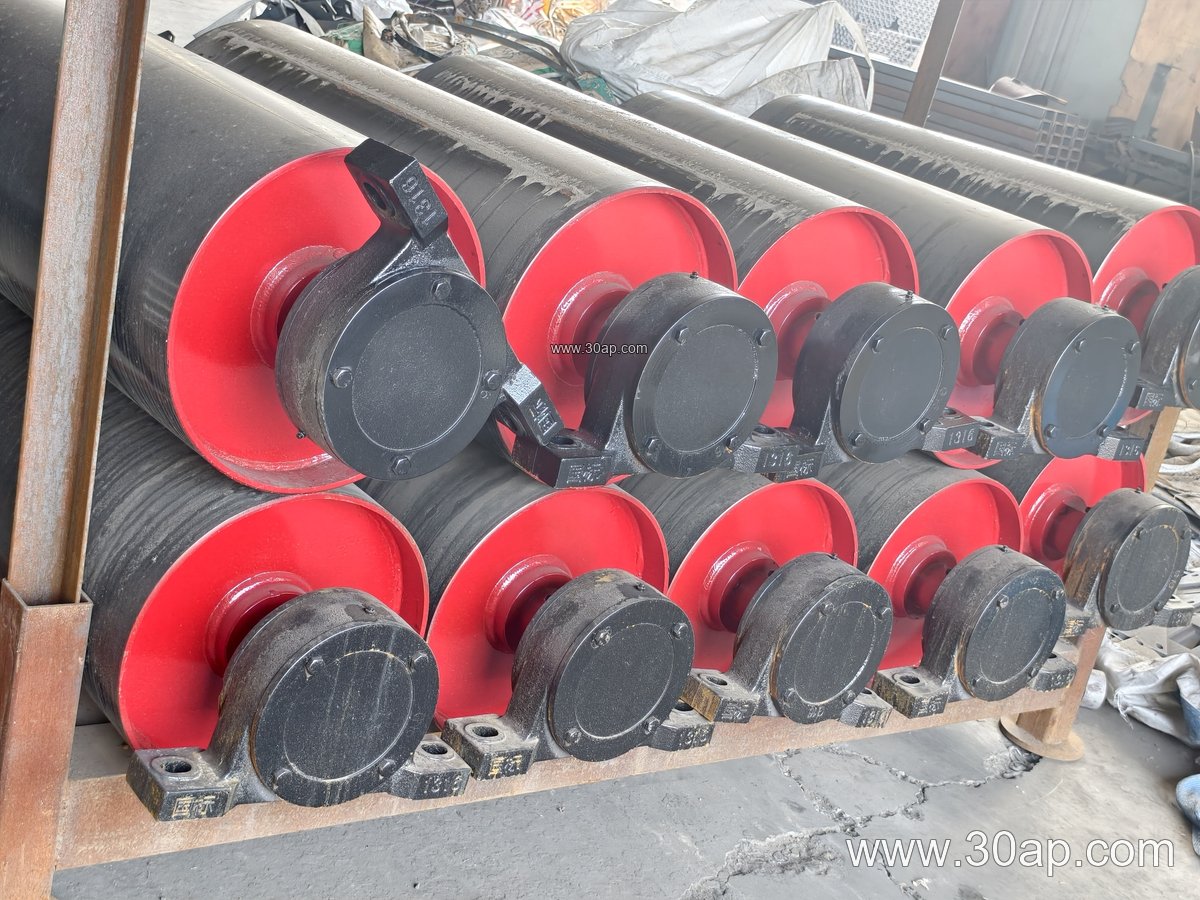
A typical 800mm diameter pulley is built around a welded steel shell, with end discs and a shaft sized by torque and radial load rather than belt width alone. Common shaft diameters for this class range from Ø120 to Ø200, depending on the drive arrangement and bearing span. The shell surface may be plain, or it may carry lagging to suit the application: diamond lagging for general grip, ceramic lagging for high-abrasion service, or plain rubber for gentler contact. Bearing housings, locking assemblies, and a sturdy conveyor bracket are part of the assembly, and the bracket must be matched to the pulley load and mounting position.
Where It Fits in the Conveyor Layout
This pulley size is frequently specified as a drive or head pulley on main line conveyors in coal mining, cement plants, and iron ore operations. In a quarry or aggregate line, it may be the tail pulley on a long overland conveyor, where the extra diameter helps control belt tracking and reduces bending stress. It is not a universal replacement for a bend pulley or a snub pulley; those positions have different load profiles and space constraints. When a system needs more wrap angle at the drive, an 800mm diameter pulley can be paired with a smaller bend pulley to achieve the required contact without oversizing the entire head station.
Typical Specifications and Surface Options
While every project is engineered individually, the following table shows common reference ranges for an 800mm diameter conveyor pulley. These are not fixed combinations, and final dimensions depend on belt tension, speed, and duty cycle.
| Parameter | Common Reference Range |
|---|---|
| Pulley diameter | Ø800 mm |
| Belt width compatibility | B800 to B1600 (typical) |
| Shell face width | Approx. 950 mm to 1800 mm |
| Shaft diameter | Ø120 to Ø200 mm |
| Lagging thickness | 8, 10, 12, 15, 20 mm |
| Lagging type | Plain, diamond, ceramic, rubber |
| Bearing type | Spherical roller bearing (common) |
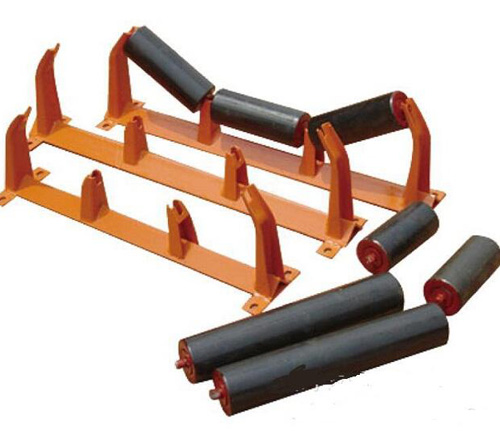
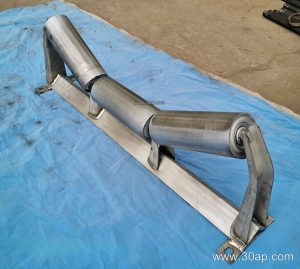
Surface selection should follow the material being conveyed. A high-abrasion iron ore duty may call for ceramic lagging, while a coal mining conveyor with flame retardant requirements might use rubber lagging that meets the site’s fire safety rules. The pulley works together with the conveyor belt, idler roller, and conveyor bracket to keep the system aligned and efficient.
Buyer Checklist for an 800mm Pulley
- Confirm the actual belt width and belt type, such as EP conveyor belt, steel cord conveyor belt, or a multi-ply fabric core conveyor belt, because belt tension affects shaft and bearing selection.
- Specify the pulley position: drive, tail, tension, or bend. Each position has different load and wrap requirements.
- State the lagging preference and thickness, and whether the environment needs oil resistant, heat resistant, or flame retardant properties.
- Provide the conveyor bracket interface dimensions and bearing center distance so the pulley fits the existing structure.
- Ask for the dynamic balance grade and runout tolerance if the conveyor runs at higher speeds.
For cement plant or power plant coal handling, buyers often request an 800mm diameter pulley with a heavier shaft and reinforced end discs to handle continuous duty. In a sand and gravel operation, the same diameter may be used with a simpler lagging and standard bearing housing. The key is to treat the 800mm diameter as a starting point and let the conveyor design define the final shaft, lagging, and bracket details.
Maintenance and Long-Term Reliability
Regular inspection of lagging wear, bearing temperature, and shaft alignment will extend the service life of any large pulley. On an 800mm diameter unit, lagging replacement is a common maintenance task; cold-bonded or hot-vulcanized rubber can be renewed without replacing the whole drum. Keep the conveyor belt tension within the design range, and check that the idler roller frames and conveyor bracket bolts remain tight. In dusty environments such as a coal mining or quarry site, seal protection and periodic greasing are essential. A well-matched pulley reduces belt slippage and helps the entire conveyor system run smoothly.