What a Stone Conveyor Idler Does on the Line
A stone conveyor idler is the rotating support that carries the conveyor belt and the load along the carrying and return sides of a belt conveyor. In quarry, aggregate, and crushing circuits, these idlers must handle sharp rock, dust, and impact while keeping the belt tracking smoothly. Unlike a conveyor pulley that drives or redirects the belt, the idler roller only supports it, so its role is continuous load bearing rather than power transmission.
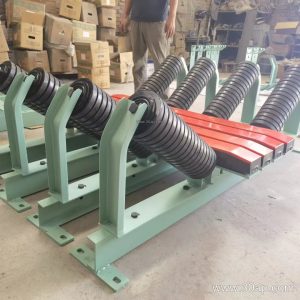
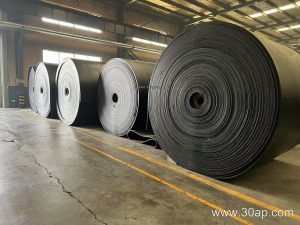
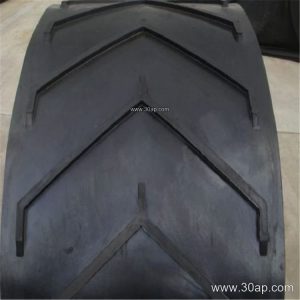
The idler works together with the conveyor belt, conveyor bracket, and frame. In a typical stone crushing line, a heavy-duty mining conveyor belt moves material over a series of idlers spaced along the structure. The idler’s shell, bearings, and seals determine how well it survives grit and moisture.
Construction and Common Types
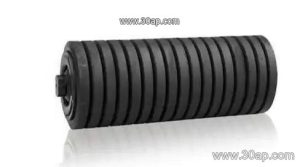
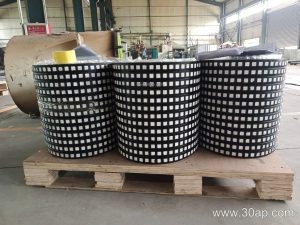
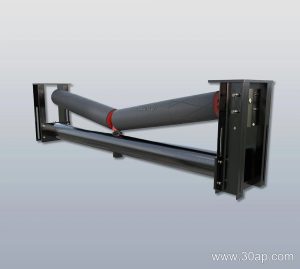
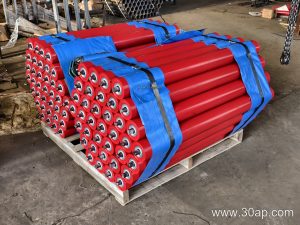
Most stone conveyor idlers use a steel tube shell with pressed bearing housings and sealed ball bearings. Roller surfaces may be plain steel, nylon, ceramic, or rubber rings. Rubber-ring impact idlers are often placed at transfer points where large stone lumps fall onto the belt. Troughing idlers, return idlers, and self-aligning idlers each serve different positions on the conveyor.
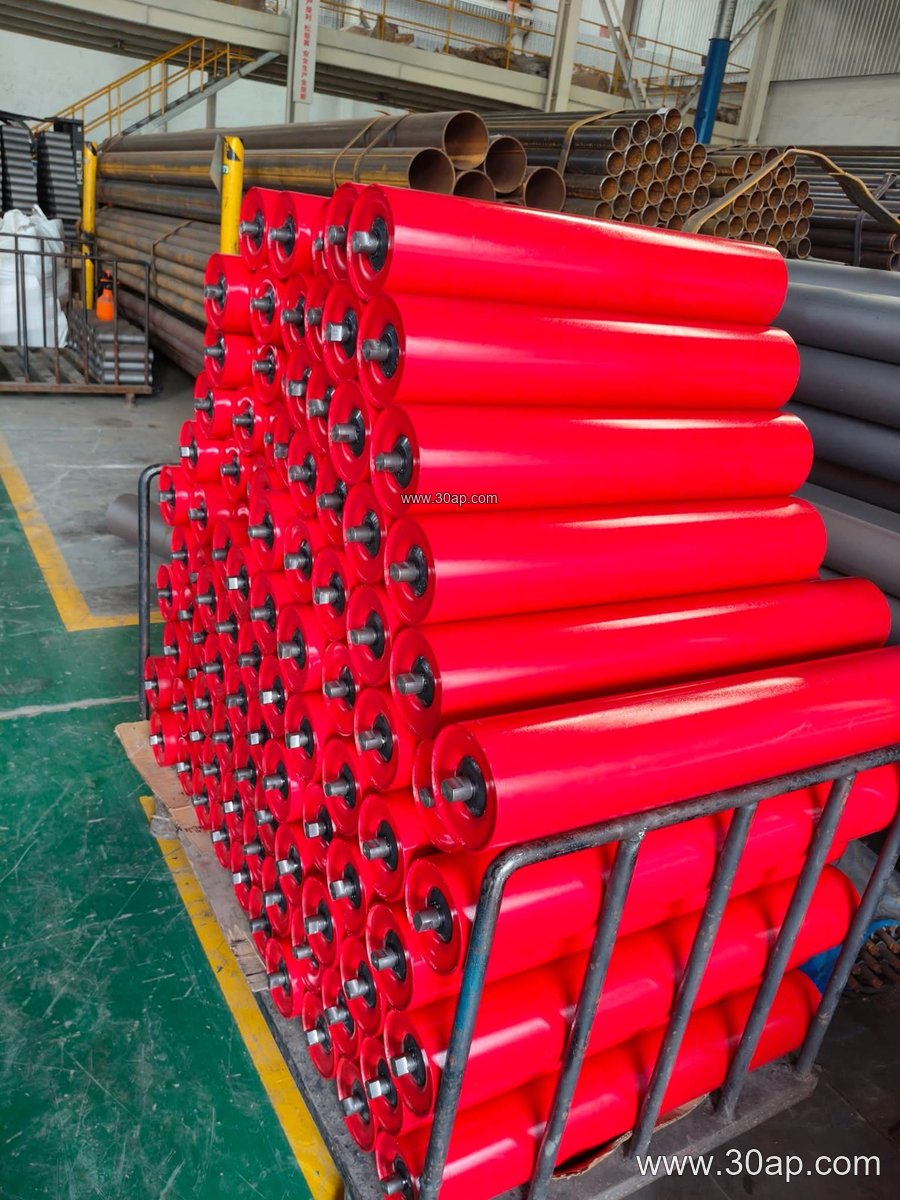
- Troughing idler set – usually two or three rolls forming a trough that keeps bulk stone centered on the belt.
- Impact idler – rubber-ring or cushioning rolls used under loading chutes and crusher discharge.
- Return idler – flat or V-shaped rolls supporting the empty belt on the return strand.
- Self-aligning idler – friction or conical rolls that help correct belt misalignment.
Bearing sizes commonly include 6204, 6205, 6305, 6306, 6308, and 6310, but the bearing must be matched to the roll diameter and load, not chosen by belt width alone.
Matching Roll Diameter and Belt Width
Roll diameter and belt width are related through the idler set design, but there is no single mandatory pairing. A B800 belt may use Ø89 or Ø102 rolls in a three-roll troughing set, while a B1200 conveyor in a primary crushing plant often uses Ø127 or Ø133 rolls. Larger diameters are common on high-tonnage lines using a steel cord conveyor belt or a thick abrasion resistant conveyor belt.
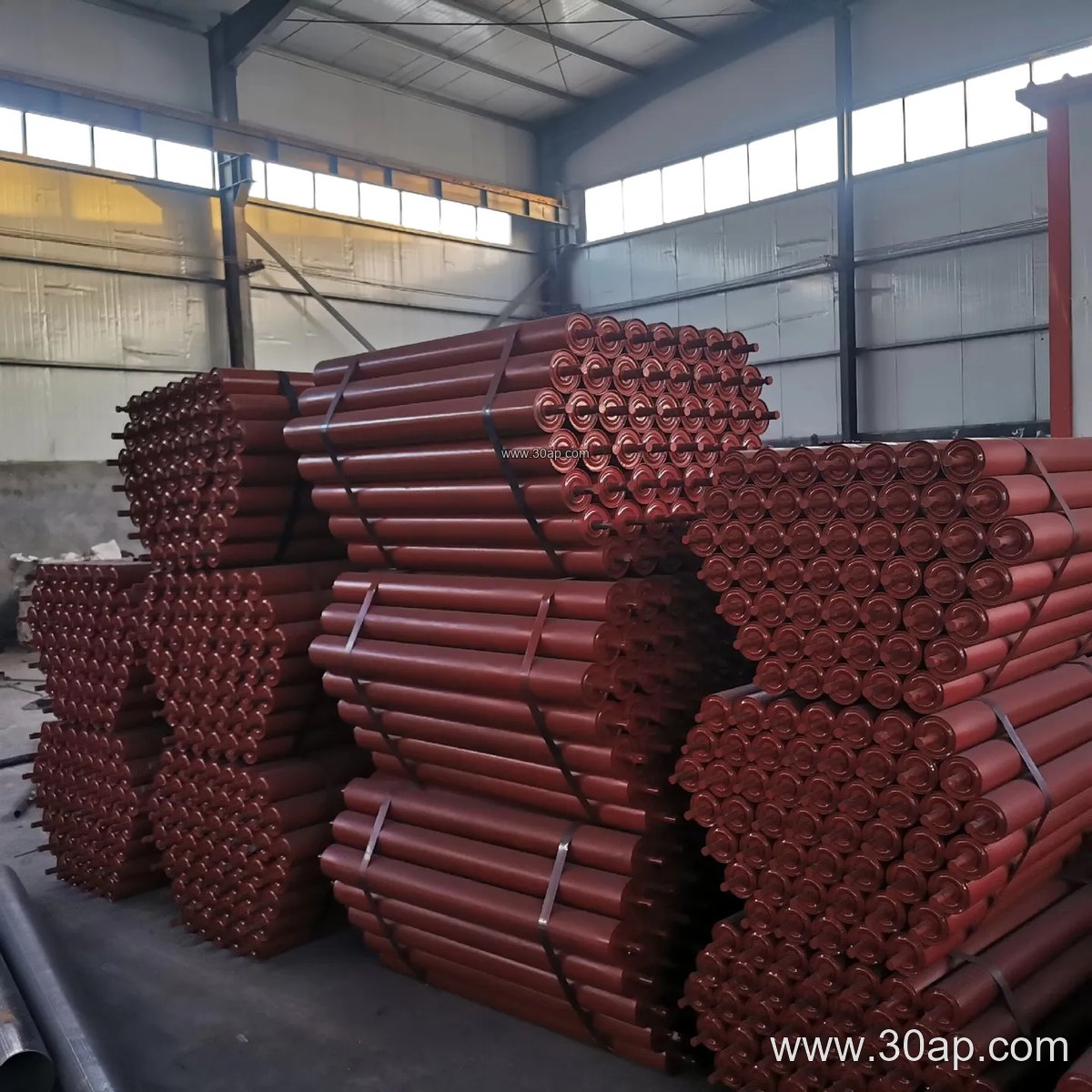
The table below shows typical reference values; final selection depends on load, speed, and frame design.
| Belt width | Common troughing roll diameter | Typical roll length (three-roll set) |
|---|---|---|
| B500 | Ø63–Ø89 | approx. 200 mm |
| B650 | Ø76–Ø102 | approx. 250 mm |
| B800 | Ø89–Ø108 | approx. 315 mm |
| B1000 | Ø102–Ø127 | approx. 380 mm |
| B1200 | Ø108–Ø133 | approx. 465 mm |
| B1400 | Ø127–Ø159 | approx. 530 mm |
| B1600 | Ø133–Ø178 | approx. 600 mm |
| B1800 | Ø159–Ø194 | approx. 670 mm |
Side rolls and center rolls can differ in length, and trough angles of 20°, 30°, 35°, or 45° change the belt profile. A 35° trough is common in aggregate conveying, while a 45° angle may suit certain high-capacity stone lines.
Where Stone Conveyor Idlers Are Used
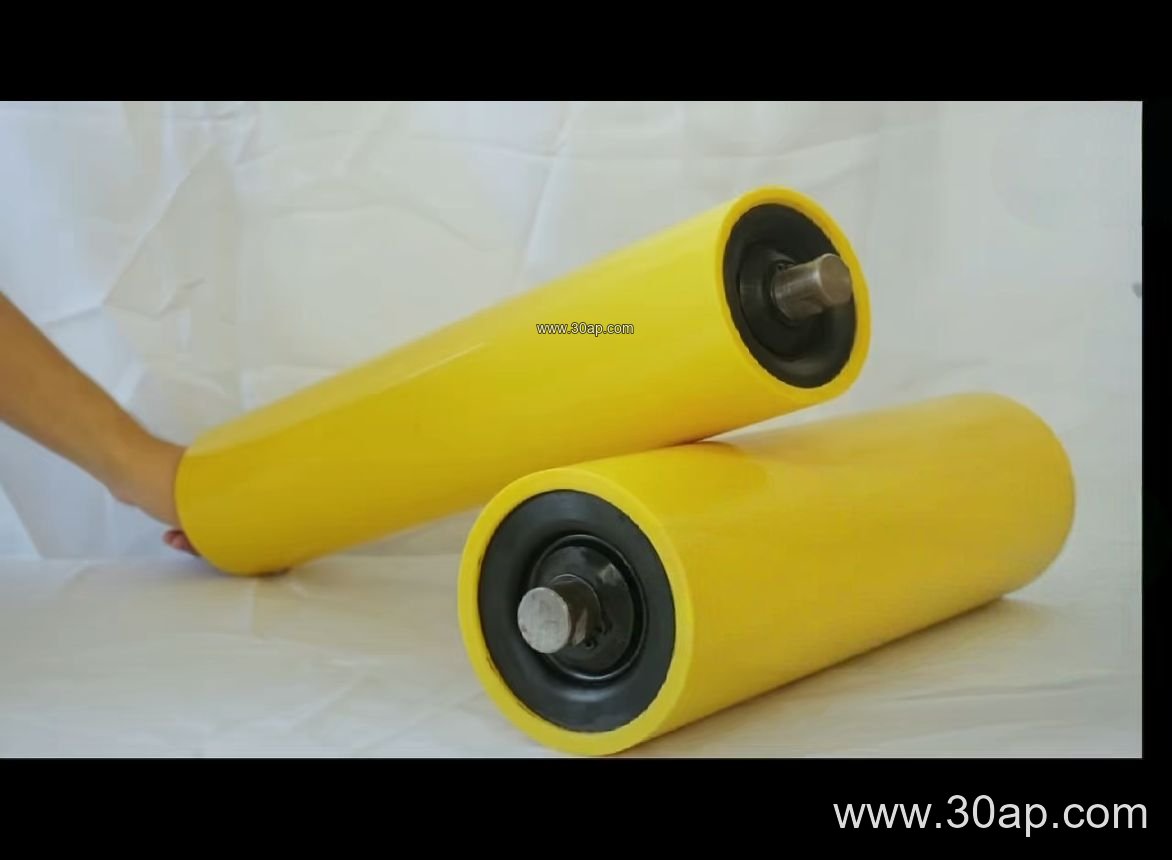
These idlers appear in quarry and sand-and-gravel plants, limestone mines, and crushing and screening circuits. A quarry conveyor belt moving blasted rock relies on impact idlers at the crusher outlet and troughing idlers along the incline. In a cement plant, idlers handle clinker and limestone, often with a heat resistant conveyor belt near kiln areas. In a coal washing plant, flame retardant conveyor belt and anti-static conveyor belt may be used together with sealed idlers to reduce dust ignition risk.
Other common sites include iron ore and copper ore handling, power plant coal yards, and port bulk terminals. The same idler design may be used with an EP conveyor belt, NN conveyor belt, or steel cord conveyor belt, provided the roll load rating suits the application.
Buyer Checklist
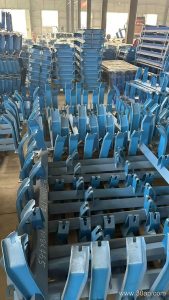
Before ordering, confirm the belt width, trough angle, roll diameter, roll length, bearing size, and mounting bracket dimensions. Ask how the seal is designed for dusty stone service. For high-abrasion duty, consider a thicker shell and rubber-ring impact rolls at transfer points. For cold climates, check that the bearing grease and seal materials suit low temperatures; a cold resistant conveyor belt may be used alongside, but the idler itself must also be rated for the environment.
Spare parts planning matters. Keep a set of troughing rolls and return rolls on hand, because a seized idler can damage the belt surface and cause tracking problems. Inspect idlers during routine belt shutdowns, and replace any roll with a worn shell, noisy bearing, or damaged seal.