Understanding the 1250mm Drive Pulley
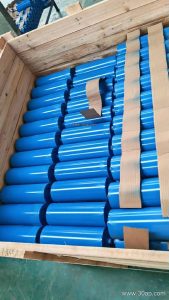
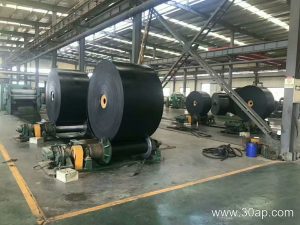
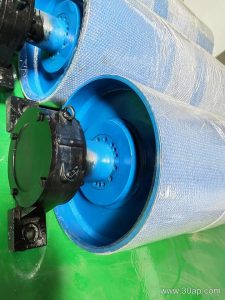
A 1250mm drive pulley is a large-diameter head pulley that transmits power to the conveyor belt at the discharge end of a bulk material handling system. With a nominal diameter of 1250 mm, this pulley is typically selected for high-tension applications where the belt width and load require substantial wrap and torque transmission. In quarry and aggregate operations, for example, a 1250mm drive pulley often works alongside a heavy-duty abrasion resistant conveyor belt to move crushed stone at high capacity.
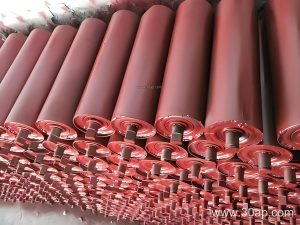
The drive pulley is distinct from tail, bend, and take-up pulleys; it is the component connected to the gearbox or motor that pulls the belt. A 1250mm drive pulley may also be referred to as a 1250mm head pulley or 1250mm driving drum, but it should never be confused with a tail pulley or bend pulley, which serve different roles in the conveyor layout.
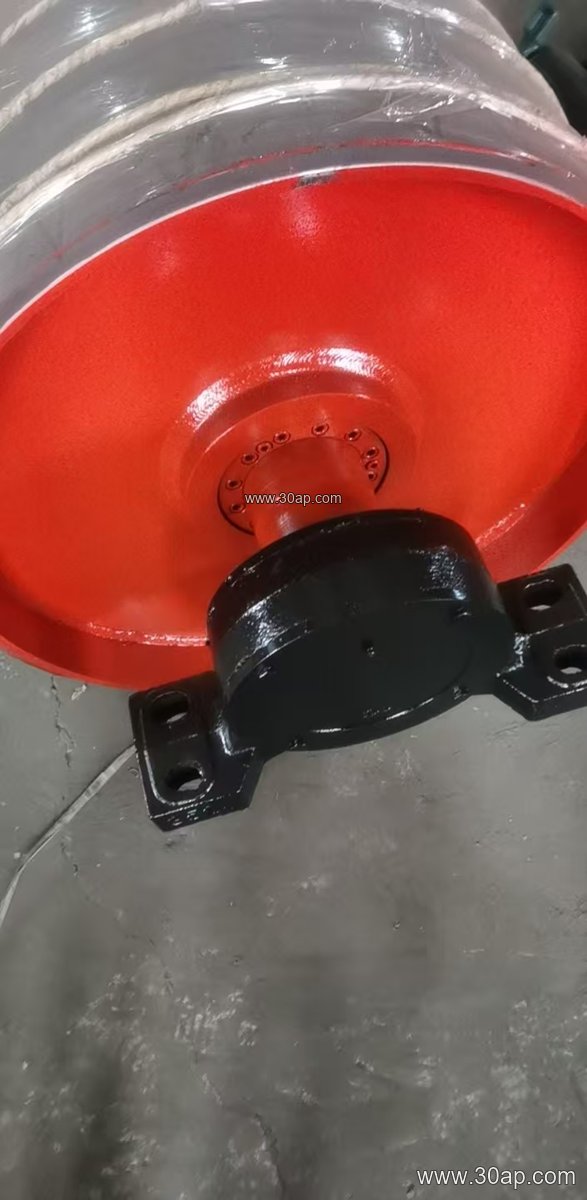
Construction and Surface Options
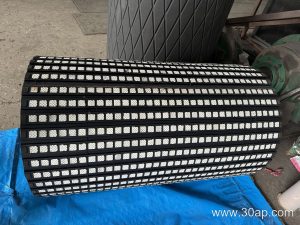
These pulleys are built around a welded steel shell with machined end discs and a shaft sized by torque and radial load, not by belt width alone. Common shaft diameters for large pulleys range from Ø160 to Ø200 mm, though the final value is determined by the conveyor designer. The shell surface can be supplied plain, with cold-bonded rubber, hot-vulcanized rubber, diamond grooving, herringbone grooving, or ceramic lagging. Lagging thickness commonly falls between 8 mm and 20 mm depending on the required friction and wear life.
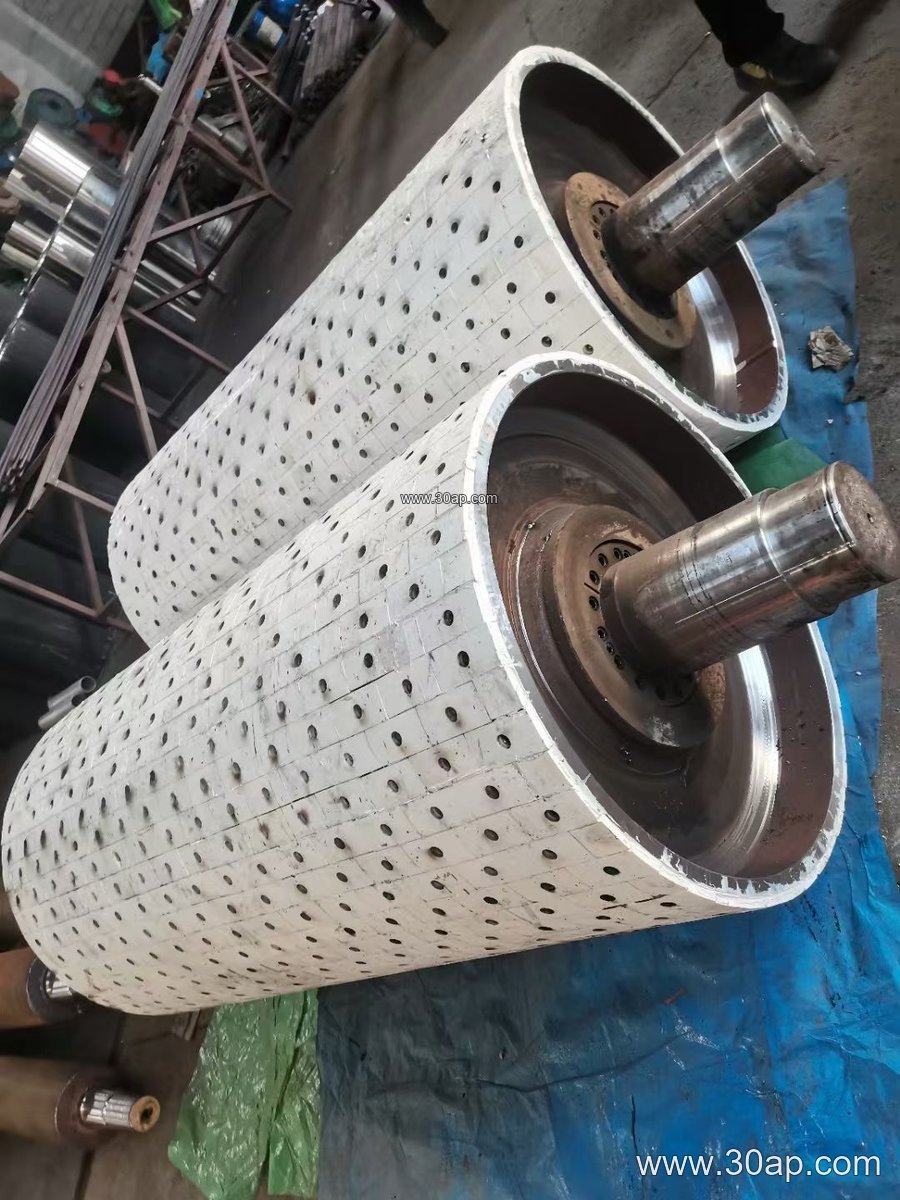
For a 1250mm drive pulley handling wet or oily conditions, diamond or herringbone lagging helps maintain grip. In coal mining and underground coal mining conveyor systems, flame retardant conveyor belt and anti-static conveyor belt are often paired with lagged drive pulleys to meet safety requirements. The pulley shell width usually exceeds the belt width by 100 to 200 mm; for instance, a B1200 conveyor belt would typically run on a pulley face around 1400 mm, while a B1400 belt might use a 1600 mm face.
Where a 1250mm Drive Pulley Fits
This size is common in cement plants feeding clinker to the mill, in power plant coal handling, and in iron ore or copper ore concentrators where high belt tensions demand a large diameter. It also appears in port bulk material loading systems and in primary crusher discharge conveyors. When specifying a 1250mm drive pulley, engineers consider the conveyor belt type—such as EP conveyor belt, NN conveyor belt, or steel cord conveyor belt—because the belt’s modulus and allowable troughing affect the required pulley diameter and face width.
A drive pulley of this diameter is not interchangeable with a bend pulley or a take-up pulley, even if the face width matches. The drive pulley must handle the full turning moment, while bend and take-up pulleys guide or tension the belt with much lower torque. Similarly, a 1250mm drive pulley should not be substituted with a smaller tail pulley or a winged pulley of the same width.
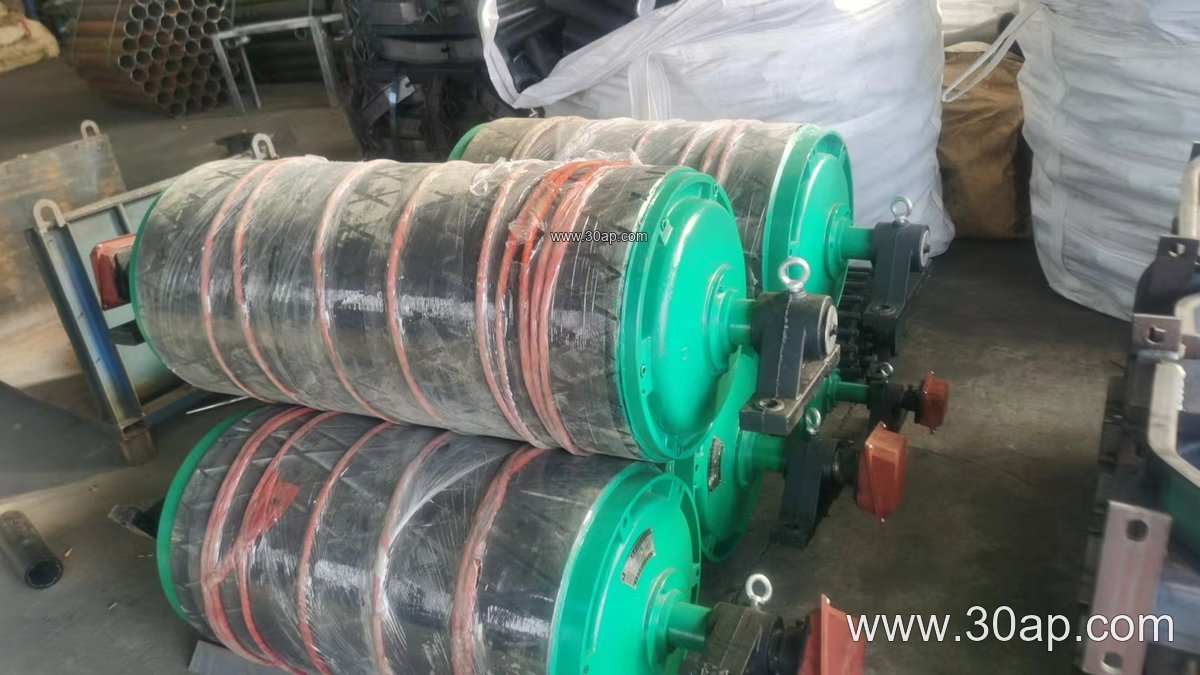
Key Parameters for Buyers
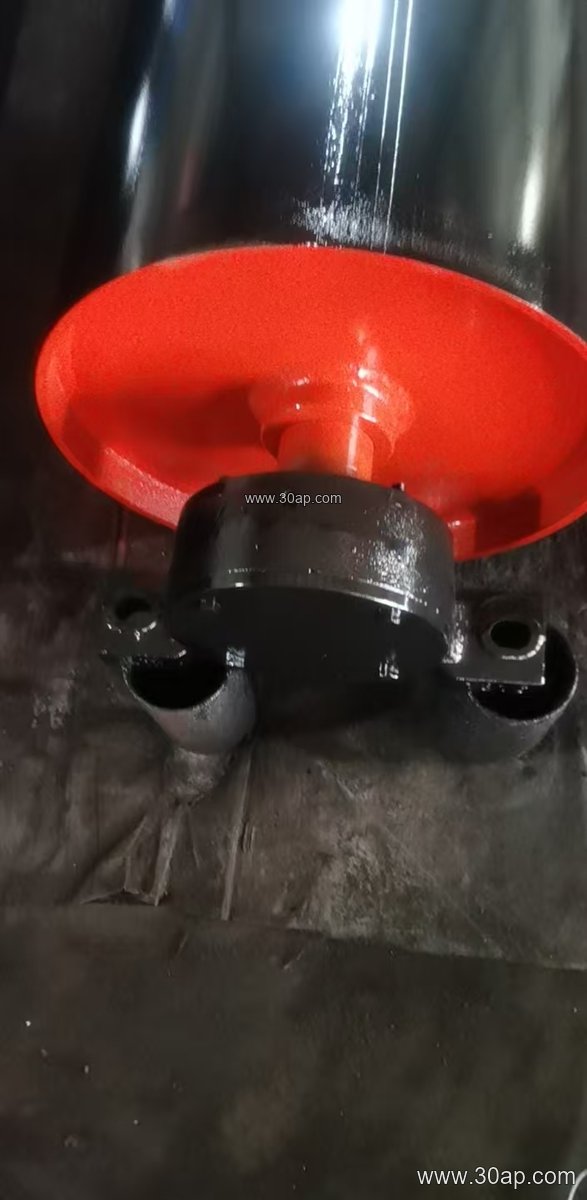
When inquiring about a 1250mm drive pulley, provide the belt width, belt type, desired lagging, shaft diameter, and bearing arrangement. The table below lists common reference values; final dimensions are confirmed by the conveyor design.
| Parameter | Common Reference Range |
|---|---|
| Pulley diameter | Ø1250 mm |
| Belt width compatibility | B1000 to B1400 (face width typically 1150–1600 mm) |
| Shaft diameter | Ø160, Ø180, Ø200 mm (by torque load) |
| Lagging thickness | 8, 10, 12, 15, 20 mm |
| Surface form | Plain, diamond lagging, herringbone lagging, ceramic lagging |
| Bearing type | Spherical roller bearing, pillow block or flange |
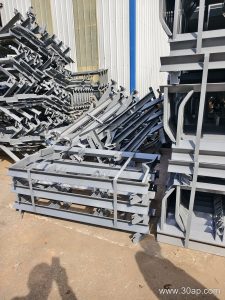
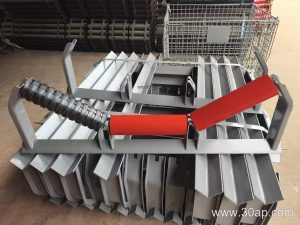
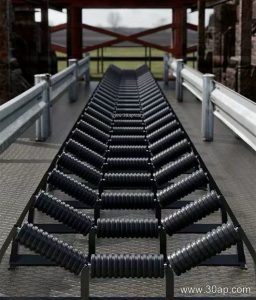
Buyers should also confirm the conveyor bracket interface and the idler roller spacing near the drive to avoid belt tracking issues. For high-abrasion service, such as quarry conveyor belt or crusher conveyor belt lines, a ceramic lagging may extend service life. In food or clean applications, a food grade conveyor belt may require a smooth, easily cleaned pulley surface.
Maintenance and Selection Notes
Regular inspection of lagging wear, shaft key condition, and bearing temperature helps prevent unplanned stoppages. A 1250mm drive pulley should be checked for rubber debonding, especially in high-temperature locations where heat resistant conveyor belt is used. Alignment with the conveyor belt and proper tension from the take-up system reduce edge damage and extend pulley life.
Do not assume that a given belt width fixes the shaft diameter or that one pulley diameter suits every conveyor. The 1250mm drive pulley is a robust choice for high-capacity systems, but selection must follow the actual belt tension, speed, and environmental conditions. For mining conveyor belt, coal mining conveyor belt, or aggregate conveyor belt applications, consult the conveyor designer to match pulley, lagging, and belt specification as a system.