What a 1250mm Diameter Conveyor Pulley Is
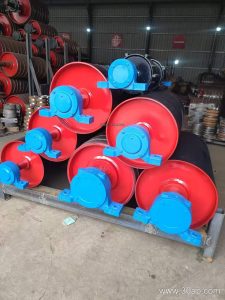
A 1250mm diameter conveyor pulley is a large-diameter drum used at the head, tail, or bend positions of a heavy-duty belt conveyor. At this size, the pulley is usually a welded steel drum with a machined shell, reinforced end discs, a keyed hub, and a shaft sized for the torque and radial loads of the drive or return point. In practice, a 1250mm diameter pulley is often specified as a head or drive pulley on high-capacity lines, where the larger diameter improves belt tracking, reduces bending stress in the belt carcass, and gives more wrap area for power transmission.
The same diameter can also appear as a bend or tension pulley in long overland systems. Drive, tail, and bend pulleys are not interchangeable: each has its own load direction, lagging requirement, and shaft design. A 1250mm drum at the discharge end of a coal mining conveyor belt line does a different job from a bend pulley that simply redirects the return strand.
Construction Details That Matter
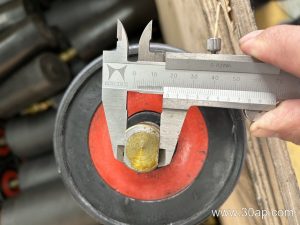
Shell thickness, end-disc geometry, and weld quality are the core of the design. A pulley of this size is normally built with a rolled steel shell, continuous welds, and a machined face so the lagging sits flat. The shaft is usually forged or turned from carbon steel, with keyways and bearing seats machined to the bearing housing. Common shaft diameters for large pulleys include Ø160, Ø180, and Ø200, but the final value should come from torque and load calculations, not from belt width alone.
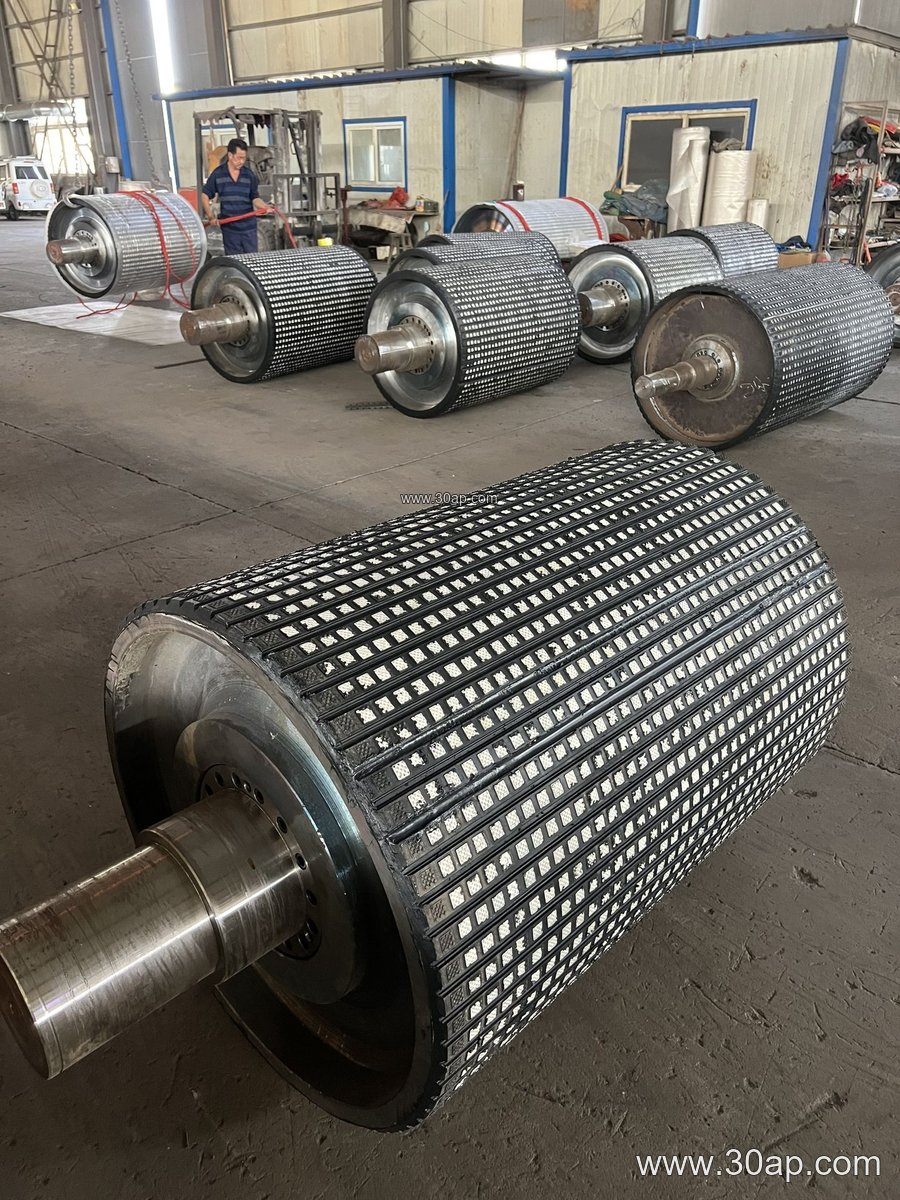
Surface options are chosen for grip and wear. Plain shell, hot-vulcanized rubber, cold-bonded rubber, diamond grooving, herringbone lagging, and ceramic lagging are all used. Lagging thickness is commonly 8, 10, 12, 15, or 20 mm. In a quarry conveyor or aggregate conveyor line, diamond rubber lagging helps shed water and fines; in a cement plant clinker section, ceramic lagging may be preferred where abrasion is severe.
Typical Service Locations
Large pulleys of this class turn up in a small number of demanding places. One is the head end of a long overland conveyor at a limestone mine or iron ore operation, where a heavy-duty mining conveyor belt carries crushed rock at high tonnage. Another is the drive station of a power plant coal handling system, where a flame retardant conveyor belt runs continuously and the pulley must handle steady torque with minimal slip.
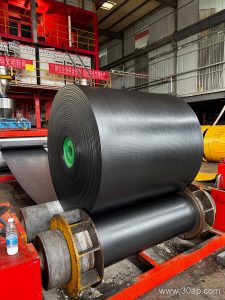
Bend and tension positions are equally relevant. On a pipe conveyor belt line or a steel cord conveyor belt system with a long return run, a 1250mm bend pulley may be used to change direction without over-stressing the carcass. The larger diameter reduces the reverse bending effect on steel cord and thick fabric core belts.
Matching the Pulley to the Belt
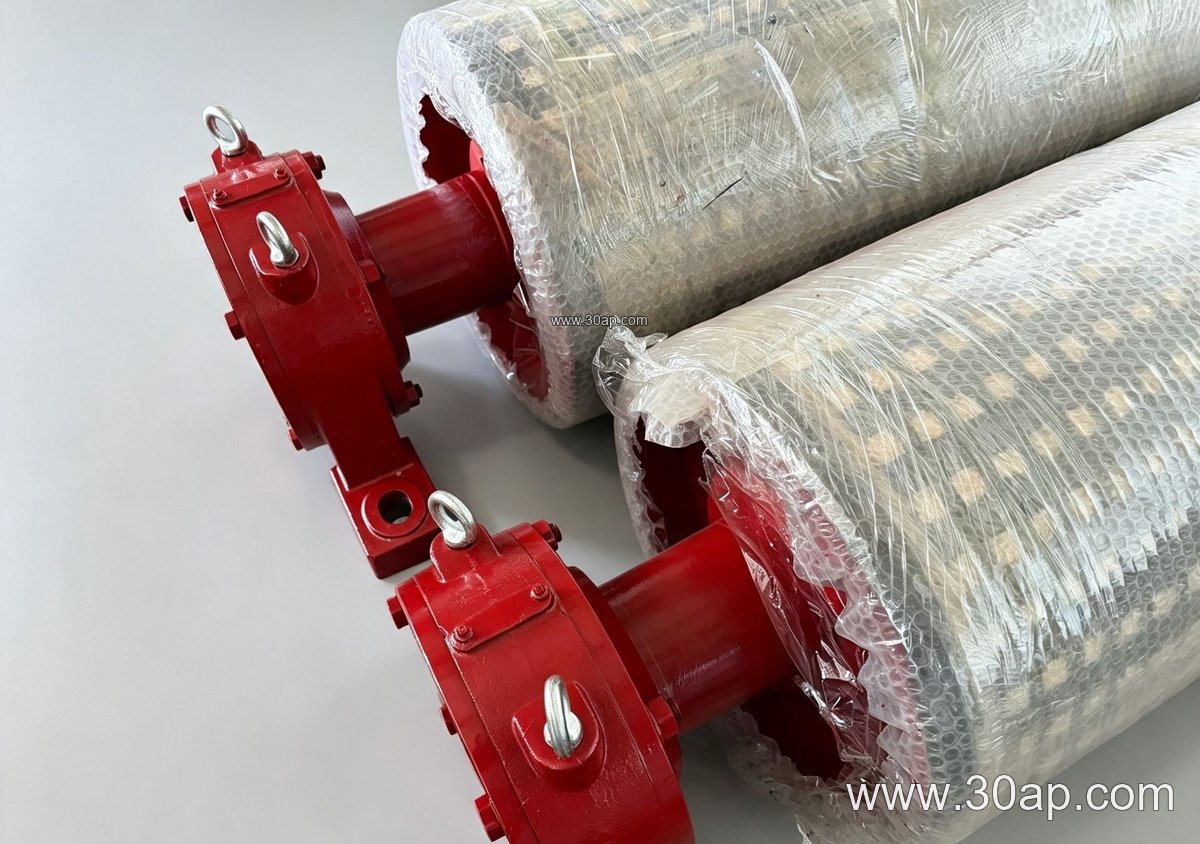
Belt width and pulley diameter are related but not locked together. A 1250mm diameter pulley could be paired with a B1200, B1400, or B1600 belt, depending on the conveyor profile, belt tension, and wrap angle. The pulley face width is normally slightly wider than the belt: a B1200 belt typically runs on a face around 1400 mm, and a B1400 belt on about 1600 mm. These are common references, not fixed rules.
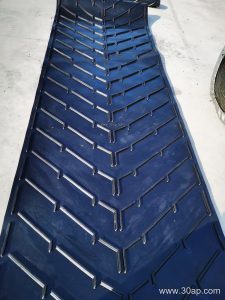
Belt type also guides the choice. An EP conveyor belt or multi-ply fabric core belt tolerates a smaller diameter than a steel cord belt of the same width, so the 1250mm size is often chosen where the carcass needs a gentler curve. On a chevron conveyor belt or corrugated sidewall belt, the pulley face and lagging pattern must clear the cleats and sidewalls, so the drum is usually plain or lightly lagged.
Buyer Checklist Before Ordering
- Confirm the pulley position: head, tail, bend, or tension. Each needs a different shaft and bearing arrangement.
- State the belt width, belt type, and belt tension so the supplier can verify the shell and shaft loads.
- Choose the lagging surface and thickness for the material: abrasive ore, wet coal, or hot clinker.
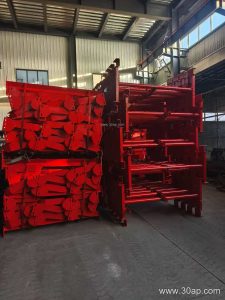
- Check the conveyor bracket and bearing housing dimensions against the existing structure.
- Ask for the shaft diameter and keyway drawing rather than assuming a value from belt width.
For a 1250mm diameter conveyor pulley, the practical questions are load, lagging, and fit. A pulley that matches the belt tension and the conveyor bracket will run cooler and last longer than an oversized or undersized drum. Buyers comparing options should also confirm how the pulley will be balanced, how the lagging is bonded, and whether the shaft is drilled for a locking assembly. Those details decide whether the unit suits a mine, a cement plant, or a port bulk terminal.