What a Gold Mining Conveyor Belt Does Underground and on the Surface
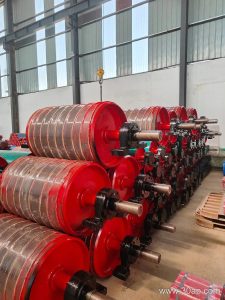
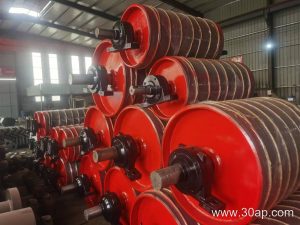
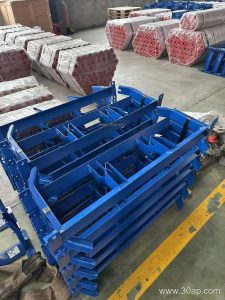
A Gold Mining Conveyor Belt moves crushed ore, waste rock, and concentrate between the crusher, stockpile, and processing plant. In narrow declines it must flex around small pulleys; on long surface runs it must handle sharp, heavy ore without excessive stretch. The belt is only one part of the circuit — conveyor pulleys, idler rollers, and conveyor brackets must match its tension and load profile. This article explains how these belts are built, where they work, and what to check before ordering.
Construction and Common Belt Types
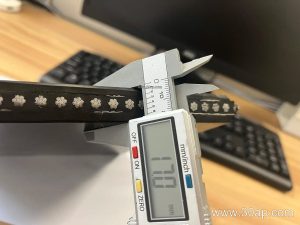
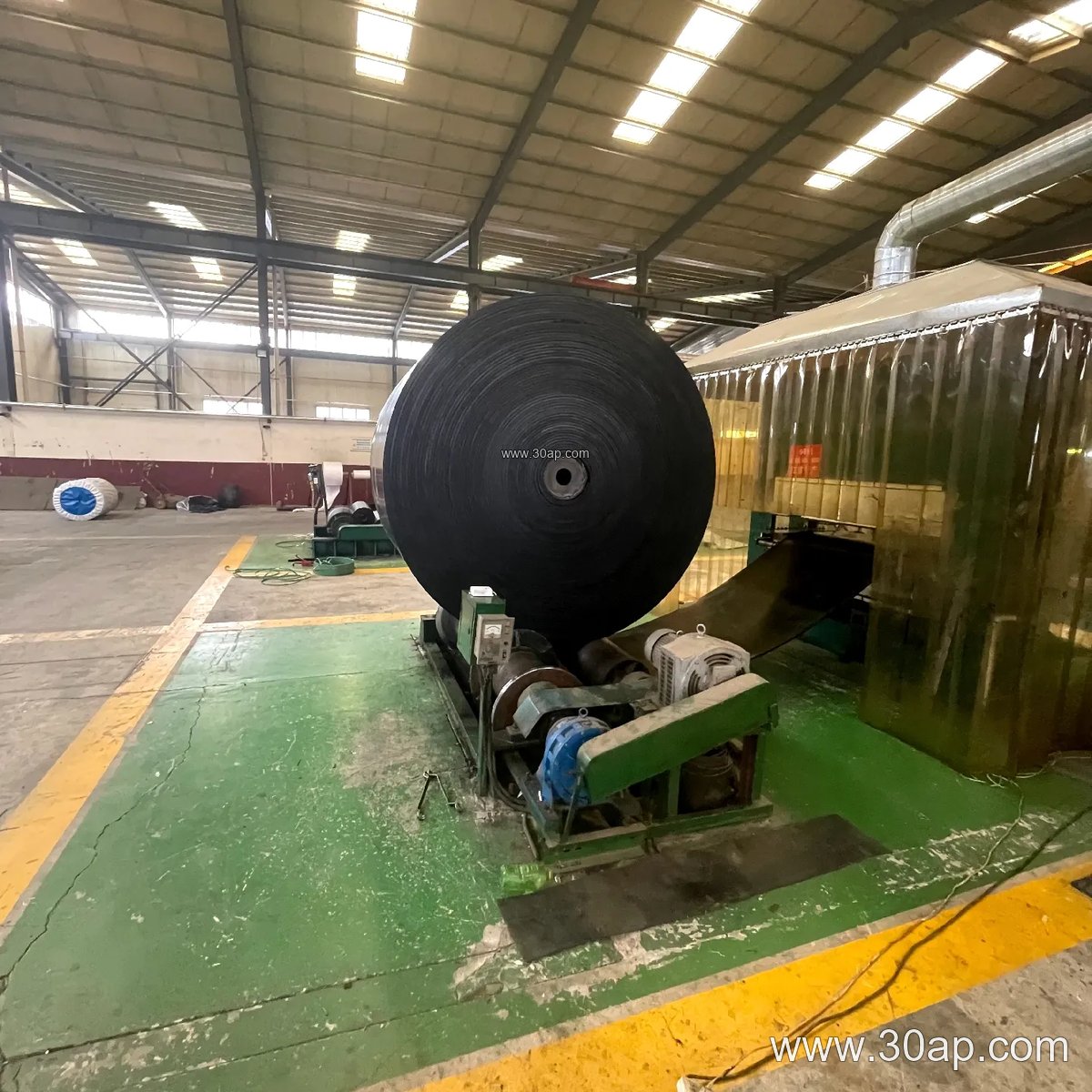
Most gold mining belts use a fabric core or steel cord carcass with rubber covers. Fabric core options include EP Conveyor Belt (polyester warp, nylon weft) and NN Conveyor Belt (nylon warp and weft). EP belts resist elongation better on long inclined runs, while NN belts absorb impact well at transfer points. For high tonnage and long center distances, a Steel Cord Conveyor Belt reduces the number of splices and carries higher tension. Rubber covers are selected for abrasion, oil, heat, or flame resistance as the duty requires.
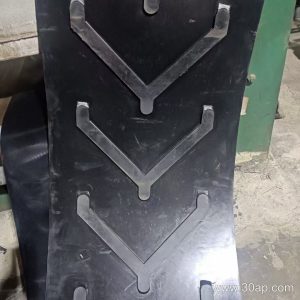
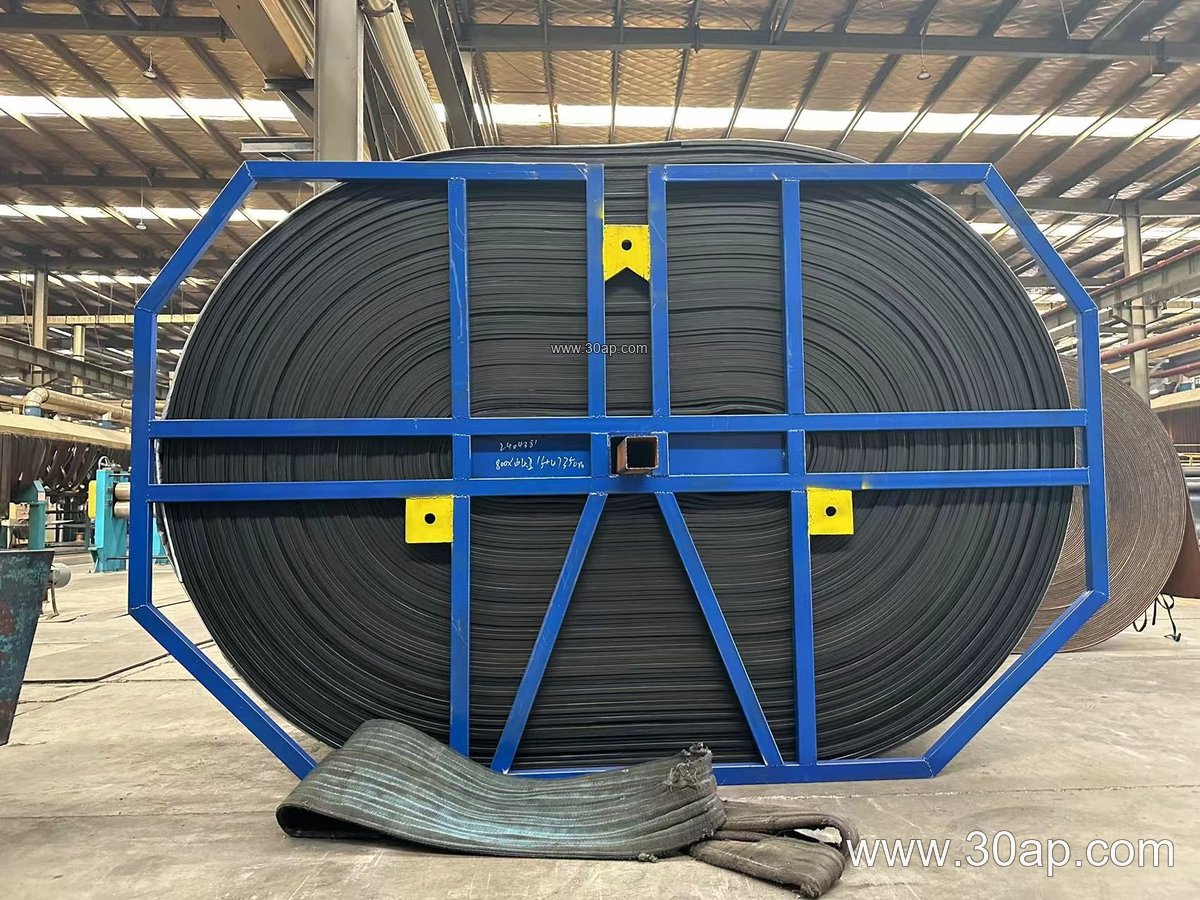
Specialty constructions solve specific gold mine problems. A Chevron Conveyor Belt or Corrugated Sidewall Conveyor Belt keeps wet, sticky ore from sliding back on steep inclines. A Pipe Conveyor Belt encloses the material to reduce spillage and dust. An Endless Conveyor Belt made to length avoids a mechanical splice on short, high-cycle runs.
Typical Specifications and Reference Sizes
The table below lists common reference values only. Actual belt width, strength, and cover thickness are determined by the conveyor design, ore lump size, and loading conditions. Different manufacturers offer different combinations.
| Parameter | Common Reference Values |
|---|---|
| Belt width (B) | B500, B650, B800, B1000, B1200, B1400, B1600, B1800, B2000 |
| EP strength grades | EP200, EP315, EP400, EP500, EP630, EP800, EP1000, EP1250, EP1600, EP2000 |
| Fabric plies | 2 to 6 plies, depending on strength grade |
| Cover thickness (top + bottom) | 3+1.5, 4+2, 5+2, 6+2, 8+3 mm |
| Steel cord grades | ST1000, ST1250, ST1600, ST2000, ST2500, ST3150 |
For example, a 1200mm wide EP1000 belt with 6+2 mm covers may suit a primary ore conveyor, while a 2000mm wide EP1250 belt with thicker covers may be chosen for high-impact transfer stations. These are examples, not fixed rules; belt width and pulley diameter are matched by the conveyor designer, not by a single formula.
Where Gold Mining Conveyor Belts Are Used
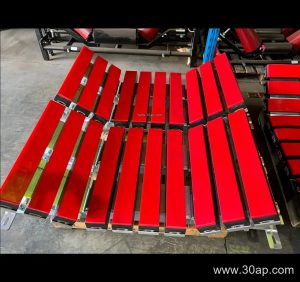
In open-pit operations, a Gold Mining Conveyor Belt carries run-of-mine ore from the pit crusher to the mill. Underground, it hauls ore from stopes to the hoisting shaft. At the processing plant, belts feed the SAG mill, move concentrate, and return tailings. Similar heavy-duty belts appear in coal mining, cement plants, power plants, and quarry operations, but gold ore is often more abrasive and heavier per cubic meter. That is why Abrasion Resistant Conveyor Belt covers are common, and why impact beds and idler rollers at transfer points need extra attention.
Buyer Checklist
- Confirm the design tension and select EP or steel cord construction accordingly. Do not assume that a wider belt automatically allows a smaller pulley.
- State the ore lump size, moisture, and temperature so the cover compound and thickness can be chosen correctly.
- Specify flame retardant or anti-static properties only when the site requires them; not every gold mine needs the same compound.
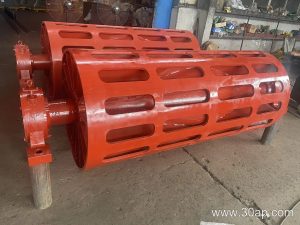
- Check that conveyor pulleys, idler rollers, and conveyor brackets are rated for the belt’s tension and load.
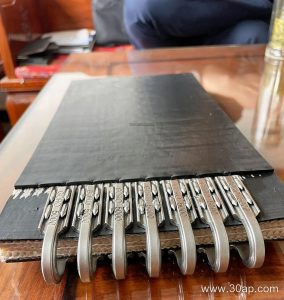
- Ask for the splice method and whether an endless belt is practical for your conveyor length.
For more information on matching a Gold Mining Conveyor Belt to your conveyor, contact our engineering team at example.com/gold-mining-conveyor-belt.