What an Aggregate Production Line Idler Does
An aggregate production line idler is the rotating support that carries the conveyor belt along the length of a crushing and screening circuit. In a quarry or sand and gravel plant, the belt is loaded with sharp, heavy rock, so the idlers must keep the belt tracking straight while absorbing constant vibration. The same component is often called a conveyor idler roller, and its job is simple to describe but hard to do well: reduce friction, protect the belt, and keep material moving from the crusher to the screen deck without spillage.
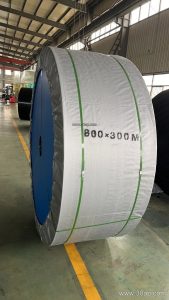
Because aggregate duty is abrasive, many plants pair these idlers with an abrasion resistant conveyor belt or a heavy-duty mining conveyor belt. The idler and the belt work as a system, and neither performs well if the other is undersized.
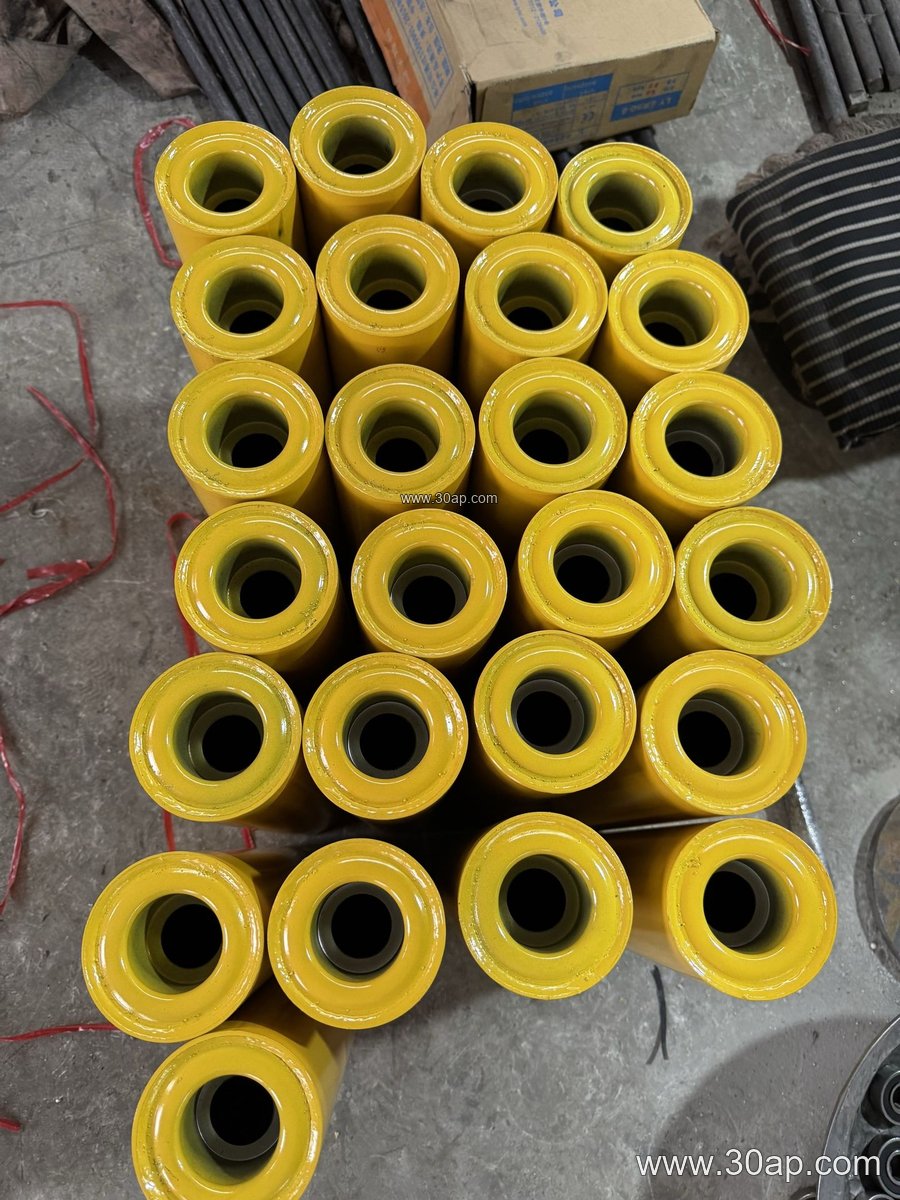
How the Idler Is Built
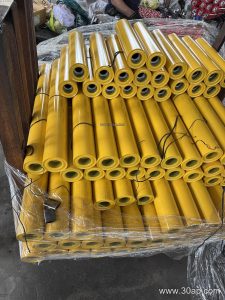
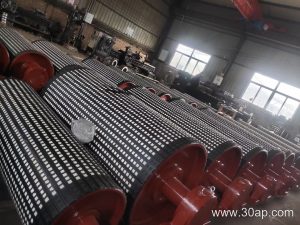
A typical idler roller consists of a steel tube shell, a shaft, bearing housings, and a sealing arrangement at each end. The shell may be plain steel, nylon-coated, ceramic-covered, or fitted with rubber rings for impact zones. Bearings are usually deep-groove ball bearings such as 6204, 6205, 6305, 6306, 6308, or 6310, selected according to load and speed rather than matched to one shell diameter. Good sealing matters in dusty aggregate plants, where fine dust and wash-down water attack bearings from both sides.
Common roller diameters include Ø63, Ø76, Ø89, Ø102, Ø108, Ø127, Ø133, Ø159, Ø178, Ø194, and Ø219 mm. Larger diameters generally suit wider, heavier belts and higher loads, but the final choice is a design decision. Roller length follows belt width and trough configuration; a three-roll troughing set on B800 might use roughly 315 mm rolls, while B1200 often calls for about 465 mm. These are typical examples, not fixed rules, and side rolls can differ from the center roll.
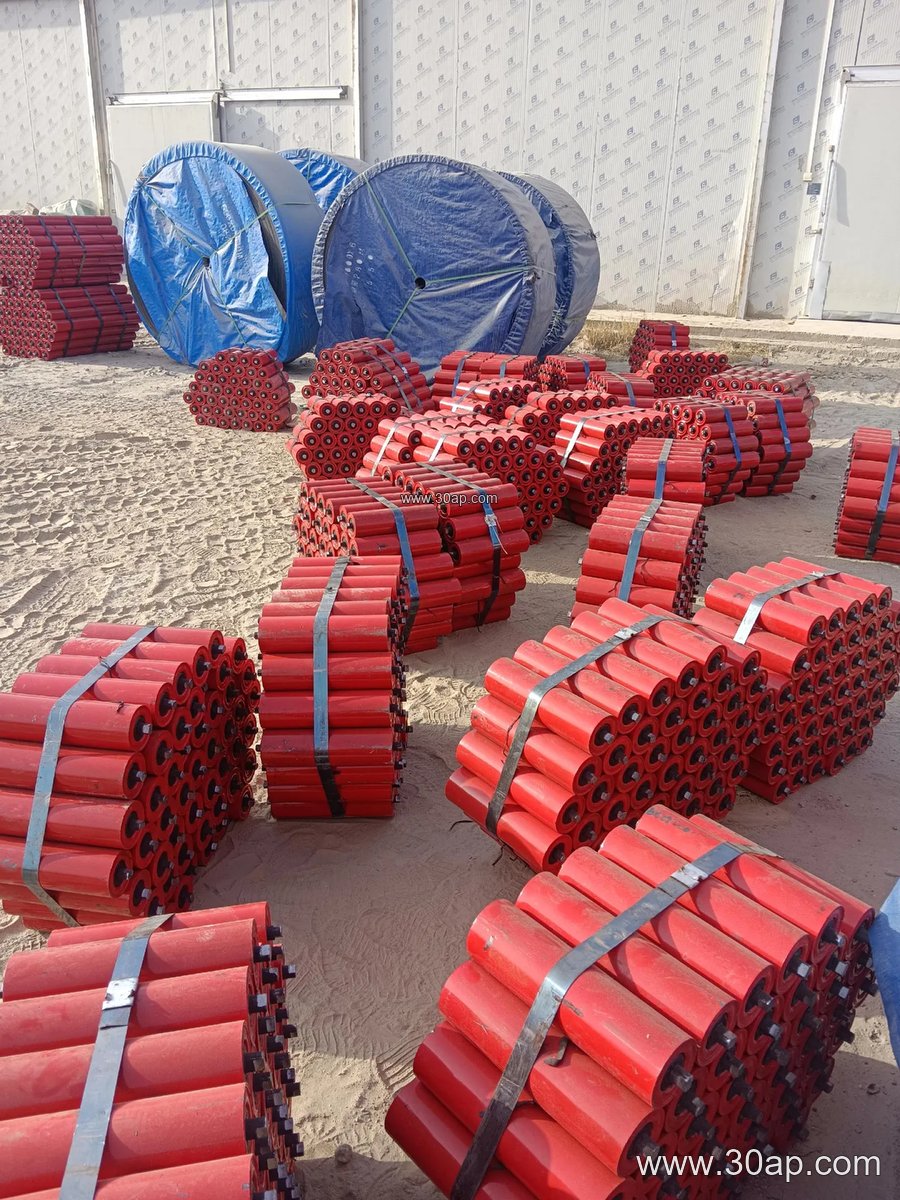
Troughing, Return, and Impact Positions
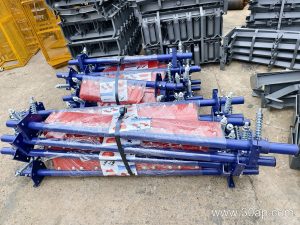
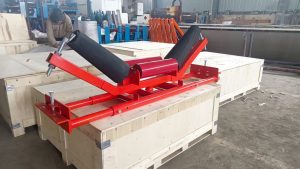
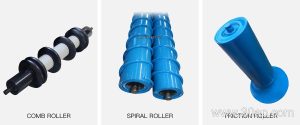
On the carrying side, three-roll troughing sets with 20, 30, 35, or 45 degree trough angles hold the load in a stable trough. A transition idler eases the belt from flat to troughed near the tail pulley. On the return side, flat return idlers or V-return idlers support the empty belt. In impact areas below the crusher discharge, rubber-ring impact idlers cushion falling rock and protect both the belt and the frame.
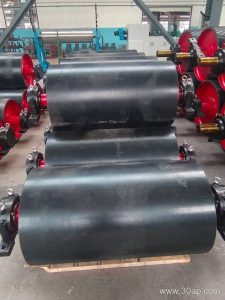
Self-aligning idlers, including friction and tapered types, help correct belt wander on long aggregate conveyors. They are a tracking aid, not a substitute for proper pulley alignment. Note that drive pulleys, tail pulleys, and bend pulleys are separate components with different duties and are not interchangeable with idlers.
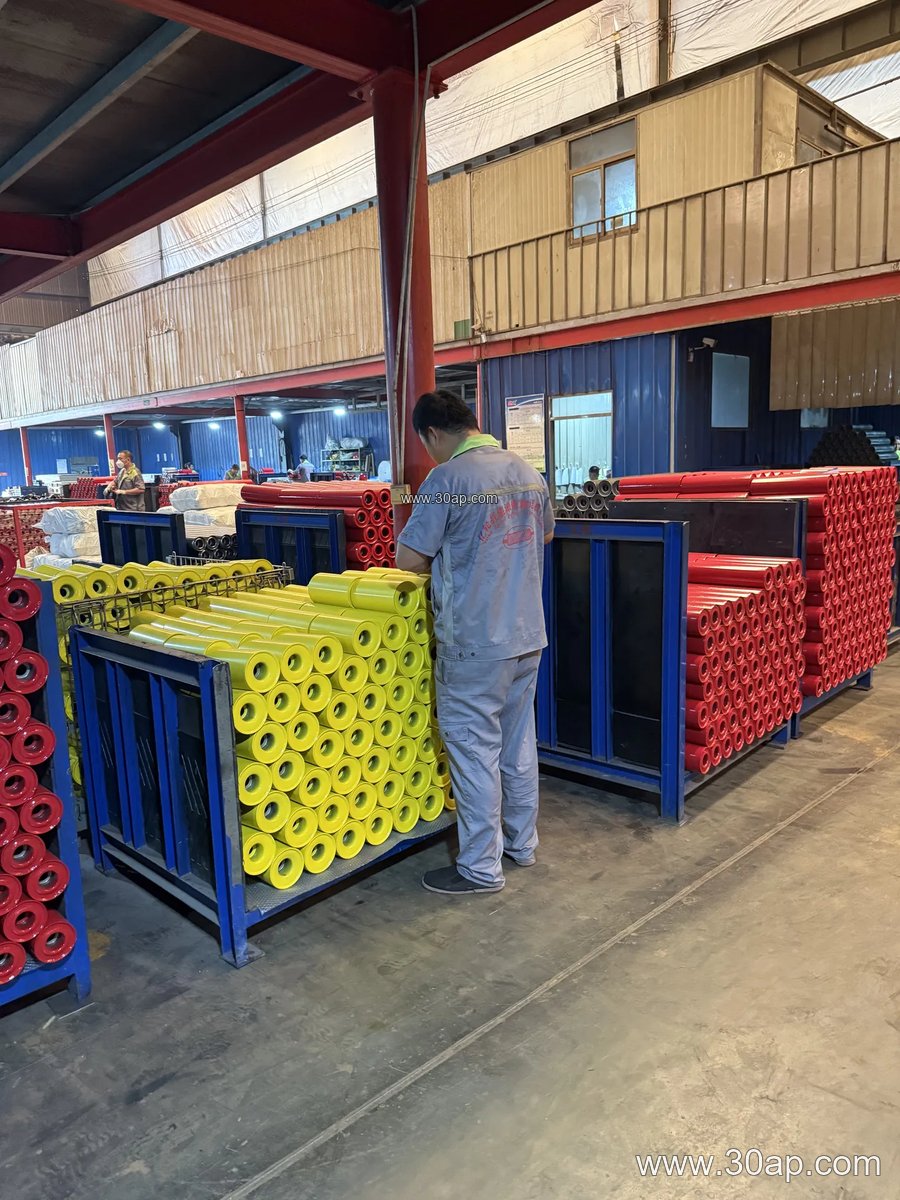
Where These Idlers Are Used
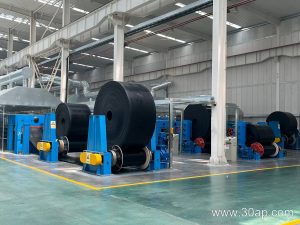
Aggregate idlers appear throughout quarry conveyor lines, limestone mines, iron ore and copper ore handling, concrete batching plants, and tunnel spoil removal. In a crushing and screening plant they sit under crusher discharge belts, transfer conveyors, and stacker feed belts. Plants handling dusty bulk material often combine them with a fabric core conveyor belt such as an EP conveyor belt or NN conveyor belt, while longer high-tonnage runs may use a steel cord conveyor belt.
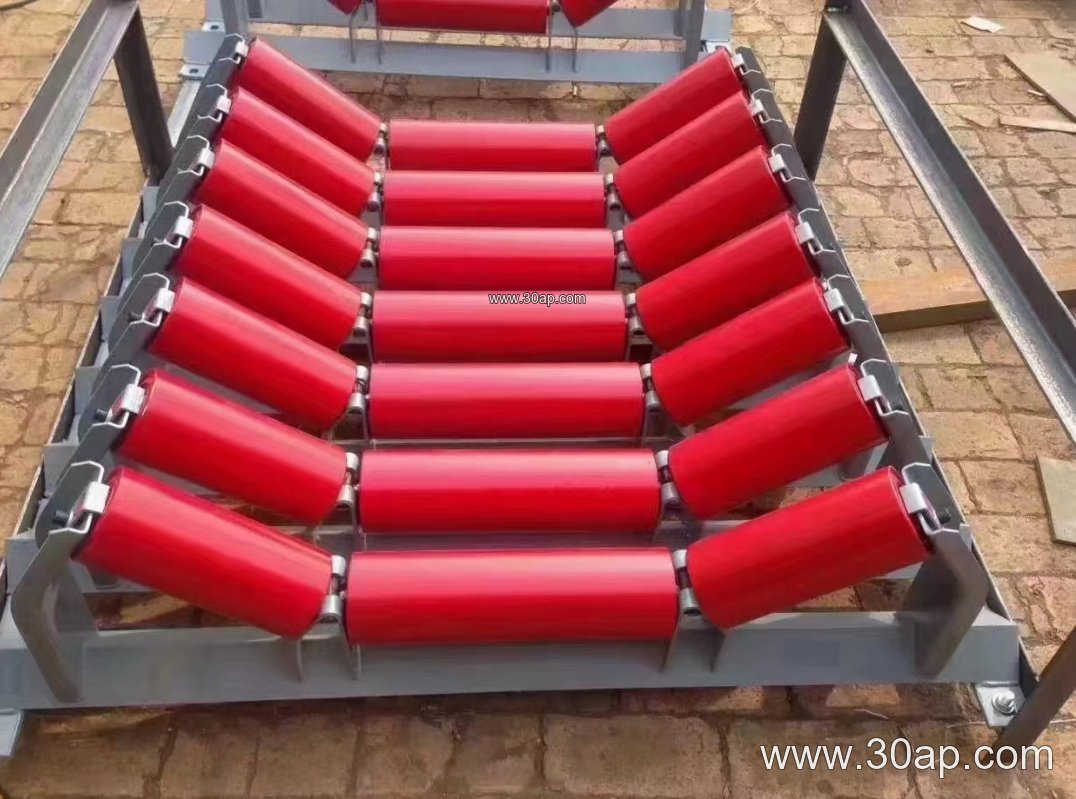
Common Reference Dimensions
The table below gives typical reference values only. Actual roll length and bearing choice depend on belt width, trough angle, load, and frame design.
- Belt width B500: common roll length about 200 mm for three-roll troughing
- Belt width B650: about 250 mm
- Belt width B800: about 315 mm
- Belt width B1000: about 380 mm
- Belt width B1200: about 465 mm
- Belt width B1400: about 530 mm
- Belt width B1600: about 600 mm
- Belt width B1800: about 670 mm
- Belt width B2000: about 750 mm
Roller diameters commonly range from Ø63 to Ø219 mm, and trough angles of 20 to 45 degrees cover most aggregate duties. A 1.5 to 2 degree forward tilt is sometimes used on training idlers to encourage self-centering.
What Buyers Should Check
First, confirm the belt width and the trough angle, then verify the roll length and shaft end fitting against the existing conveyor bracket. Second, match the bearing and seal quality to the dust and moisture level; a wash-down quarry needs better sealing than a covered transfer point. Third, consider the belt itself: a chevron conveyor belt, corrugated sidewall conveyor belt, or skirted conveyor belt may need different clearance and idler spacing than a plain belt. Finally, ask for the actual load rating and rotation test rather than assuming a diameter guarantees performance.
Routine inspection of idler rotation, shell wear, and seal condition prevents belt edge damage and reduces downtime. Spare idlers stored on site should be checked for shaft fit before installation. For more conveyor component guidance, see the idler roller and conveyor pulley references at gtconveyor.com, and review belt matching notes for rubber conveyor belt selections at gtconveyor.com before ordering.