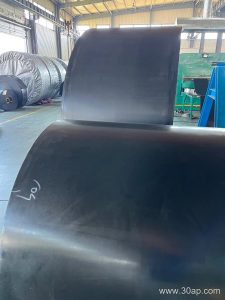
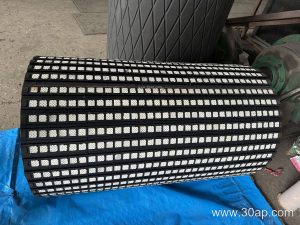
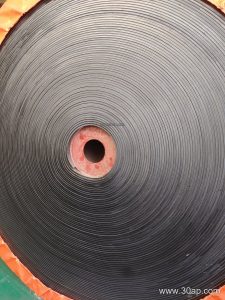
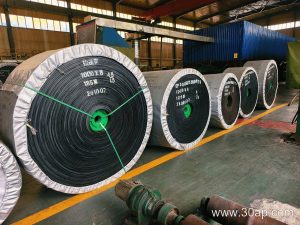
What the NN300 Conveyor Belt Is
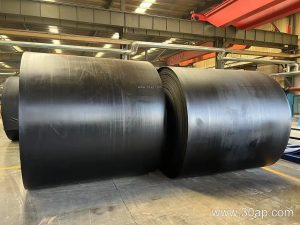
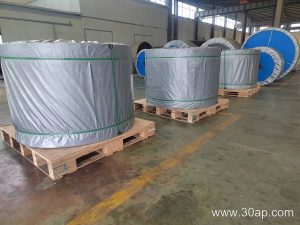
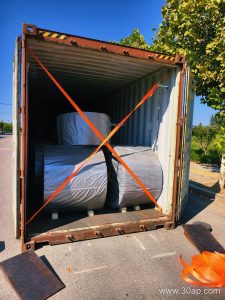
The NN300 Conveyor Belt is a heavy-duty fabric core belt built around nylon warp and nylon weft canvas. In the NN naming system, the number indicates the nominal tensile strength of the carcass in newtons per millimeter of belt width. That places the NN300 in a mid-to-high strength class for fabric belts, well above general-purpose NN100 and NN200 grades, yet below very high tension constructions such as NN400. Buyers often encounter it under the equivalent name nylon conveyor belt, or simply as an NN conveyor belt, and it is one of several fabric core conveyor belt options used across mining, cement, power generation and aggregate processing.
The product is not a steel cord conveyor belt, and it should not be confused with EP conveyor belt constructions that use polyester warp and nylon weft. The all-nylon carcass gives the NN300 its own character: good flexibility, strong resistance to fatigue, and reliable performance on conveyor systems where impact loads and repeated flexing are part of daily operation.
How the Belt Is Built
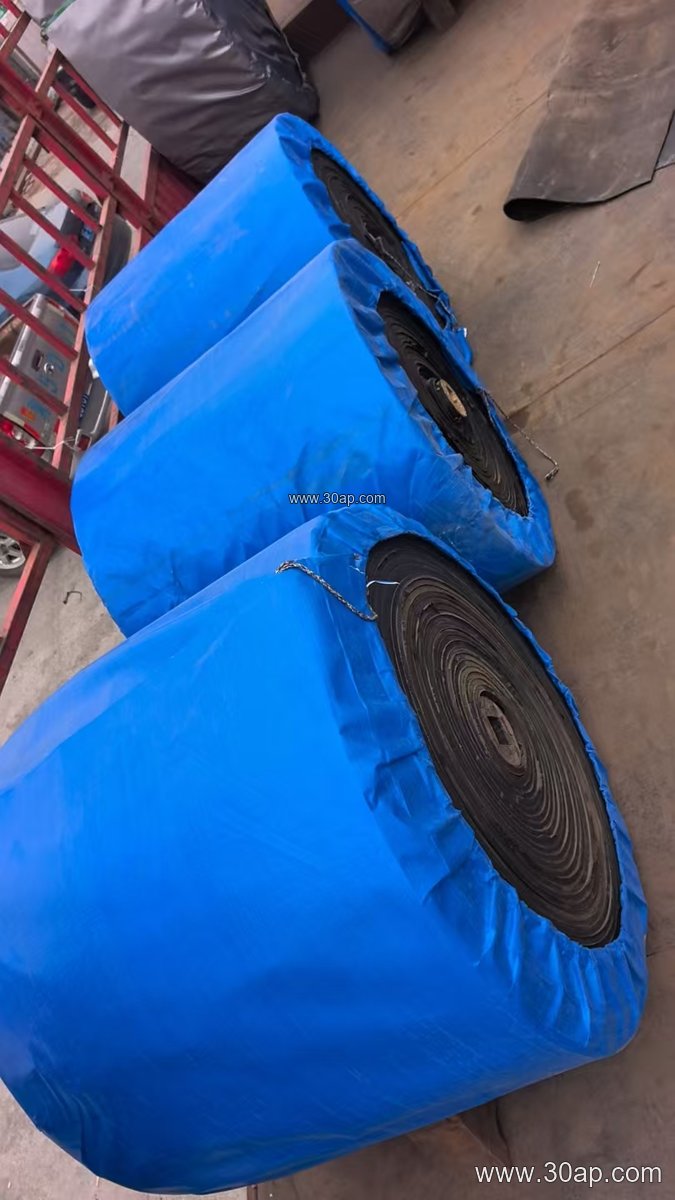
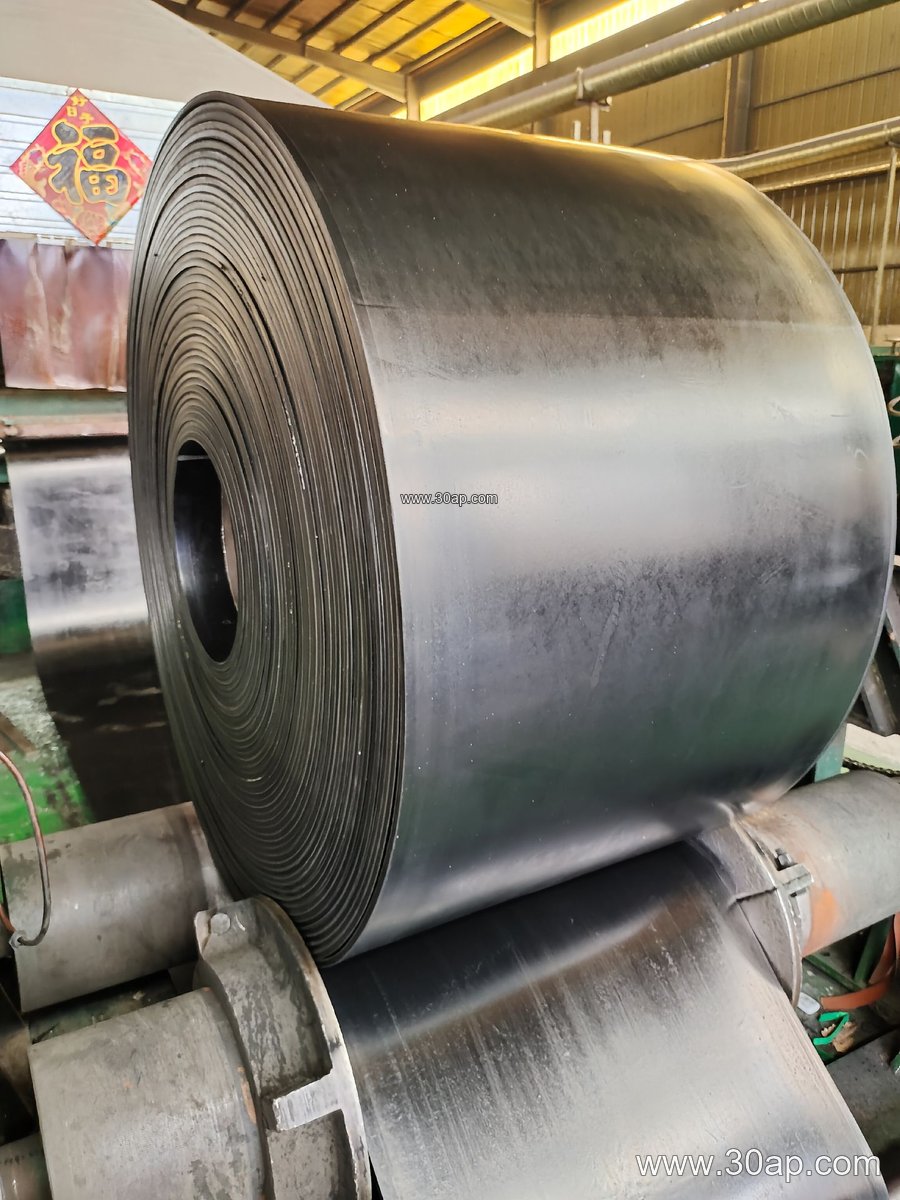
A typical NN300 Conveyor Belt is a multi-ply construction. The nylon fabric plies are bonded together with rubber skim compound and protected by top and bottom cover rubber. Cover thickness is usually specified as a pair of figures, such as 4+2 mm, 5+2 mm or 6+2 mm, where the first number is the carrying-side cover and the second is the pulley side. The carcass usually runs from two to six plies depending on the required strength and the manufacturer’s design.
Because the nylon carcass stretches more than polyester under load, the belt normally needs a carefully set take-up and correct splicing. The rubber covers can be formulated for different duties. Common variants include abrasion resistant conveyor belt, heat resistant conveyor belt and flame retardant conveyor belt grades. In coal mining and underground coal mining conveyor belt service, fire resistant and anti-static properties are often specified, while cement plant and quarry conveyor belt operators tend to focus on abrasion resistance and impact resistance.
Where It Fits in the Plant
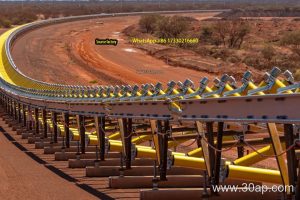
The NN300 is at home in bulk material conveyor belt systems that move crushed rock, ore, clinker, sand and similar loads. In a sand and gravel plant, it may run behind a crusher conveyor belt section, carrying screened aggregate to stockpiles. In a cement plant conveyor belt line, it can handle limestone and clinker where heat is moderate and abrasion is steady. Power plant conveyor belt systems use it for coal and ash handling, and port conveyor belt installations may apply it on ship loading conveyor belt routes for bulk cargo.
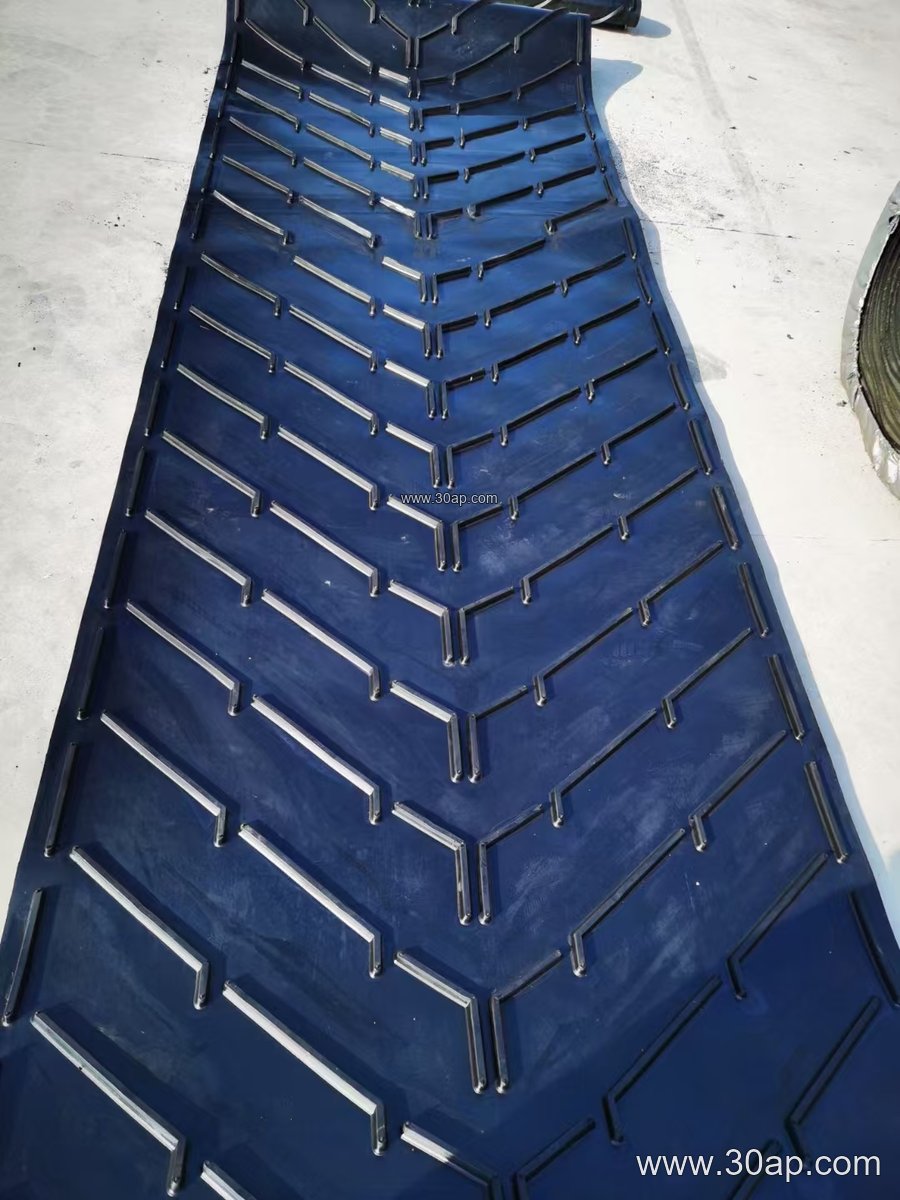
It also appears in iron ore conveyor belt and copper ore conveyor belt circuits, where the belt works alongside conveyor pulleys at the drive, tail and bend positions. It is worth noting that drive pulleys, tail pulleys and bend pulleys are not interchangeable names for the same component; each has a distinct role, and the belt must be matched to the pulley diameters and troughing idler roller arrangement on the actual conveyor. The NN300 is not a pipe conveyor belt or a corrugated sidewall conveyor belt by default, though it can be supplied with chevron or skirted profiles when the route needs them.
Specifications a Buyer Should Review
When specifying an NN300 Conveyor Belt, the conversation usually covers belt width, carcass plies, cover thickness and cover grade. Belt widths commonly range from B500 up to B2000, and wide conveyor belt sizes such as 1200mm, 1400mm and 1600mm are often requested for high-capacity lines. The table below shows representative reference values; actual supply should follow the manufacturer’s data sheet and the conveyor design.
| Parameter | Common Reference Range |
|---|---|
| Belt type | NN300 nylon fabric core |
| Nominal carcass strength | 300 N/mm |
| Belt width | B500, B650, B800, B1000, B1200, B1400, B1600, B1800, B2000 |
| Number of plies | Usually 2 to 6, by design |
| Cover thickness examples | 3+1.5, 4+2, 5+2, 6+2, 8+3 mm |
| Cover grades | Abrasion resistant, heat resistant, flame retardant, anti-static, oil resistant |
Do not assume that one belt width automatically dictates a particular pulley diameter or shaft size. Those values are set by the conveyor designer based on tension, arc of contact and the pulley’s own rating. Similarly, the NN300 grade does not fix a single cover thickness; the duty and the material being carried decide it.
Selection and Maintenance Notes
For a new installation, confirm the calculated maximum belt tension against the NN300 rating with a safety factor, and check that the take-up travel can absorb nylon stretch. On the conveyor structure, keep the conveyor bracket and idler roller spacing aligned so the belt trains well and does not edge-damage. During operation, watch for cover wear on the carrying side, especially in crusher conveyor belt and quarry conveyor belt duty, and inspect splices for separation.
If the application involves sharp, hot or oily material, discuss a more specific cover compound rather than assuming the standard NN300 cover will suit every condition. The belt is a strong general heavy-duty choice, but the right specification always comes from matching the carcass, cover and conveyor hardware to the actual job.