What the EP300 Conveyor Belt Is
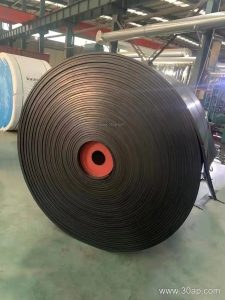
An EP300 conveyor belt is a fabric-core belt built on polyester-polyamide (EP) carcass plies, with a rated tensile strength of roughly 300 N/mm per ply. It sits in the middle-upper range of the EP family, above EP200 and EP250 grades and below EP400 and EP500 constructions, so it suits medium-to-heavy duty lines where a steel cord belt would be more than necessary. Buyers often search for it under the equivalent name EP rubber conveyor belt, or specify it as an EP fabric core conveyor belt when they want to distinguish the carcass from nylon NN designs.
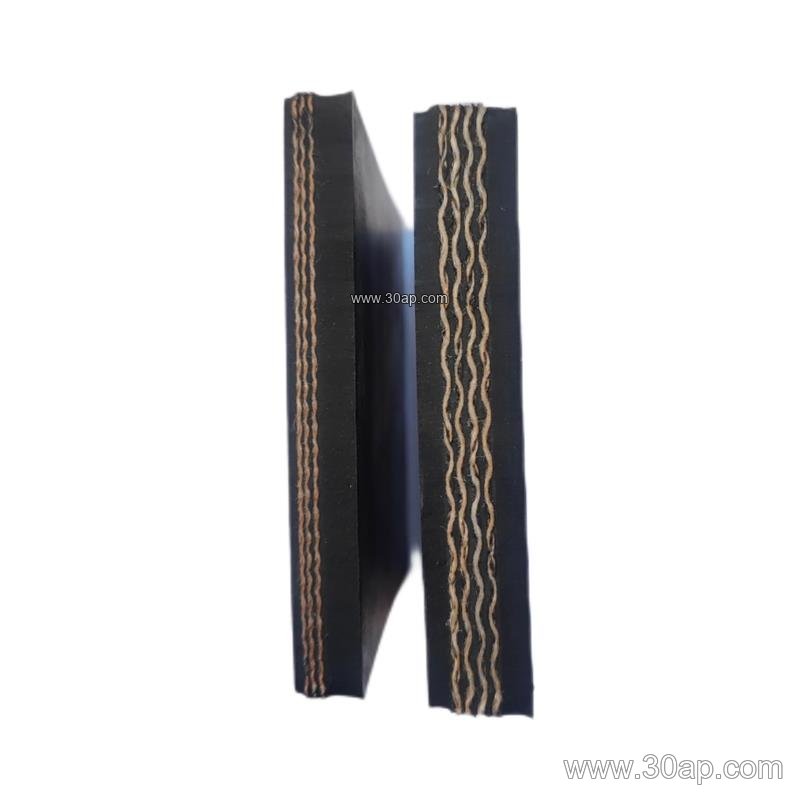
The carcass is the defining feature. Multiple EP plies are bonded under heat and pressure with rubber skim layers, then covered on both faces with abrasion resistant rubber. Fewer plies are used at higher strength ratings, which keeps the belt thinner and more flexible around pulleys while retaining load capacity.
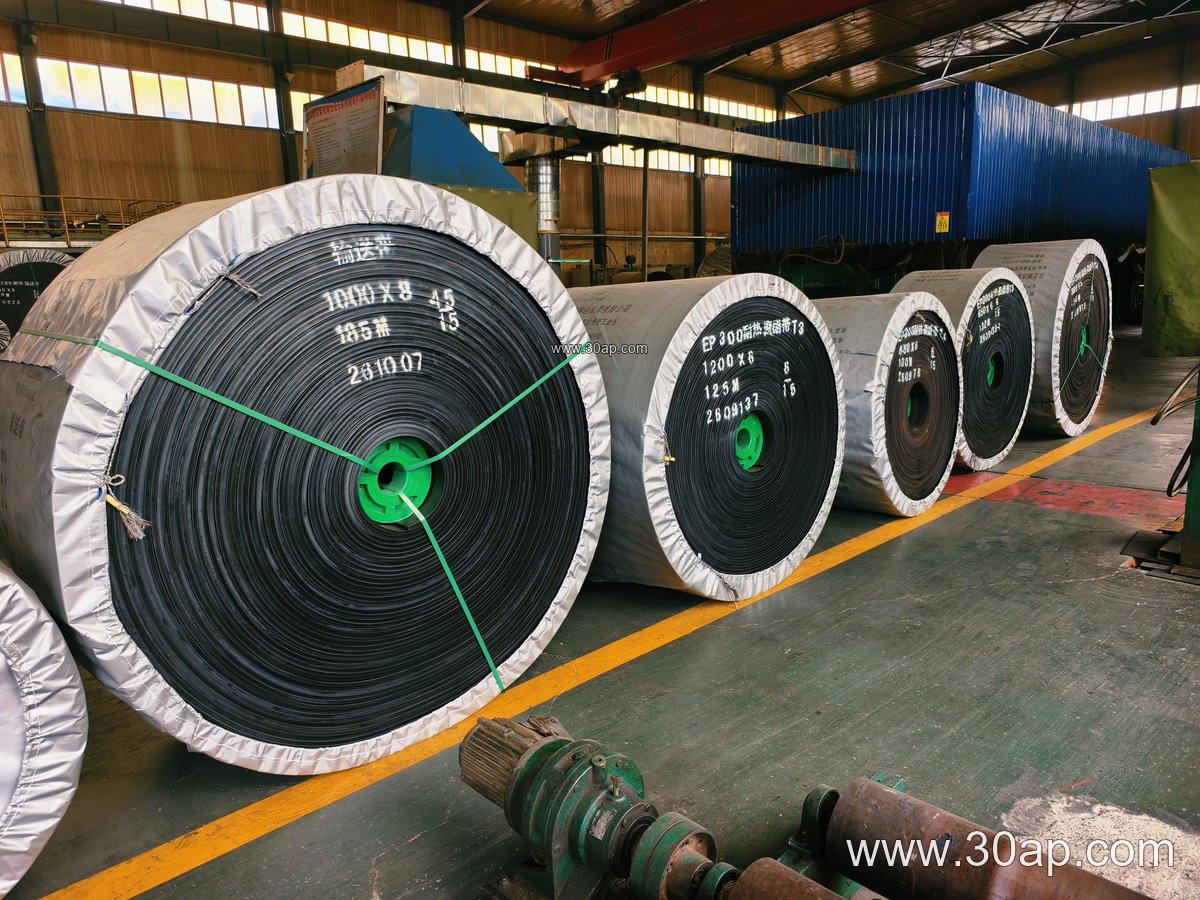
Construction and Typical Parameters
An EP300 belt usually carries 2 to 6 plies depending on the required breaking strength and the width of the installation. Cover rubber grades are selected by the material being carried, and thickness combinations such as 4+2 mm, 5+2 mm, 6+2 mm or 8+3 mm are common in bulk handling duty. The table below shows reference values only; actual figures come from the belt manufacturer’s data sheet and the conveyor design.
- Carcass: EP fabric plies, typically 2 to 5 for this grade
- Rated strength: about 300 N/mm per ply, often written EP300
- Cover grades: abrasion resistant, flame retardant, heat resistant, oil resistant, anti-static, cold resistant
- Widths: B500 to B2000 mm in common production ranges
- Cover thickness: 3+1.5 mm up to 8+3 mm, by application
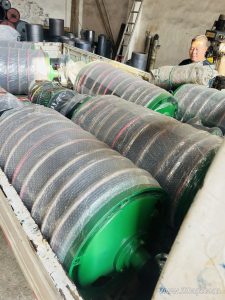
Belt width should never be tied to a single pulley diameter. The pulley size, shaft and bearing selection follow the conveyor’s power, tension and space requirements, not the belt width alone. Drive pulleys, tail pulleys and bend pulleys each perform different duties and are sized separately.
Where It Fits on the Conveyor
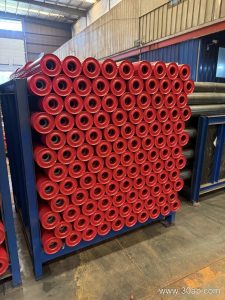
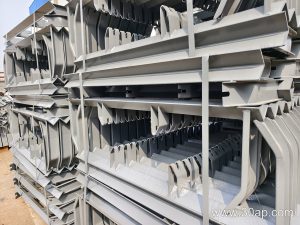
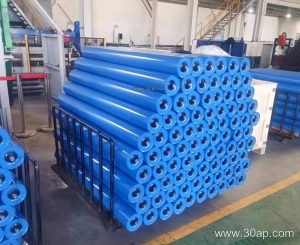
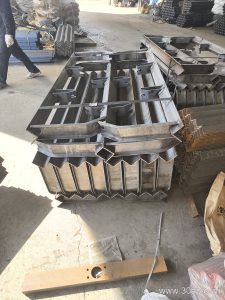
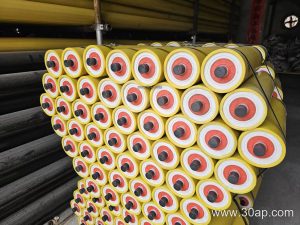
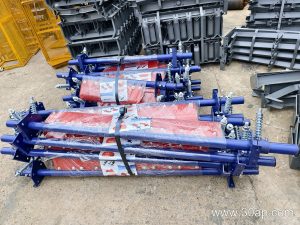
The belt runs over conveyor pulleys at the head and tail, supported between them by idler rollers mounted on conveyor brackets and frames. In a quarry conveyor belt line, an EP300 grade handles crushed stone, aggregate and sand at moderate tensions. In a cement plant it may feed clinker or raw meal; in a power plant it can move coal where a flame retardant conveyor belt specification is required. Mining conveyor belt duty, including underground coal mining conveyor belt service, usually calls for flame retardant and anti-static properties in addition to strength.
For very high tension or long overland routes, a steel cord conveyor belt may be the better choice; for lighter duty and smaller pulleys, an NN conveyor belt or a lower EP grade is often sufficient. Chevron, skirted and corrugated sidewall forms are separate belt types, not substitutes for a flat EP300 belt.
Selection Points for Buyers
Start with the material: lump size, temperature, moisture, oil content and abrasiveness decide the cover compound. Hot sinter or cement clinker needs a heat resistant conveyor belt grade; oily scrap or recycled material points to an oil resistant conveyor belt; freezing ports and cold climates call for cold resistant rubber. Then confirm the required tensile strength from the conveyor calculation, not from habit, and check whether the pulley diameters in the existing system accept the belt’s ply count and thickness.
Ask for the manufacturer’s data on ply adhesion, elongation at break and cover hardness, and match splice method to the carcass. A vulcanized splice is normal for permanent installations; mechanical fasteners suit temporary or short lines. Keep spare belt length and splicing materials consistent with the original specification so that tension ratings stay uniform along the route.
Maintenance Notes
Inspect the belt at the head pulley and tail pulley for edge damage, cover wear and ply separation. Worn idler rollers or misaligned conveyor brackets accelerate edge fraying, and a seized roller can cut a groove through the cover in a short time. Track cover thickness during scheduled shutdowns, because abrasion resistant rubber wears gradually before the carcass is exposed. Store spare rolls in a dry, shaded place and rotate stock so the rubber does not age before installation.