What a Belt Conveyor Idler Frame Does
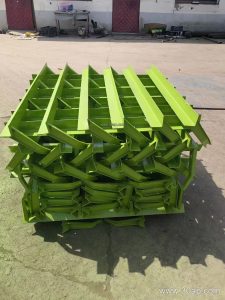
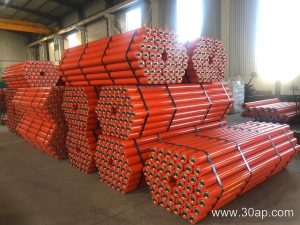
A belt conveyor idler frame is the structural bracket that holds idler rollers in position along a conveyor. It sets the trough angle, keeps roller spacing consistent, and transfers the load of the belt and material into the conveyor stringer or frame. In a quarry, a cement plant, or a power plant coal yard, the idler frame is the quiet component that decides whether the belt tracks smoothly or wanders.
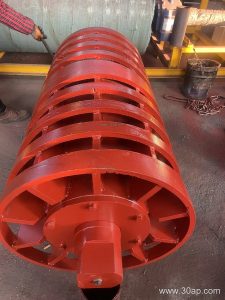
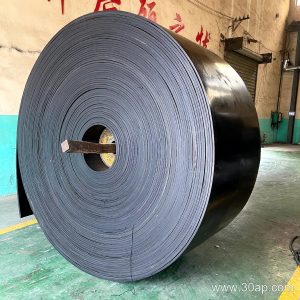
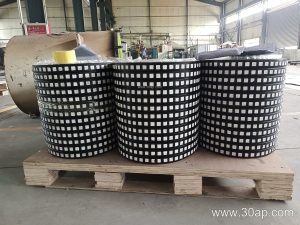
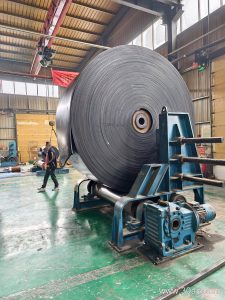
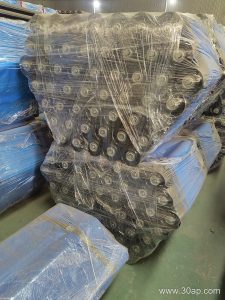
The frame works together with the conveyor belt, the idler roller, and the conveyor pulley. The drive pulley pulls, the tail pulley returns, and the bend pulley changes direction, but it is the idler frame that supports the belt between those points. Confusing an idler frame with a pulley bracket is a common mistake; they are different parts with different jobs.
How the Frame Is Built
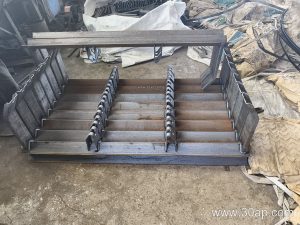
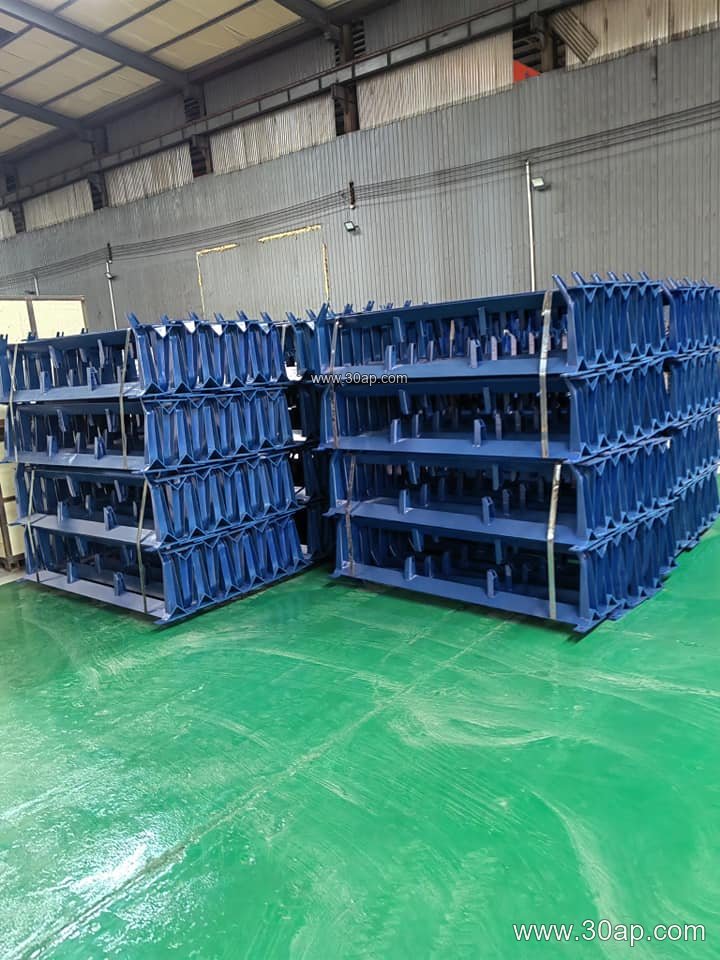
Most frames are fabricated from angle steel, channel steel, or folded steel plate. The cross beam carries the roller mounts, and the end plates or hooks locate the frame on the stringer. Welds should be continuous at load points, and mounting slots are usually elongated so the frame can be aligned during installation.
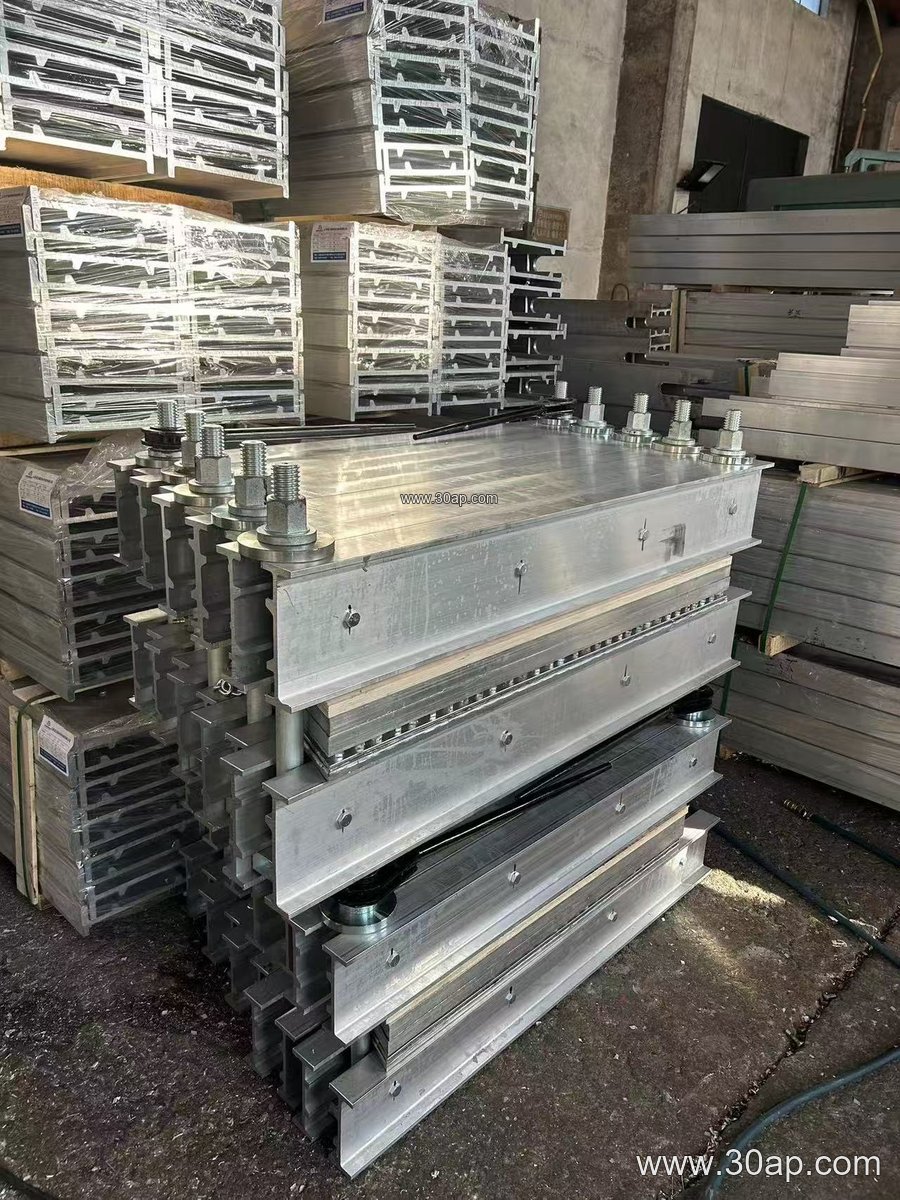
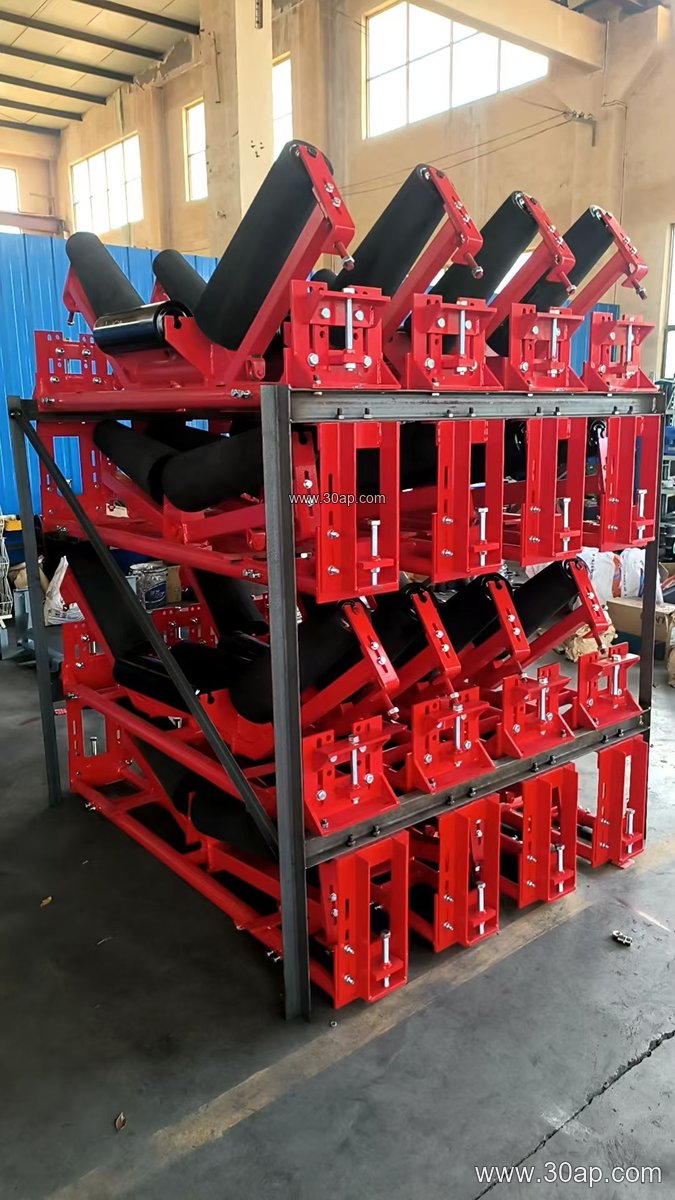
Common frame forms include trough frames, transition frames, return frames, V-return frames, impact frames, self-aligning frames, and suspended frames. Adjustable frames allow the trough angle to be changed on site, which helps when a conveyor handles several material types.
Matching Trough Angle, Belt Width, and Roller Diameter
Trough angle and roller diameter are selected together with belt width, belt speed, and material characteristics. A 20 degree frame suits gentle troughing, while 30, 35, and 45 degree frames deepen the trough for higher capacity. These are design choices, not fixed rules, and no single belt width is tied to one angle or one roller size.
| Reference Item | Common Range | Note |
|---|---|---|
| Belt width | B500, B650, B800, B1000, B1200, B1400, B1600, B1800, B2000, B2200 | Frame length and hole spacing follow the design |
| Trough angle | 20, 30, 35, 45 degrees | Adjustable frames can change between these |
| Roller diameter | Ø89, Ø108, Ø133, Ø159, Ø194 | Selected by load and belt speed |
| Forward tilt | About 1.5 to 2 degrees | Used on training frames |
For example, a B800 frame at 35 degrees with Ø108 rollers is a common combination, and B1200 at 45 degrees with Ø133 rollers also appears in bulk handling. Neither is mandatory. The frame drawing should state the belt width, angle, roller diameter, and mounting dimensions together.
Where Idler Frames Are Used
In a limestone quarry or a sand and gravel line, trough frames carry crushed rock on an abrasion resistant conveyor belt. In a coal washing plant, flame retardant conveyor belt runs over frames that must tolerate dust and moisture. In a cement plant, heat resistant conveyor belt may pass close to clinker areas, so frame spacing and roller choice need attention.
Self-aligning frames are often placed near the tail and along long straight runs to correct belt drift. Impact frames sit under the loading point to absorb the drop of ore or aggregate. Return frames and V-return frames support the empty side of the belt, while transition frames ease the belt from the pulley into the trough.
Buyer Checklist Before Ordering
- Confirm the belt width, trough angle, and roller diameter as one set.
- State the stringer type and mounting hole spacing, since these vary with width and angle.
- Choose the steel finish for the environment: painted, galvanized, or otherwise protected.
- Decide between fixed and adjustable frames if the conveyor handles changing materials.
- Check that the frame drawing matches the idler roller end type.
- Order spare frames for loading zones, where impact damage is most likely.
For a mining conveyor belt or a heavy-duty mining conveyor belt, frame strength and weld quality matter more than small price differences. A weak frame lets rollers misalign, and misalignment shortens belt life. Buyers comparing EP conveyor belt or steel cord conveyor belt options should also review the frame and roller specification, because belt stiffness affects how the trough performs.
Installation and Maintenance Notes
Set frames square to the belt centerline and at equal height along the stringer. Check the trough angle after tightening, and confirm that rollers turn freely. During service, look for bent beams, loose bolts, and worn mounting slots. Replacing a damaged frame early is cheaper than replacing a scored belt.
For more conveyor components, including idler roller, conveyor pulley, and conveyor bracket ranges, review the full conveyor accessory selection. A well-matched belt conveyor idler frame keeps the belt centered, reduces spillage, and supports steady operation in quarry, cement, and power plant duty.