What a Q235 Conveyor Bracket Does on a Conveyor Line
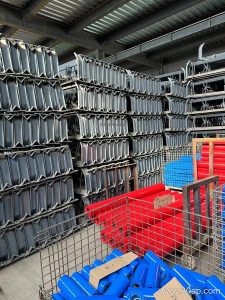
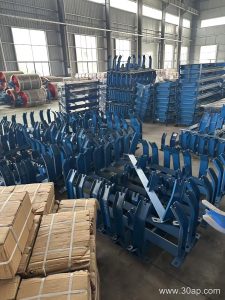
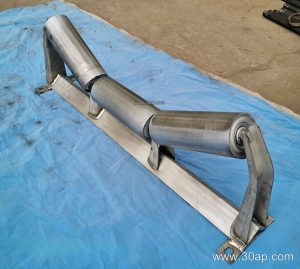
A Q235 conveyor bracket is the structural support that holds idler rollers in the correct position under and along a conveyor belt. In a typical bulk handling system, the bracket carries the weight of the belt and the material, keeps the idler at the right trough angle, and maintains alignment so that the belt runs smoothly. While the belt itself is the visible working surface, the bracket is part of the framework that makes stable operation possible.
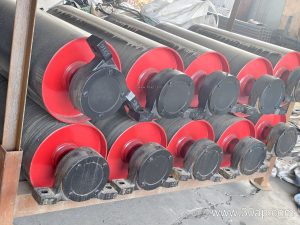
In a quarry, cement plant, or power plant coal yard, you will find these brackets bolted to the conveyor frame. They work together with the conveyor belt, idler roller, and conveyor pulley to form the complete carrying system. The Q235 material refers to a common carbon structural steel grade in China, known for good weldability and moderate strength, which suits general conveyor support duties.
How the Bracket Is Built
Most Q235 conveyor brackets are fabricated from angle steel, channel steel, or bent steel plate. The fabrication process usually involves cutting, drilling, and welding. Bolt holes are positioned to match the idler roller shaft ends and the conveyor frame. The bracket may be a simple fixed unit or an adjustable type that allows the trough angle to be set between common values such as 20, 30, 35, or 45 degrees. Adjustable brackets are useful when a plant needs to fine-tune belt contact or accommodate different material loads.
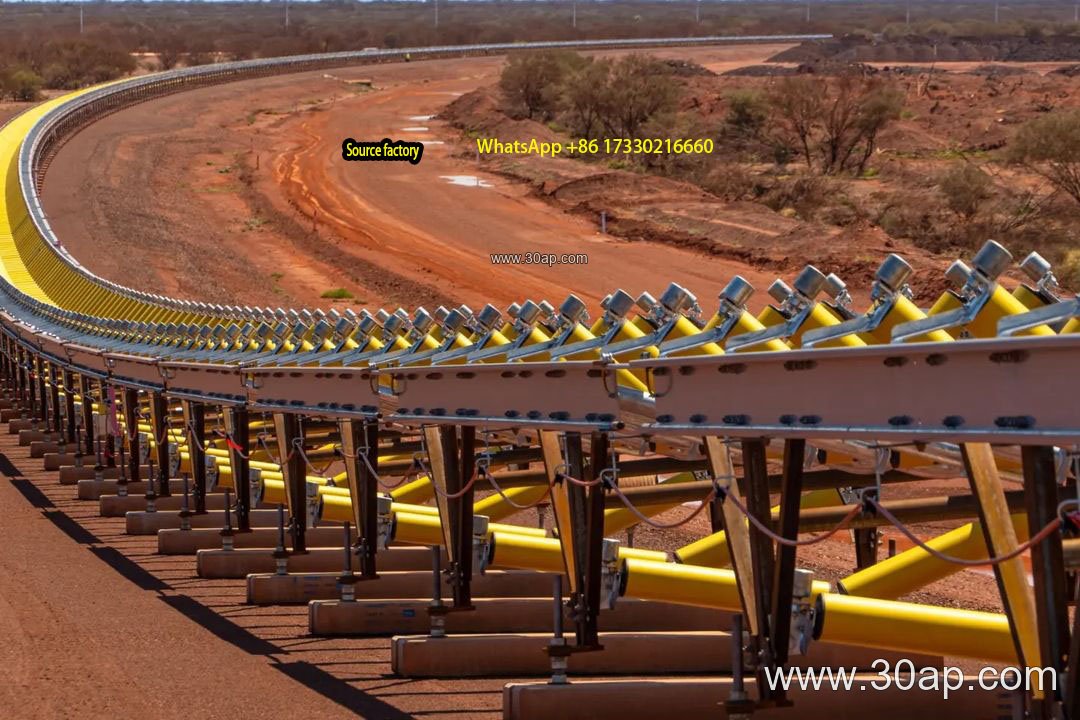
For heavy-duty zones, such as a crusher discharge or a transfer point, a impact-resistant bracket design with reinforced construction may be used. The surface is often painted or otherwise treated for basic corrosion protection, though the exact finish depends on the supplier and the environment.
Common Types and Where They Fit
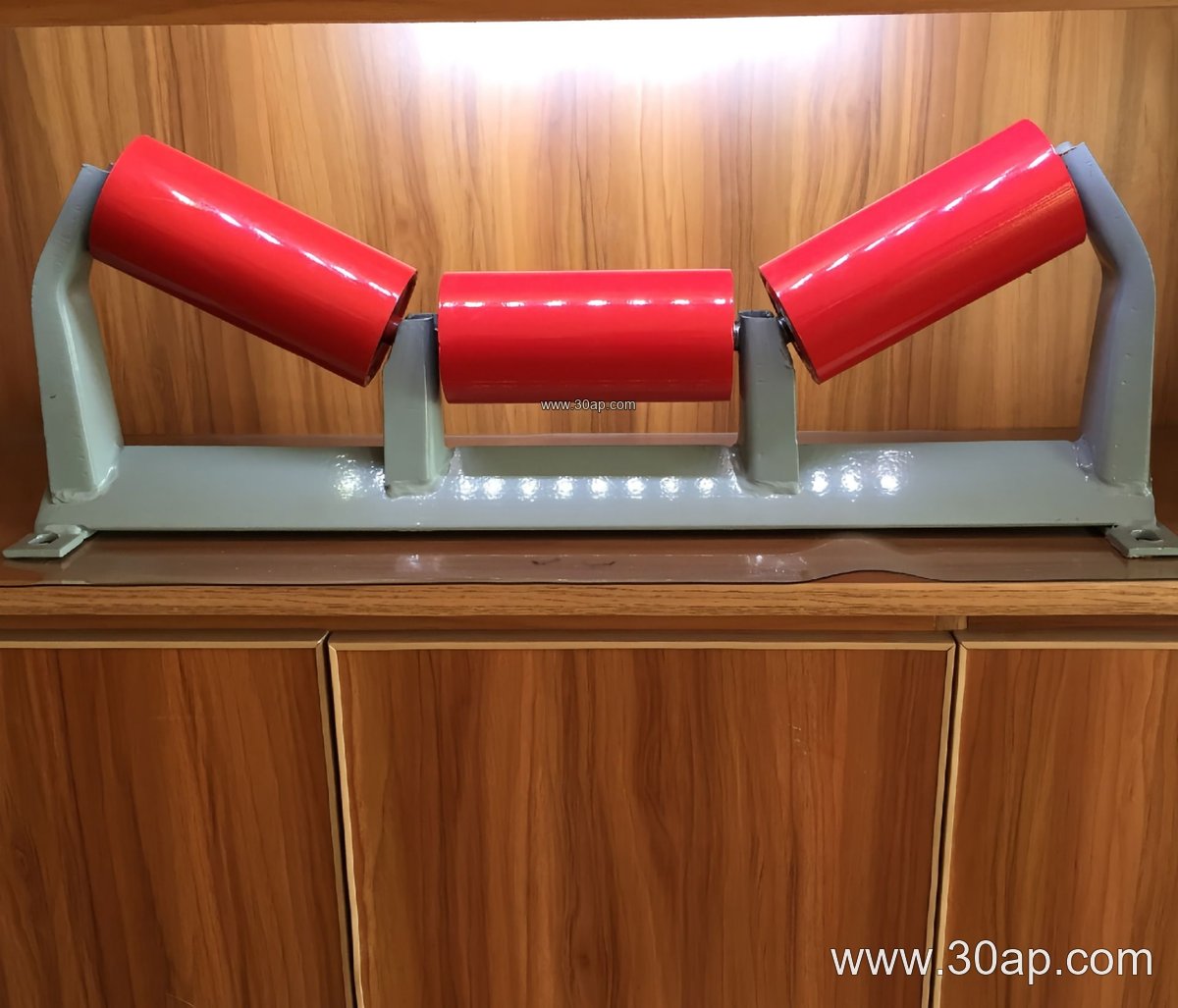
The term Q235 conveyor bracket covers several subtypes, each with a specific location on the conveyor. The table below lists typical forms and their usual roles. These are reference descriptions, not a fixed selection rule.
| Bracket Type | Typical Position | Function |
|---|---|---|
| Trough bracket (upper) | Carrying side | Holds idlers at a trough angle to shape the belt |
| Transition bracket | Near pulleys | Guides the belt from flat to troughed profile |
| Return bracket (lower) | Return side | Supports the empty belt, often with flat or V-return idlers |
| Buffer bracket | Load impact points | Absorbs shock at transfer chutes |
| Self-aligning bracket | Belt tracking zones | Helps correct belt misalignment |
Other forms include the spiral bracket, forward-leaning bracket with a small tilt (often about 1.5 to 2 degrees), and hanging bracket. The choice depends on belt width, idler diameter, and the specific problem the conveyor needs to solve. A Q235 conveyor bracket for a B800 belt with 35-degree trough and Ø108 idler is a common combination, but it is not the only one. Wider belts such as B1200 or B1400 may use larger idlers and different bracket lengths. Installation hole spacing and crossbeam length vary with belt width and trough angle, so these dimensions should be confirmed with the supplier or design drawing.
Matching Brackets with Belts and Idlers
A bracket does not work alone. The belt type influences the support requirements. For example, a heavy-duty mining conveyor belt or a steel cord conveyor belt used in an iron ore facility may need stronger brackets and larger idler rollers than a lightweight fabric core conveyor belt in a sand and gravel line. Abrasion resistant conveyor belt and heat resistant conveyor belt are often found in cement plants and sintering operations, where the bracket must tolerate dust and temperature without losing alignment.
When selecting a Q235 conveyor bracket, consider the belt width, the idler diameter, the trough angle, and the mounting interface. Common idler diameters include Ø89, Ø108, Ø133, Ø159, and Ø194. A B650 belt with 30-degree trough and Ø89 idler is a typical light-to-medium duty setup, while a B1600 or B1800 belt in a port or large quarry may use Ø159 or larger idlers with reinforced brackets. The bracket should be matched to the conveyor frame, not chosen in isolation.
Belt tracking also depends on bracket alignment. A self-aligning bracket or a forward-leaning bracket can help maintain belt centering, especially on long conveyors. For underground coal mining conveyor belt systems, flame retardant conveyor belt and anti-static conveyor belt are common, and the brackets should be installed according to the approved design to avoid rubbing or misalignment.
Buying and Maintenance Notes
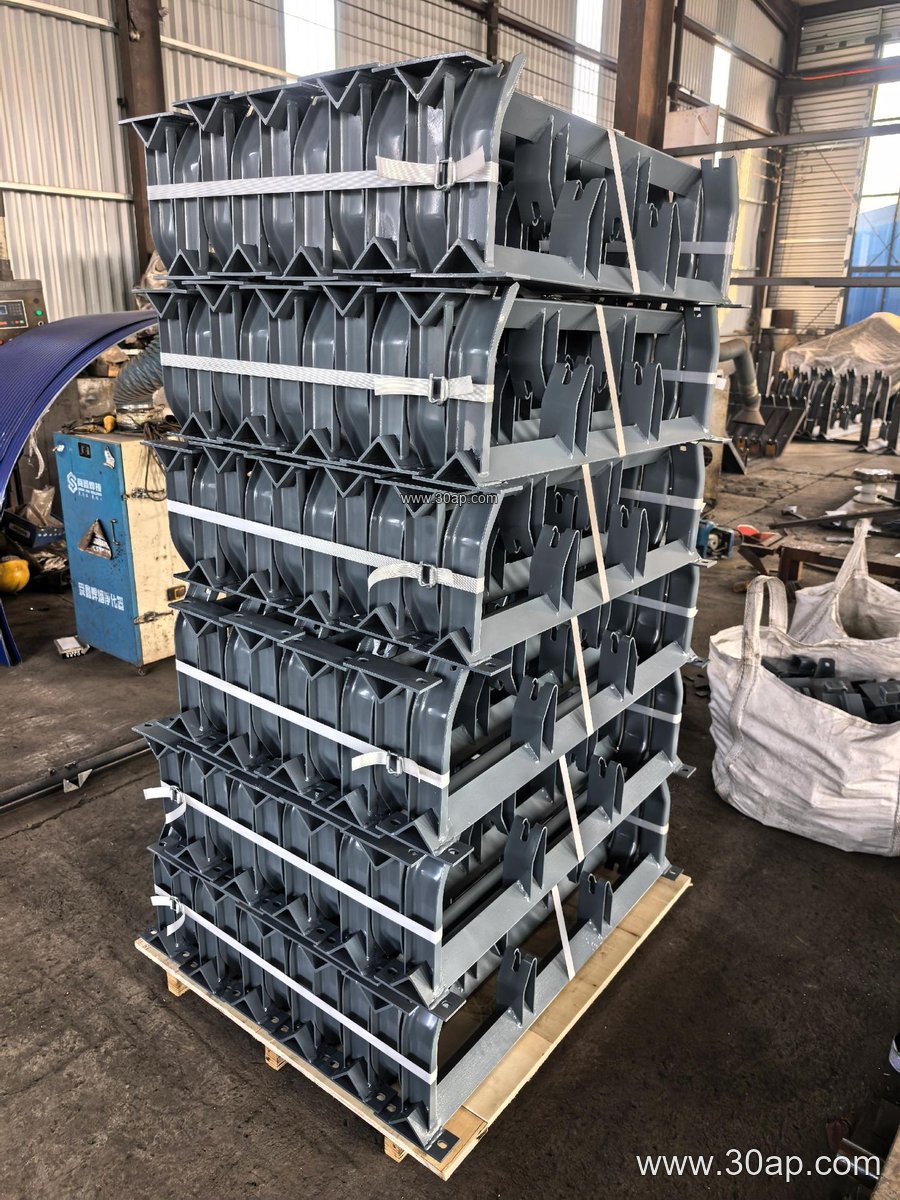
Buyers should ask for the bracket drawing or confirm the hole pattern before ordering. Because Q235 conveyor brackets are often fabricated to order, the belt width, trough angle, and idler diameter should be stated clearly. For example, specifying B1000, 35 degrees, and Ø133 gives the fabricator the basic envelope. If the conveyor uses a pipe conveyor belt or a corrugated sidewall conveyor belt, the bracket layout may differ, so the conveyor manufacturer’s drawing should be followed.
During operation, check that bolts remain tight and that the bracket is not bent or corroded. A loose or distorted bracket can cause the idler roller to sit unevenly, leading to belt mistracking and edge damage. In dusty locations such as a coal mining conveyor belt transfer station or a limestone quarry, periodic cleaning helps prevent material buildup that can push the belt off center.
For general guidance on conveyor belts, idlers, and pulleys, visit conveyor belt resources at example.com. Related equipment information is also available at idler roller and conveyor pulley pages. Always confirm the final bracket specification with the conveyor designer or a qualified supplier.