What a High Strength Conveyor Belt Is
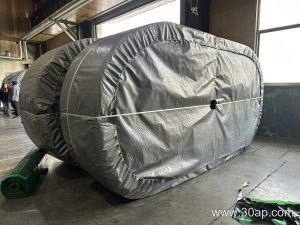
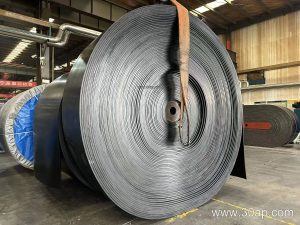
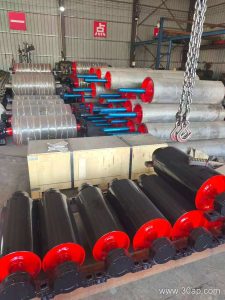
A high strength conveyor belt is a heavy-duty belt engineered to carry large volumes of aggressive bulk material over long distances without excessive stretch or fatigue. In practice, the term usually points to belts with a high-tensile fabric core, such as an EP conveyor belt or NN conveyor belt, and to steel cord conveyor belt constructions where very high breaking strength is required. These belts are common in mines, coal preparation plants, cement works, power stations, quarries and sand and gravel yards, where the belt works alongside conveyor pulleys, idler rollers and conveyor brackets in a continuous duty cycle.
The same product is also described as a high-tensile conveyor belt or heavy-duty conveyor belt. Those expressions refer to the same family of load-bearing belts. They are not a substitute for the main product name, but they help buyers understand that the belt is selected primarily for strength and durability rather than for a single special property.
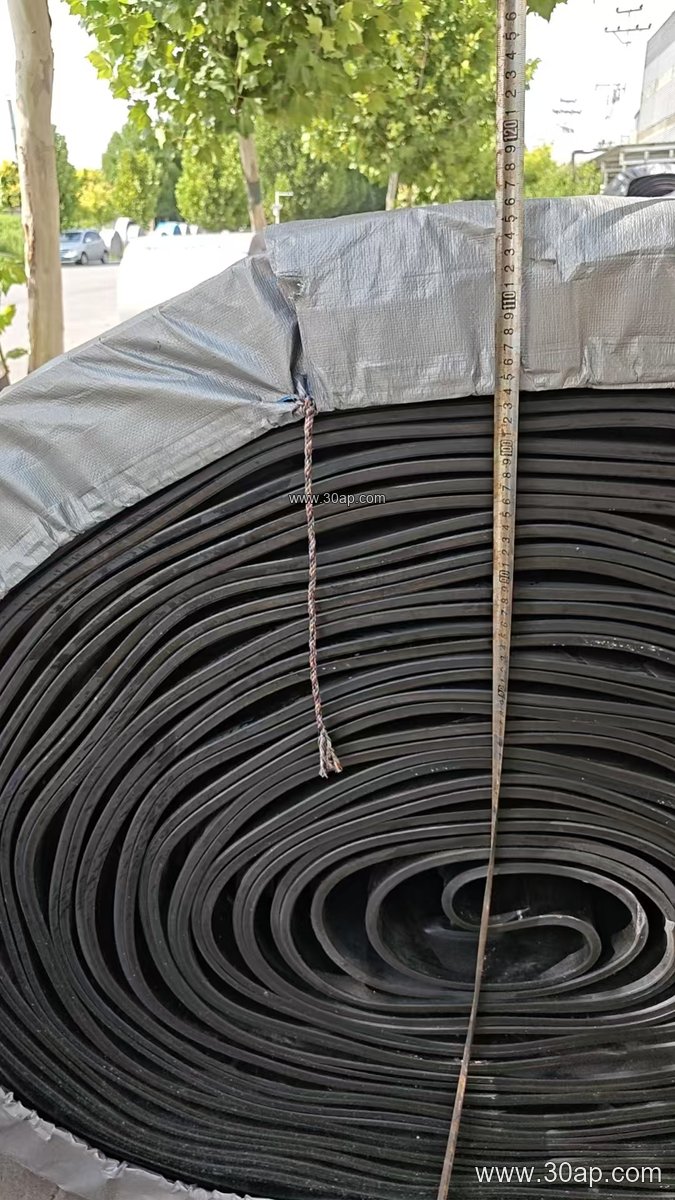
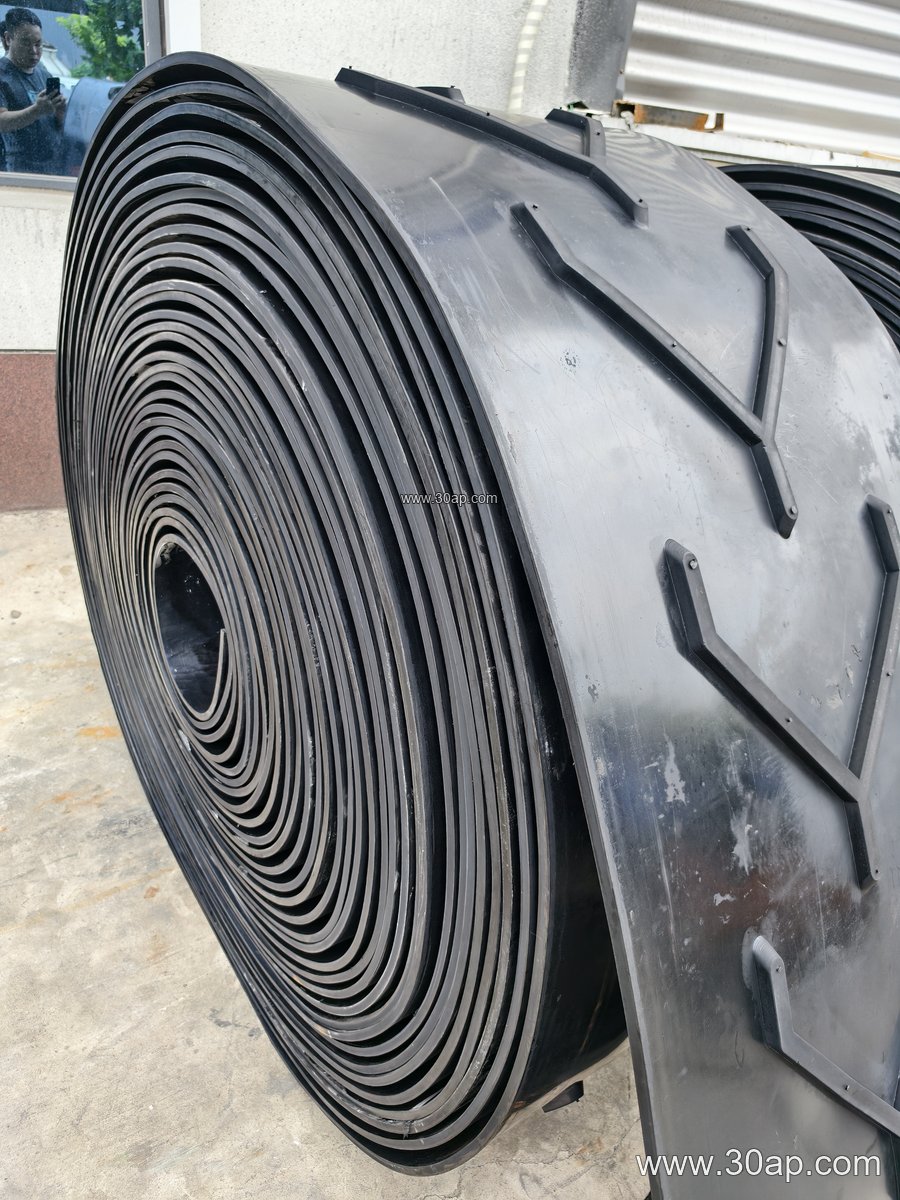
Construction and Core Options
Strength comes mainly from the carcass. A multi-ply fabric core conveyor belt uses several layers of EP or nylon fabric bonded under heat and pressure, while a steel cord conveyor belt uses fine brass-plated wires running longitudinally. The rubber covers protect the carcass from abrasion, impact, heat, oil or fire, depending on the duty. Typical cover thickness combinations include 3+1.5 mm, 4+2 mm, 5+2 mm, 6+2 mm and 8+3 mm, with carcass ply counts usually between 2 and 6 for fabric belts. These figures are common reference values; actual construction is confirmed by the belt designer.
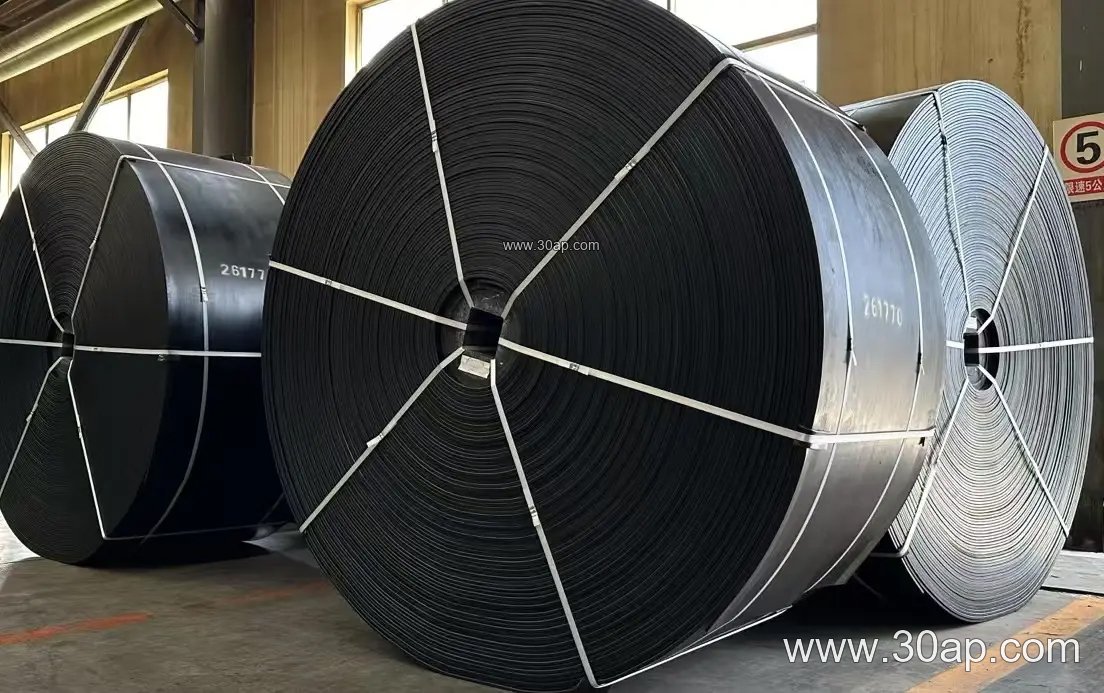
| Strength Class | Common Belt Type | Typical Application |
|---|---|---|
| EP200 / EP315 / EP400 | EP conveyor belt | Medium-duty bulk handling, aggregate plants |
| EP500 / EP630 / EP800 | Multi-ply fabric core | Cement, power plant, quarry conveyor lines |
| EP1000 / EP1250 | Heavy-duty fabric core | Mining conveyor belt, crusher feed |
| ST1000 / ST1600 / ST2000 | Steel cord conveyor belt | Long overland and underground mining conveyors |
| ST2500 / ST3150 | Steel cord conveyor belt | High-tonnage ore and coal haulage |
Standard belt widths for this class include B500, B650, B800, B1000, B1200, B1400, B1600, B1800 and B2000. Wider belts such as 2200 mm and 2400 mm are also produced for large port and ship loading systems. A belt width is matched to the conveyor design and the lump size; it is not tied to one pulley diameter, and shaft dimensions are determined from the full drive calculation rather than from belt width alone.
Where High Strength Belts Are Used
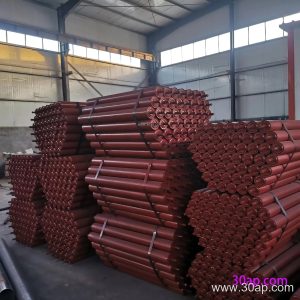
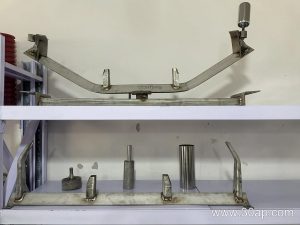
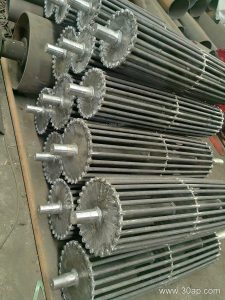
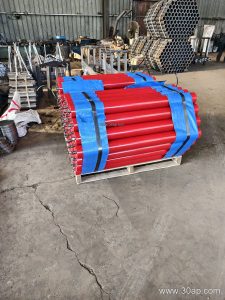
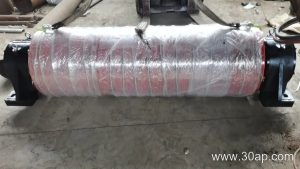
These belts appear in underground coal mining conveyor systems, iron ore and copper ore transport, gold mining operations, cement plant raw material lines, power plant coal yards, and quarry and aggregate conveyor circuits. In a typical line, the belt runs over a drive pulley, tail pulley and bend pulleys, supported by idler rollers mounted on conveyor brackets. The belt may be a flame retardant conveyor belt for underground service, a heat resistant conveyor belt near clinker or sinter, an abrasion resistant conveyor belt for sharp rock, or an oil resistant conveyor belt in recycling and chemical plants.
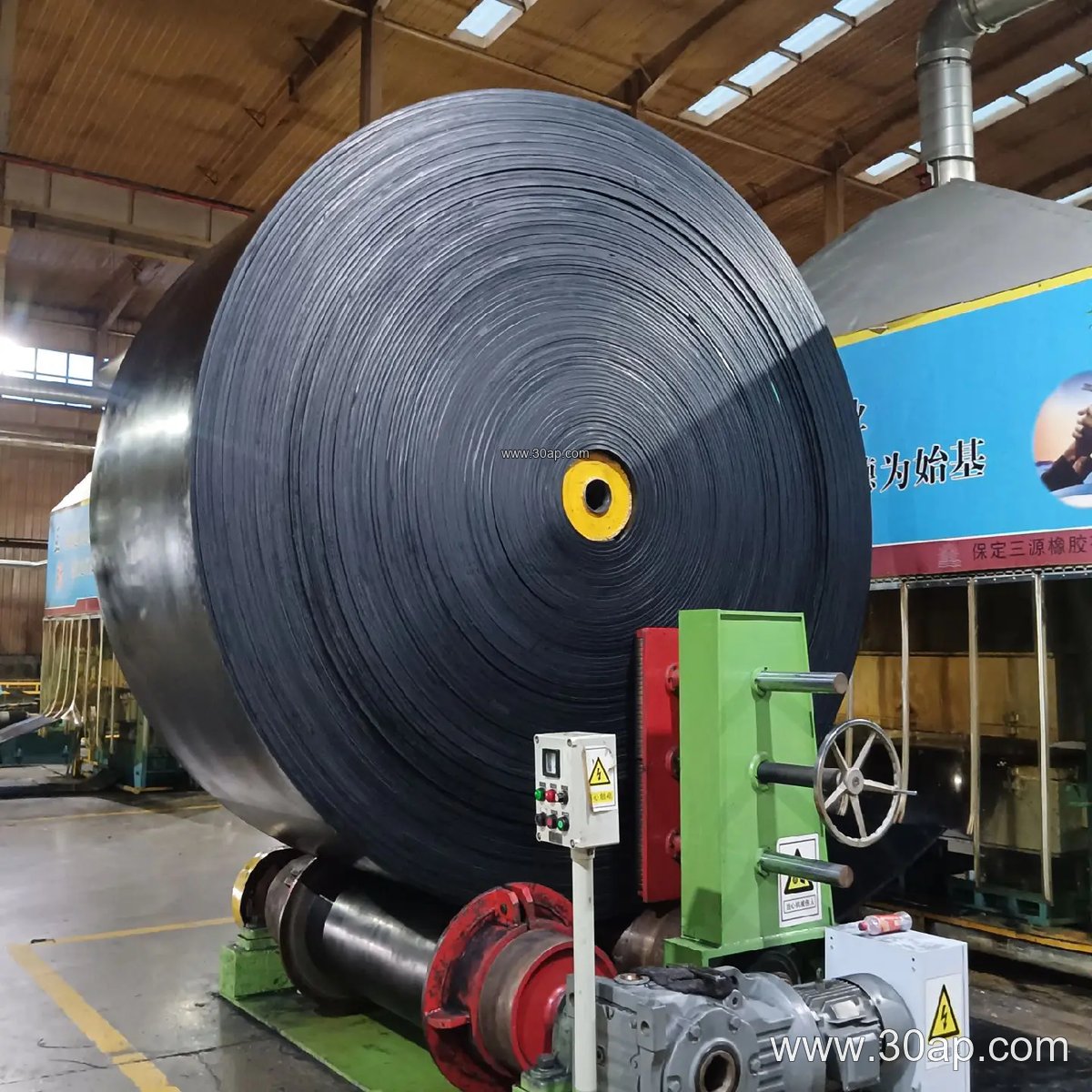
Special constructions such as chevron conveyor belt, corrugated sidewall conveyor belt, skirted conveyor belt and pipe conveyor belt are selected for inclined, confined or spill-sensitive routes. They are separate design choices, not replacements for the main high strength product, but they often use the same strong carcass as their base.
Buyer Checklist
- Confirm the required strength class and whether an EP conveyor belt or steel cord conveyor belt fits the duty.
- State the material, lump size, capacity and ambient conditions, including heat, oil, fire risk and static.
- Check cover grade and thickness against wear, impact and temperature.
- Confirm belt width, ply count and splice method with the conveyor designer.
- Review pulley, idler roller and bracket loads together with the belt tension.
For anyone sourcing a high strength conveyor belt, the practical rule is to match the carcass strength to the calculated tension, then choose covers and special features for the site. More information on belt selection and matching components such as idler roller and conveyor pulley arrangements can be reviewed at www.example.com/high-strength-conveyor-belt before finalizing an order.