What the ST3150 Conveyor Belt Is
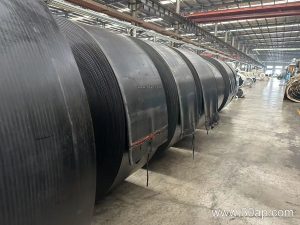
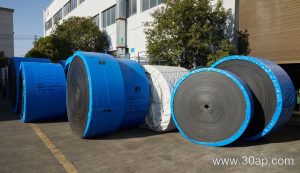
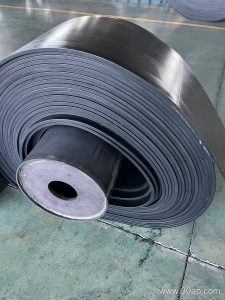
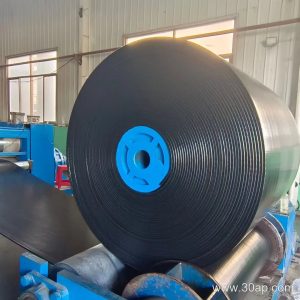
The ST3150 Conveyor Belt is a steel cord conveyor belt class built for the heaviest material haulage duties in mining, cement, port and power plant operations. In the ST naming system, the number refers to the nominal tensile strength of the steel cord carcass, so an ST3150 belt is rated at 3150 N/mm. That places it among the highest-strength steel cord belts used on long, high-capacity conveying lines. Buyers often describe it simply as a high strength conveyor belt or a heavy-duty steel cord belt, and both descriptions fit the same product.
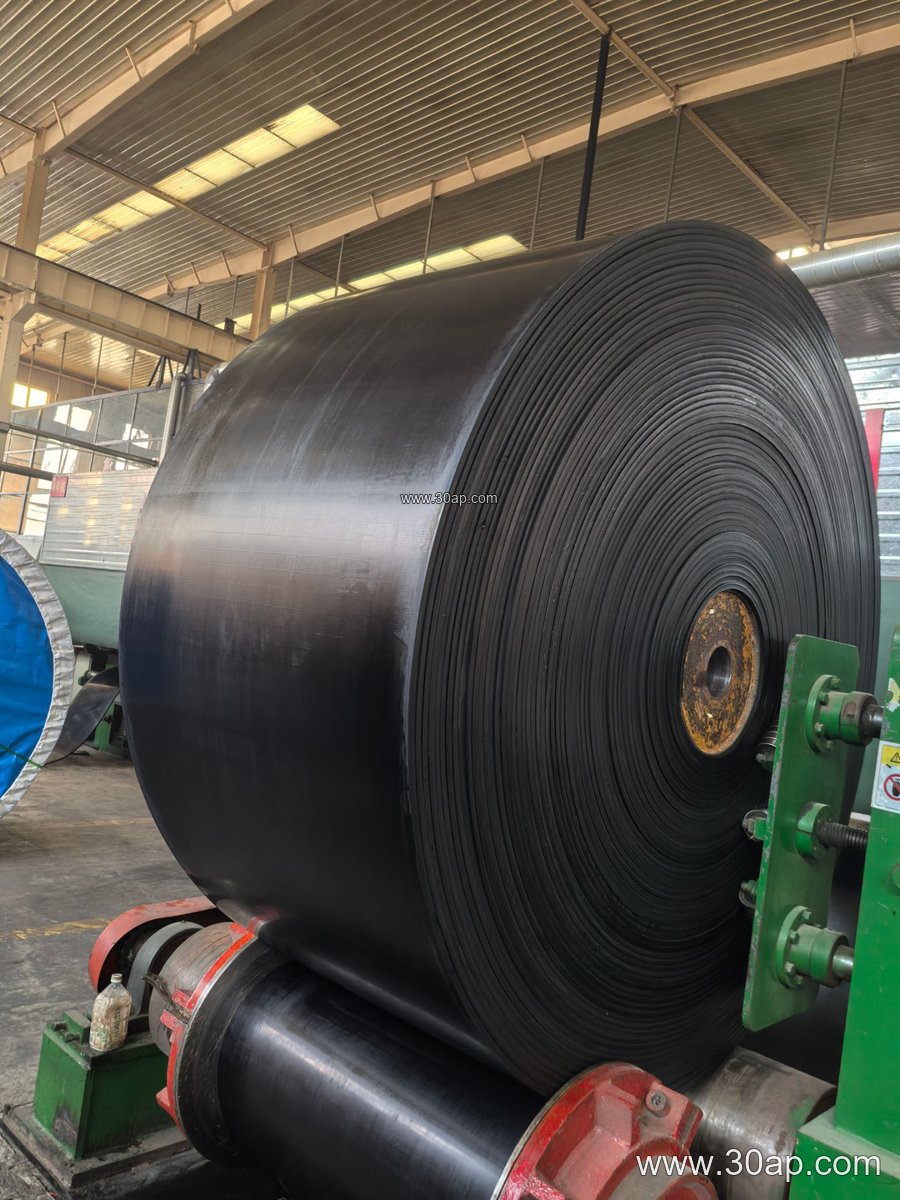
This belt is not a fabric-reinforced construction. It belongs to the steel cord conveyor belt family, where brass-plated steel cords run longitudinally through the rubber carcass and carry the tension. That design is what allows ST3150 to span long distances and lift heavy loads without the stretch behaviour typical of fabric belts.
How the Belt Is Built
A typical ST3150 belt combines several layers, each with a clear job:
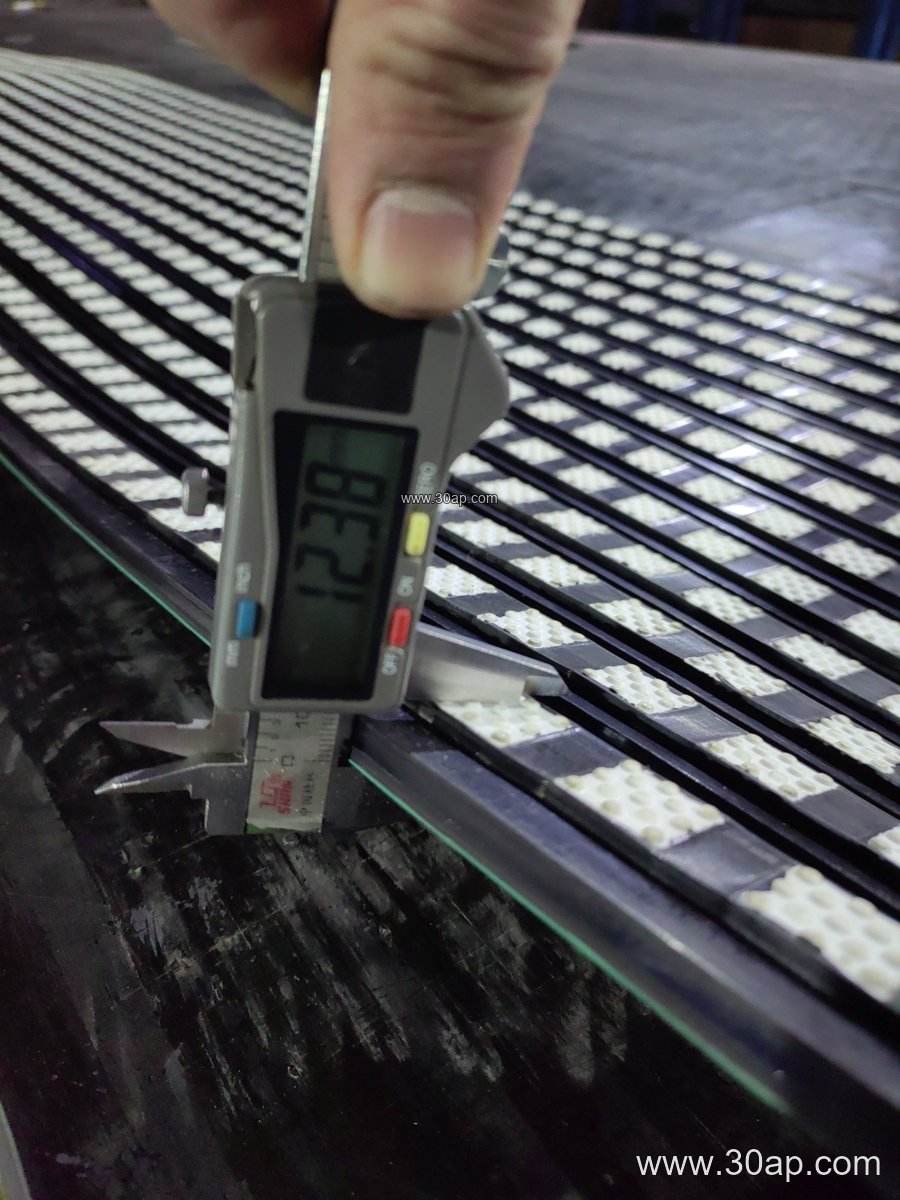
- Top cover rubber – protects the cords from impact, abrasion and the material being carried. Common gauges include 6+2 mm, 8+3 mm and heavier builds, selected by duty.
- Steel cord layer – the tension-bearing core, with cord spacing and diameter set by the manufacturer to reach the 3150 N/mm class.
- Core rubber – bonds the cords and cushions them against dynamic loads.
- Bottom cover rubber – usually thinner than the top cover and sized for pulley contact and return-side wear.
Because the cords carry the load, splice quality matters more than on fabric belts. A properly stepped and vulcanised splice preserves the belt’s strength; a rushed splice becomes the weakest point on the line. Belt edges are also protected against water ingress, which is important on belts that run outdoors or in wet tunnels.
Where ST3150 Belts Are Used
The high strength rating suits installations where a single flight is long or the tonnage is high. Typical settings include:
- Main haulage lines in iron ore, copper ore and gold mining operations
- Coal mining conveyor systems, including underground mining conveyor duties where flame retardant grades are specified
- Quarry conveyor and aggregate conveyor lines moving crushed rock from primary crushers
- Cement plant and power plant coal handling systems
- Port conveyor and ship loading conveyor lines with high throughput
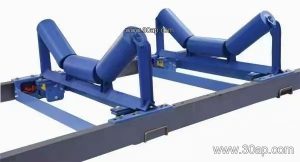
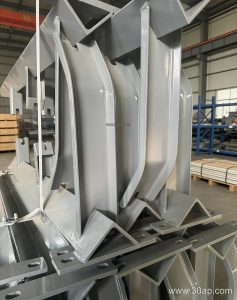
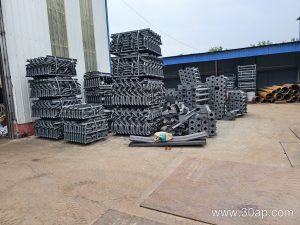
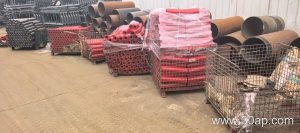
On these lines the belt works with conveyor pulleys, idler rollers and conveyor brackets, and the whole system needs to be matched to the belt’s tension and weight. A drive pulley sized for a lighter belt may not suit an ST3150 installation, so system review should cover pulleys, rollers and take-up together.
Reference Dimensions and Related Grades
The table below lists common reference data. Values are indicative only; actual construction is confirmed by the manufacturer for each order.
| Item | Common reference values |
|---|---|
| Strength class | ST3150 (3150 N/mm nominal) |
| Belt width | B800, B1000, B1200, B1400, B1600, B1800, B2000 |
| Cover thickness | 6+2 mm, 8+3 mm, heavier by design |
| Cover grades | Abrasion resistant, heat resistant, flame retardant, oil resistant, cold resistant, anti-static |
| Related steel cord classes | ST1000, ST1250, ST1600, ST2000, ST2500 |
For comparison only, lower classes such as ST1600 or ST2000 may suit shorter or lighter lines, while EP conveyor belt and NN conveyor belt grades cover medium-duty duties where steel cord is not required. The ST3150 remains the choice when the duty demands maximum tensile capacity.
What Buyers Should Check
- Duty and cover grade – abrasive ore, hot clinker or oily material each call for a different cover compound. Specify abrasion resistant, heat resistant or oil resistant covers as needed.
- Width and speed – confirm the belt width against the required throughput and the existing pulley face width.
- Safety grades – underground coal mining conveyor applications usually require flame retardant and anti-static properties.
- Splice plan – agree on splice method, step length and curing conditions before installation.
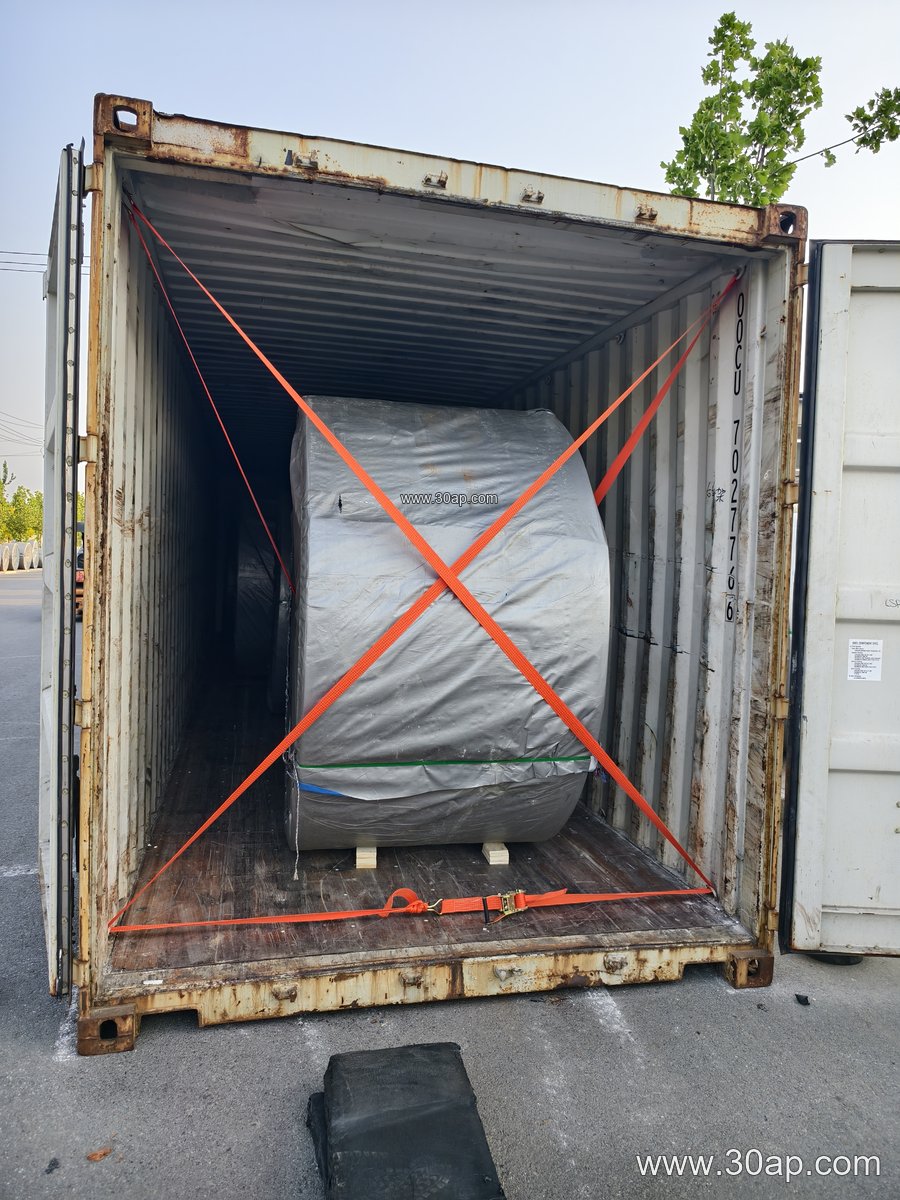
- Storage and handling – steel cord belts are heavy; use proper lifting gear and avoid sharp bends during transport.
For more information on steel cord belts, rubber conveyor belt grades and matching conveyor components, visit www.durbanconveyorbelt.com and www.durbanconveyorbelt.com for product guidance. A belt of this class is a long-term investment, so matching it correctly to the conveyor profile pays back over the full service life.