What a High-Capacity Conveyor Idler Does
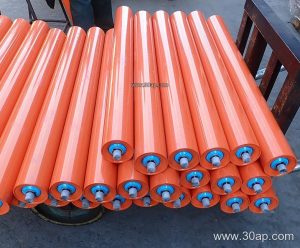
A high-capacity conveyor idler is the roller assembly that supports and shapes a loaded belt on a demanding duty conveyor. In a quarry, a coal washing plant, an iron ore transfer line or a power plant coal yard, the belt may carry a deep bed of heavy, abrasive material at high speed. The idler has to keep that belt running true, protect the belt carcass and keep rotating with low resistance. When the load is heavy, the difference between an ordinary roller and a properly built high-capacity conveyor idler shows up in belt life, energy draw and maintenance hours.
The same roller is often called a heavy-duty idler roller or a high-load carrying idler in plant drawings. These are names for the same component, not a different product family. Drive pulleys, tail pulleys and bend pulleys are separate parts of the conveyor and are not interchangeable with idlers.
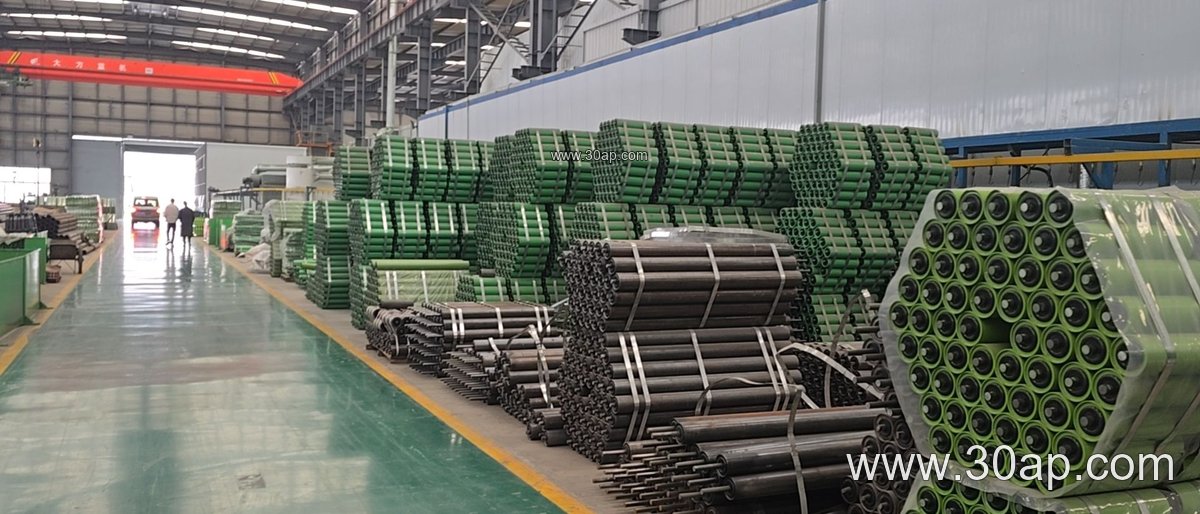
How the Roller Is Built
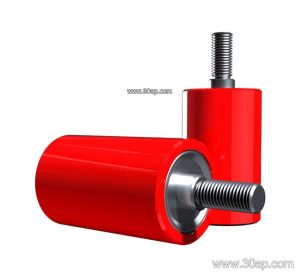
A high-capacity conveyor idler usually combines a thick-walled steel tube, welded bearing housings, sealed bearings and a rigid shaft. Roller surfaces may be plain steel, nylon, ceramic or rubber-ringed depending on the job. Rubber rings are common on impact zones below a crusher, while ceramic or nylon covers help where sticky fines build up on a plain shell.
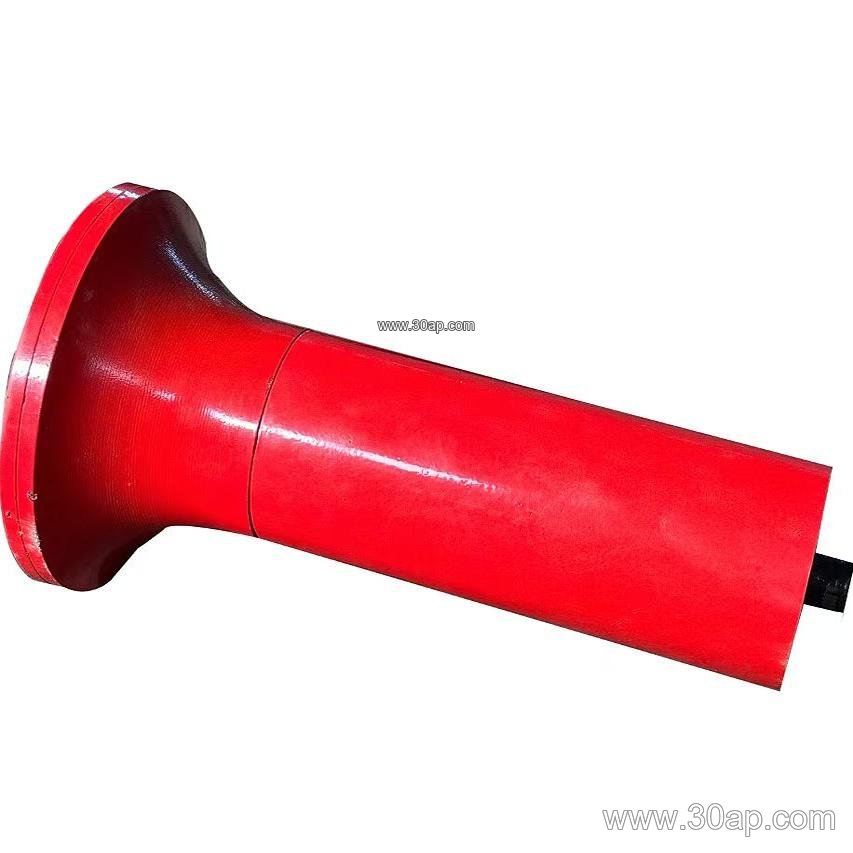
Sealing and bearing choice matter as much as tube thickness. Common bearing numbers in this range include 6205, 6305, 6306, 6308 and 6310, but no single bearing is tied to one roller diameter. The seal system should suit dust, moisture and washdown conditions. On a coal mining conveyor belt line, a dusty seal that lets grit into the bearing will wear a roller out long before the shell is worn through. The conveyor bracket and frame also need to match the shaft and fixing dimensions so the idler sits square to the belt.
Where It Fits on the Conveyor
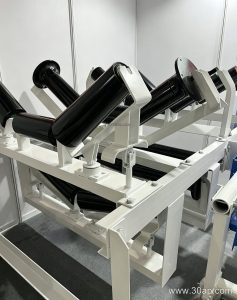
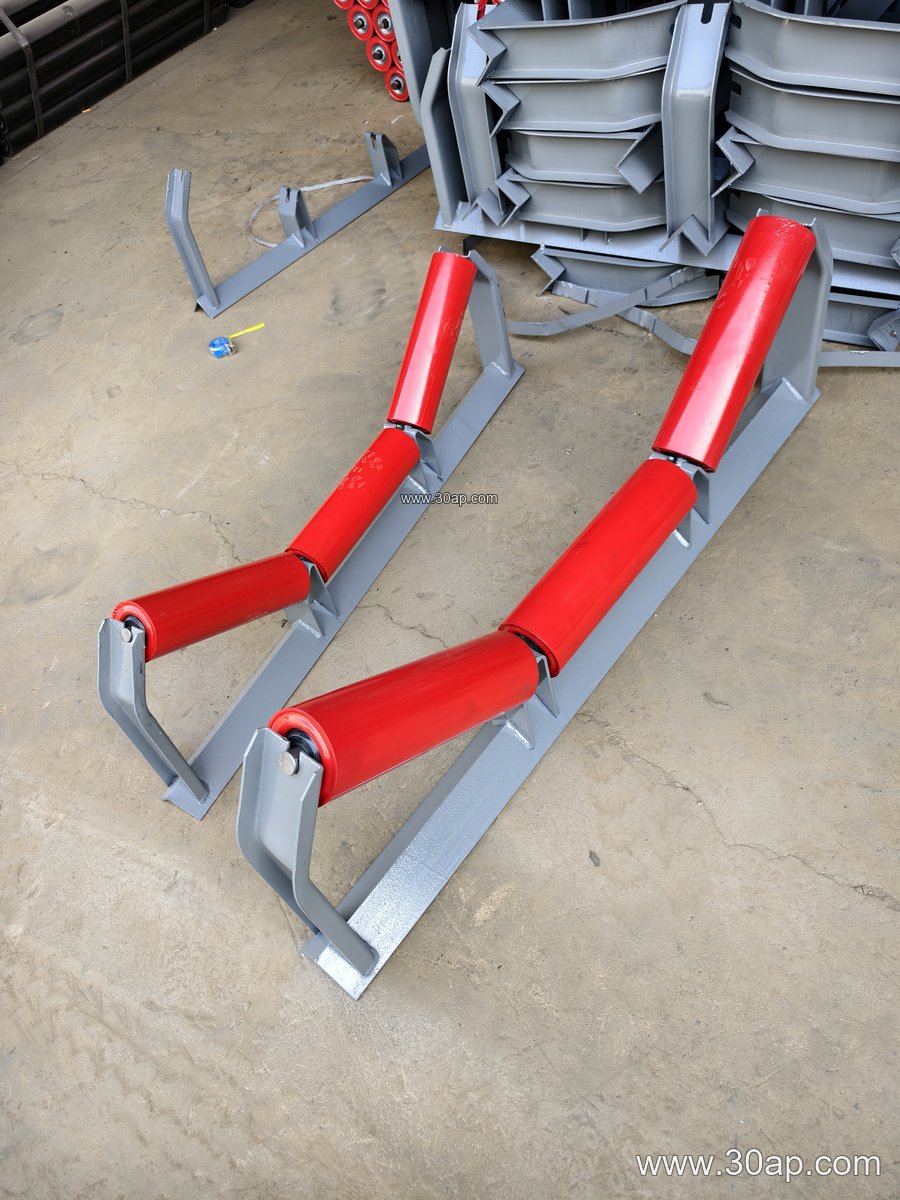
Most high-capacity carrying positions use three-roll troughing sets with a 30 or 35 degree trough angle, and sometimes 45 degrees in high-tonnage transfer points. The center roll and side rolls may have different lengths. Common roller diameters range from about 89 mm to 219 mm, with 133 mm, 159 mm and 178 mm often seen on wide, heavily loaded belts.
Typical belt width and roller length examples are shown below. These are common references, not a fixed matching rule; final dimensions follow belt width, trough angle, roll arrangement and the conveyor designer’s calculation.
| Belt width | Typical center roll length (three-roll troughing) | Roller diameter examples |
|---|---|---|
| B650 | about 250 mm | 89 mm, 108 mm, 133 mm |
| B800 | about 315 mm | 108 mm, 133 mm, 159 mm |
| B1000 | about 380 mm | 133 mm, 159 mm, 178 mm |
| B1200 | about 465 mm | 133 mm, 159 mm, 178 mm |
| B1400 | about 530 mm | 159 mm, 178 mm, 194 mm |
| B1600 | about 600 mm | 159 mm, 178 mm, 194 mm |
| B1800 | about 670 mm | 178 mm, 194 mm, 219 mm |
| B2000 | about 750 mm | 178 mm, 194 mm, 219 mm |
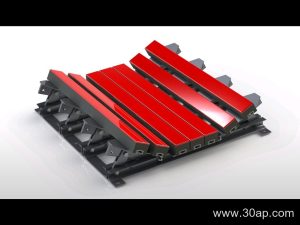
Return runs often use a flat or V-return idler, and impact zones may use rubber-disc impact rollers. These are related positions on the same conveyor, not replacements for the carrying idler described here. A high-capacity conveyor idler working with an abrasion resistant conveyor belt in a stone crushing line has a different duty from one under a heat resistant conveyor belt near a sinter cooler.
Buyer Checklist
- Confirm the actual load per idler and belt speed, not just belt width.
- Match roller diameter and wall thickness to the duty, and check the shaft and bracket dimensions.
- Specify the seal and bearing arrangement for dust, water or temperature exposure.
- Choose the roller surface for the material: rubber rings for impact, ceramic or nylon where build-up is a problem.
- Check that the trough angle and roll lengths suit the belt and the transition zones.
- Ask how the rollers are balanced and how the end seals are protected during installation.
On a cement plant clinker line or a port ship loader, a few oversized or poorly sealed rollers can raise belt tension and shorten splice life. A sensible spare policy, correct alignment and routine inspection of every idler roller pay back quickly. For conveyors handling hot, oily or flame-sensitive cargo, the belt specification and the roller specification should be reviewed together. Whether the plant runs an EP conveyor belt, a steel cord conveyor belt or a flame retardant conveyor belt, the high-capacity conveyor idler remains the quiet workhorse that keeps the belt moving.