What a Four-Roll Idler Bracket Does
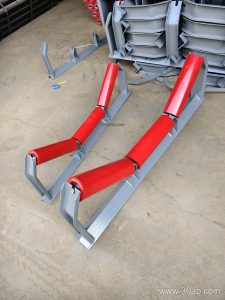
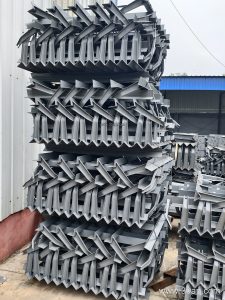
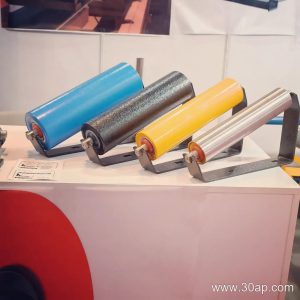
A four-roll idler bracket is a support frame that carries four idler rollers under the belt, usually arranged to form a deep trough. It is common in bulk handling where the belt needs extra support across a wide load profile. In a quarry, a cement plant, or a coal handling system, this bracket helps keep the conveyor belt tracking steadily and reduces the chance of material spillage at transfer points.
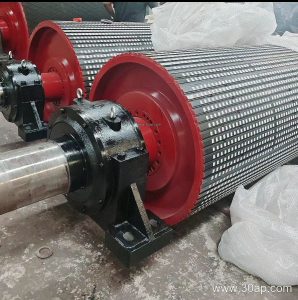
The bracket is not a pulley. Drive pulleys, tail pulleys, and bend pulleys have different jobs, and they are not interchangeable with a four-roll bracket. The bracket belongs to the idler side of the conveyor, working together with the idler roller and the conveyor belt.
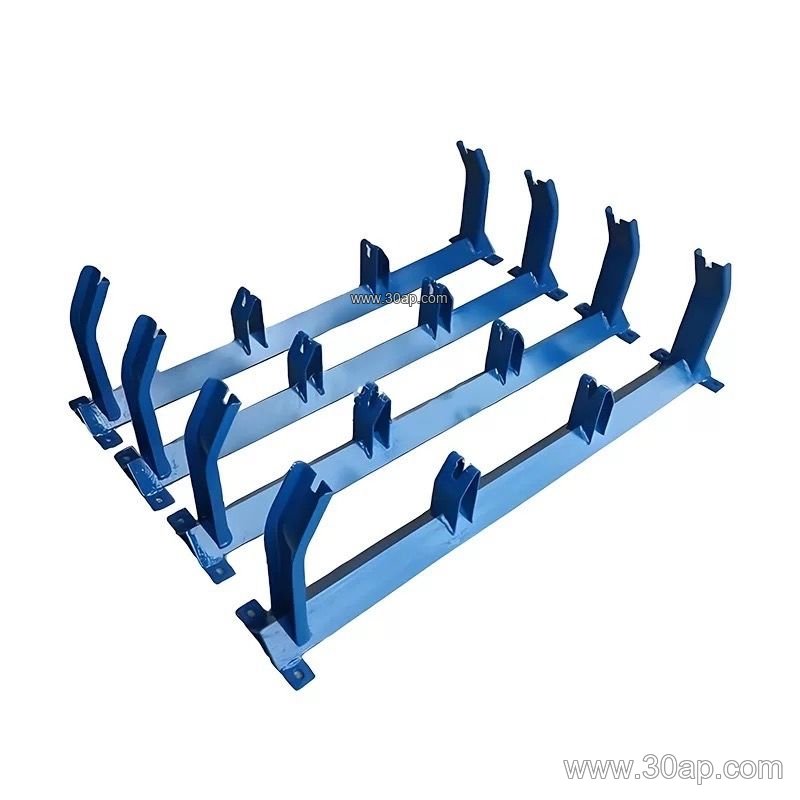
How the Bracket Is Built
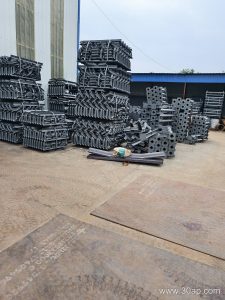
Most four-roll idler brackets are fabricated from angle steel, channel steel, or folded steel plate. The frame has mounting positions for four roller stations, with the outer rollers set at a trough angle and the inner rollers positioned to support the center of the belt. The structure is often welded or bolted, and the mounting hole spacing and crossbeam length are determined by belt width and trough angle.
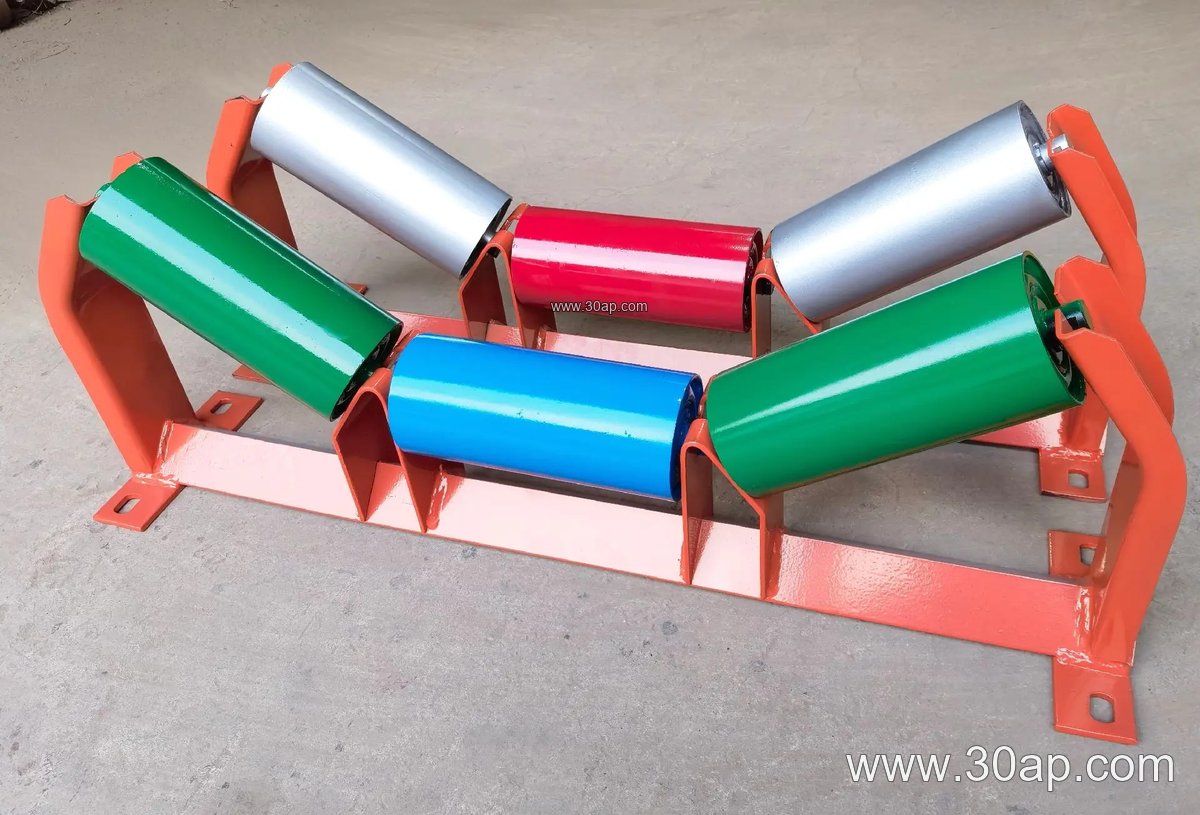
Common belt widths for this type of bracket include B500, B650, B800, B1000, B1200, B1400, B1600, B1800, and B2000. Trough angles are usually 20, 30, 35, or 45 degrees. The roller diameter may be Ø89, Ø108, Ø133, Ø159, or Ø194. These values are reference examples, not fixed rules; a B800 bracket might use a 35-degree trough with Ø108 rollers, while a B1200 unit could be designed with a 45-degree trough and Ø133 rollers depending on the conveyor design.
Common Reference Combinations
| Belt Width | Trough Angle | Roller Diameter |
|---|---|---|
| B650 | 30 degrees | Ø89 |
| B800 | 35 degrees | Ø108 |
| B1000 | 35 degrees | Ø108 or Ø133 |
| B1200 | 45 degrees | Ø133 |
| B1400 | 45 degrees | Ø159 |
These combinations are typical references only. The actual selection depends on the conveyor profile, material weight, and the belt’s load support needs.
Where It Fits on the Conveyor
The four-roll idler bracket is usually installed on the carrying side, especially where a standard three-roll trough cannot give enough support across the belt width. In a limestone mine or a sand and gravel line, it can be used at loading points and along sections that carry heavy, lumpy material. It also appears in power plant coal handling and in fertilizer or grain silo systems where belt stability matters.
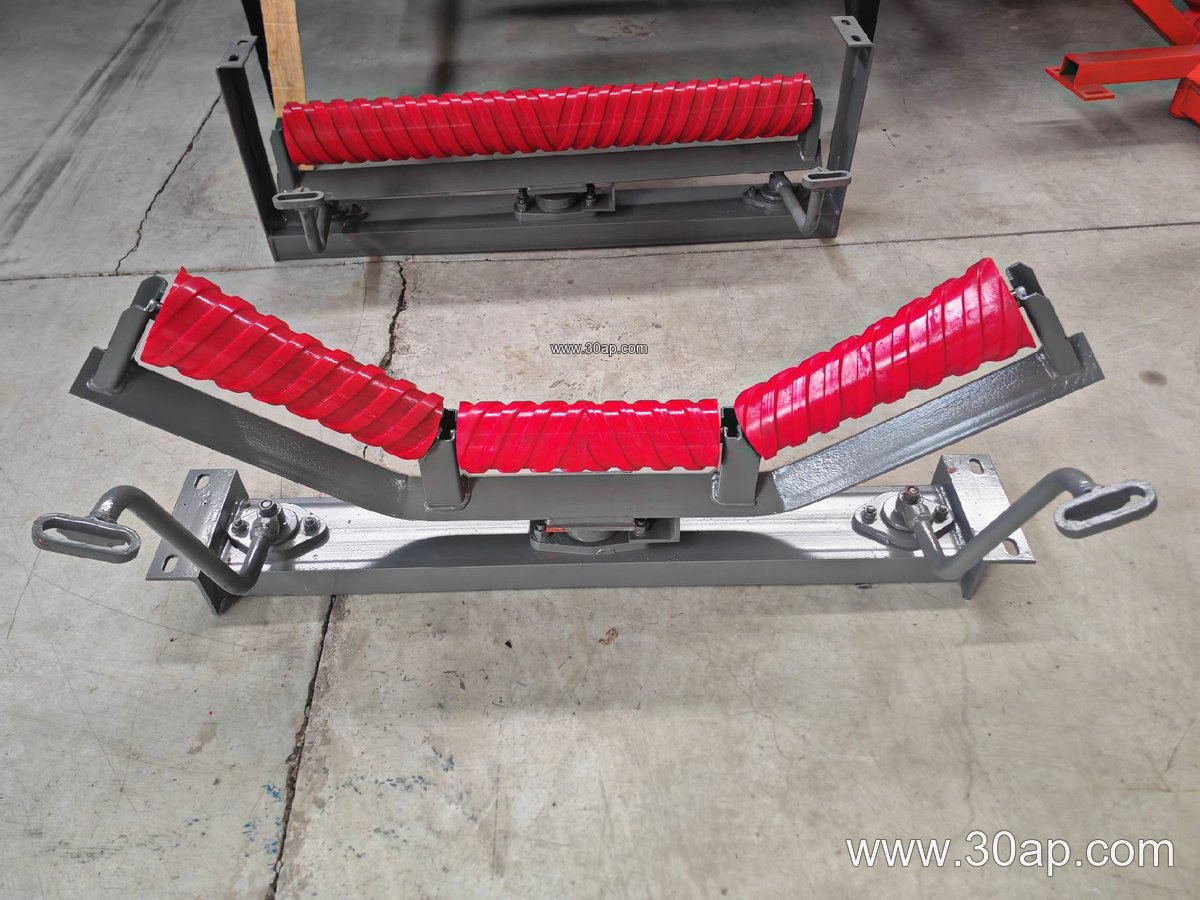
It works alongside the conveyor pulley at the head or tail, but it does not replace the pulley. A conveyor bracket of this kind is part of the idler assembly, and its alignment affects how the idler roller turns and how the conveyor belt wears.
Selection and Maintenance Notes
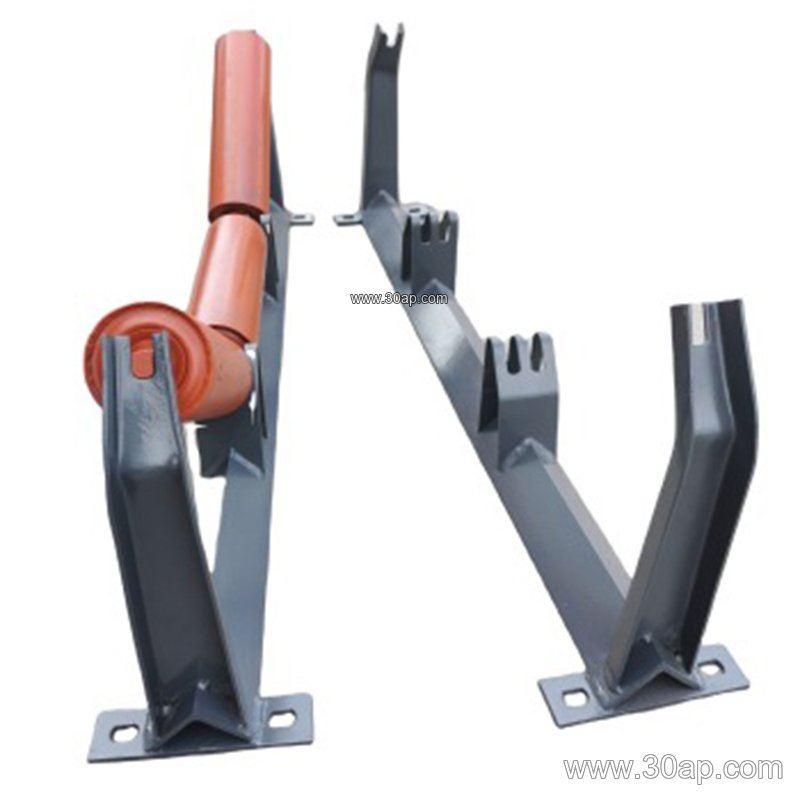
Buyers should check the belt width, trough angle, roller diameter, and mounting dimensions before ordering. The bracket should match the existing idler rollers and the conveyor frame. Adjustable brackets can allow the trough angle to be set between common angles, which helps when the same conveyor handles different materials. Fixed brackets are simpler and are used where the trough angle is already defined.
During maintenance, inspect the bracket for loose bolts, bent steel, or worn mounting holes. A misaligned four-roll idler bracket can cause the belt to run off-center and can shorten idler life. In dusty sites such as a cement plant or a coal yard, keep the bracket area clean so material buildup does not distort the roller positions.
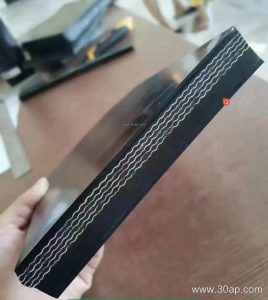
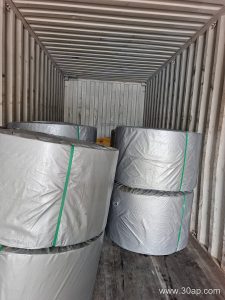
For conveyor systems using EP conveyor belt, steel cord conveyor belt, or flame retardant conveyor belt, the bracket should be selected to suit the belt’s width and the load it carries. The bracket itself is a structural part, so its material and welding quality matter as much as the roller size.