What Is a Head Drive Pulley
The head drive pulley is the workhorse at the discharge end of a belt conveyor. It is the pulleys that grips the conveyor belt, transmits the driving torque from the gearbox or motor, and keeps the belt moving under load. In many plants—whether a quarry, a coal preparation plant, or a cement clinker line—this component is simply called the drive pulley or head pulley. It is not a tail pulley, nor a bend pulley, and it cannot be swapped with those parts because each plays a distinct role in belt tracking and tension.
Understanding the head drive pulley means recognizing it as the primary power transmission point. A conveyor pulley of this type is built to handle the full starting and running tension of the belt, and its design directly affects belt life, energy use, and downtime.
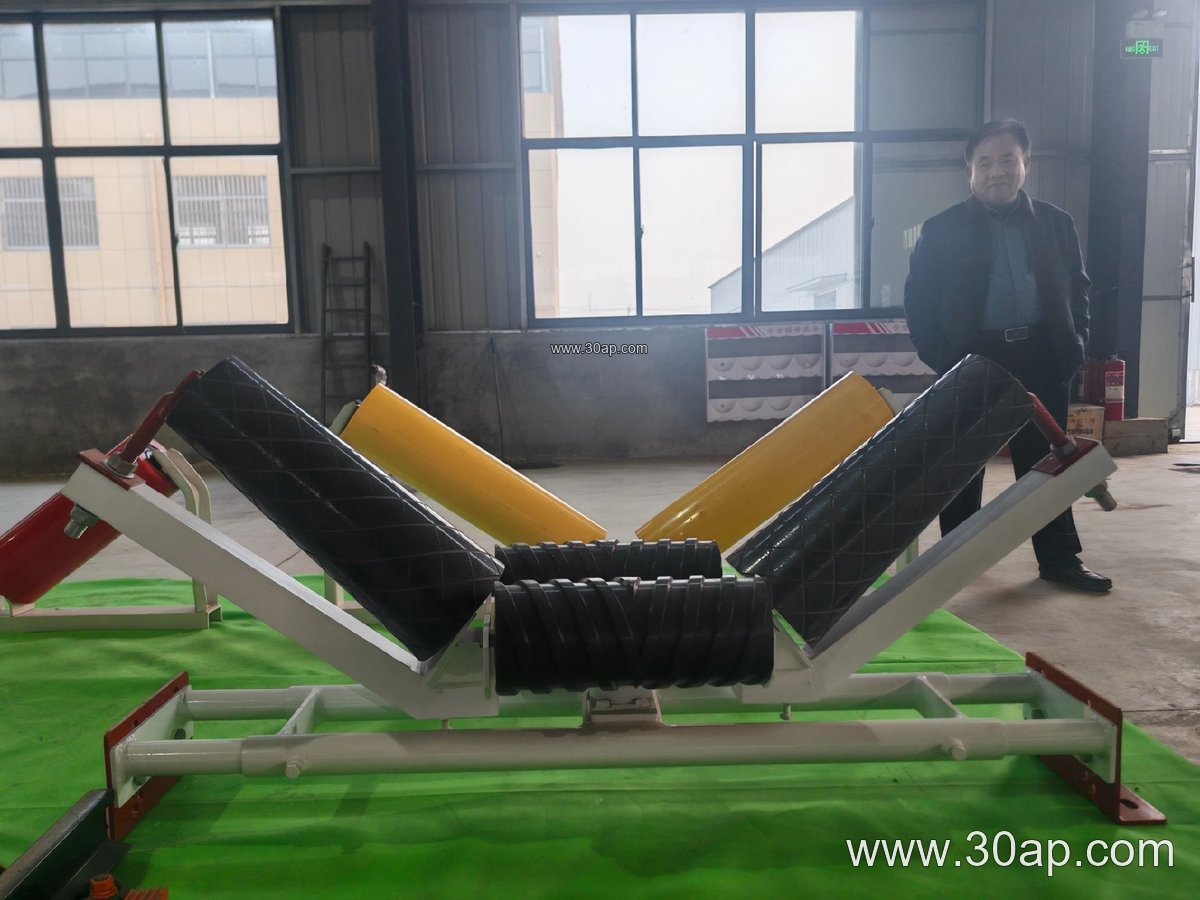
Construction and Key Components
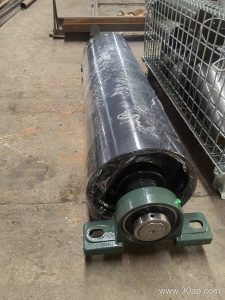
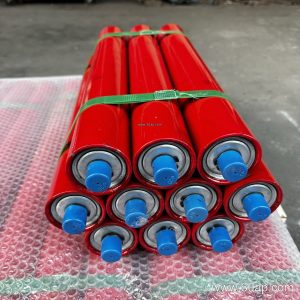
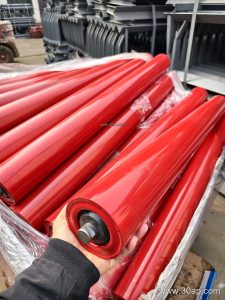
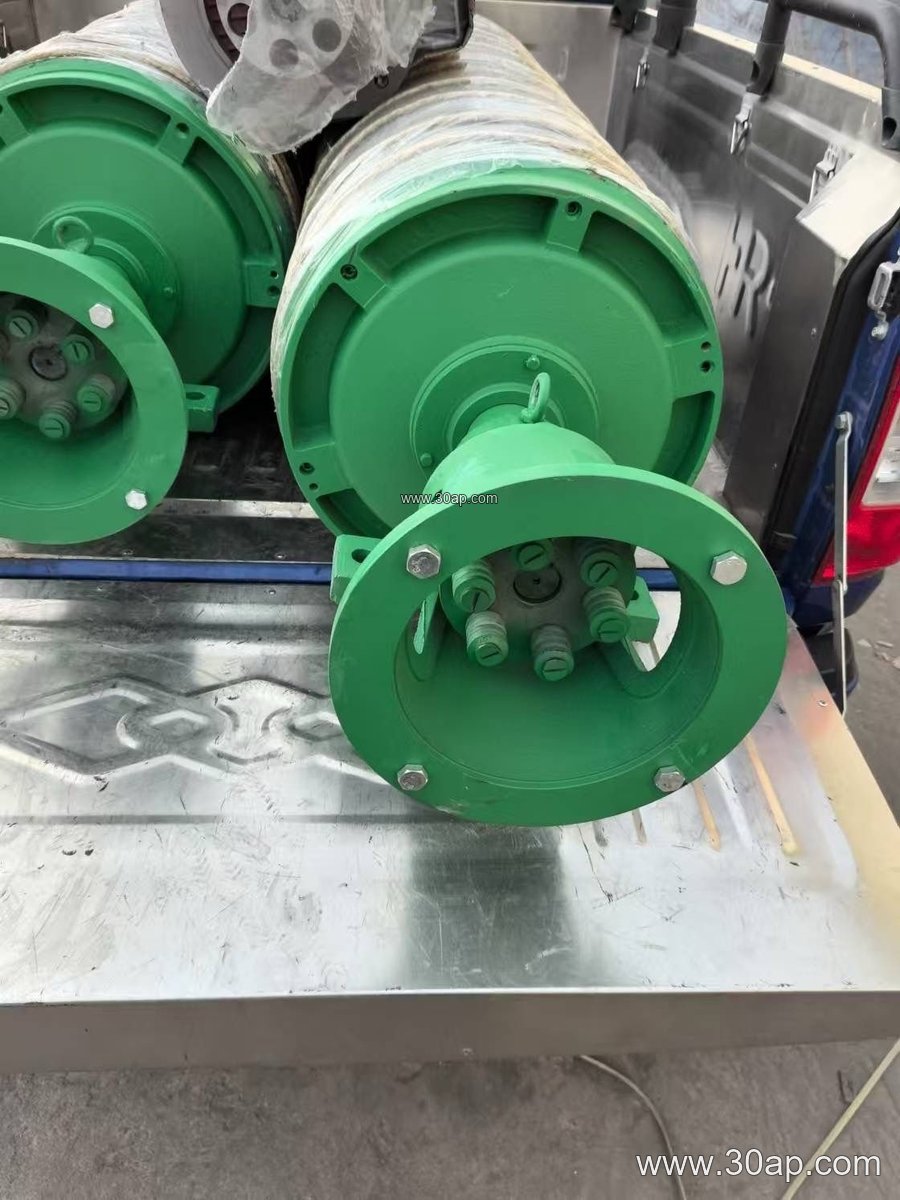
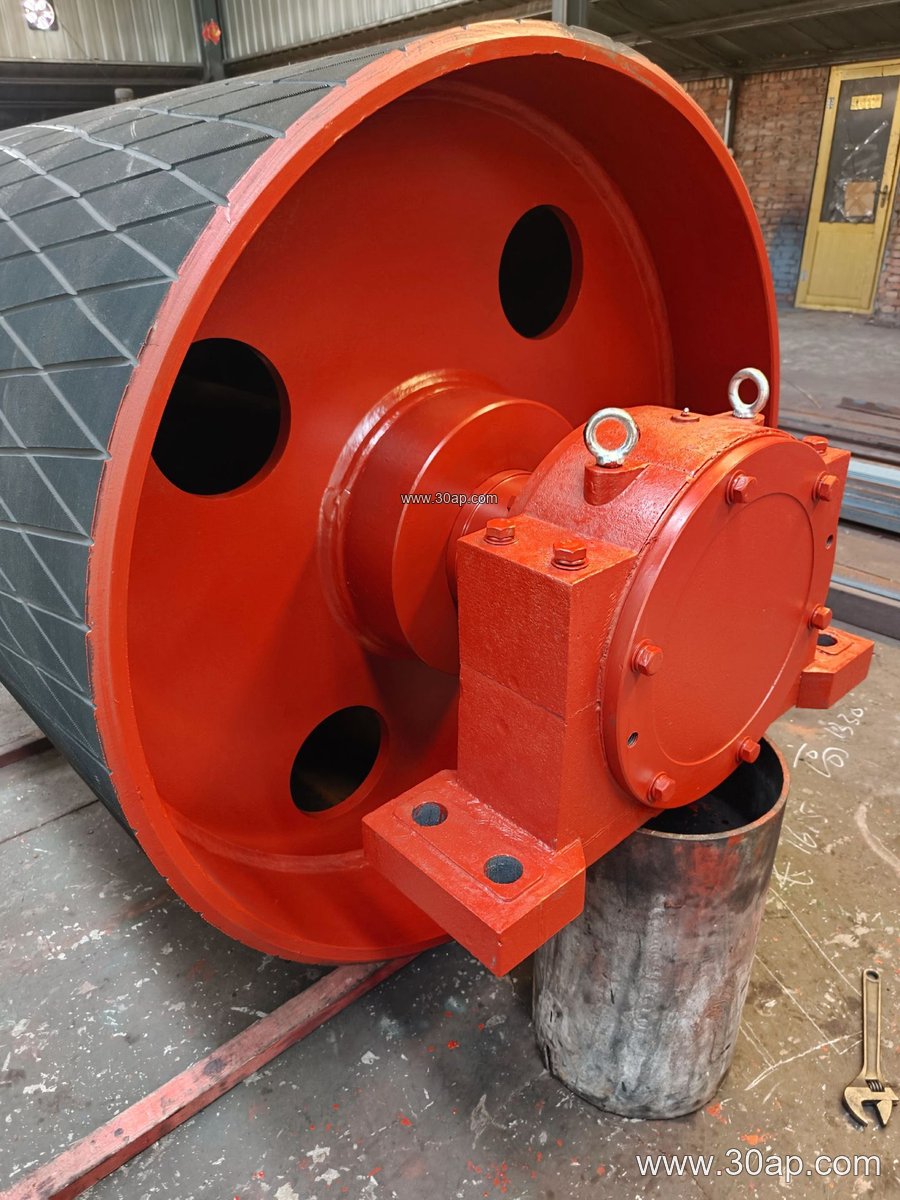
A typical head drive pulley consists of a cylindrical shell, end discs, a shaft, and bearing housings. The shell is often made from rolled steel, machined for balance, and may be covered with rubber or ceramic lagging to improve grip. The shaft is sized by torque and radial load—not by belt width alone—so common shaft diameters range from Ø50 to Ø200 mm depending on the duty. Bearings are selected for the expected radial and axial forces, and the pulley is usually mounted in conveyor brackets or a sturdy frame at the head station.
Surface options matter. Plain steel is used in clean, dry conditions, while rubber lagging—applied by cold bonding or hot vulcanizing—increases friction and reduces belt slip. Diamond or herringbone groove patterns help shed water and fines. Ceramic lagging is chosen where abrasion is severe, such as in iron ore or copper ore handling. Lagging thickness commonly falls between 8 mm and 20 mm, and the choice affects both grip and belt wear.
Where It Fits in the Conveyor System
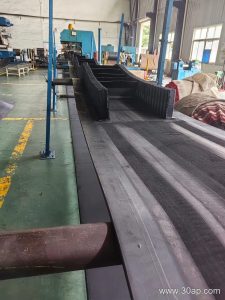
The head drive pulley sits at the discharge point, pulling the loaded belt. In a typical arrangement, the belt leaves the head pulley and drops material into a chute or onto a transfer conveyor. The tail pulley at the other end provides return tension, while bend pulleys route the belt through take-up systems. A head drive pulley may also be part of a dual-drive or tripper system in long overland conveyors, but its core function remains the same: transfer power to the belt.
Applications are widespread. In a sand and gravel plant, a head drive pulley moves aggregate from the crusher to the screening area. In a power plant coal yard, it drives the belt that feeds the boiler bunkers. Underground coal mining conveyors rely on flame retardant conveyor belts and robust pulleys to handle constant load. Cement plants use them on clinker and raw meal lines, while port bulk terminals depend on large pulleys for ship loading. Each site demands a pulley matched to the belt type, whether that is an EP conveyor belt, a steel cord conveyor belt, or a heat resistant conveyor belt.
Matching Pulley to Belt and Load
Belt width and pulley diameter are related but not locked in a one-to-one ratio. A B800 belt might run on a Ø500 pulley in one conveyor and a Ø630 pulley in another, depending on belt stiffness, wrap angle, and speed. Pulley face width is usually slightly wider than the belt—B650 belt often uses a 750 mm face, B1000 belt about 1150 mm, and B1400 belt around 1600 mm. These are common references, not universal rules. The shaft diameter must be calculated from the actual torque and load; guessing from belt width alone can lead to premature bearing failure.
When specifying a head drive pulley, provide the belt type (for example, EP200 or ST1250), belt width, desired pulley diameter, lagging type and thickness, shaft size, and bearing arrangement. Also state the environmental conditions—dust, water, temperature, or oil exposure—since that influences lagging and bearing seals. A rubber conveyor belt in a cold climate may need different lagging than an abrasion resistant conveyor belt in a hard rock quarry.
Maintenance and Selection Tips
- Check lagging wear regularly; worn grooves reduce grip and cause belt slip.
- Monitor bearing temperature and vibration to catch misalignment early.
- Keep the pulley clean; material buildup on the shell can cause belt tracking problems.
- Verify that the pulley diameter suits the belt’s minimum bend radius to avoid ply separation.
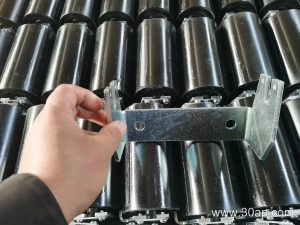
- Use the correct conveyor bracket and fasteners to maintain alignment under load.
For buyers, the head drive pulley is not a commodity item. It should be selected with the same care as the conveyor belt and idler roller set. Whether the conveyor handles coal, clinker, ore, or grain, the drive pulley’s reliability determines how many hours the line runs without interruption. At chinabelt.com, we help you match the right drive pulley to your belt and operating conditions, so you can avoid unnecessary downtime and keep material flowing.