What a Conveyor Bracket Assembly Does
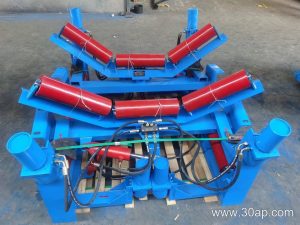
A conveyor bracket assembly is the structural frame that holds idler rollers in position along a conveyor line. It sits between the main conveyor frame and the idlers, setting the trough angle, the roller spacing and the belt path. In a quarry or a cement plant, the bracket assembly is often the part that decides whether the belt tracks cleanly or wanders. The assembly is usually bolted rather than welded to the main frame, so it can be replaced or adjusted without cutting steel.
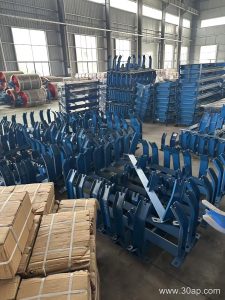
In practice, an assembly of this kind is a fabricated steel unit: a crossbeam, two or more mounting brackets, and often a set of angle plates that position the rollers. Buyers sometimes refer to it simply as a conveyor bracket, but the full assembly includes the beam, the roller seats and the fixing holes as one serviceable item.
How the Assembly Is Built
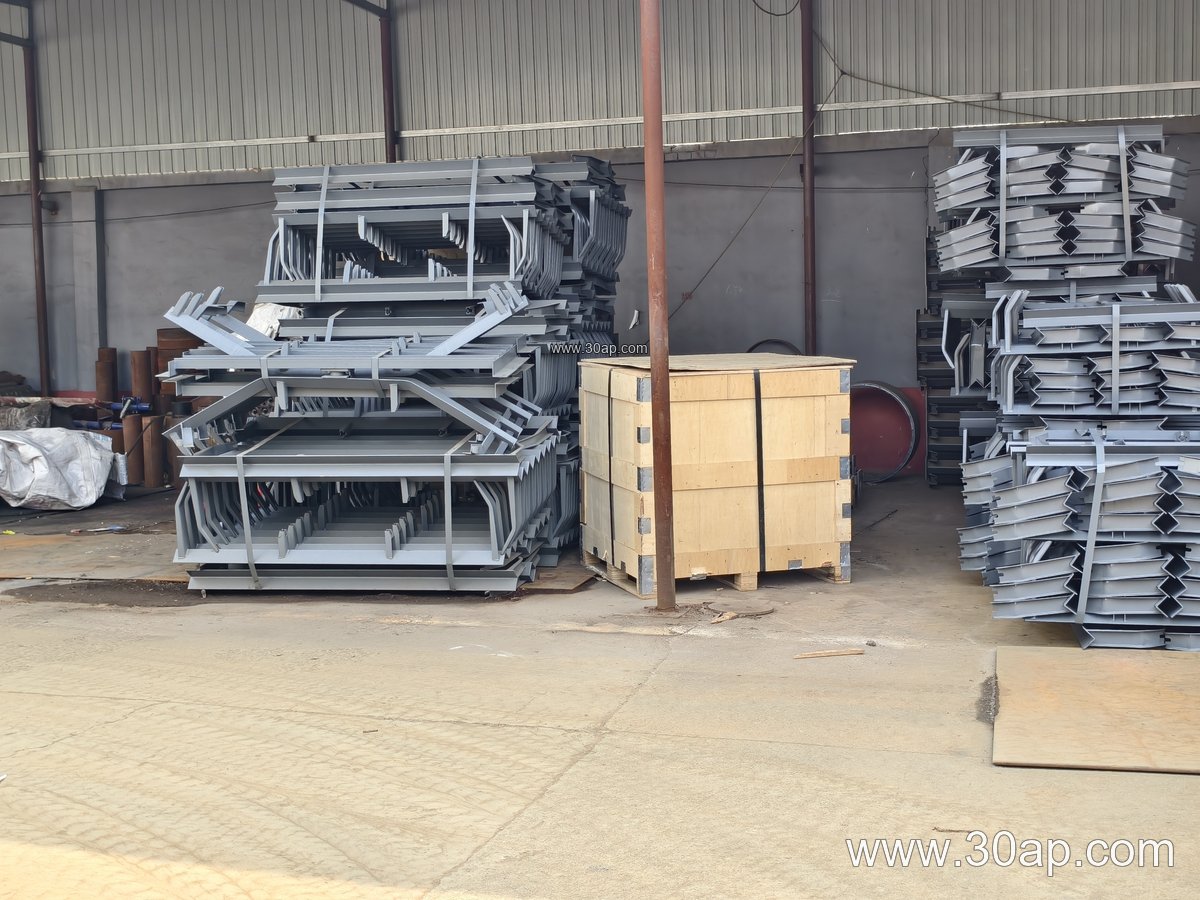
Most units are made from angle steel, channel steel or folded steel plate. The crossbeam carries the load of the belt and the material, so its section and thickness follow the belt width and the duty. Roller seats are punched or drilled to match the shaft ends of the idlers, and the end plates carry slotted holes so the assembly can be aligned on site.
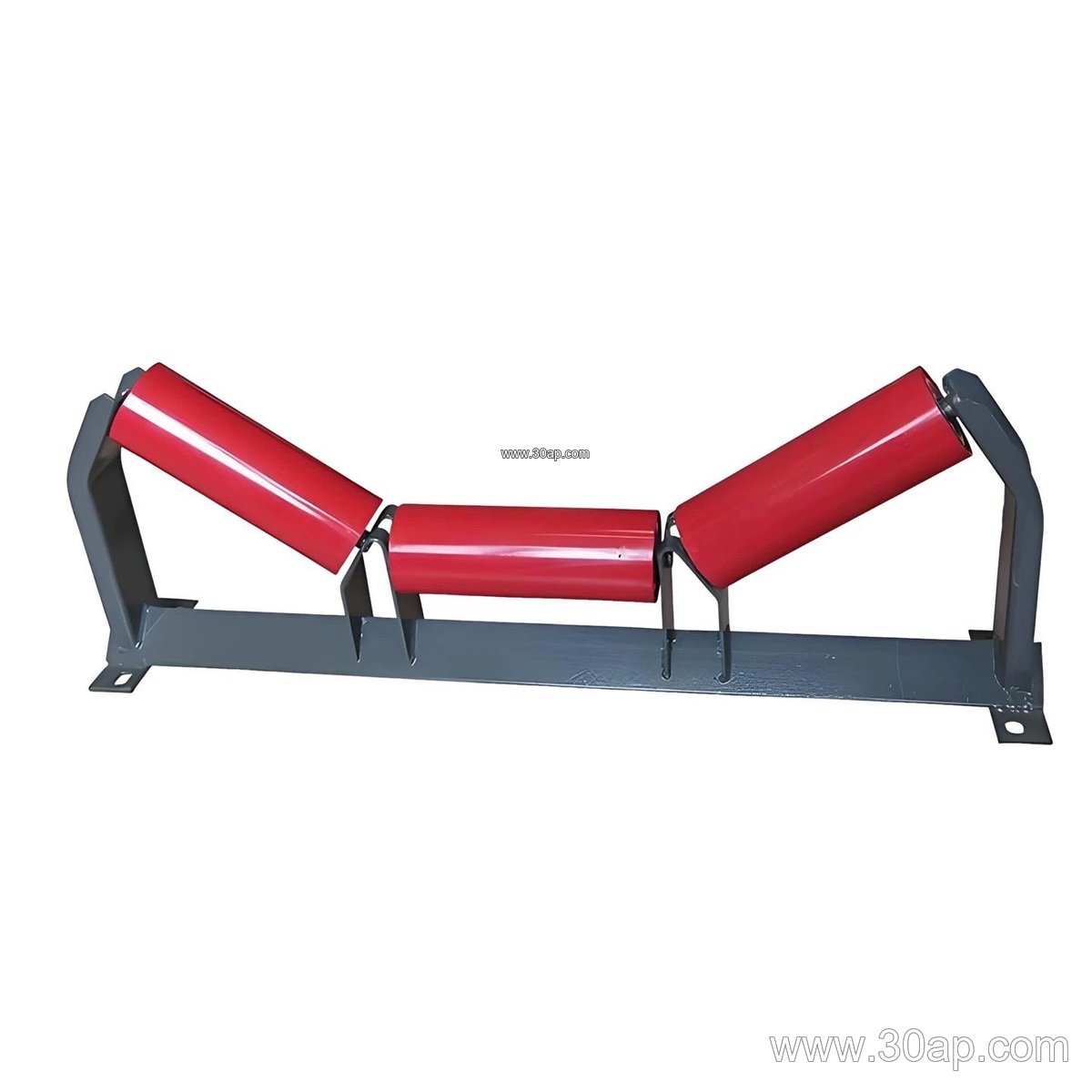
Three construction details matter to a buyer:
- The roller seat spacing must match the idler shaft, not just the roller diameter.
- The beam length and hole pitch change with belt width and trough angle, so they are confirmed per project rather than taken from a catalogue.
- Galvanised or painted finishes are common for outdoor installations, while underground coal mining conveyors often use coated steel to resist damp conditions.
Trough Angle and Roller Diameter Selection
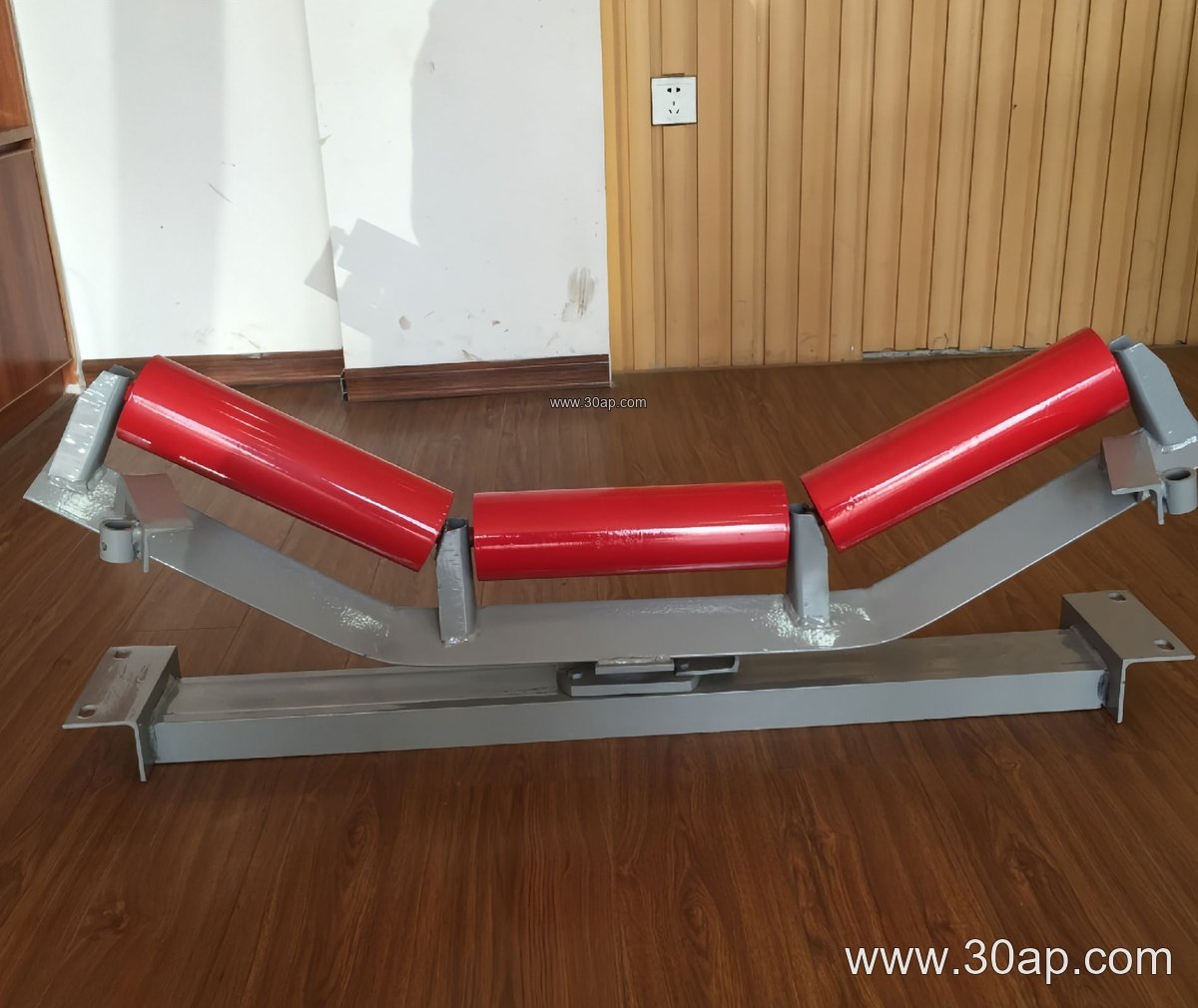
The trough angle controls how much material the belt can carry and how stable the load stays. Common values are 20, 30, 35 and 45 degrees, and adjustable brackets allow the angle to be set within that range on site. A 35 degree trough is a frequent choice for aggregate and cement duties, while a 45 degree setting suits higher capacity on a given belt width. The roller diameter is chosen with the belt width and belt speed; Ø89, Ø108, Ø133, Ø159 and Ø194 are typical options.
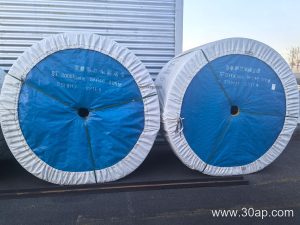
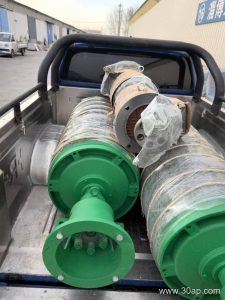
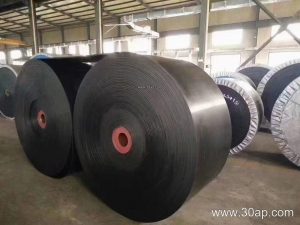
There is no fixed rule that ties one belt width to one roller diameter. A B800 conveyor might run Ø108 rollers at 35 degrees, while a B1200 line at 45 degrees may use Ø133. The correct pairing depends on load, speed and the belt itself. For heavy abrasive duties, a high abrasion resistant conveyor belt running over larger rollers reduces both belt stress and roller speed.
Common Configurations
Carrying-side assemblies are usually troughed, with two or three rollers; return-side assemblies are flat or V-shaped. Transition brackets sit near the pulleys and gradually change the belt shape. Impact brackets with cushion rollers go under the loading point, and self-aligning brackets help correct belt misalignment on long runs.
The table below shows indicative pairings, not fixed supply rules:
Indicative Bracket and Roller Pairings
- B500 to B650: 20 to 30 degrees, Ø89 rollers, light to medium duty
- B800 to B1000: 30 to 35 degrees, Ø108 to Ø133 rollers, general bulk duty
- B1200 to B1400: 35 to 45 degrees, Ø133 to Ø159 rollers, heavy duty
- B1600 to B2000: 35 to 45 degrees, Ø159 to Ø194 rollers, high capacity
Where the belt carries hot clinker or sinter, a heat resistant conveyor belt is used and the bracket assembly should be positioned to keep the idlers clear of the hottest zone. On coal handling lines, a flame retardant conveyor belt is standard, and the bracket assembly must allow quick roller changes without disturbing the belt line.
Where These Assemblies Are Used
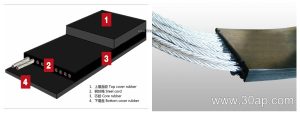
You will find them on almost any troughed conveyor. In a limestone quarry, carrying brackets hold the belt through the crushing and screening circuit. In a power plant coal yard, they support the belt from the stockpile to the boiler bunkers. In a sand and gravel line, they carry the washed product to the stockpile conveyors. The same assembly type also appears in fertilizer plants, grain silos and tunnel spoil handling, wherever a fabric core conveyor belt or a steel cord conveyor belt runs over a fixed frame.
Selection should follow the belt, not the other way round. A conveyor bracket assembly sized for an EP conveyor belt at 1200 mm width may be unsuitable for a heavier steel cord belt at the same width, because the roller loads differ. Matching the assembly to the actual belt and load is what keeps the line running.