What the Ø76 Idler Is and Where It Fits
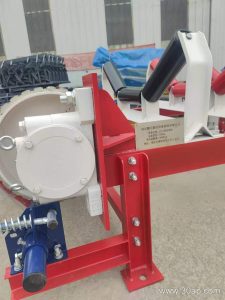
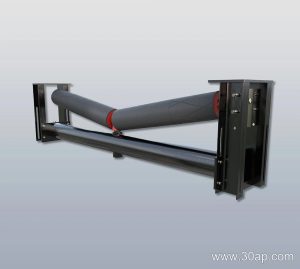
The Ø76 conveyor idler is a roller with a 76 mm outside diameter, used to support and guide the conveyor belt along the carrying and return sides of a belt conveyor. In a typical three-roll troughing set, three idlers form a trough shape that keeps bulk material centered. The same diameter can also appear in return positions, transition zones, and self-aligning assemblies. Because the roller diameter is relatively small, this size is often chosen for lighter to medium-duty lines where belt speed and load are moderate, such as a quarry conveyor belt or an aggregate conveyor belt handling crushed stone.
Construction Details That Affect Service Life
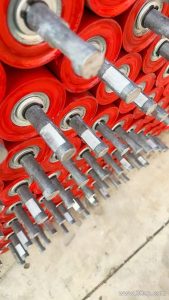
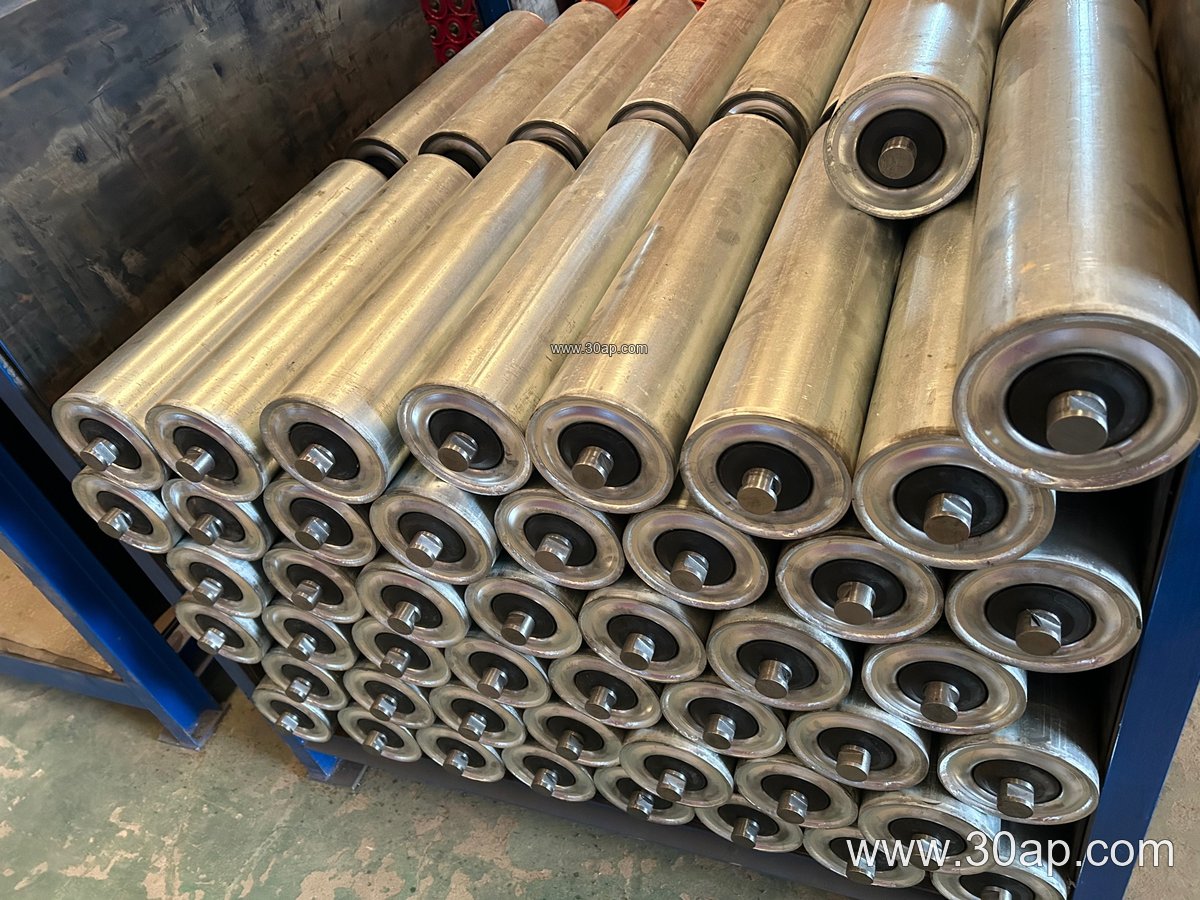
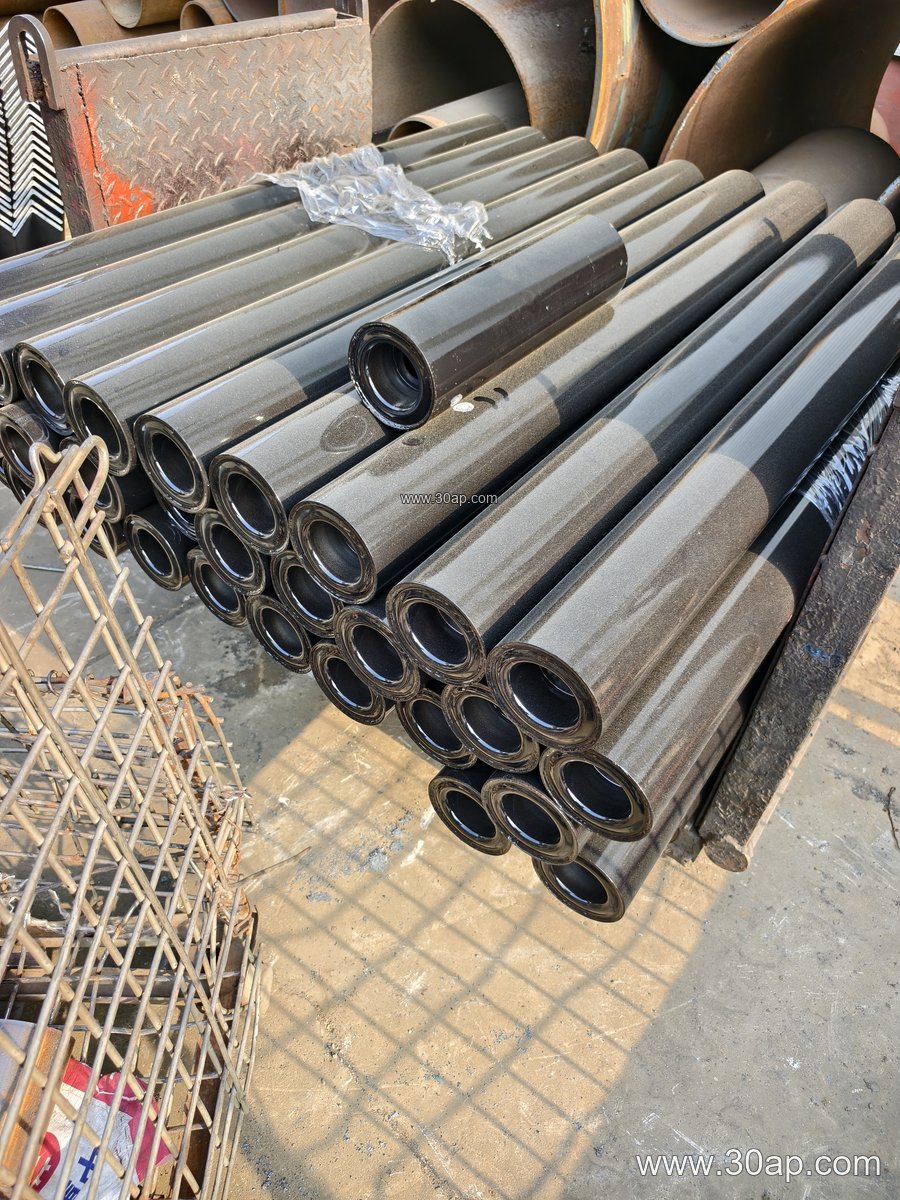
A Ø76 idler usually consists of a steel tube shell, bearing housings, a shaft, and sealing arrangements. The shell may be plain steel, nylon-coated, ceramic-covered, or fitted with rubber rings for impact absorption. Bearing selection is not fixed to one number; common choices include 6204, 6205, and 6305, depending on load and shaft design. Sealing quality matters in dusty environments such as a cement plant or a coal mining conveyor belt line, where fine particles can enter the bearing cavity. The roller length is not determined by diameter alone; it follows belt width, trough angle, and the idler set configuration. For example, a three-roll troughing set on a B800 belt may use a center roll around 315 mm long, while a B1000 set may use about 380 mm, but side rolls and center rolls can differ and should be confirmed by design.
Common Positions on a Conveyor
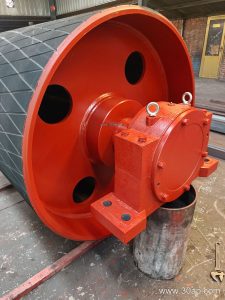
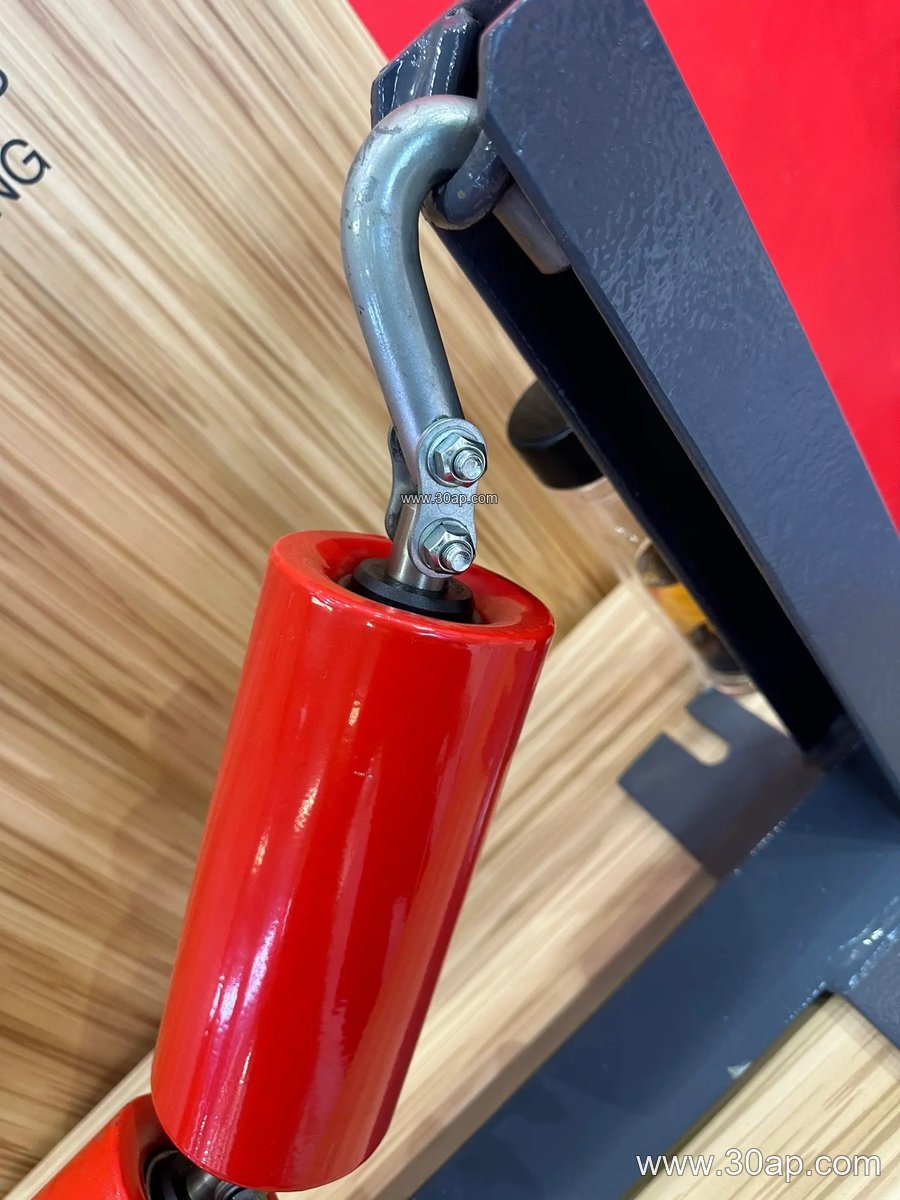
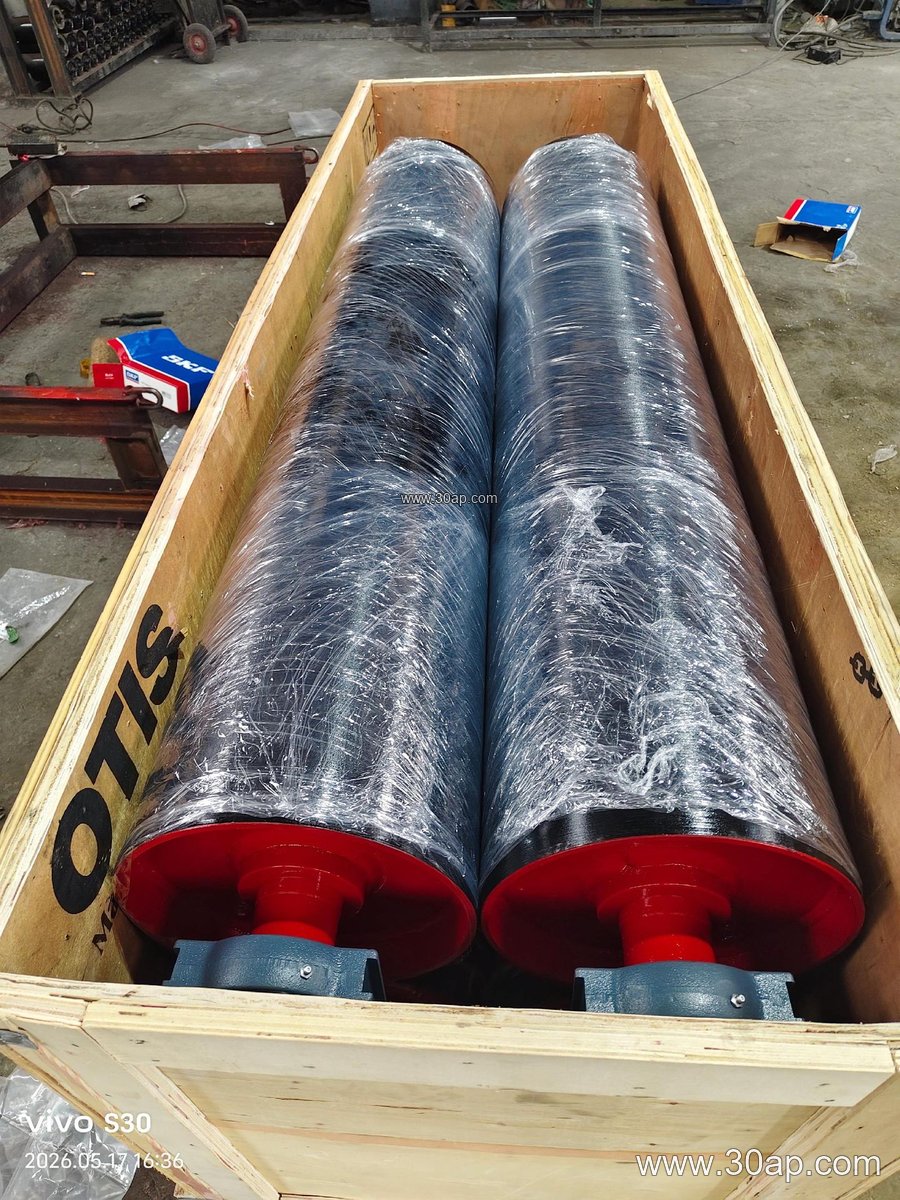
On the carrying side, Ø76 idlers are frequently arranged as troughing idlers with 20°, 30°, 35°, or 45° trough angles. A 35° trough is common in many bulk handling lines, while a 45° angle may be used where extra material containment is needed. Transition idlers help the belt move from a flat pulley to the trough profile without excessive edge stress. On the return side, flat return idlers or V-return idlers support the empty belt. Impact idlers with rubber rings are placed under loading points to cushion the belt from falling material. Self-aligning idlers, including friction and tapered types, help correct belt misalignment. These are different roles, not interchangeable with drive pulleys, tail pulleys, or bend pulleys, which transmit motion or change belt direction.
Applications Across Industries
In a limestone mine or stone crushing plant, Ø76 idlers may be found on secondary conveyors that move sized aggregate. In a power plant coal handling system, they can support a flame retardant conveyor belt or an abrasion resistant conveyor belt on moderate-capacity lines. In a fertilizer or grain facility, a smooth steel or nylon roller surface may be preferred to reduce material buildup. The idler roller works together with the conveyor pulley and conveyor bracket to keep the belt tracking correctly. Where the belt is a pipe conveyor belt or a corrugated sidewall conveyor belt, idler selection follows the specific belt profile and should not be based on diameter alone.
Buyer Checklist for Ø76 Idlers
Before ordering, confirm the belt width, trough angle, idler set type (single-roll, two-roll, or three-roll troughing), roller length, shaft diameter, bearing number, and sealing requirement. If the line handles hot material, mention it so that heat resistant conveyor belt and idler bearing clearance can be reviewed. For cold climates, cold resistant conveyor belt compatibility may affect roller choice. Ask for the roller surface form: plain steel, rubber ring, ceramic, or nylon. Also check mounting dimensions against the existing conveyor bracket. The Ø76 size is not mandatory for every conveyor; larger diameters such as Ø89 or Ø102 may be more suitable for wider belts or heavier loads. Use the Ø76 conveyor idler where the load and belt width fit, and verify all dimensions with the conveyor design.