What a High-Angle Conveyor Trough Idler Does
A high-angle conveyor trough idler is the carrying idler used on the loaded side of a steeply inclined conveyor, where the belt must hold material without rollback. Its job sounds simple: support the belt, form it into a trough, and keep the load centered. On a steep incline, though, every part of that job becomes harder. Material presses back against the belt, fines work into seams, and the idler set has to resist both load and drift.
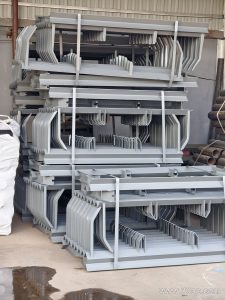
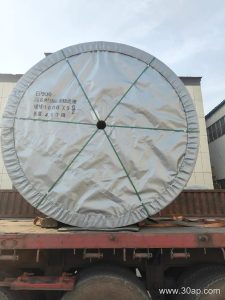
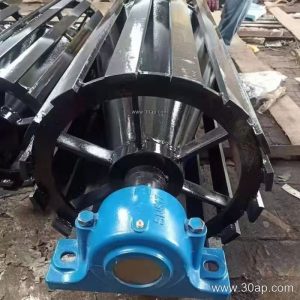
In a quarry conveyor line or a cement plant incline, this troughing idler works together with the conveyor belt, the conveyor pulley at the head, and the conveyor bracket that locks the frame to the stringer. The trough idler does not pull the belt; it shapes and supports it so the belt can carry the load uphill without spillage.
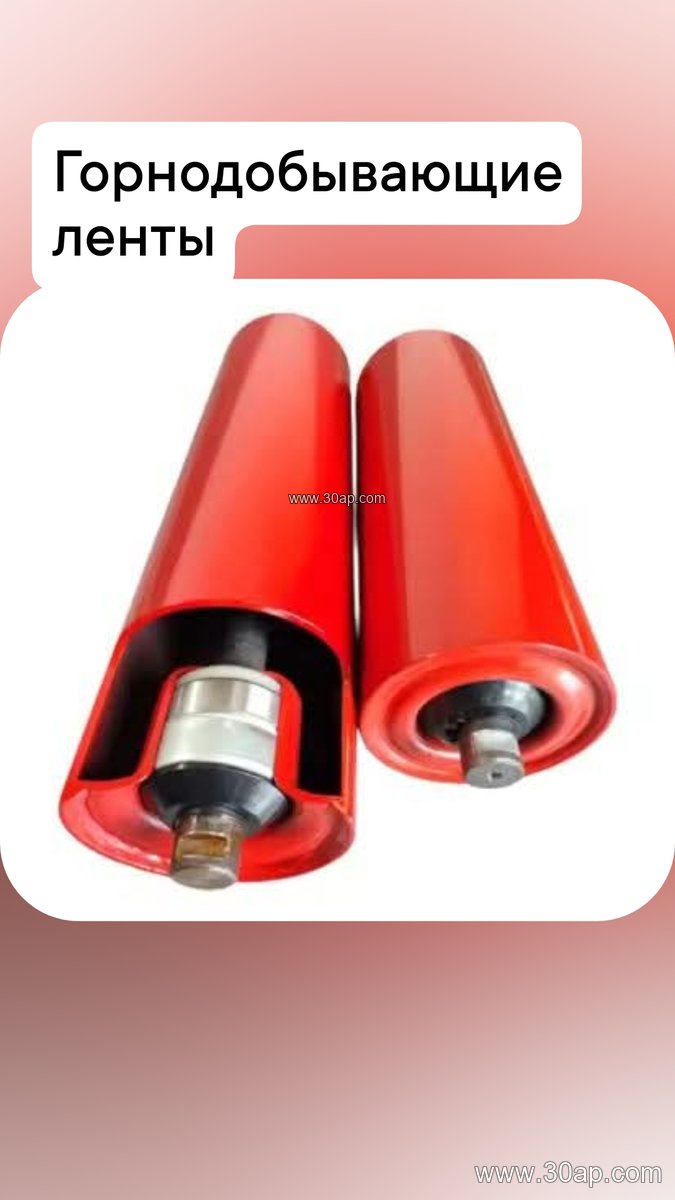
How the Troughing Idler Is Built
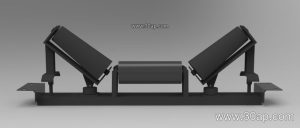
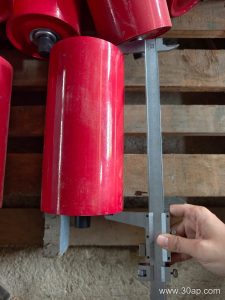
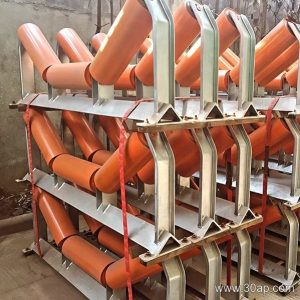
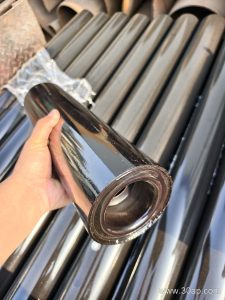
A high-angle trough idler is usually supplied as a three-roll set, with a center roll and two side rolls set at a trough angle. Two-roll sets appear on narrower belts or where space is tight. The rolls themselves are steel tubes fitted with bearing housings, sealed ends, and a shaft that runs through the frame. Roll face options include plain steel, nylon, ceramic, and rubber rings, depending on whether abrasion, build-up, or impact is the main concern.
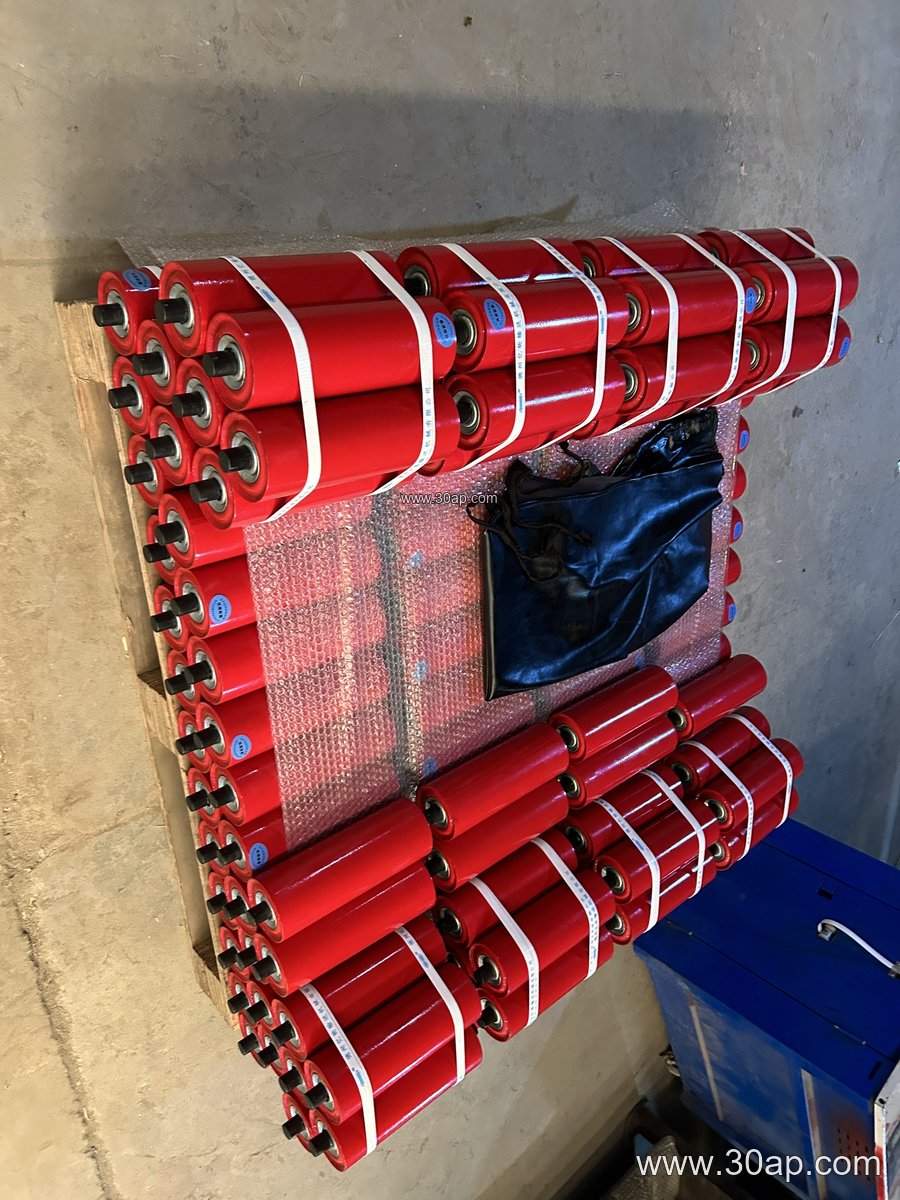
Sealing matters more than many buyers expect. On a steep incline, dust and moisture tend to collect at the low end of the idler, and a poor seal lets grit into the bearing. Common bearing sizes include 6204, 6205, 6305, 6306, 6308, and 6310, but the correct bearing is chosen from load, roll diameter, and speed rather than from belt width alone.
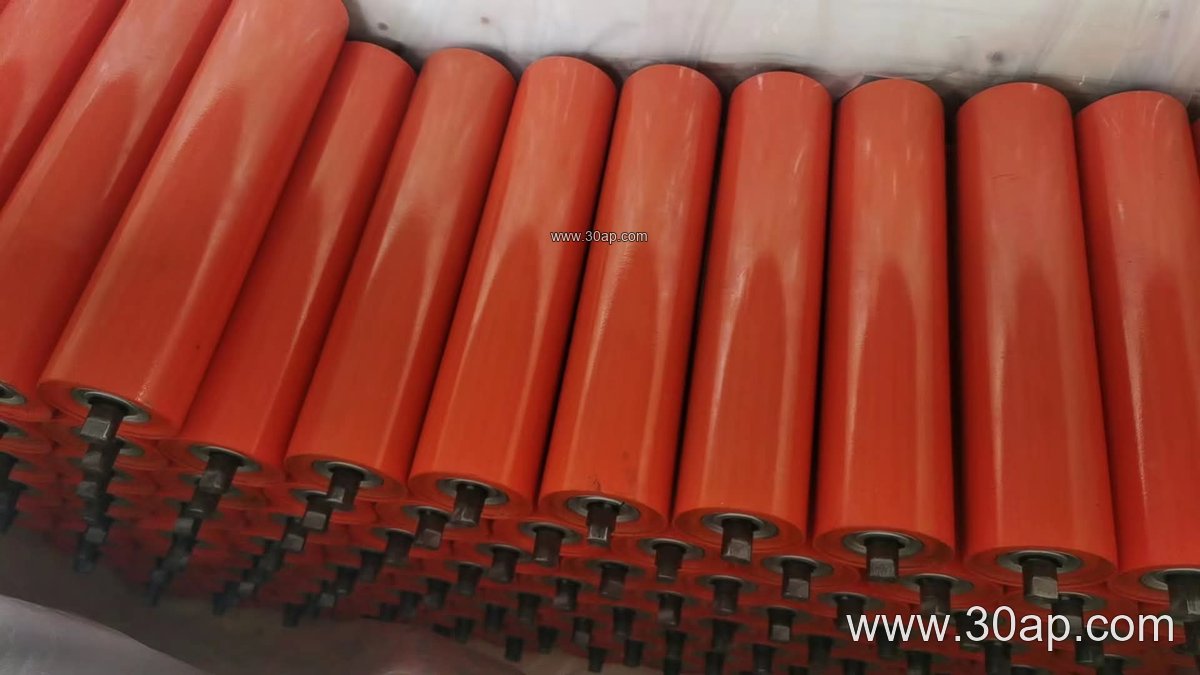
Common Reference Dimensions
The table below gives typical reference values for trough idler sets. These are examples for orientation, not fixed rules, and the final roll length depends on belt width, trough angle, and frame design.
| Belt Width | Typical Roll Diameter | Typical Three-Roll Length | Common Trough Angle |
|---|---|---|---|
| B500 | Ø76 – Ø89 | about 200 mm | 20° – 35° |
| B650 | Ø89 – Ø108 | about 250 mm | 20° – 35° |
| B800 | Ø89 – Ø108 | about 315 mm | 30° – 35° |
| B1000 | Ø108 – Ø127 | about 380 mm | 30° – 35° |
| B1200 | Ø108 – Ø133 | about 465 mm | 35° – 45° |
| B1400 | Ø127 – Ø159 | about 530 mm | 35° – 45° |
| B1600 | Ø133 – Ø159 | about 600 mm | 35° – 45° |
| B1800 | Ø159 – Ø178 | about 670 mm | 35° – 45° |
| B2000 | Ø159 – Ø194 | about 750 mm | 35° – 45° |
Side rolls and the center roll can differ in length, and a wider belt does not automatically mean a larger pulley or shaft. Those choices follow the conveyor design.
Where High-Angle Trough Idlers Are Used
These idlers appear in a limestone quarry feeding a crusher, in a coal mining incline out of a pit, and in power plant coal handling where the belt climbs to a transfer tower. They also suit sand and aggregate lines, iron ore and copper ore transport, and tunnel spoil removal. In each case the belt is often a heavy-duty mining conveyor belt, a flame retardant conveyor belt for underground work, or an abrasion resistant conveyor belt where sharp rock is present.
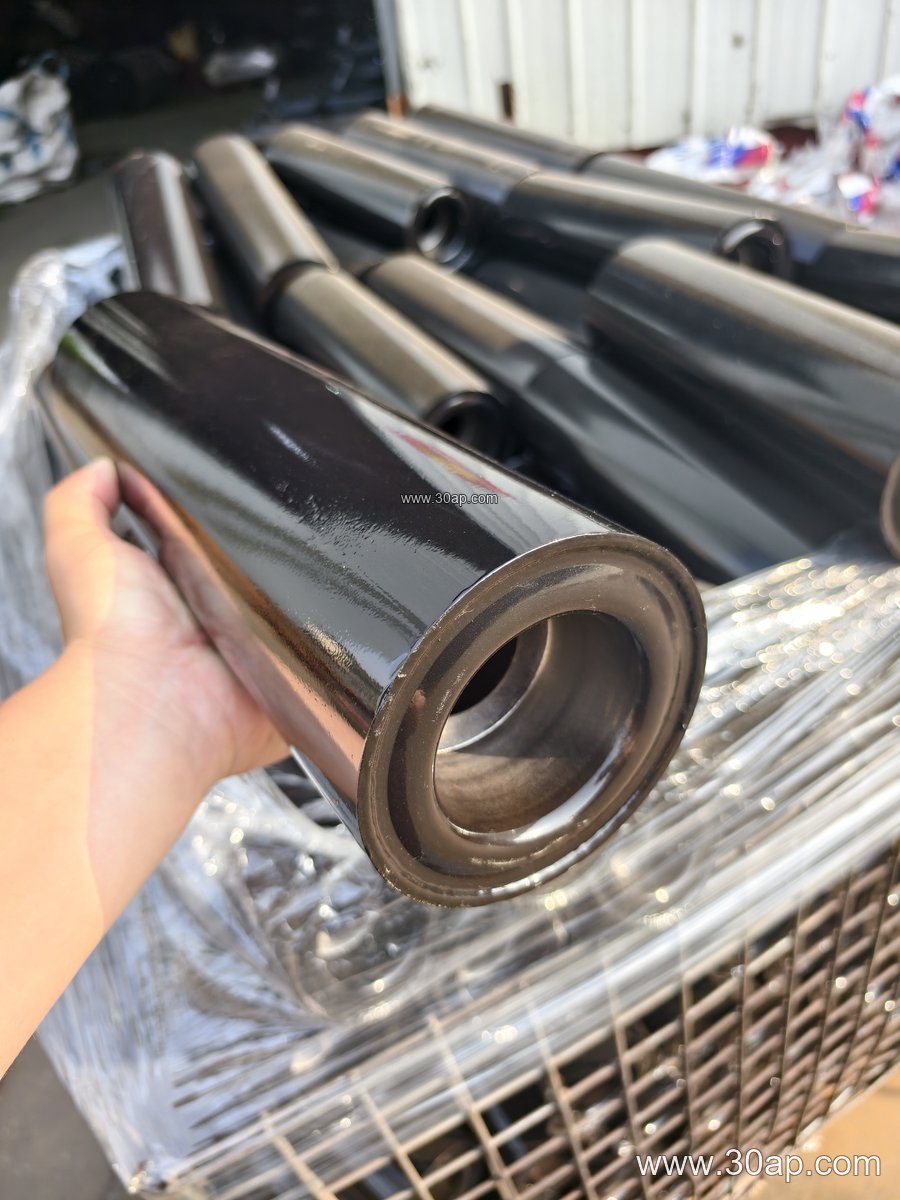
Where the incline becomes very steep, a corrugated sidewall conveyor belt or a chevron conveyor belt may be used instead of a smooth belt, and the trough idler set is then selected to match that belt profile. A pipe conveyor belt follows a different support concept and is not a substitute for a trough idler.
Buyer Checklist
- Confirm belt width, trough angle, and whether a two-roll or three-roll set fits the existing frame.
- Check roll diameter against belt speed and load, not against width alone.
- Choose the roll face for the site: rubber rings for impact at the load point, ceramic or nylon where sticky material builds up.
- Review seal and bearing specification for dust and moisture, especially on washdown or underground sections.
- Match the bracket and shaft to the stringer hole spacing so the set sits square to the belt.
For sites that also stock conveyor idler spares, keeping a few complete trough sets on hand shortens downtime when a seized roll starts rubbing the belt. A well-matched high-angle trough idler protects the belt edge, reduces spillage on the incline, and keeps the load moving toward the discharge pulley without drama.