What an Impact Idler Bracket Does
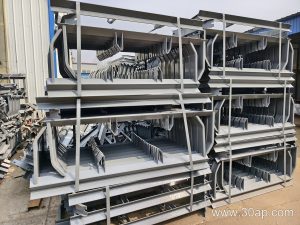
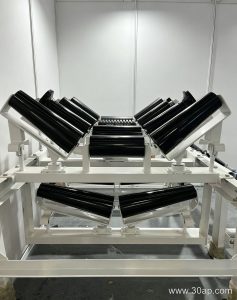
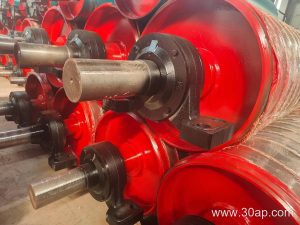
An impact idler bracket is the support frame that holds impact idler rollers directly beneath a conveyor loading point. Its job is to keep those rollers at the right height and angle so they absorb the force of falling material before it reaches the belt surface. In a crusher discharge, a transfer tower, or a truck dump hopper, the bracket takes a constant beating that ordinary troughing frames were never designed for. The bracket is a distinct component from the troughing bracket used along the carrying run, and it is not a substitute for a bend pulley or a drive pulley at either end of the system.
Because the impact zone is where most belt damage begins, the bracket position and rigidity matter as much as the roller itself. A weak frame lets the rollers deflect, the belt sags between them, and the impact energy transfers straight into the carcass.
How the Bracket Is Built
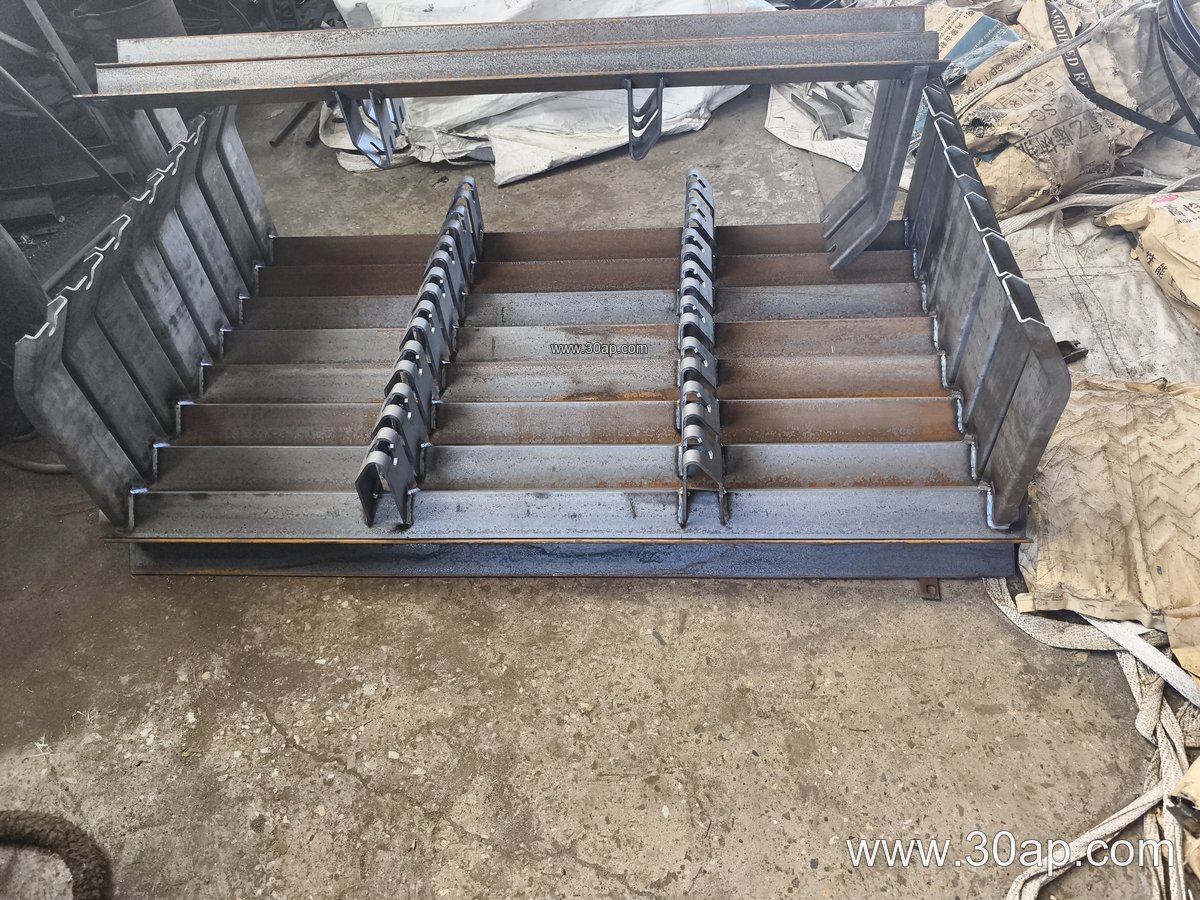
Most impact idler brackets are fabricated from formed steel rather than castings. Common materials include angle steel, channel steel, and bent steel plate, with welded gussets added at the corners where load concentrates. The frame usually carries a pair of mounting slots or bolt holes so the roller shaft ends sit in a fixed cradle, and crossbeam lengths vary with belt width and trough angle rather than following one universal dimension.
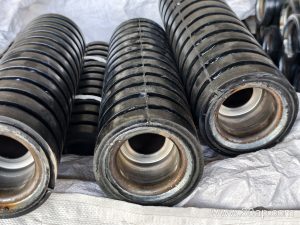
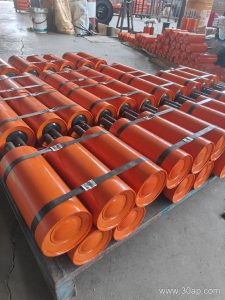
Two construction details separate a loading-zone bracket from a standard one. First, the frame is often deeper or reinforced to resist repeated shock. Second, the roller seating may be designed for rubber-ring or cushion-type impact rollers, which have a larger outside diameter than plain carrying rollers. A fabricator will usually ask for the belt width, the trough angle, and the roller diameter before quoting, because all three affect the mounting hole spacing.
Fixed and Adjustable Versions
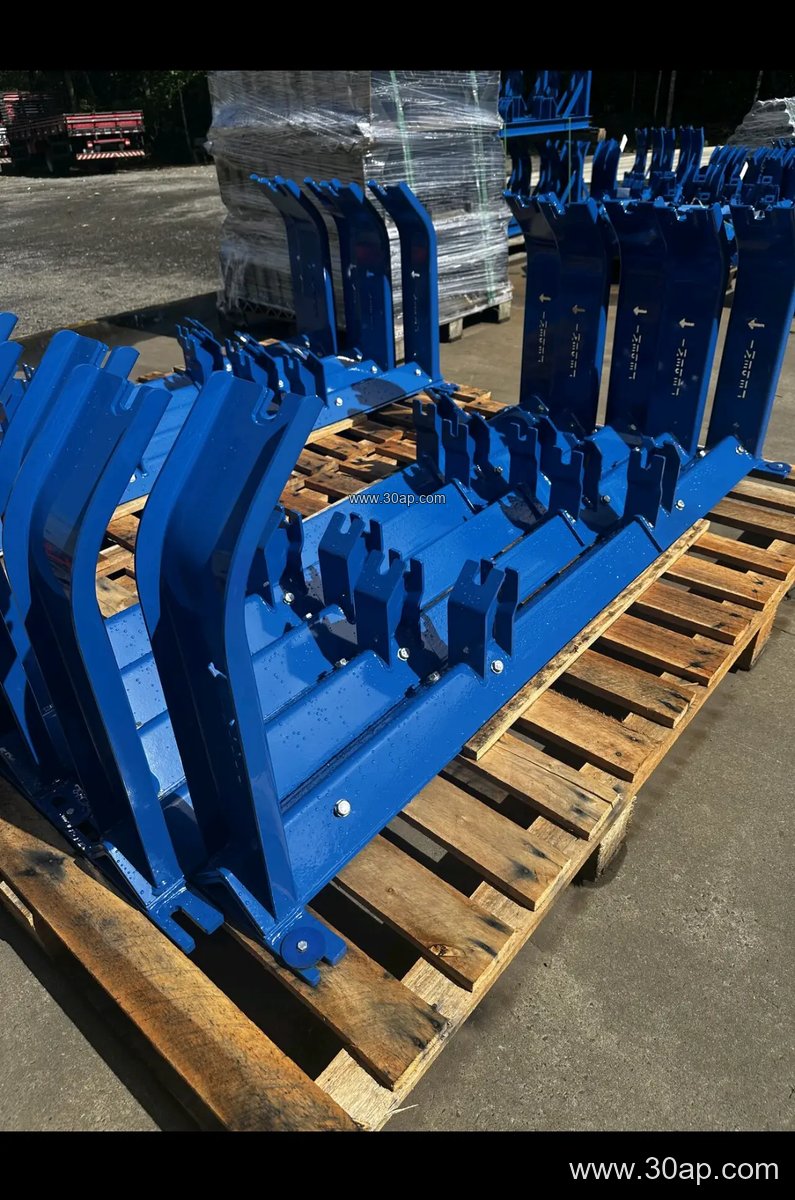
Fixed brackets hold one trough angle, typically 30 or 35 degrees. Adjustable brackets allow the same frame to be set between common angles such as 20, 30, 35, and 45 degrees, which helps when a plant handles more than one material or expects to change belt loading over time. A small forward tilt of roughly 1.5 to 2 degrees is sometimes built into the roller seats to help center the belt, though this is a design choice, not a rule.
Where It Fits on the Conveyor
The bracket is installed at the receiving point, usually just downstream of the skirt boards or the feed chute. In a quarry or sand and gravel line it sits under the crusher outlet. In a coal handling plant it appears below the transfer chute that feeds the main conveyor belt. Cement plants use them where clinker drops from a cooler, and power plant coal yards use them at wagon or truck unloading stations.
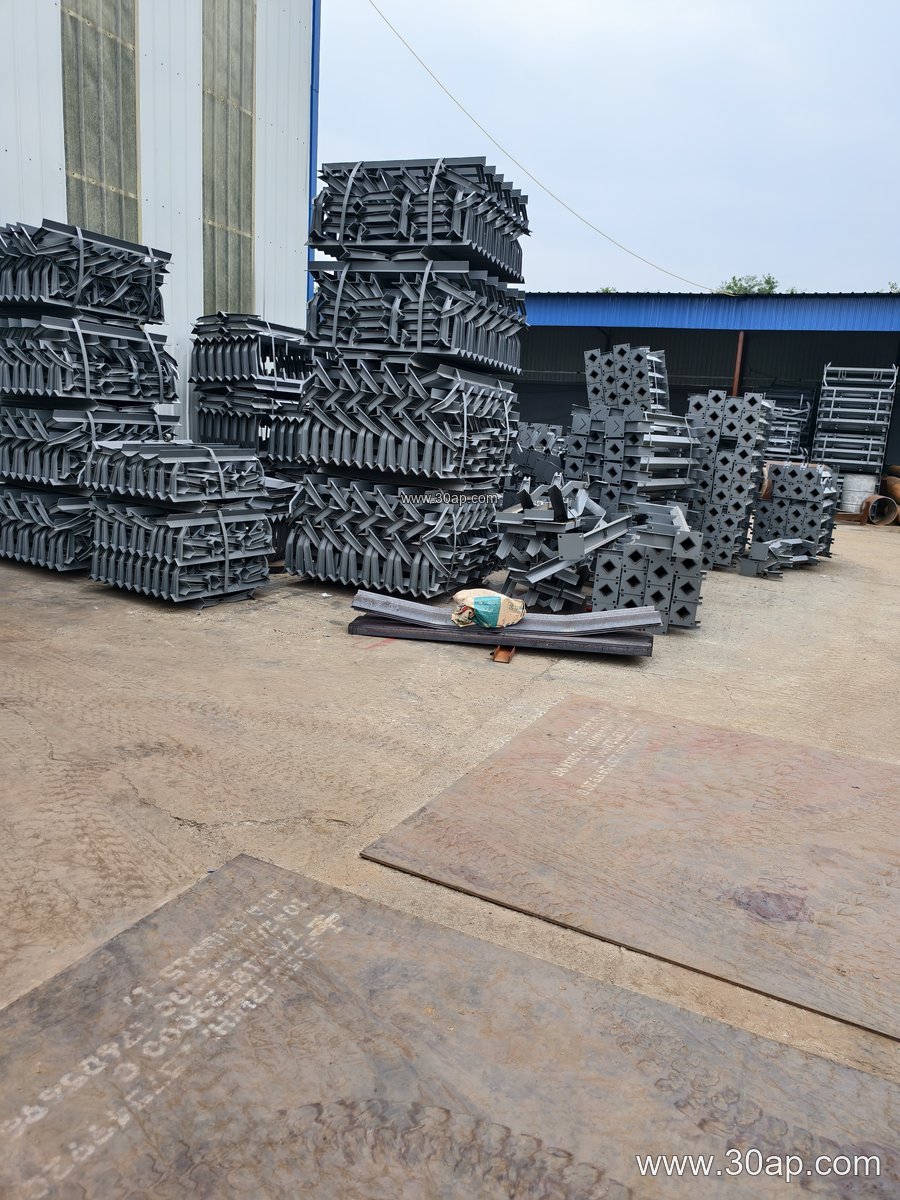
A typical loading station may combine an impact idler bracket with a transition bracket on the approach side, so the belt moves from a flat or gently troughed profile into the full impact trough without a sharp step. On the return side, a V-return bracket or flat return bracket does a different job and should not be confused with the impact frame.
Matching the Bracket to Belt and Roller
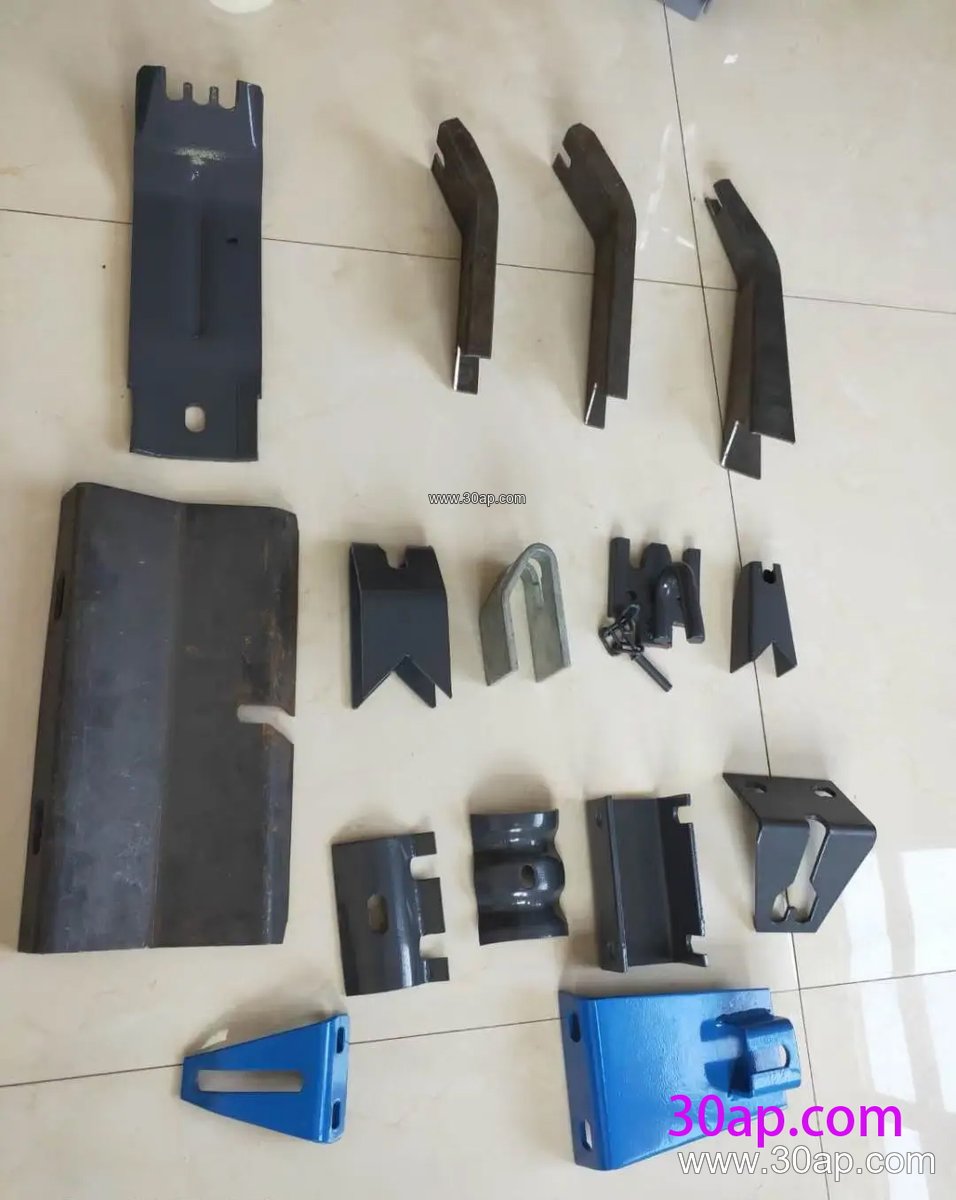
Selection starts with belt width, then trough angle and roller diameter. The table below shows common reference combinations; these are examples only and actual mounting dimensions are confirmed by design.
| Belt Width | Typical Trough Angle | Common Roller Diameter | Typical Duty |
|---|---|---|---|
| B650 | 30 degrees | Ø89 mm | Light aggregate, small transfer |
| B800 | 35 degrees | Ø108 mm | Sand and gravel, cement additive |
| B1000 | 35 degrees | Ø133 mm | Crusher discharge, coal |
| B1200 | 45 degrees | Ø133 mm | Iron ore, heavy rock |
| B1400 | 35 degrees | Ø159 mm | Port bulk handling |
| B1600 to B2000 | 35 to 45 degrees | Ø159 to Ø194 mm | Primary crushing, high tonnage |
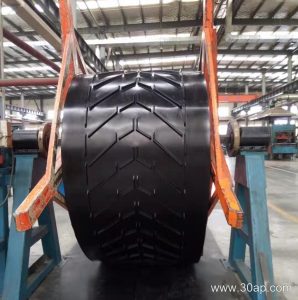
No single belt width is tied to one angle or one roller diameter. A B1200 frame may be built for 35 or 45 degrees, and the roller size follows the lump size and drop height rather than the width alone. The conveyor belt itself should suit the duty, which is why a high abrasion resistant conveyor belt or an impact resistant conveyor belt is often paired with cushion rollers at these points.
Buyer Checklist
- Confirm the belt width and the required trough angle before ordering, and state whether the frame must be fixed or adjustable.
- Give the impact roller diameter and shaft end type so the mounting seats match the rollers already on site.
- Ask for the crossbeam length and hole spacing as designed, not as a nominal figure.
- Check that the frame material suits the environment; washdown, dust, and salt air all favor different surface protection.
- Review the whole loading zone, including skirt rubber and chute alignment, since the bracket only performs well when the feed is centered.
For a plant running heavy ore or wet coal, the impact frame is a small line item with a large effect on belt life. Replacing a bent bracket before it distorts the roller alignment is far cheaper than replacing a torn steel cord conveyor belt or an EP conveyor belt that has been cut by a trapped lump. Buyers comparing suppliers can find impact idler bracket options and matching conveyor components at conveyor bracket and idler roller pages, where belt width, angle, and roller size are listed together.
Maintenance Notes
Inspect the bracket after the first weeks of service, when bolts tend to settle, and then at routine shutdowns. Look for cracked welds, elongated holes, and roller seats that have worn oval. A bracket that has shifted sideways will push the belt off center and load one edge, so re-check alignment whenever rollers are changed. Keeping the loading point centered and the chute free of buildup does more for bracket life than any single upgrade.