Understanding the Five-Roll Idler Bracket
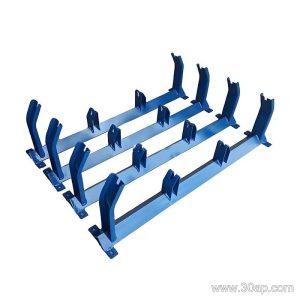
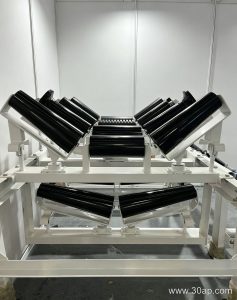
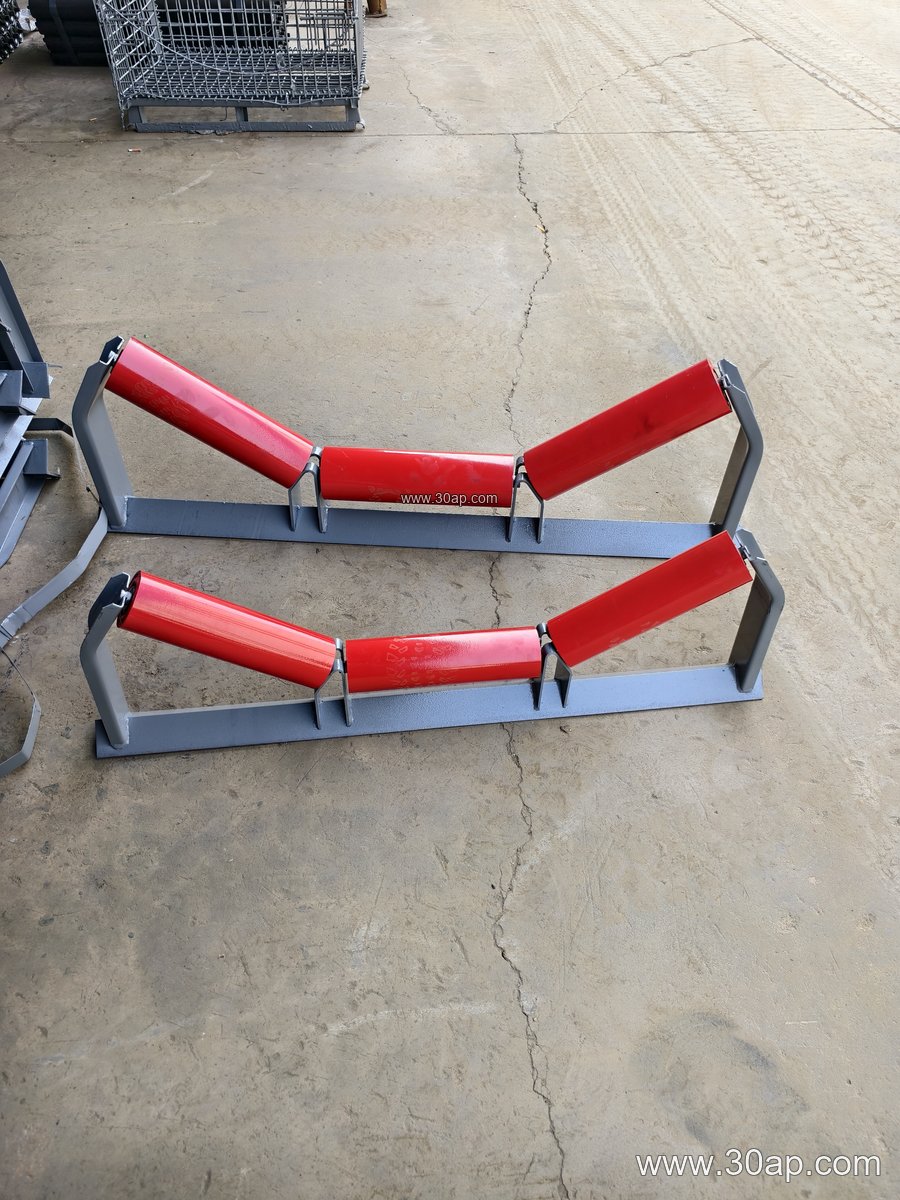
The five-roll idler bracket is a specialized support structure used in belt conveyor systems to hold five idler rollers in a specific arrangement. This bracket is designed to provide enhanced support for the conveyor belt, particularly in applications where material containment and belt stability are critical. Often referred to as a five-roller idler frame, this component is essential in industries such as mining, coal preparation, cement plants, and power generation, where heavy loads and abrasive materials are common.
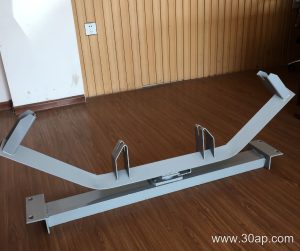
Unlike standard three-roll troughing idlers, the five-roll configuration distributes the belt load across more rollers, reducing the risk of belt sag and improving material retention. The bracket is typically manufactured from angle steel, channel steel, or bent steel plate, ensuring robust construction that withstands the demanding conditions of continuous operation.
Construction and Design Features
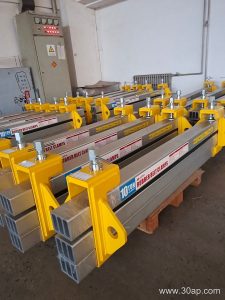
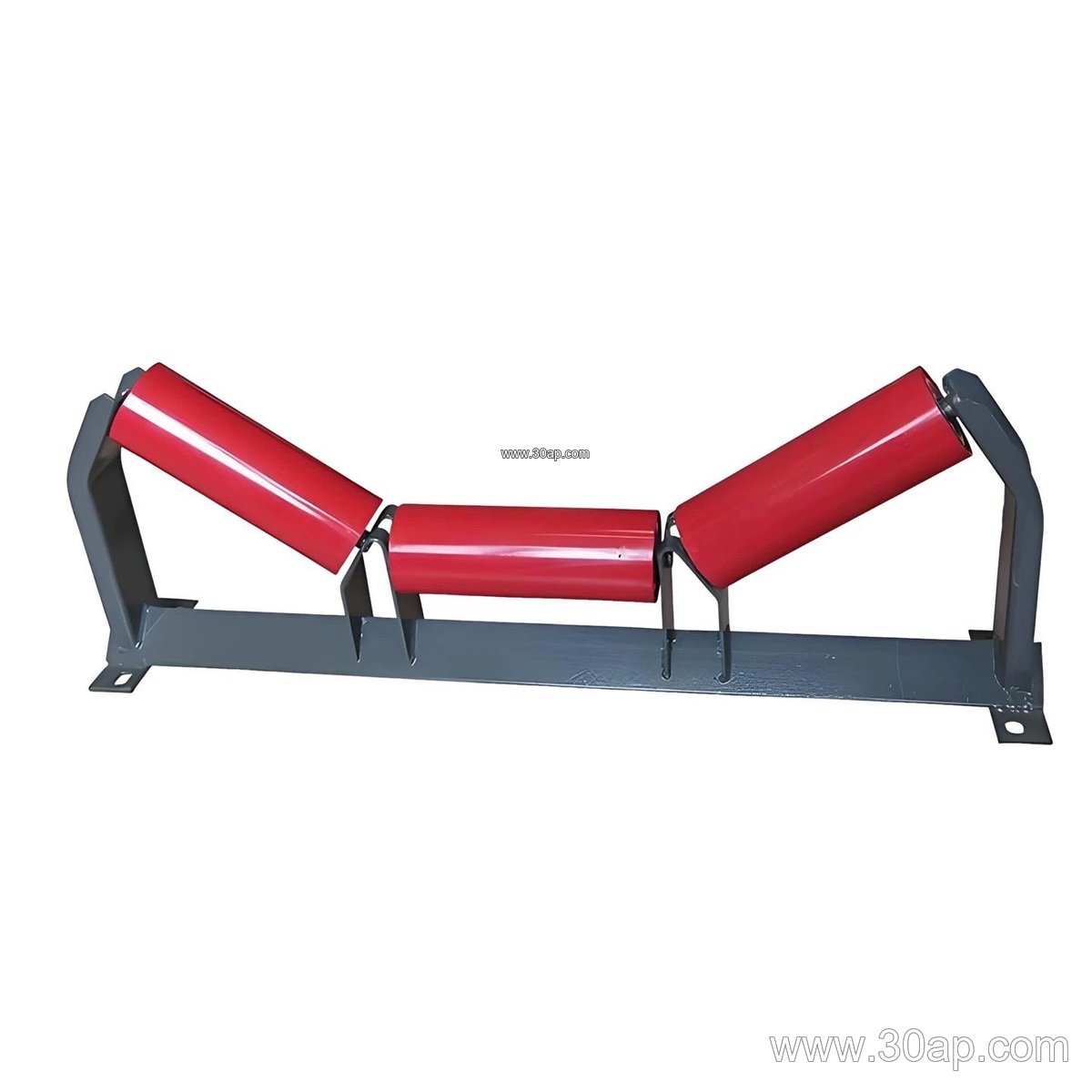
The five-roll idler bracket is built to accommodate five idlers: usually three troughing rolls in the center and two additional side rolls that increase the trough angle and belt support. The bracket’s frame is engineered to maintain precise alignment and spacing between the rollers. Common materials include welded steel components with mounting holes that match the conveyor’s idler spacing.
Key design aspects include:
- Trough angle options: Typically available in 20°, 30°, 35°, or 45°, allowing customization for different material characteristics.
- Roller diameter compatibility: Often designed for Ø89, Ø108, Ø133, Ø159, or Ø194 mm idlers, depending on belt width and load requirements.
- Belt width range: Common belt widths include B500, B650, B800, B1000, B1200, B1400, B1600, B1800, B2000, B2200, with bracket dimensions tailored accordingly.
- Adjustability: Some five-roll brackets feature adjustable trough angles to optimize belt training and material containment.
The bracket may also incorporate features such as slotted mounting holes for easy installation and alignment, and reinforced gussets for added strength. The design must ensure that the idler rollers are securely held and can rotate freely without interference.
Typical Applications in Bulk Material Handling
Five-roll idler brackets are widely used in conveyor systems where belt stability and material spillage prevention are paramount. In coal mining, for instance, they support conveyor belts carrying coal from the mine to processing plants, helping to contain fine coal particles and reduce dust. Similarly, in cement plants, these brackets are employed on belts transporting clinker and raw materials, where the additional rollers help manage heavy loads and abrasive conditions.
Other common industries include:
- Power plants (coal handling)
- Iron ore and copper ore mining
- Quarry and aggregate operations
- Port facilities for ship loading/unloading
- Steel mills and sinter plants
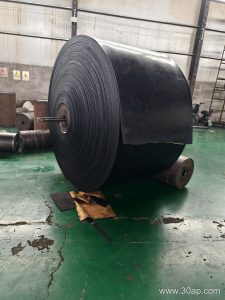
In these environments, the five-roll bracket often works in conjunction with rubber conveyor belts or EP conveyor belts that are designed to withstand harsh conditions. The bracket’s ability to maintain a deeper trough profile makes it ideal for transporting materials that tend to roll or require extra containment.
Selection and Sizing Considerations
When selecting a five-roll idler bracket, engineers must consider several factors to ensure compatibility and performance. The bracket must match the conveyor belt width and the idler roller diameter. While there is no fixed rule that one belt width only matches one roller diameter or trough angle, typical combinations are often used as starting points in design.
For example, a B800 belt might commonly use Ø108 idlers with a 35° trough angle, but other combinations are possible depending on the load and material. The table below shows some illustrative examples of bracket configurations; actual dimensions should be confirmed with the conveyor designer.
| Belt Width (mm) | Typical Idler Diameter (mm) | Common Trough Angle | Bracket Material |
|---|---|---|---|
| B500 | Ø89 | 30° | Angle steel |
| B650 | Ø89 | 30° | Angle steel |
| B800 | Ø108 | 35° | Channel steel |
| B1000 | Ø108 | 35° | Channel steel |
| B1200 | Ø133 | 45° | Bent steel plate |
| B1400 | Ø133 | 45° | Bent steel plate |
| B1600 | Ø159 | 45° | Welded steel |
| B1800 | Ø159 | 45° | Welded steel |
| B2000 | Ø194 | 45° | Welded steel |
Note that these are reference values; the final selection should be based on the specific conveyor design, belt tension, and material characteristics. The bracket’s mounting hole spacing and beam length vary with belt width and trough angle and are not fixed numbers.
Installation and Maintenance Tips
Proper installation of the five-roll idler bracket is crucial for optimal conveyor performance. The bracket should be aligned squarely with the conveyor frame to prevent belt misalignment. Mounting bolts should be tightened to the recommended torque, and the idler rollers should be checked for free rotation after installation.
Regular maintenance includes inspecting the bracket for signs of wear, corrosion, or deformation. In abrasive environments, such as those found in mining or quarry operations, the bracket may experience accelerated wear. Using abrasion resistant conveyor belts can help reduce the overall wear on the system. Additionally, keeping the idlers clean and lubricated where applicable extends the life of both the rollers and the bracket.
When replacing idlers, ensure that the replacement rollers match the original specifications to maintain proper belt support. The five-roll bracket design allows for easy replacement of individual rollers without removing the entire bracket, which minimizes downtime.
Conclusion
The five-roll idler bracket is a reliable solution for conveyor systems requiring enhanced belt support and material containment. By understanding its construction, applications, and selection criteria, buyers can make informed decisions that improve conveyor efficiency and longevity. For more information on conveyor components, visit our website at conveyor bracket.