What Is a Skirted Conveyor Belt?
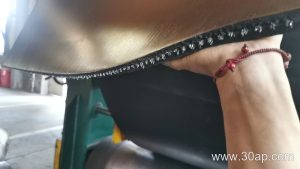
A skirted conveyor belt is a type of conveyor belt equipped with raised side walls (skirts) that prevent material spillage and contain the load during transport. This design is especially valuable in industries such as mining, coal, cement, power plants, and sand and gravel plants, where loose or fine materials must be conveyed efficiently without loss. Unlike a standard conveyor belt, the skirted version integrates side walls that are typically made of rubber or PVC, vulcanized or mechanically attached to the belt edges.
Construction and Key Components
The skirted conveyor belt consists of several essential elements:
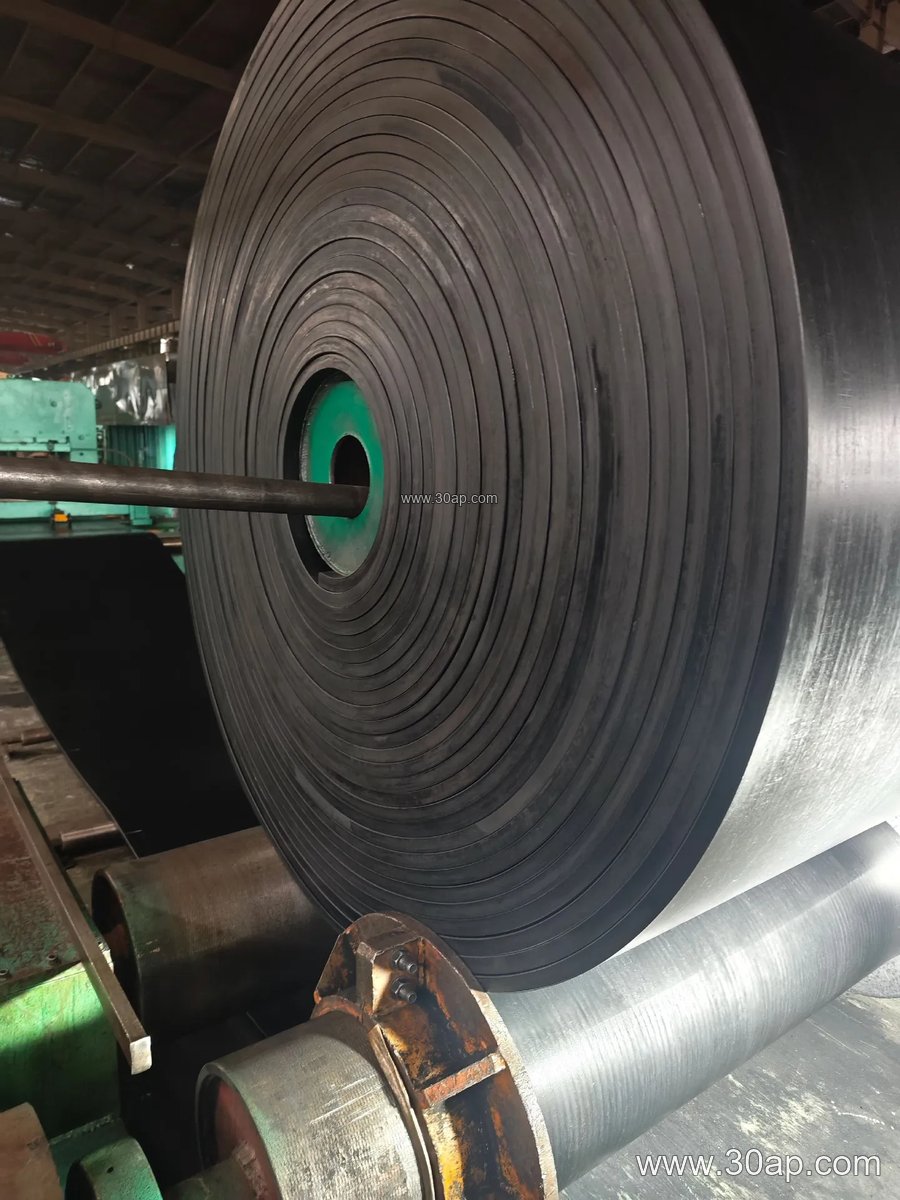
- Base belt: Usually an EP (polyester-cotton) or NN (nylon) conveyor belt, sometimes with steel cord reinforcement for high tension applications. Common strength grades include EP200, EP315, EP400, EP500, EP630, EP800, and higher.
- Side skirts: Raised walls, often 40 mm to 120 mm high, made of abrasion-resistant rubber. They are positioned at the belt edges to contain the material.
- Cleats or cross-stabilizers: In some designs, transverse cleats are added between the skirts to prevent material from sliding back on inclines. This combination is often called a corrugated sidewall belt.
- Cover rubber: Top and bottom cover grades such as 3+1.5 mm, 4+2 mm, 5+2 mm, or 6+2 mm protect the carcass from wear and impact.
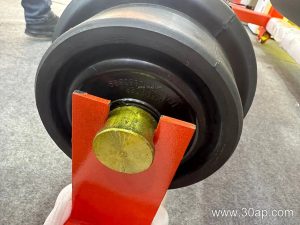
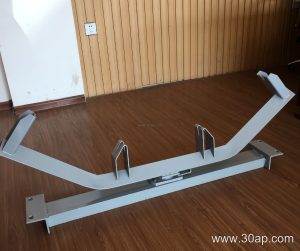
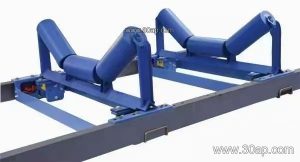
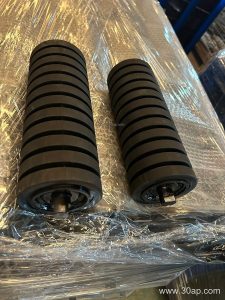
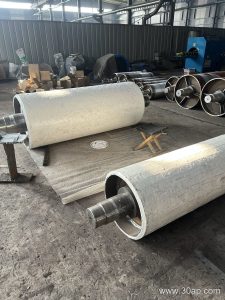
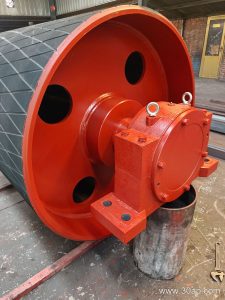
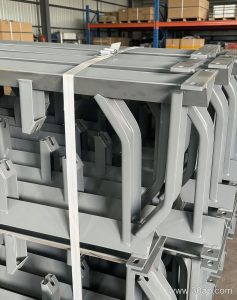
The belt runs over a system of conveyor pulleys—drive, tail, and bend pulleys—each with a specific role. The drive pulley transmits power, the tail pulley provides tension and belt tracking, and bend pulleys change the belt path. These are not interchangeable. Idler rollers support the belt along the carrying and return sides, while conveyor brackets hold the idlers and pulleys in place. Proper alignment of these components ensures the skirted belt operates smoothly.
Common Specifications
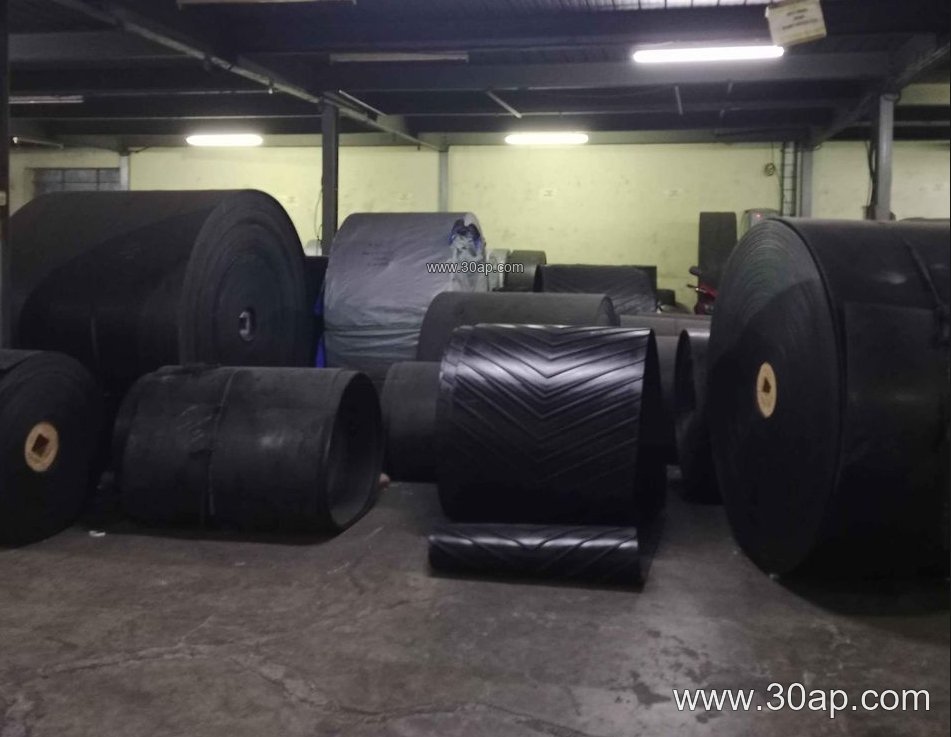
Skirted conveyor belts are available in various sizes to suit different material handling requirements. The table below lists typical reference values; actual dimensions should be confirmed with the manufacturer based on the application.
| Parameter | Common Range |
|---|---|
| Belt width (B) | B500, B650, B800, B1000, B1200, B1400, B1600, B1800, B2000 |
| Strength grade | EP200 to EP2000 (or NN equivalent) |
| Cover thickness | 3+1.5 mm, 4+2 mm, 5+2 mm, 6+2 mm, 8+3 mm |
| Number of plies | 2 to 6 (typically) |
| Skirt height | 40 mm to 120 mm (customizable) |
These values are indicative; exact specifications depend on the conveyor design, material characteristics, and site conditions.
Where Skirted Conveyor Belts Are Used
The primary advantage of a skirted belt is its ability to contain material, making it ideal for:
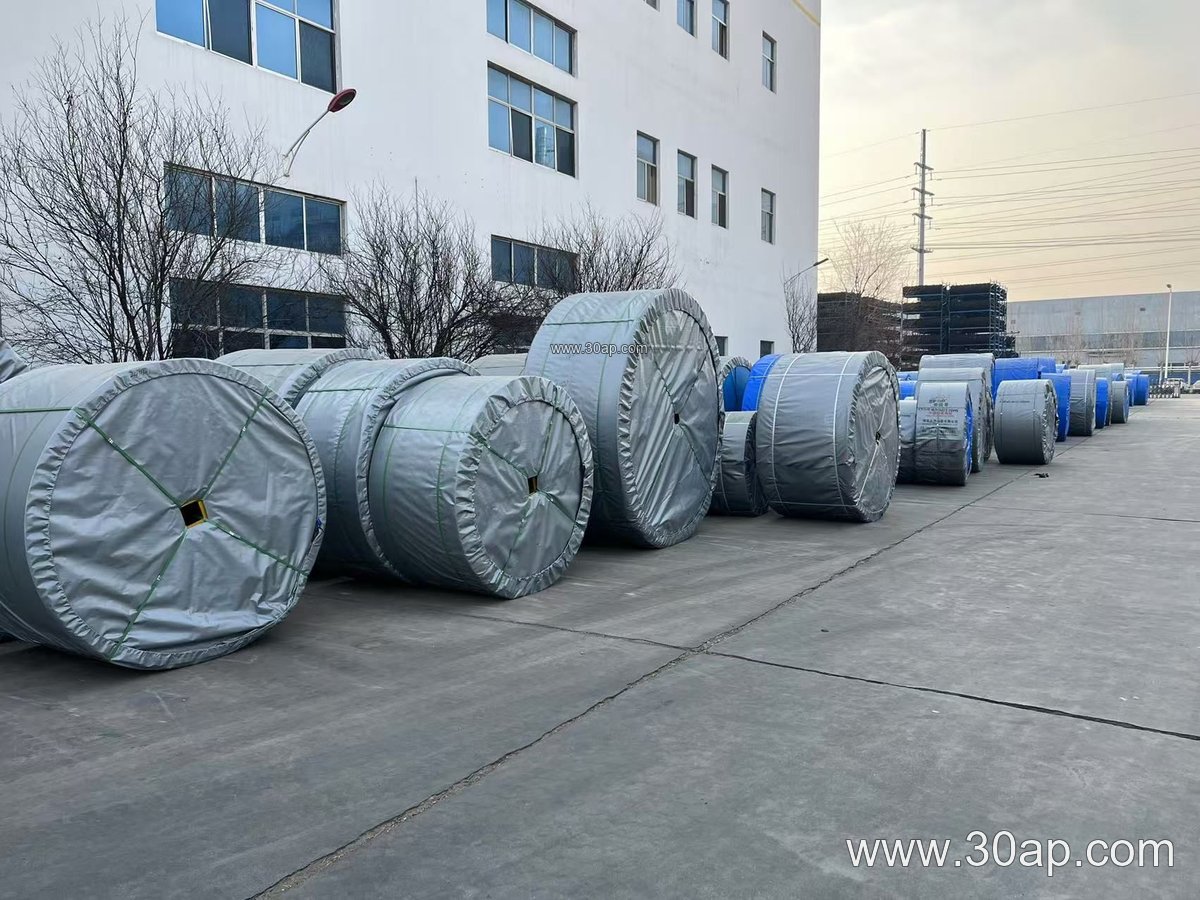
- Mining and coal: Transporting ore, coal, and gangue on steep inclines or confined spaces.
- Cement plants: Handling clinker, limestone, and additives without spillage.
- Power plants: Conveying coal and biomass in limited spaces.
- Sand and gravel plants: Moving aggregates and sand on mobile or stationary conveyors.
In these environments, the skirted belt often works alongside idler rollers, conveyor pulleys, and conveyor brackets to form a complete and reliable conveying system. The skirted design also reduces the need for transfer points and minimizes dust emission, contributing to cleaner and safer operations.
Selection and Maintenance Tips
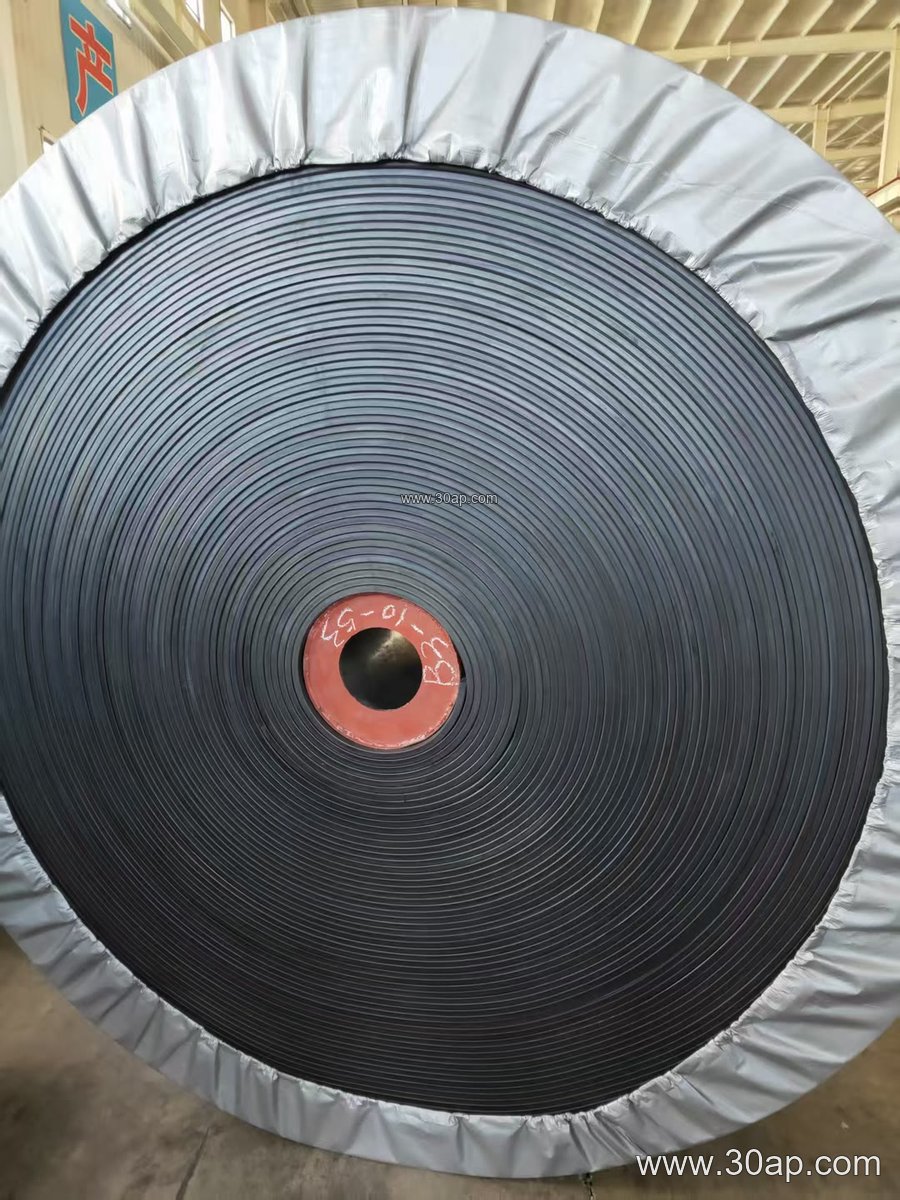
When choosing a skirted conveyor belt, consider the material properties (abrasiveness, temperature, oil resistance), the conveyor layout (inclination, transition distances), and the required belt tension. The belt width should be matched to the load size and capacity, while the strength grade must handle the operating tension. Skirt height and cleat pattern should be selected to prevent material roll-back on inclines.
Regular maintenance includes checking skirt wear, cleat integrity, and belt tracking. Inspect idler rollers for free rotation and ensure conveyor pulleys are properly aligned. Worn skirts can be replaced to extend belt life. Always follow the manufacturer’s guidelines for installation and splicing.
Buyer Checklist
- Confirm the material to be conveyed and its characteristics.
- Determine the required belt width and strength grade based on the conveyor design.
- Specify skirt height, cleat type, and cover thickness for the application.
- Ensure compatibility with existing pulleys, idlers, and brackets.
- Request test reports and material certificates from the supplier.
- Plan for spare skirts and regular inspection schedules.
By understanding the construction and application of skirted conveyor belts, buyers can make informed decisions that enhance efficiency and reduce downtime in demanding industrial environments.