What a PLC Belt Alignment System Does
A PLC Belt Alignment System is a control-based approach to keeping a conveyor belt centered on its pulleys and idlers. Instead of relying on a fixed mechanical guide, the system uses sensors to watch belt position, sends that signal to a programmable logic controller, and lets the PLC decide when and how much correction to apply. In a quarry, coal preparation plant, cement works, or power station coal yard, a drifting belt can rub the frame, spill material, and shorten belt life, so active tracking has real value.
The same product is also described as a programmable-logic-controller belt alignment system or a PLC-controlled conveyor belt alignment system. These are equivalent names for the same equipment; they do not refer to a different device.
How the System Is Built
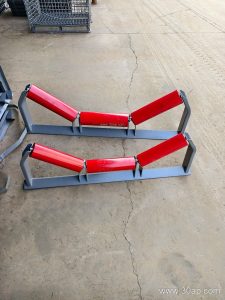
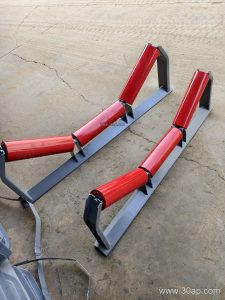
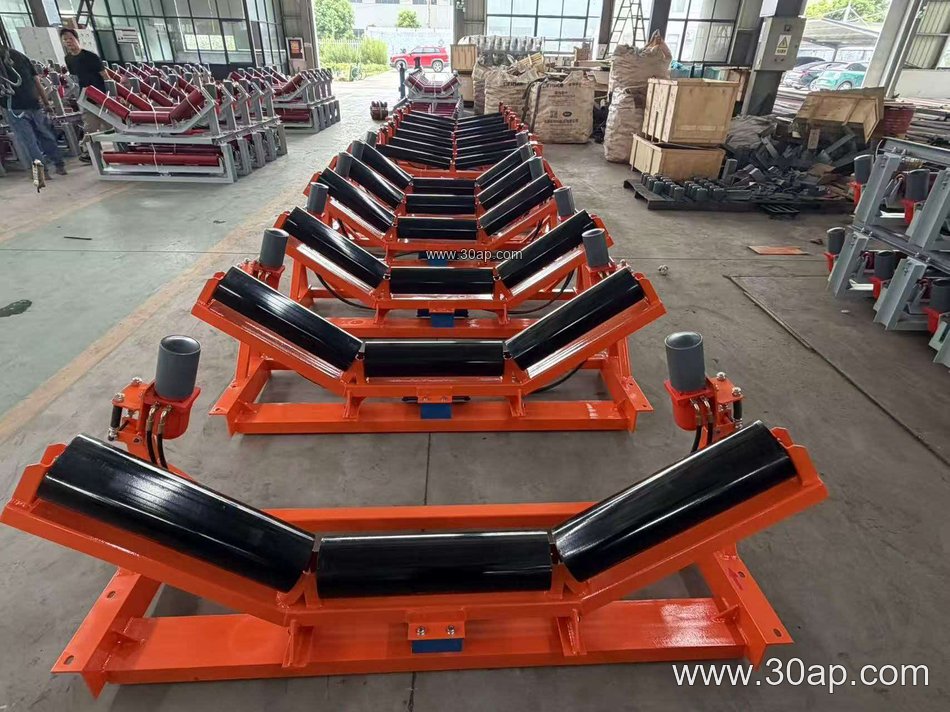
A typical arrangement includes position sensors mounted near the belt edges, a PLC cabinet, and an actuator set that moves a steering idler or a self-aligning idler frame. The PLC reads the sensors, compares the offset with a setpoint, and drives the actuator in small steps. Some designs use an electric linear actuator, others a hydraulic cylinder, and some a motorized steering roller. The mechanical part may include a conveyor bracket, a steering idler roller, and linkage tied to the main frame.
- Edge or profile sensors for position feedback
- PLC with an operator interface and manual override
- Actuator and linkage acting on a steering or training idler
- Limit switches and alarms for fault conditions
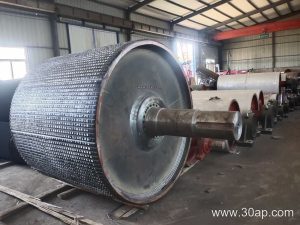
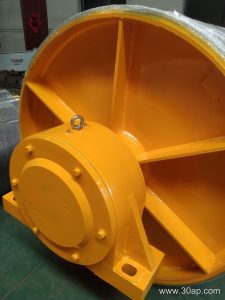
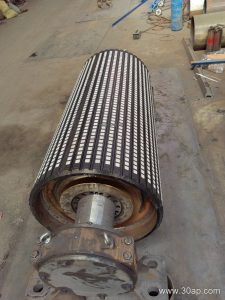
It helps to separate detection from correction. A simple misalignment switch only alarms or trips the belt; a full PLC Belt Alignment System measures deviation and actively steers. Also, do not confuse a training idler with a drive pulley, a tail pulley, or a bend pulley. Those pulleys transmit power or change belt path, while a training idler corrects tracking. A conveyor pulley in the drive position is not a substitute for a steering idler.
Where It Fits in Bulk Handling
These systems suit long overland conveyors, plant transfer belts, and shuttle or reversing belts where the belt tends to wander. In a sand and gravel operation, a belt carrying abrasive aggregate may track poorly when loading is off-center. In an underground coal mine, a flame retardant conveyor belt and a PVG conveyor belt are common, and the alignment system must match the available space and the approved electrical equipment for that area. In a cement plant, heat resistant conveyor belt sections near clinker coolers may need sensors placed away from hot surfaces.
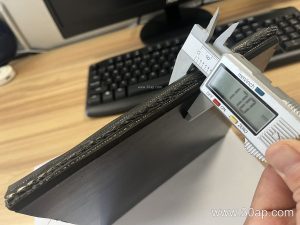
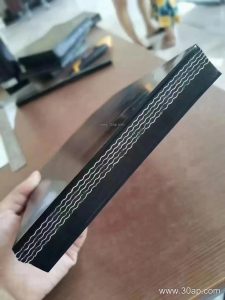
For a steel plant or iron ore terminal, a steel cord conveyor belt carries high tension and may need a slower correction response. A fabric core conveyor belt, such as an EP conveyor belt or NN conveyor belt, often reacts differently, so tuning should follow the actual belt construction. The system works with many belt types, from a rubber conveyor belt to a corrugated sidewall conveyor belt, but the sensor mounting and steering force must be checked against the belt width and frame.
Selection Details Buyers Should Confirm
No single size fits every conveyor. Buyers should provide the belt width, belt speed, running direction, whether the belt is reversible, and whether correction is needed on the carrying side, the return side, or both. A 600 mm or 800 mm belt on a short transfer may need one steering station; a 1400 mm or 1600 mm belt on a long trunk conveyor may need several. A 2000 mm wide belt in a port or stockyard application will call for a larger frame and stronger actuator, but belt width alone does not fix the idler diameter, shaft size, or mounting hole spacing.
| Item to confirm | Why it matters |
|---|---|
| Belt width and speed | Sensor span and response tuning |
| Carrying or return side | Mounting position and idler type |
| Belt construction | Stiffness and tracking behavior |
| Frame and bracket dimensions | Fits the conveyor bracket and linkage |
| Control voltage and area classification | PLC cabinet and sensor choice |
Ask for the field drawing, the existing idler layout, and any known misalignment pattern. This avoids ordering a unit that cannot be installed without cutting the frame.
Installation and Maintenance Notes
Before any work, stop the conveyor, isolate energy, and lock out the drive. Do not adjust or touch moving parts while the belt runs. Commissioning should start with the belt centered and the frame checked for square. Then set sensor thresholds, test manual steering, and confirm that the PLC moves the idler in the correct direction for the actual belt travel. Record the settings for future reference.
Routine checks include cleaning dust from sensors, inspecting the idler roller for seizure, checking linkage play, and reviewing alarm logs. A system cannot correct a badly skewed splice, off-center loading, or a stuck return idler by itself. Maintenance teams should treat PLC tracking as one part of a wider conveyor inspection routine.
For quotation, send the belt width, conveyor length, speed, direction, side to be corrected, control voltage, and site conditions. A clear specification helps match the right conveyor belt alignment system to the job.