What a Heavy-Duty Conveyor Belt Is
A heavy-duty conveyor belt is a robust belt designed for continuous transport of abrasive, heavy, or high-impact bulk materials. Unlike general-purpose belting, it combines a strong tension-bearing carcass with thick rubber covers and, often, specialized compounds to resist wear, heat, oil, or fire. In mines, cement plants, power stations, and quarries, this belt is the load-bearing element that links crushers, screens, and stockpiles. It works alongside conveyor pulleys, idler rollers, and conveyor brackets, but its own construction determines how much load it can carry and how long it lasts.
Construction and Core Types
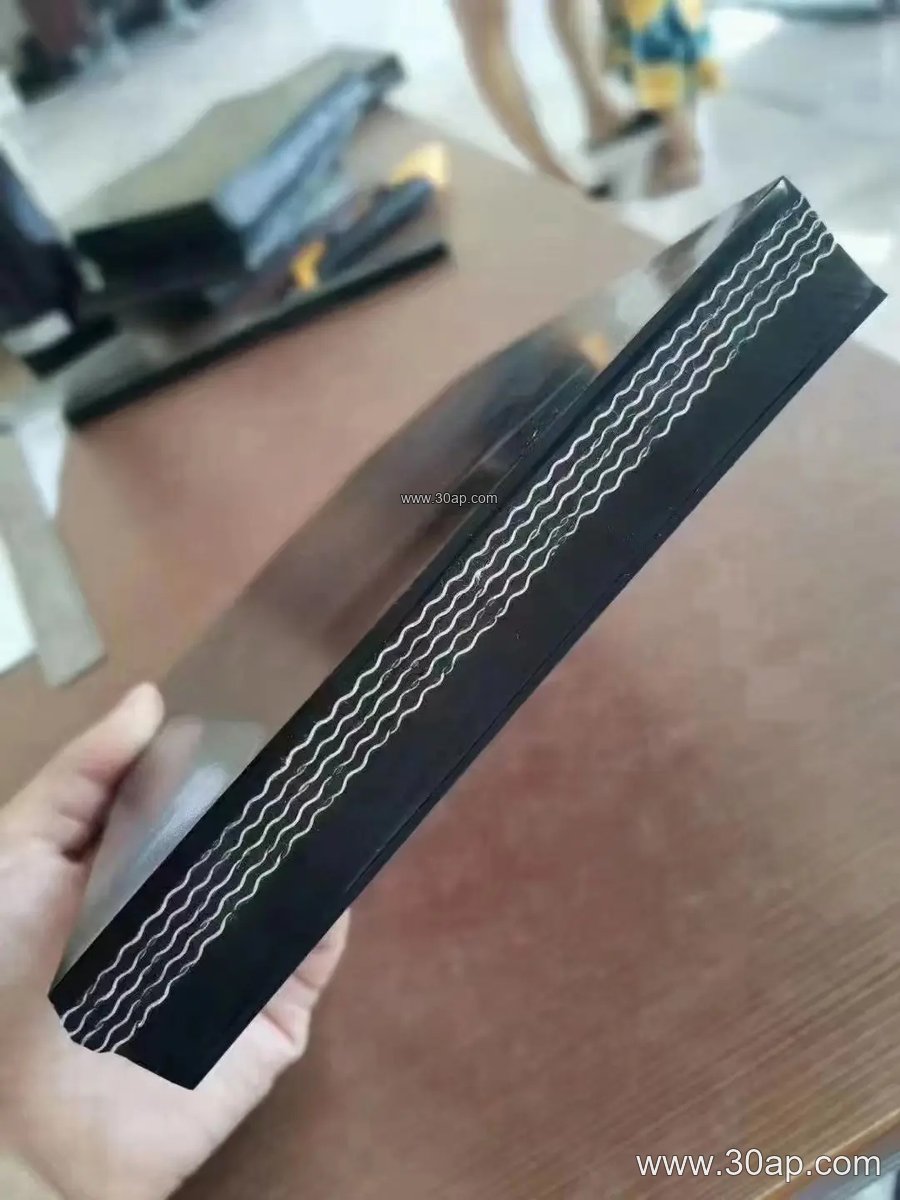
The carcass provides tensile strength and troughability. Common constructions include multi-ply fabric core (EP or NN), steel cord, and solid-woven PVC/PVG for underground duty. Cover rubber protects the carcass from abrasion, impact, and environmental attack. Buyers often choose an abrasion resistant conveyor belt for limestone and clinker, a heat resistant conveyor belt for cement kiln discharge, or a flame retardant conveyor belt for coal mining conveyor systems.
Fabric Core Belts
EP conveyor belts use polyester warp and nylon weft, offering low elongation and good moisture resistance. NN conveyor belts use nylon both ways for high flexibility and impact absorption. Multi-ply fabric core belts are built from 2 to 6 plies depending on tension demand. Typical strength grades include EP200, EP400, EP630, EP800, EP1000, EP1250, and EP1600. A fabric core conveyor belt is often the practical choice for aggregate and cement plant conveyors where moderate tension and excellent troughability are needed.
Steel Cord Belts
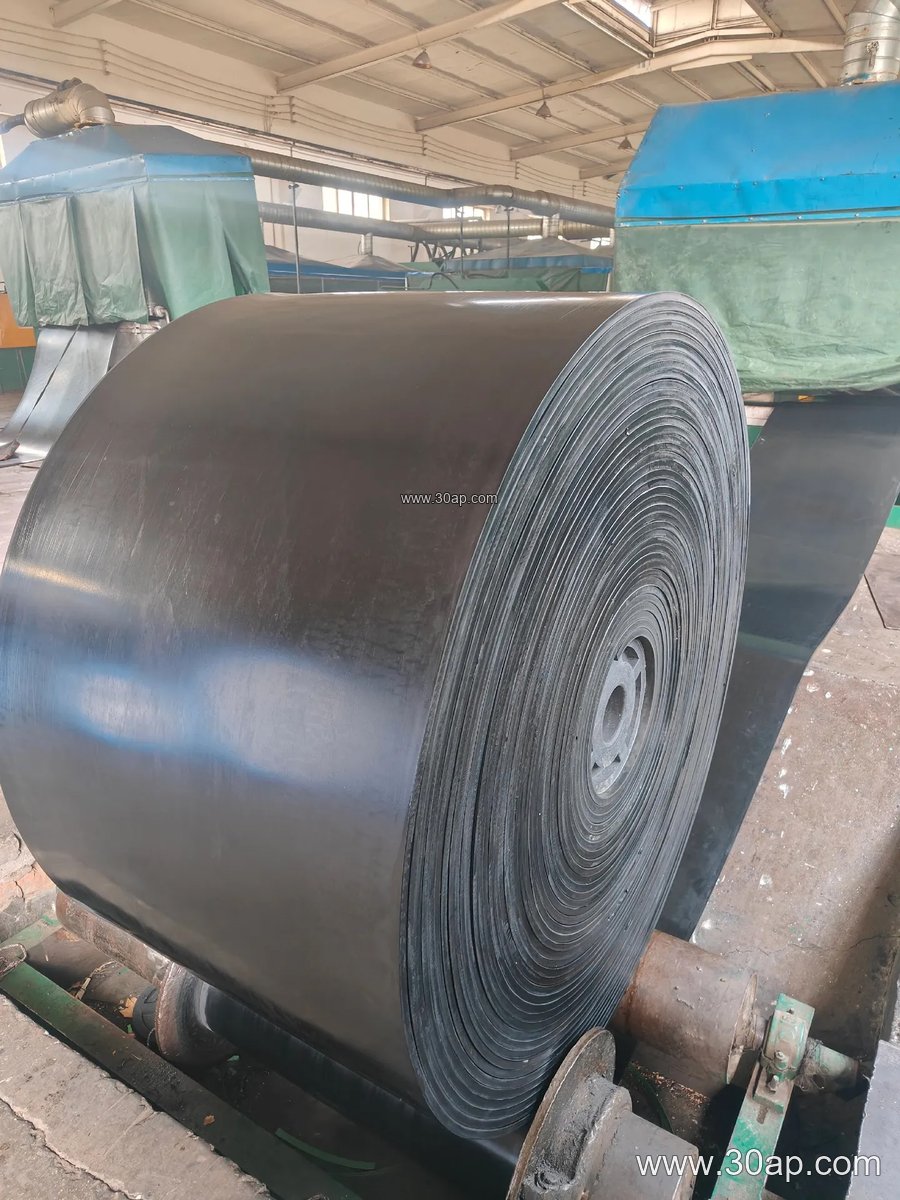
Steel cord conveyor belts place high-tensile steel cables in the carcass for long distances and high capacity. Grades such as ST1000, ST1600, ST2000, and ST2500 indicate nominal tensile strength per unit width. These belts suit mainline ore conveyor and port ship loading conveyor duties where stretch must be minimal.
Specialty Constructions
Chevron conveyor belts and corrugated sidewall (skirted) belts handle steep inclines or material containment. Pipe conveyor belts enclose the load for dust control and curved routes. Endless conveyor belts are spliced to a continuous loop for specific drives. Selection depends on the conveyor profile, not on fashion.
Where Heavy-Duty Belting Works
Heavy-duty mining conveyor belts serve underground coal mining, iron ore, copper ore, and gold mining operations. In cement plants, belts feed raw mills and carry clinker; in power plants, they move coal from stockyard to boiler. Quarries and sand making plants rely on crusher conveyor belts and aggregate conveyor belts to handle sharp rock. Recycling and construction sites use heavy-duty belting for mixed debris. In all these settings, the belt interacts with conveyor pulleys, idler rollers, and conveyor brackets, so alignment and maintenance matter as much as belt grade.
Specifications Buyers Should Confirm
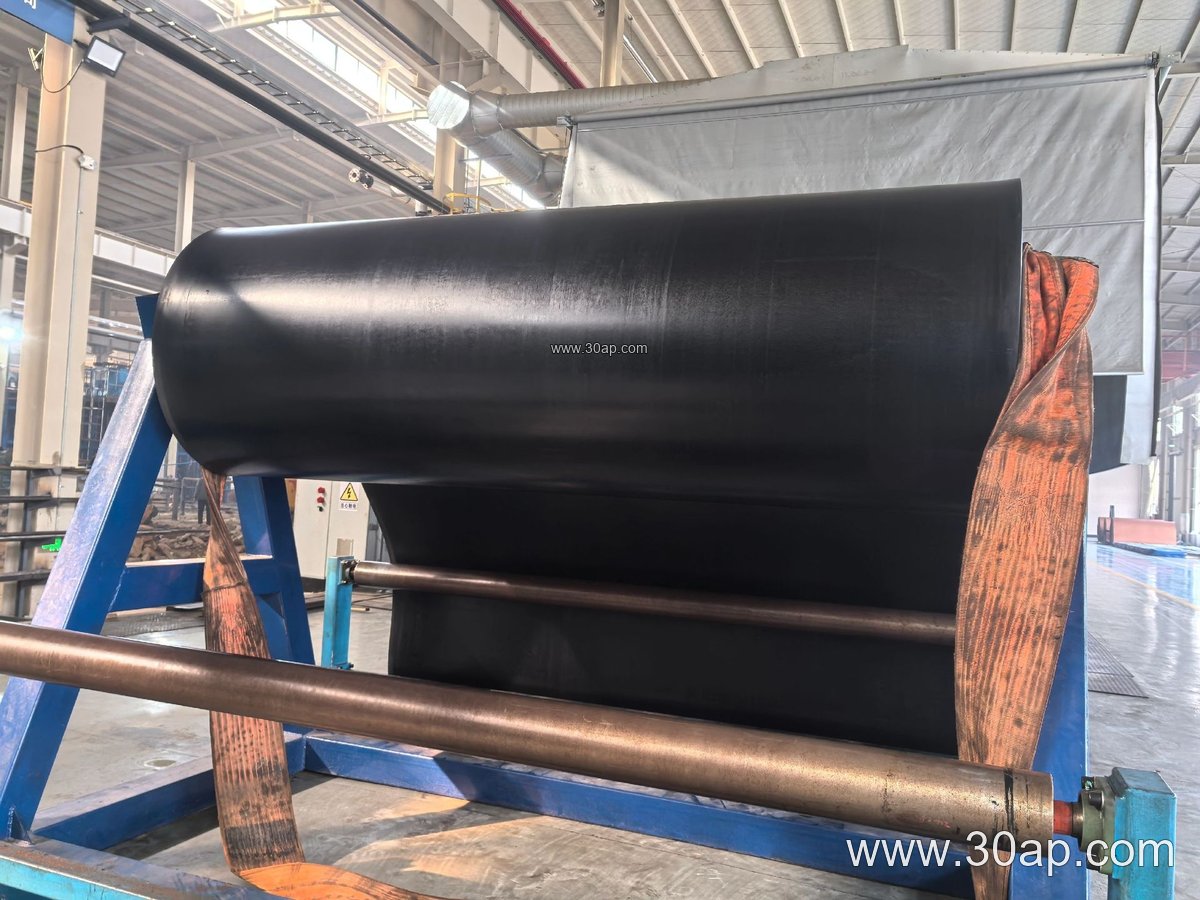
Belt width, strength grade, cover thickness, and compound type are the first data points. Widths commonly range from B500 to B2000 mm; a 1200mm wide conveyor belt or 1500mm wide conveyor belt is common in main plant lines. Cover gauges such as 4+2 mm, 5+2 mm, 6+2 mm, and 8+3 mm refer to top and bottom cover thickness. The table below lists representative reference values; actual supply varies by manufacturer and design.
| Parameter | Common Reference Range | Notes |
|---|---|---|
| Belt width | B500 to B2000 mm | Match to tonnage and lump size |
| Fabric strength grades | EP200 to EP1600 | Higher grade for longer runs |
| Steel cord grades | ST1000 to ST2500 | For high tension and low stretch |
| Cover thickness | 3+1.5 to 8+3 mm | Thicker top cover for abrasion |
| Carcass plies | 2 to 6 | Fabric core belts |
Confirm whether the application needs anti-static, cold resistant, oil resistant, or acid resistant properties. For coal underground, PVG800S or PVG conveyor belts are frequently referenced. For hot clinker, verify the actual surface temperature and choose a suitable heat resistant grade.
Selection and Maintenance Notes
Do not size a belt by width alone. Tension, load support, troughability, and pulley diameters interact. A wider belt does not automatically match a given pulley, and shaft diameter must be calculated from drive torque and pulley design, not guessed from belt width. Keep idler rollers turning freely, inspect conveyor pulleys for lagging wear, and check conveyor brackets for alignment. Store belts away from ozone and sunlight, and track splice quality during installation. For harsh industries such as mining, cement, and power generation, a well-matched heavy-duty conveyor belt plus disciplined maintenance delivers the longest service life.