What an EP Rubber Conveyor Belt Is
An EP Rubber Conveyor Belt is a fabric-core rubber belt built around polyester (E) and nylon (P) warp and weft yarns. The carcass gives the belt its tensile strength and troughing flexibility, while the rubber covers protect the fabric from abrasion, moisture, and the material being carried. Because the polyester warp stretches very little under load, this belt holds its length well on long conveyors and needs less take-up travel than an all-nylon carcass. In many plants the product is simply called an EP Conveyor Belt, and the two names describe the same construction.
It is one family within the wider group of fabric core conveyor belts. Buyers comparing carcass options often look at an NN Conveyor Belt (nylon warp and weft) for high shock loads, or a steel cord conveyor belt where very high tension and long center distances are involved. Those are different products, not substitutes for EP, and the choice should follow the conveyor design.
How the Belt Is Built
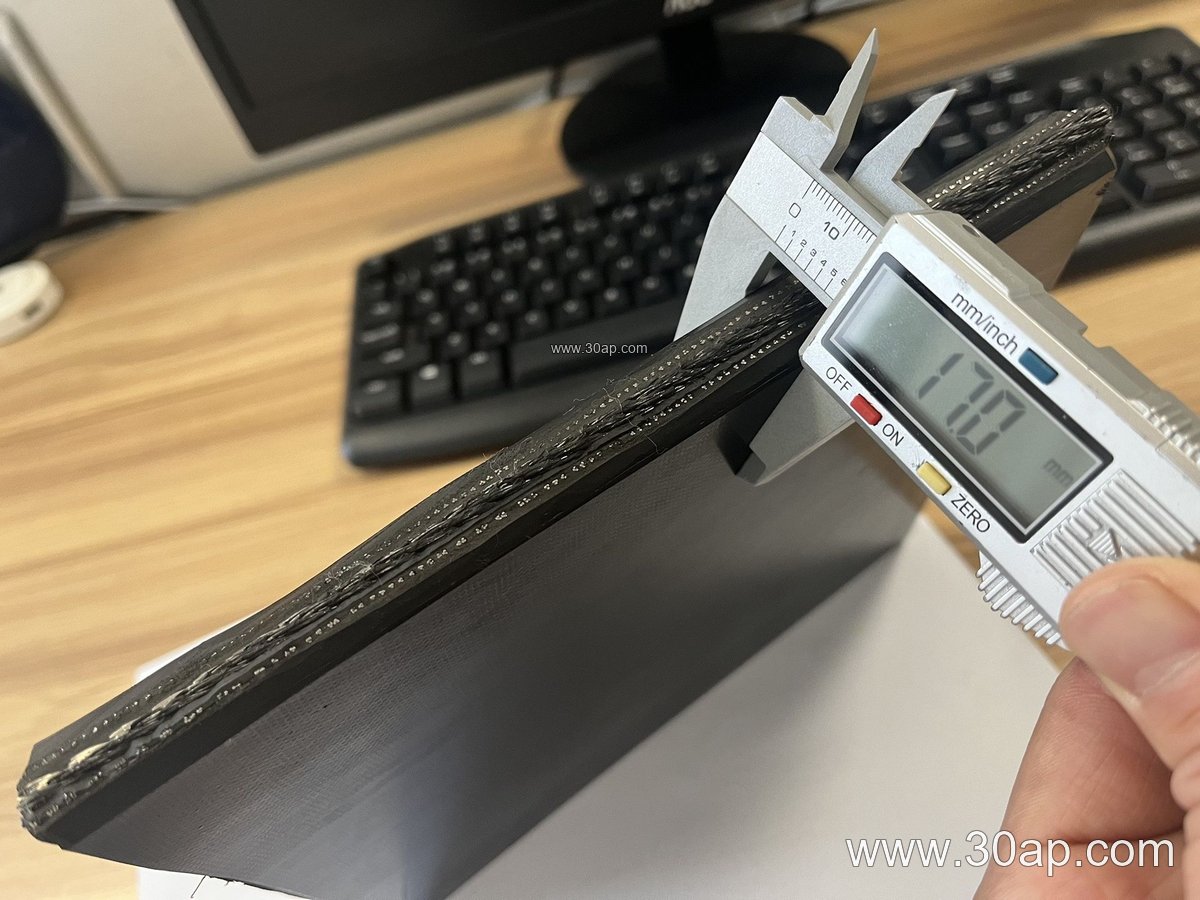
The carcass is made from several plies of EP fabric bonded with rubber skim compound, then covered on both faces with rubber that is formulated for the duty. A typical build is described by carcass type, ply count, and top and bottom cover thickness. Common cover combinations include 3+1.5 mm, 4+2 mm, 5+2 mm, 6+2 mm, and 8+3 mm, with 2 to 6 plies usually seen in general service.
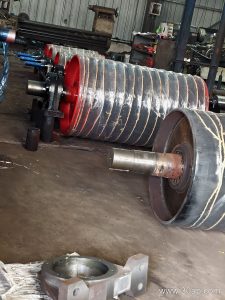
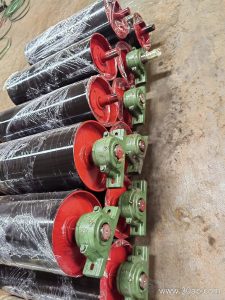
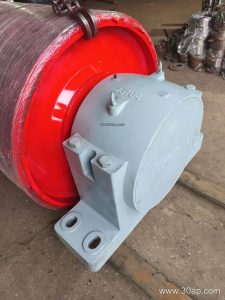
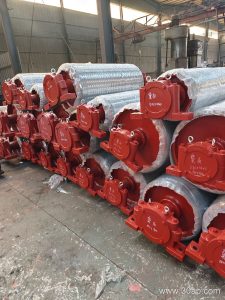
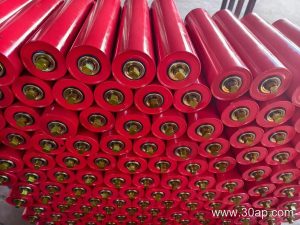
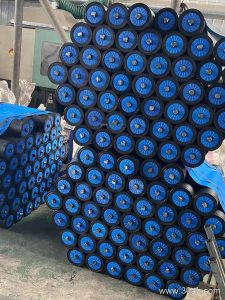
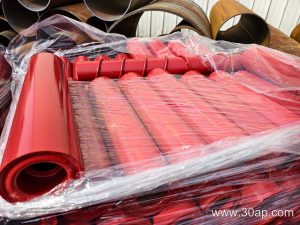
On the conveyor itself, the belt runs over idler rollers that support the load, wraps a conveyor pulley at the head and tail, and is held by a conveyor bracket and frame. Drive, tail, and bend pulleys each do a different job and are not interchangeable, so belt tension and pulley specification should be checked together rather than assumed from belt width.
Strength Grades and Common Sizes
EP belting is normally ordered by nominal tensile strength per millimetre of carcass width. The table below lists grades that appear in common catalogues; actual values and availability vary by manufacturer and should be confirmed against the conveyor calculation.
| Strength Grade | Typical Use |
|---|---|
| EP200 | Light duty, short runs, small aggregates |
| EP315 / EP400 | General plant conveying |
| EP500 / EP630 | Medium duty, cement and sand lines |
| EP800 / EP1000 | Heavy bulk handling, quarry and mining duty |
| EP1250 / EP1600 | High tension, long conveyors |
| EP2000 | Very high tension fabric belts |
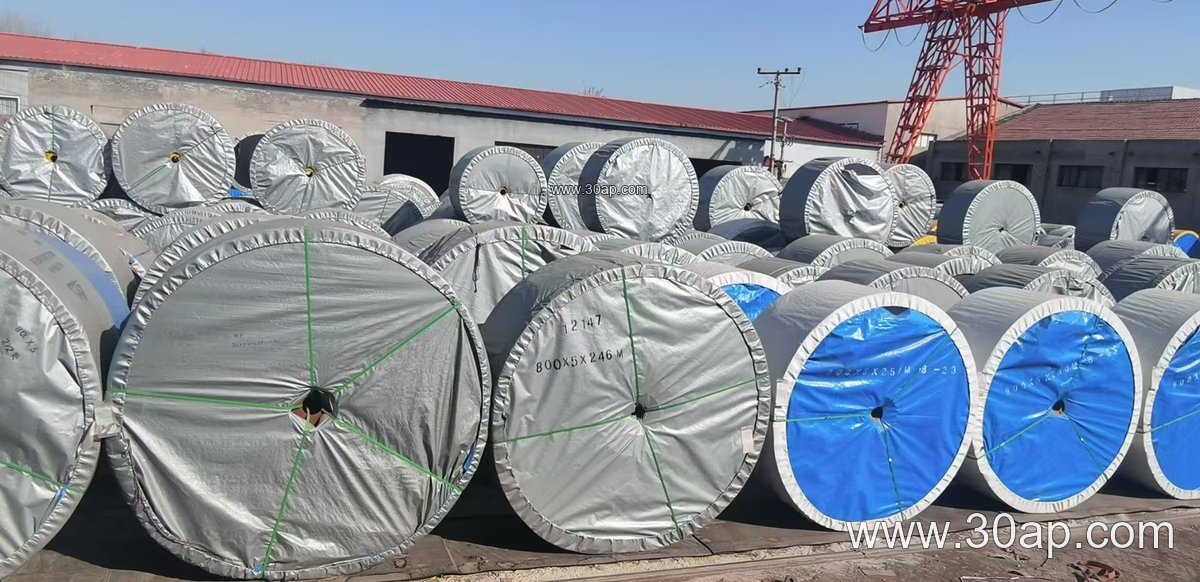
Widths are usually quoted in millimetres, for example B500, B650, B800, B1000, B1200, B1400, B1600, B1800, and B2000. A 1200mm or 1800mm wide belt is common on main haulage lines, but no single width fits every conveyor, and belt width does not by itself determine pulley shaft size.
Where It Works
The belt suits a broad range of bulk material conveyor duties. In a coal mining conveyor or underground coal mining conveyor, flame retardant and anti-static grades are often specified. Cement plants, power plants, and steel plants use abrasion resistant conveyor belts for clinker, limestone, and coke. Quarries and sand making plants rely on it for crushed stone, while ports and ship loading systems move ore and grain over long distances. An iron ore conveyor or copper ore conveyor may call for a heavy-duty mining conveyor belt with thicker covers, and a crusher conveyor belt needs impact resistance at the loading point.
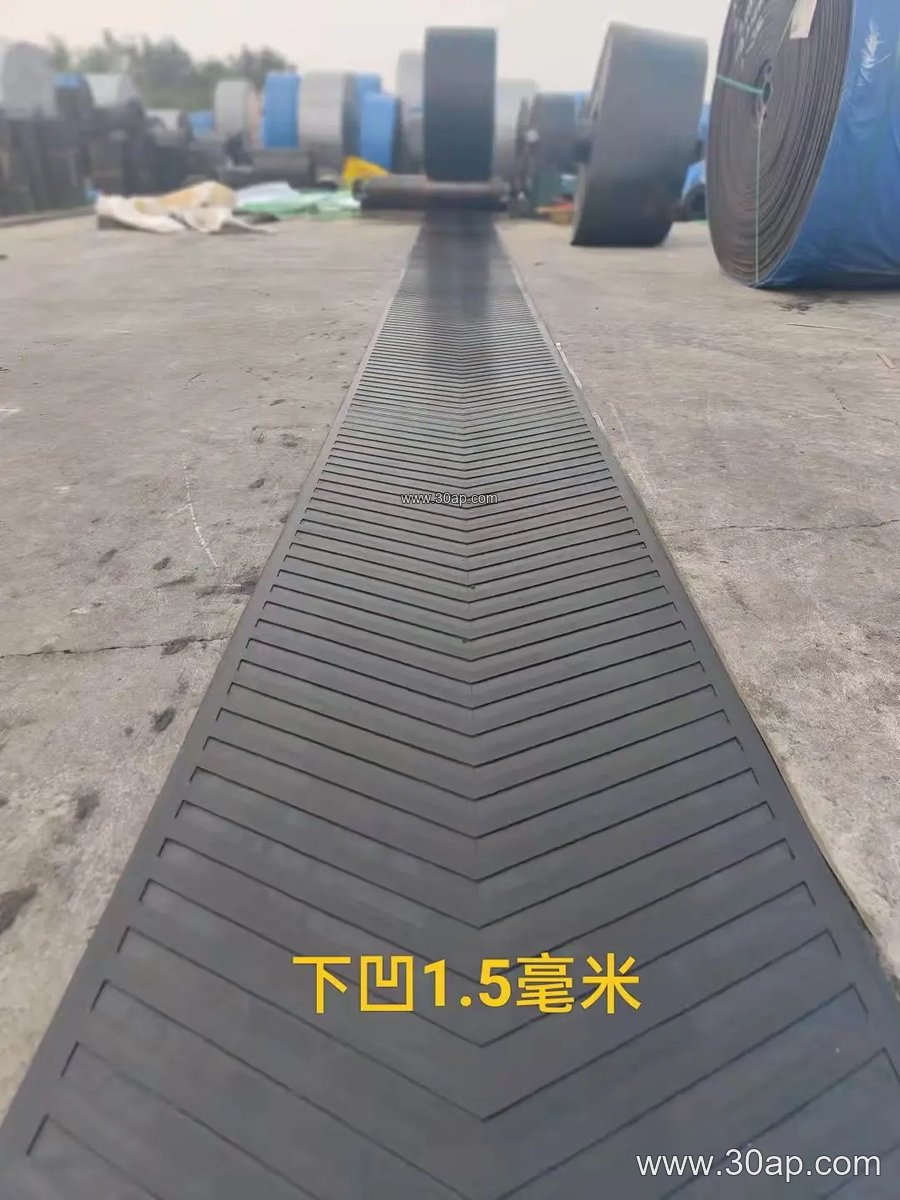
Special constructions are available when the duty demands them, such as a heat resistant conveyor belt near sinter or clinker, an oil resistant conveyor belt for oily scrap, a cold resistant belt for winter operation, or a chevron conveyor belt and corrugated sidewall belt for steep inclines. These are variants of the same product family and should be selected from the actual material and site conditions.
What Buyers Should Check
- Confirm the required tensile grade from the conveyor tension calculation, not from habit.
- Match cover thickness and rubber quality to the material: sharp rock, hot clinker, oil, or fine dust.
- State ply count and cover combination clearly, for example 4 plies with 6+2 mm covers.
- Check pulley diameters, idler roller spacing, and loading chute design so the belt is not pinched or overloaded.
- Ask how the belt will be joined, since an endless conveyor belt spliced on site behaves differently from an open-length belt.
- For underground or coal service, specify flame retardant and anti-static properties in writing.
Ordering the right EP rubber conveyor belt comes down to matching carcass strength, cover compound, and width to the real duty. A belt that is oversized wastes money, while an undersized one fails early at the splice or cover.