What a Hydraulic Belt Tracker Does
A hydraulic belt tracker is a self-contained steering device that uses hydraulic power to move a training idler or steering frame and bring a drifting conveyor belt back toward the center line. It is one of several answers to belt misalignment, and it is chosen where electric actuation is difficult to arrange, where high thrust is needed on a wide or heavily loaded belt, or where the plant already has a reliable hydraulic supply. In Chinese plant documentation the same product is often written as 输送带纠偏器, and the accurate English equivalent is a hydraulic conveyor belt tracking system.
The tracker is not a substitute for correct conveyor design. A belt that runs off because of a skewed frame, off-center loading, seized idlers or a badly spliced joint will still misbehave after a tracker is fitted. The device corrects the symptom; the underlying cause still needs attention.
How the Unit Is Built
A typical assembly combines four functional groups. The sensing element detects edge position or belt position and signals deviation. The hydraulic power pack, often a small pump and reservoir or a tap from the plant circuit, supplies pressure. One or more cylinders push the steering frame or a pivoting idler set. The control valve block links sensing to movement, with manual, proportional or PLC-assisted control depending on the design.
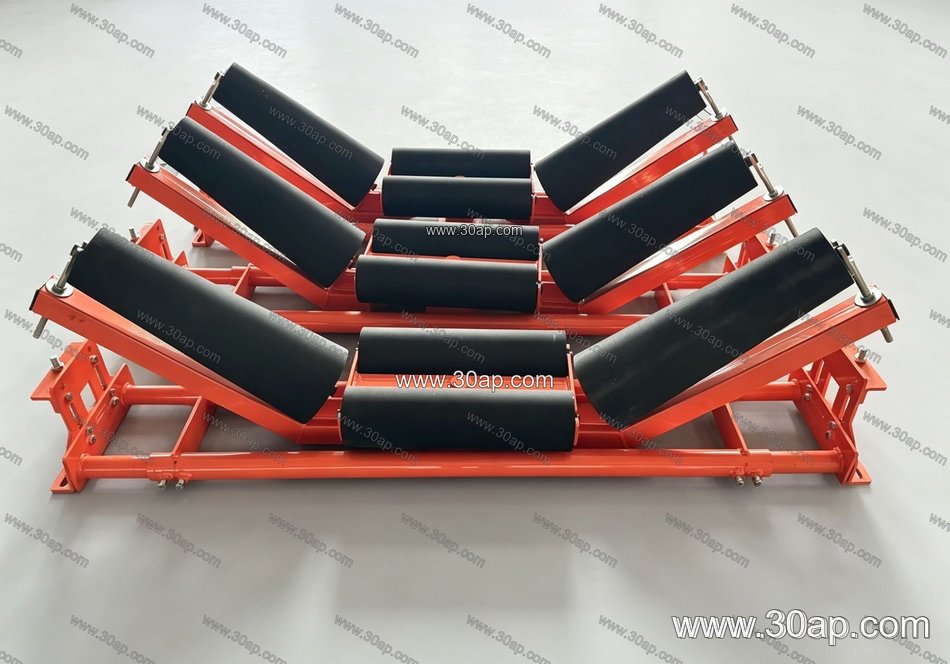
- Sensing: edge rollers, probes or non-contact detectors
- Actuation: single or double acting cylinders, sometimes with accumulators
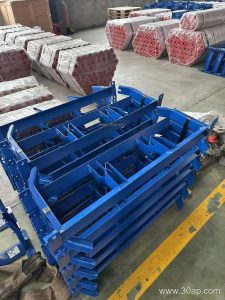
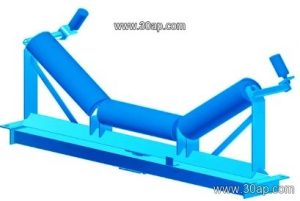
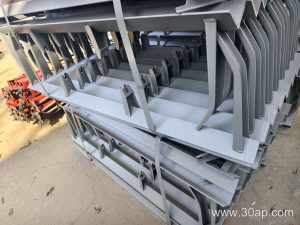
- Structure: steering frame, pivot bearings, mounting brackets, conveyor bracket interfaces
- Control: directional valves, relief protection, feedback linkage or sensors
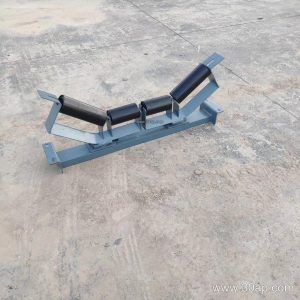
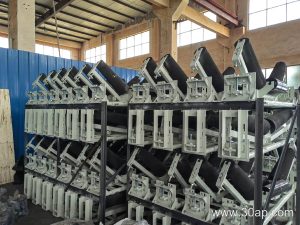
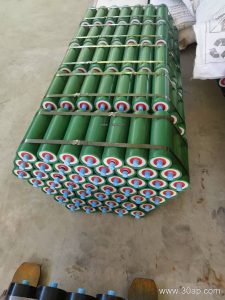
Because the steering frame usually carries training idlers, the quality of the idler roller bearings and the frame pivot condition directly affects tracking response. A sloppy pivot will produce hunting, and a worn idler will make any correction erratic.
Where It Fits in the Plant
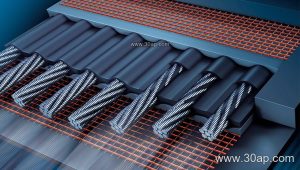
Hydraulic trackers appear on long overland lines, stacker and ship loader booms, and transfer points where belts carry abrasive or heavy material. They are common in metal mines and iron ore and copper ore handling, in coal mining and underground coal mining conveyors where flame retardant and anti-static belting is required, in cement plants and quarries, in power plant coal yards, and in port bulk terminals. The belt itself may be an EP conveyor belt, a steel cord conveyor belt, a multi-ply fabric core belt or a heat resistant conveyor belt on clinker and sinter lines, so the tracker frame and idlers must suit the belt construction and the environment.
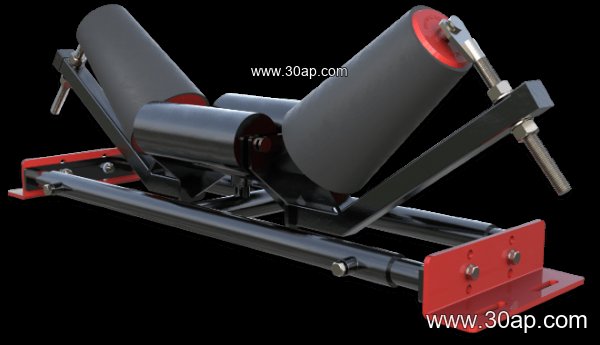
Selection depends on more than belt width. A 1200 mm or 1800 mm wide conveyor belt does not by itself define the pulley diameter, shaft size or cylinder force. Buyers should confirm belt width, belt speed, running direction, whether the unit sits on the carrying or return run, trough or flat idler form, frame dimensions, available hydraulic pressure and flow, and the observed drift pattern. A reversing conveyor needs a tracker designed for both directions, and a bidirectional requirement should be stated clearly rather than assumed.
Practical Buying and Maintenance Notes
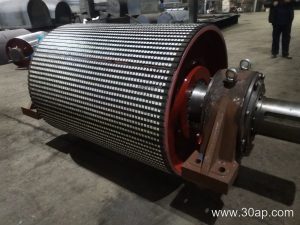
Ask for the mounting drawing and confirm the interface with the existing conveyor bracket and pulley positions. The drive pulley, tail pulley and bend pulley each have a fixed role in belt alignment, and the tracker must not be expected to compensate for a misaligned pulley. Onsite checks should include pivot wear, cylinder seals, hose condition, valve response and sensor alignment. Before any inspection or adjustment, stop the conveyor, isolate the energy source and lock out the hydraulic supply; observe belt tracking only from a safe position while running.
Trackers work best when the belt is clean, idlers turn freely and loading is centered. In dusty quarry or coal service, protect the sensing area and keep the hydraulic oil clean. Record the drift pattern before and after installation so that improvement can be judged objectively.