What Is a Five-Roll Idler Bracket
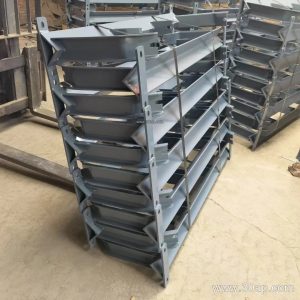
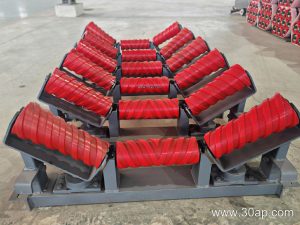
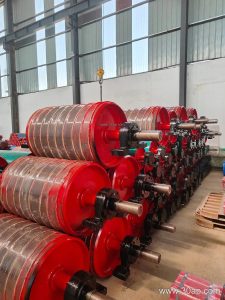
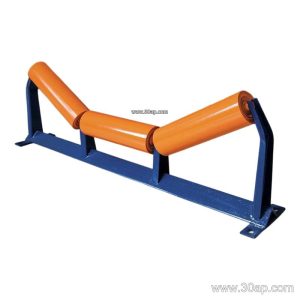
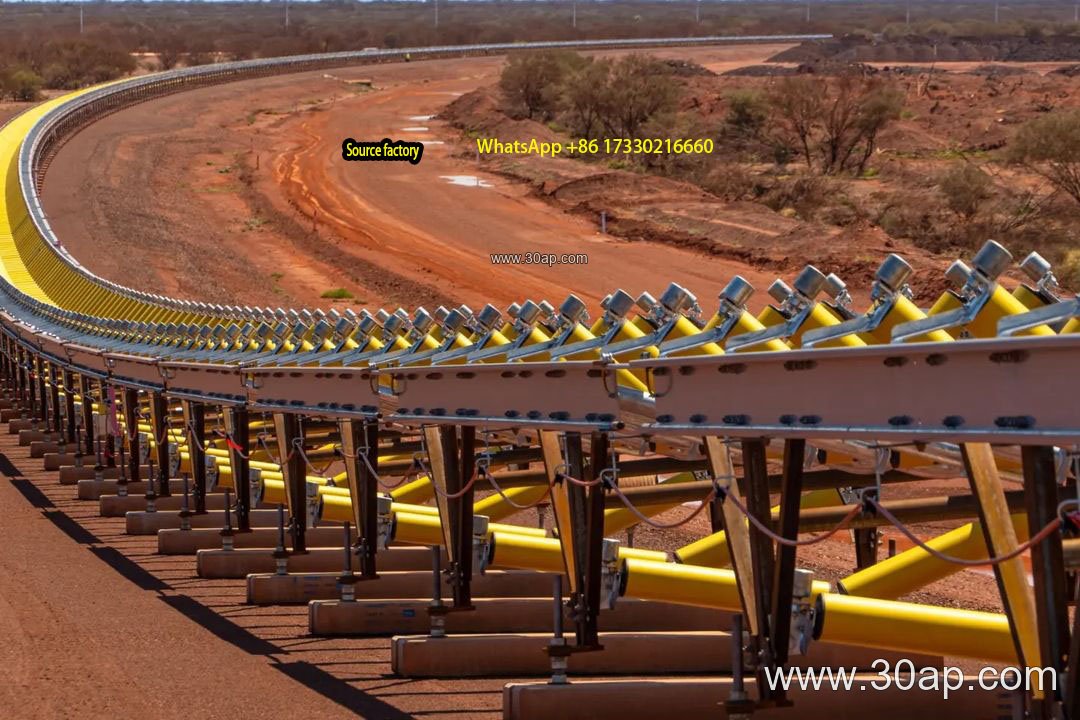
A five-roll idler bracket is a support frame that holds five idler rollers in a trough configuration. It is typically used on the carrying side of a conveyor belt where material containment and belt stability are critical. Unlike a three-roll troughing set, this bracket accommodates two extra rolls, which can be arranged to form a deeper or more gradual trough profile. This makes it suitable for high-capacity bulk handling in industries such as coal mining, cement plants, and aggregate yards. The bracket itself is often referred to as a five-roll troughing bracket or five-roll idler frame, and it works together with the conveyor belt, idler rollers, and conveyor pulley to maintain smooth material flow.
Construction and Design Features
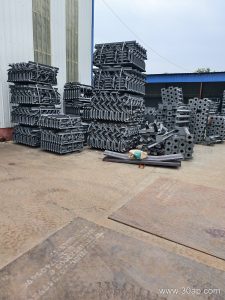
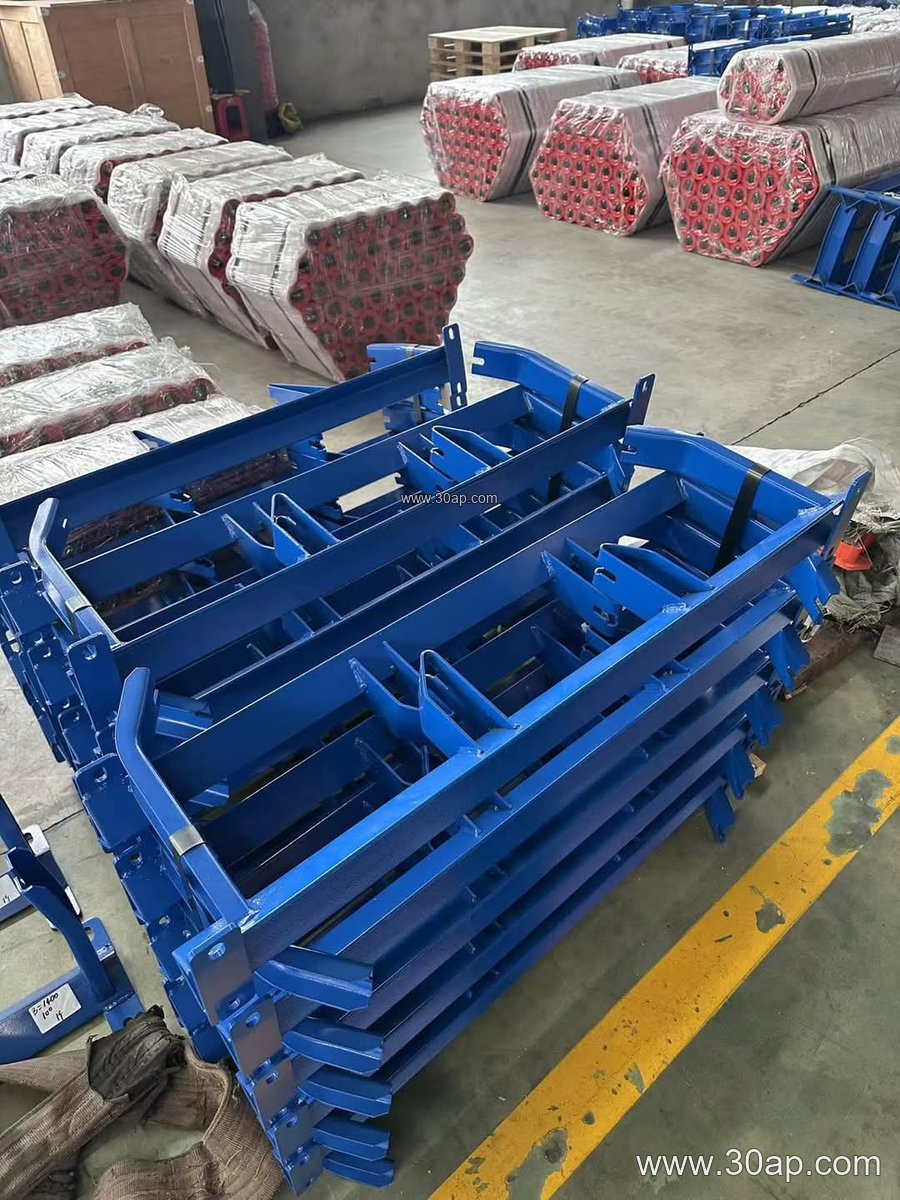
These brackets are usually fabricated from angle steel, channel steel, or folded steel plate. The material choice depends on load requirements and environmental conditions. The frame includes mounting slots or holes for each idler roller, and the roll positions are set to create a specific trough angle. Common trough angles for five-roll brackets are 20, 30, 35, and 45 degrees, though adjustable versions allow the angle to be changed within a range. The bracket may also feature a forward tilt of about 1.5 to 2 degrees to help center the belt. Installation hole spacing and crossbeam length vary with belt width and trough angle, so they are determined per design rather than fixed numbers.
Where It Is Used
Five-roll idler brackets are found in bulk material handling systems where belt widths range from B500 to B2200 and beyond. They are particularly common in coal mining conveyor lines, cement plant raw material handling, and power plant coal feeding systems. In these settings, the bracket supports the conveyor belt and idler rollers to keep the belt in a stable trough, reducing spillage and extending belt life. The bracket is also relevant in quarry conveyor systems and ship loading operations. It should not be confused with a return bracket or a bend pulley support; each has a distinct role in the conveyor structure.
Key Parameters and Selection Guide
When selecting a five-roll idler bracket, several parameters need attention. The table below lists common reference values; actual specifications should be confirmed with the manufacturer.
| Parameter | Common Reference Values |
|---|---|
| Belt width (B) | B500, B650, B800, B1000, B1200, B1400, B1600, B1800, B2000, B2200 |
| Trough angle | 20°, 30°, 35°, 45° (adjustable versions available) |
| Idler roller diameter | Ø89, Ø108, Ø133, Ø159, Ø194 |
| Forward tilt | Typically 1.5° to 2° |
| Material | Angle steel, channel steel, folded steel plate |
These values are for reference and do not imply that a given belt width must use a specific angle or roller diameter. For example, a B800 conveyor might use a 35-degree trough with Ø108 rollers, while a B1200 system could use a 45-degree trough with Ø133 rollers. The bracket should be matched to the conveyor belt type, such as EP conveyor belt or steel cord conveyor belt, and to the loading conditions. For high abrasion environments, an abrasion resistant conveyor belt may be used alongside a robust five-roll bracket.
Installation and Maintenance Tips
Proper installation ensures the bracket aligns with the conveyor frame and that all idler rollers sit correctly in their mounts. Check that the trough angle matches the belt’s natural troughing ability. Regularly inspect for loose bolts, worn rollers, and material buildup. In dusty or corrosive environments, such as coal mining or fertilizer handling, choose a bracket with adequate surface protection. Remember that the five-roll bracket is one part of the system; it works with the conveyor pulley, idler roller, and conveyor belt to deliver reliable performance. For replacement or upgrade, verify dimensions against the existing conveyor structure.
Buyer Checklist
- Confirm belt width and required trough angle.
- Select idler roller diameter compatible with belt speed and load.
- Choose material and finish suitable for the site conditions.
- Check mounting hole spacing and crossbeam length against the conveyor frame.
- Consider adjustable brackets if future changes in trough angle are expected.
- Ensure compatibility with the conveyor belt type, such as flame retardant conveyor belt for underground mining.
For more information on conveyor components, visit our site at www.example.com/conveyor-bracket or www.example.com/five-roll-idler. Our range includes idler rollers, conveyor pulleys, and brackets for various belt widths.