What an Electric Belt Alignment System Does
An Electric Belt Alignment System is an active tracking solution that detects and corrects conveyor belt misalignment before it becomes a costly problem. Unlike manual training idlers that require frequent adjustment, this system uses electric actuators and sensors to continuously monitor belt position and apply precise corrections in real time. It is particularly valuable in industries such as mining, coal preparation, cement production, power generation, and aggregate processing, where even minor belt drift can lead to spillage, edge damage, and unplanned downtime.
How the System Is Built
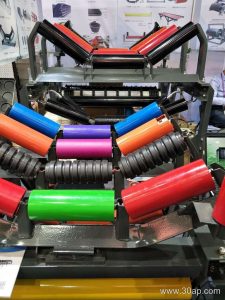
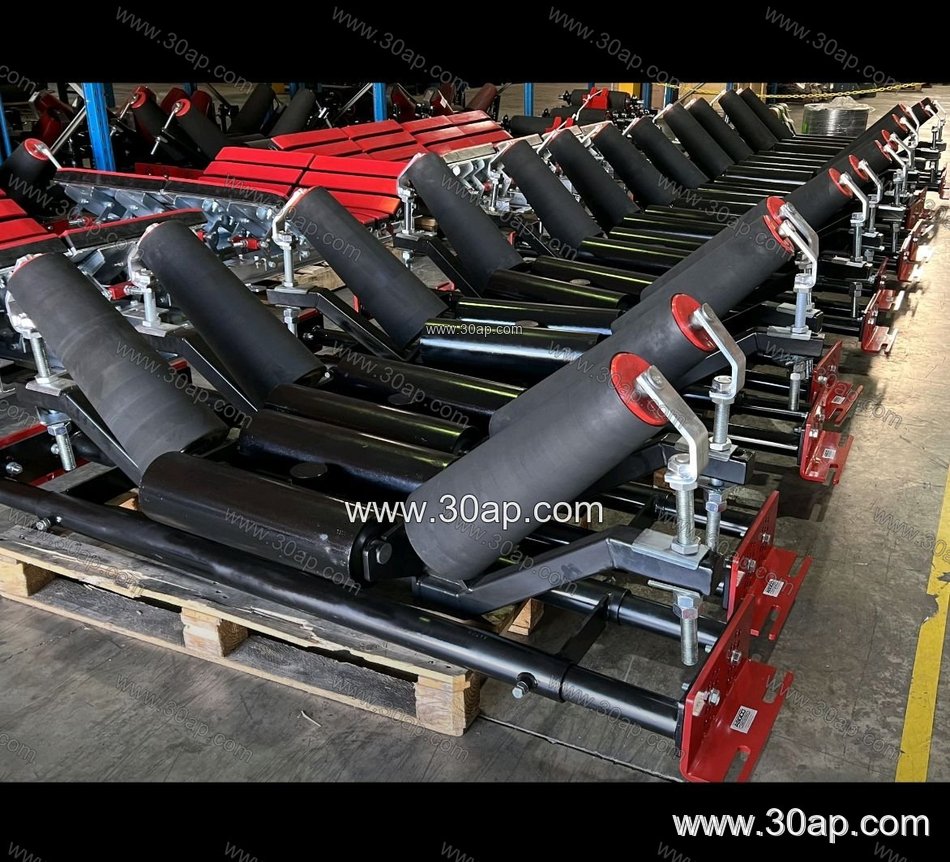
A typical Electric Belt Alignment System consists of four main components: detection sensors, a control unit, electric actuators, and a steering mechanism. Sensors—often non-contact types such as ultrasonic or laser—monitor the belt edges at critical points along the conveyor. When a deviation is detected, the control unit processes the signal and commands the electric actuator to adjust the position of a training idler or pivot frame. The steering mechanism then guides the belt back to center. This closed-loop design ensures consistent tracking without operator intervention.
Key construction features include:
- Electric actuators: Provide precise, repeatable movement with low maintenance compared to hydraulic alternatives.
- Control cabinet: Houses the PLC or microcontroller, power supply, and interface for remote monitoring.
- Sensor brackets: Robust mounting hardware that withstands dust, vibration, and temperature fluctuations.
- Steering frame: Typically integrated with a conveyor pulley or idler roller to apply corrective force.
Where It Is Used
Electric Belt Alignment Systems are deployed in demanding environments where belt training is critical. In underground coal mining, for example, space is tight and access for manual adjustment is limited, making automatic correction essential. In cement plants, the abrasive nature of clinker and raw meal accelerates belt wear if misalignment occurs. Power plants handling coal and biomass rely on these systems to maintain steady fuel feed. Quarries and sand making plants use them on primary and secondary conveyors to prevent material spillage and extend belt life.
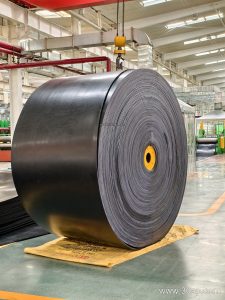
The system is compatible with a wide range of conveyor belt types, including EP Conveyor Belt, Steel Cord Conveyor Belt, and Flame Retardant Conveyor Belt. It can be installed on the carrying side, return side, or both, depending on the conveyor design and the nature of the misalignment problem.
Key Considerations for Buyers
When specifying an Electric Belt Alignment System, several factors must be evaluated to ensure proper integration and performance:
- Belt width and speed: Systems must be sized for the conveyor’s belt width (e.g., 800 mm, 1000 mm, 1200 mm) and operating speed. Higher speeds may require faster response times.
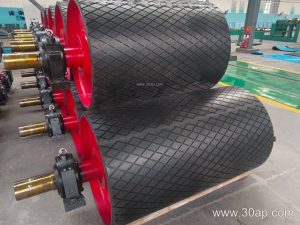
- Conveyor layout: The number and location of tracking stations depend on conveyor length, curve radius, and transition zones. Tail pulleys, bend pulleys, and drive pulleys each present different tracking challenges and should not be treated interchangeably.
- Environmental conditions: Dust, moisture, and temperature extremes affect sensor choice and enclosure ratings. In coal mining, for instance, flame retardant and anti-static properties may be required for all electrical components.
- Control integration: The system should interface with the plant’s existing PLC or SCADA for alarms and remote diagnostics. Standalone operation is possible but limits monitoring capabilities.
- Maintenance access: Actuators and sensors should be accessible for periodic inspection without dismantling the conveyor guard.
It is important to note that an Electric Belt Alignment System is not a substitute for proper conveyor design and installation. Misalignment caused by structural issues, off-center loading, or seized idler rollers must be addressed at the source. The system is most effective when integrated into a well-maintained conveyor with correctly aligned pulleys and frames.
Installation and Maintenance Tips
Proper installation is critical. Sensors should be mounted perpendicular to the belt edge and at a distance that avoids interference from material spillage. The steering frame must be free to pivot without binding. During commissioning, verify that the actuator stroke matches the expected correction range and that the control logic responds correctly to simulated misalignment signals.
Routine maintenance includes cleaning sensor lenses, checking actuator wiring for wear, and testing the system’s response during scheduled shutdowns. Always follow lockout-tagout procedures before servicing any component. In dusty environments, consider adding protective covers or air purging to extend sensor life.
For conveyors handling abrasive materials such as iron ore or copper ore, pairing the alignment system with a high abrasion resistant conveyor belt can further reduce wear on belt edges. Similarly, in cold climates, a cold resistant conveyor belt may be necessary to prevent cracking during winter operation.
Conclusion
An Electric Belt Alignment System offers a reliable, automated solution for maintaining conveyor belt tracking in challenging industrial settings. By understanding its components, applications, and selection criteria, buyers can make informed decisions that improve conveyor uptime and reduce maintenance costs. For specific product recommendations and sizing assistance, consult with a qualified conveyor systems supplier using your site drawings and operational data.